Australia's controversial proposed anti-terrorism law could be used against Muslims with no connection to terrorist activities and could stifle free speech and debate, according to the Australian National Imams' Council (ANMC).
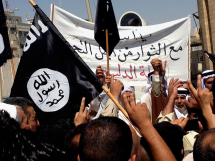
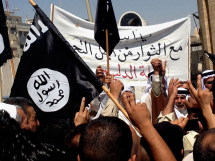
Prime Minister Tony Abbott's Counter-Terrorism Legislation Amendment (Foreign Fighters) Bill is designed to crack down on the recruitment of Australian Muslims to fight for extremist groups such as Islamic State in Iraq and Syria.
A submission to the Parliamentary Joint Committee on Intelligence and Security by the ANMC warns that open discussion of issues around social and ethical issues might be banned if the law comes into effect. It says the Council is "not convinced that the threat, no matter how serious, warrants sacrificing basic human rights and imposing on Australians the unnecessary burden of living in constant fear and paranoia". It urges the need for reflection, saying: "Passing new laws in the current climate of fear and heightened anxiety is never the best approach."
The submission says: "We are therefore concerned that the proposal has serious implications on free speech and will have a chilling effect on legitimate religious and political debate. This provision is of particular concern to preachers who spend a large proportion of their time teaching and advocating on social justice issues."
It also warns that a proposal to ban all travel to particular regions is "extreme" and "unnecessarily burdens people who may need to visit designated areas for innocent reasons such as religious pilgrimage".
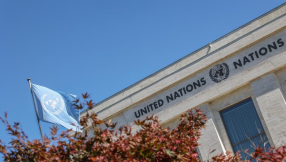
On September 25, in a move supported by British prime minister David Cameron, the United Nations Security Council chaired by US president Barack Obama adopted a resolution committing all members of the UN to draft laws to "prevent and suppress" the recruitment of fighters from their own territories to areas controlled by Islamic State.
Security services in Australia believe that Islamic State has recruited around 60 Australian fighters and that there may be another 100 who support them with funds and propaganda.
British home secretary Theresa May is leading efforts in the UK and in Europe to introduce ways of controlling the movement of jihadi fighters.