In an online post, the extremist group Feministische Autonome Zelle rejoiced in the attack saying, "Every year he heavily promotes the March for Life…We torched his SUV today."
They then continued to reveal the journalist's home location stating that he "lives there with his children."
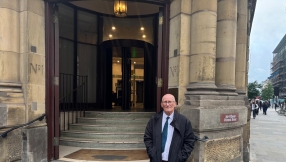
Gunnar Schupelius, a blogger and columnist for Berlin-based newspaper BZ, is well-known for his pro-life views and regularly attends the peaceful March for Life Germany with his family.
Feministische Autonome Zelle claimed Schupelius is the real attacker because he thinks unborn babies should be protected.
"You will describe our attack as an attack on freedom of the press, but it is the Gunnar Schupeliuses of this world who attack women," the post states.
Threatening further attacks, the group also said: "… as long as women are not allowed to control their bodies themselves, we will pursue the agitators of this terror and take revenge for their propaganda of social cannibalism."
The group did note Schupelius' charity work, but dismissed his social contribution as one that only assists "those who subject [themselves] to the concept of hetero-normative worldviews."
Every September, thousands of people gather in Berlin to speak up for unborn babies' right to life. A record-breaking 8,000 people attended the march in 2019.
Peaceful pro-life demonstrations across the world have also seen record attendance numbers in recent years. In 2019, over 50,000 Slovakians called on the country's leaders to protect unborn babies. Pro-life demonstrations in Northern Ireland reached over 20,000 people, over 11,000 marched for life in the Netherlands, over 5,000 people marched for life in the UK, and over 2,000 people attended New Zealand's March for Life.
But across the world, pro-life campaigners are increasingly becoming victims of violence. In 2019, LifeNews reported more than 100 incidents including arson, assaults, death threats and numerous acts of vandalism.
A spokesperson for Right To Life UK, Catherine Robinson said: "No one should face hostility for defending the right to life of unborn babies.
"The peaceful pro-life movement continues to grow across the world. Unfortunately, as the pro-life movement continues to make progress so does hostility against pro-life campaigners. However, we won't be intimidated into silence but will continue to advance in numbers supporting both women and unborn babies.
"More tragic than the violence some pro-life campaigners have been subjected to is the violence faced by almost one in four babies in the UK and worldwide who die in the womb as the result of abortion.
"It is heart-breaking that a mother's womb, which should be one of the safest places for any person, is one of the most dangerous places to be.
"In 2020 and beyond, we will be calling on the Government to urgently bring forward increased support for women with unplanned pregnancies to reduce the tragic number of abortions that happen each year."
This article first appeared at https://righttolife.org.uk/ and is published here under a Creative Commons licence.