
|PIC1|Churches and Christian organisations in India have condemned terrorist attacks across Mumbai that have left 119 people dead and 300 injured.
Armed men took hundreds of tourists hostage in the Taj Mahal Palace and Oberoi Trident hotels late Wednesday night as part of a coordinated attack on India's financial capital. A number of hostages were freed from the Taj Mahal Palace on Thursday but it is believed that hostages are still being held at the Oberoi Trident.
An official with the National Council of Churches in India told Christian Today India that the group “condemns the heinous attacks and requests unity and peace at this time".
"As the country is going through a turbulent time, we request Churches and Christians in the country to join hands, to shed tears for the people of this nation. For peace and stability to prevail," he added.
Investigating officers say the terrorists were targeting foreigners, mainly Britons and Americans.
The Evangelical Fellowship of India expressed its “deep grief” at the attacks, which saw the gunmen open fire and launch grendades at locations across the city, including the two five-star hotels, the main railway station, a restaurant popular with tourists, and a hospital.
|PIC2|“EFI appeals to all sections to society to maintain calm and requests prayers for the family of those killed and injured,” said the organisation’s General Secretary, the Rev Dr Richard Howell.
Although a group of suspected Muslim extremists have claimed responsibility for the attacks, the president of Gospel for Asia, Dr K P Yohannan urged caution in laying blame with a particular group until a full investigation had been carried out.
"This is definitely a well-planned and executed incident to bring instability to the nation in the light of the national elections coming up," he said. "But I have real reservations about placing blame on the Muslims ... until there is a complete investigation of these horrible attacks, I am not ready to blame the Muslims. Anyone can take a Muslim name for their group."
Dr Yohannan said he was concerned that the attacks would spread to the rest of the country.
"India always treated foreigners with such respect and value," he said. "This is totally against the nature of Indians. The question is, will this spread over all the country?
"We know that only the Gospel of Christ can change human hearts, regardless of caste, race or religion. That is why we must pray for India at this time."
Prime Minister Gordon Brown assured a "vigorous response" to the attacks.
He said: "I have sent a message to Prime Minister Singh that the UK stands solidly with his government as they respond, and to offer all necessary help.
"Urgent action is under way to offer every possible protection to British citizens in the region."
-

New pilgrimage route follows in the footsteps of the Manx Bible translators
-

Survey finds Gen Z most likely to identify as religious
-

Christian social worker returns to Court of Appeal in dispute over withdrawn job offer
-

Australia's anti-therapy laws harm the most vulnerable - Britain should not copy them
News
-

Edinburgh University ends divinity programmes as theology faces a changing future
-
What links Tommy Robinson, Andrew Tate and the CofE’s newest diocesan bishop?
-

Third of young people now turning to AI for friendship, research finds
-

Why the Archbishop of Canterbury’s award controversy matters
-

Catholicism in France has 'collapsed'
-

From Genesis to Revelation: The ambitious AI project turning the Bible into music
Most Popular
News

Why New Age spirituality isn’t neutral
The problem is not the recognition that there is more to life than what we can see; Christianity agrees that there is. The question is where we go looking for answers.
More than one in four US Protestant churchgoers believe some biblical truths become outdated
US Protestant churchgoers who hold evangelical beliefs are more likely than their non-evangelical counterparts to express confidence in the Bible and its continuing authority, according to new research from Lifeway Research.

Cost of living crisis is ‘busting family budgets and increasing social isolation for children’ - report
Rising living costs are forcing many UK parents to reduce activities for their children and, in some cases, use child benefits to cover household essentials, according to new research from Child Poverty Action Group (CPAG).
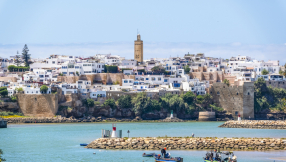
Religious freedom in Morocco is ‘substantively limited’, report warns
A new report has questioned Morocco’s claims to religious tolerance, arguing that laws relating to Ramadan observance, burial and conversion continue to limit freedom of religion despite constitutional protections.








