Kenyan security forces have pursued and killed more than 100 militants and destroyed their camp in Somalia after the ambush of a Nairobi-bound bus that killed 28 people, Deputy President William Ruto said on Sunday.
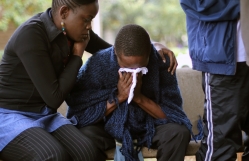
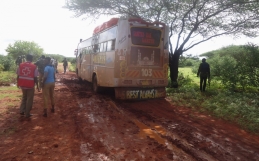
Somalia's Islamist al Shabaab militants have claimed responsibility for the attack on Saturday, when gunmen ordered passengers on the bus to recite Koran verses and shot dead non-Muslims - 19 men and nine women - who could not.
The group said the killing outside Mandera, a town in the far northeast near the Somali and Ethiopian borders, was in retaliation for raids on mosques in the southern port city of Mombasa.
Kenyan police said on Saturday that security forces pursued the attackers as they fled to Somalia after the ambush.
"Two successful operations were carried out against the perpetrators of these murderous executions across the border. Our retaliatory action left in its trail more than 100 fatalities," Ruto told a news conference in Nairobi.
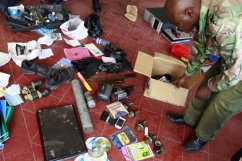
Ruto said a camp used by the attackers and four "technicals" - pick-up trucks mounted with guns - were also destroyed.
"Our message to them is clear - you may sneak and attack innocent civilians. But for any attack on Kenya and its people, we shall pursue you wherever you go," Ruto said, without naming al Shabaab.
Sheikh Abdiasis Abu Musab, al Shabaab's military operations spokesman, said all those who took part in the attacks were unharmed.
Saturday's attacks drew international condemnation from Somalia, Britain, the United States and the United Nations.
Former prime minister Raila Odinga called on the government to do more to counter the country's deteriorating security.
"When can we expect an end to this desperate state of affairs? Where is the bottom?" Odinga, now an opposition leader, asked in a statement.
Last week, police in Mombasa shot dead one man and arrested almost 400 others when they raided four mosques that they said were being used to recruit militants and store weapons.
Al Shabaab killed at least 67 people in a gun and grenade raid on a Nairobi shopping mall last September, saying it was revenge for attacks on its fighters by Kenyan troops in Somalia.
That and other attacks in the past year on the coast and in Nairobi have prompted Western nations to issue travel warnings, hitting the tourism industry.
Experts have blamed poor command structures and intelligence sharing for Kenya's problems fighting the militants in the past, but Ruto said improved coordination had assured the success of the weekend raid against the attackers.