
WASHINGTON - Republican contenders in the 2008 presidential race tried to woo a tough crowd on Friday at a summit for "values voters": conservative Christians who have yet to rally around a single candidate.
Comprising mostly white evangelical Protestants known loosely as the "religious right," the group is an important part of the Republican base, credited with securing two White House terms for President George W. Bush.
But their influence within the party has been questioned by the showing of former New York Mayor Rudy Giuliani, who is leading national Republican polls despite his support of abortion and gay rights -- positions anathema to the movement.
Stridently anti-abortion Republicans cannot even contemplate this happening.
"He's (Giuliani) is not going to be the nominee. The party is not going to nominate a pro-choice candidate," Kansas Sen.r Sam Brownback told reporters after he addressed close to 2,000 delegates and activists.
The conservative Senator was expected to announce that he was dropping out of the presidential contest Friday in Kansas, slightly narrowing the field of Republicans courting the religious right.
All nine main Republican contenders were to address the summit.
Arizona Sen. John McCain stressed his anti-abortion credentials - a refrain that is sure to become a familiar one as the candidates attempt to paint themselves as "anti-Giulianis" on this crucial Republican issue.
"I have been pro-life my entire public career. I believe I am the only major candidate in either party who can make that claim," McCain said.
ROMNEY'S RELIGION
Some evangelicals are throwing their support behind former Massachusetts Gov. Mitt Romney, a recent convert to the anti-abortion cause. His biggest drawback in the view of some analysts is his Mormon faith.
A recent survey by the Pew Research Center found that 52 percent of white evangelicals who attend church on a weekly basis did not view the Mormon faith as Christian.
But some evangelical activists say they have much in common with followers of the Church of Jesus Christ of Latter-day Saints, as the faith is officially known. Mormons are socially conservative and tend to vote Republican.
"We are electing a president and not electing a pastor. You are not going to see any difference between a Southern Baptist family and a Mormon family on family values," said David French, one of the co-founders of Evangelicals for Mitt.
Other anti-abortion social conservatives such as Texas Gov. Rick Perry have embraced Giuliani because they say they agree with most of his positions and that it is not necessary to agree rigidly on every thing.
"Giuliani has come across as strong on the war on terrorism and he has signaled strong support for Israel and these positions appeal to evangelicals," said Scott Keeter of the Pew Research Center.
Nationally known social conservatives such as Focus on the Family founder James Dobson have said they will back a third-party candidate if Giuliani gets the nomination.
That may highlight the limits of their current influence within the Republican Party, which some analysts say has been curtailed by emerging evangelical divisions on other issues such as the environment, health care and poverty.
50% OFF
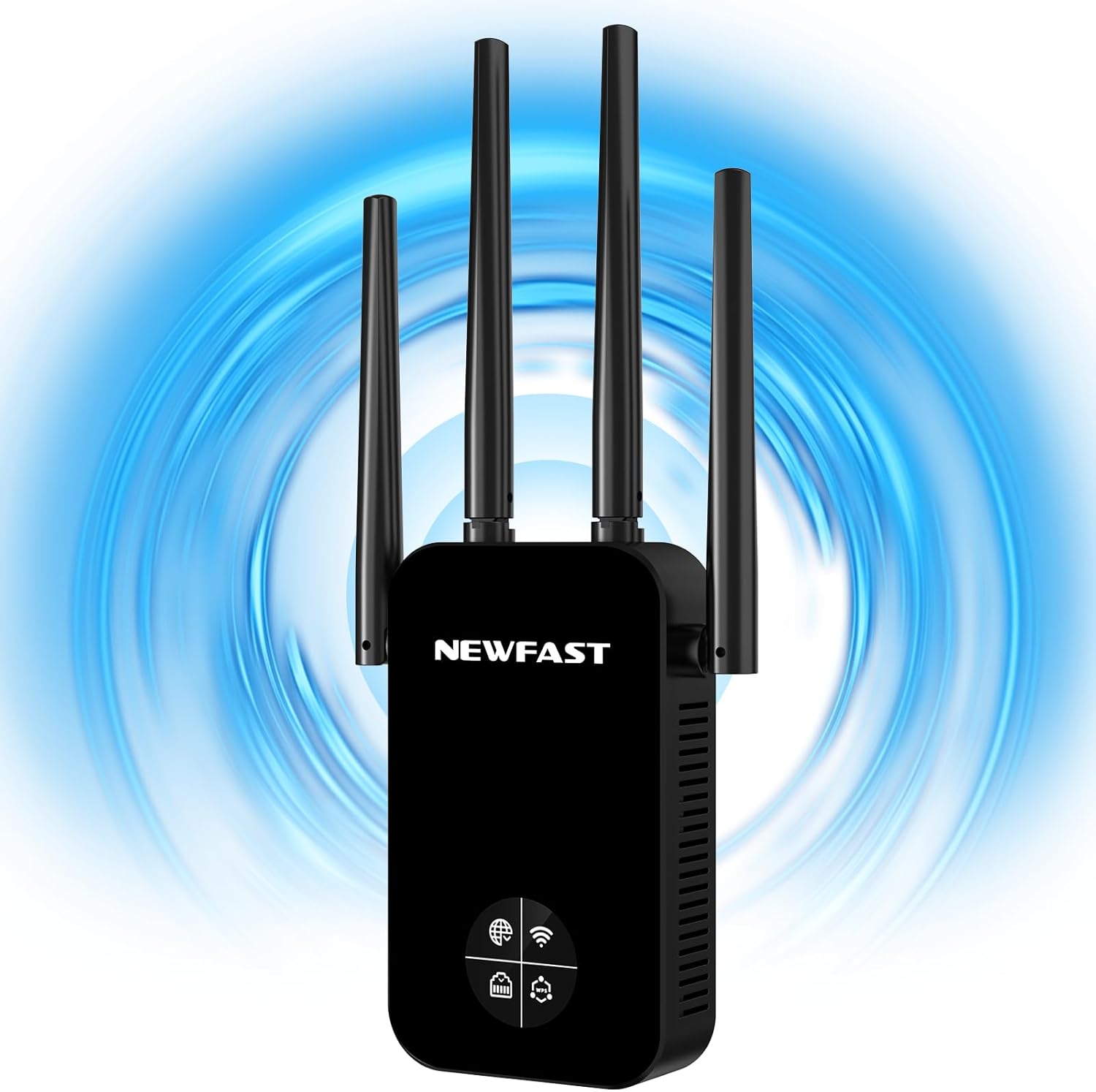
NEWFAST NF-RE523 AC1200 WiFi Extender - 1200Mbps Dual Band Signal Booster & Internet Repeater
$18.5 $36.99
48% OFF
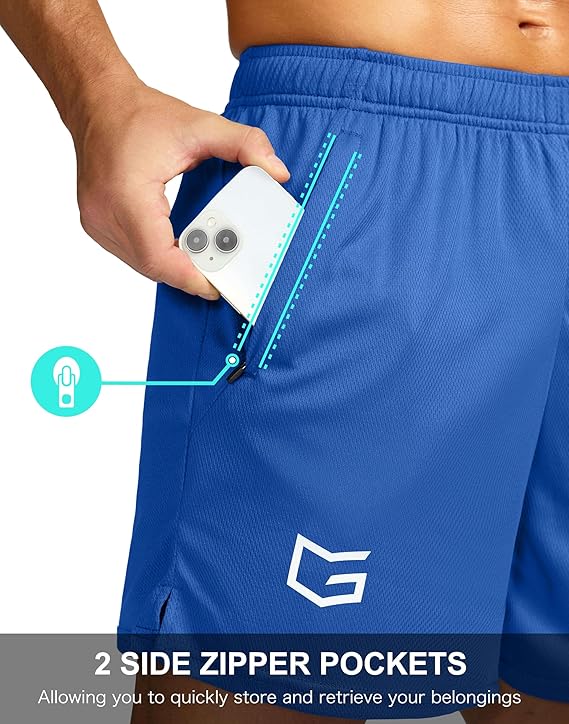
G Gradual Men's 7-inch Workout Running Shorts - Lightweight, Quick-Dry, Comfort
$12.91 $24.99
50% OFF

HDPE All-Weather Adirondack Chair with Built-In Cup Holder - Tool-Free Assembly (Grey)
$69.99 $139.99
60% OFF

HOMETUK Clear Plastic Storage Bins with Dividers - 3-Pack Stackable Acrylic Organizer Containers for Fridge and Pantry
$19.99 $49.99
58% OFF

G Gradual Men's Fishing Shirt - UPF 50+ Lightweight Short Sleeve Button Down with Zipper Pockets
$14.99 $35.99
55% OFF

Everyfun 60" Rectangular Platform Tree Swing - 700lbs Heavy Duty Adjustable Outdoor Swing (Colorful)
$49.99 $110.99
61% OFF

Ekouaer Women's Casual Loose Jumpsuit - One-Piece Printed Sleeveless Wide Leg Romper with Pockets
$14.99 $37.99
40% OFF
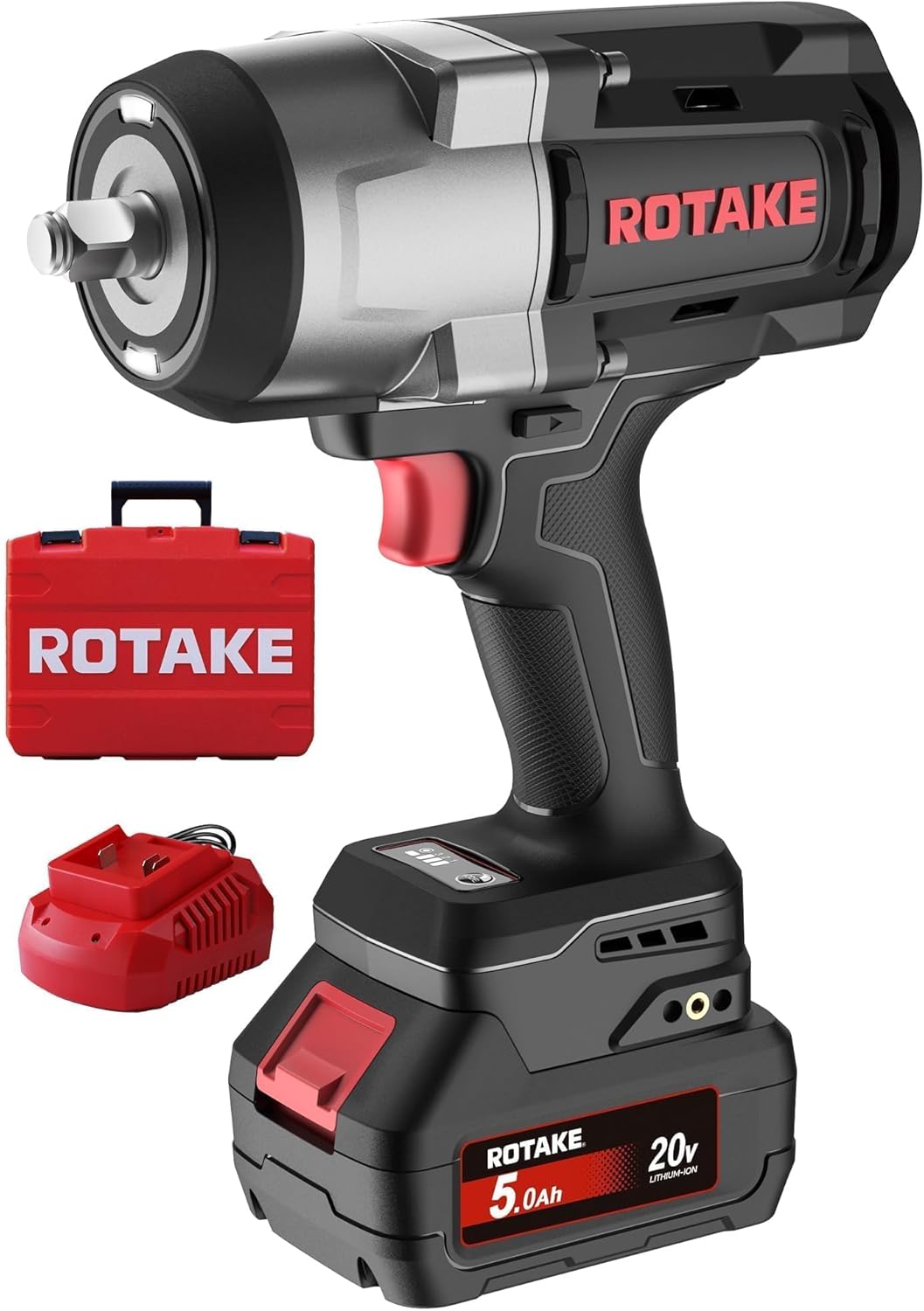
ROTAKE TB3 20V Heavy Duty 1/2" Cordless Impact Wrench Kit - 1380 Ft-Lbs Torque
$132 $219.99
36% OFF

Men's Athletic Running Shorts with Zipper Pockets - Lightweight & Quick Dry
$12.74 $19.99
61% OFF

Modern Ceiling Fan with Light and Remote - Reversible Quiet DC Motor
$69.3 $179.99
50% OFF

MOOKA H13 True HEPA Air Purifier for Home Large Room - 1076 sq ft Odor Eliminator
$39.97 $79.95
60% OFF

Ekouaer Women's Satin Silky Pajama Set - Short Sleeve Pullover Top & Wide-Leg Pants
$13.99 $34.99
55% OFF

Ekouaer 3-Piece Maternity & Nursing Pajamas Set - Short Sleeve Top with Shorts and Pants
$14.99 $32.99
11% OFF

VitaUp Beet Root Gummies with CoQ10 & Grape Seed - Nitric Oxide Circulation Support (60 Count)
$24.91 $27.91

Sealy 2-Pack Tritech 16" Twin Inflatable Air Mattress with Built-in AC Pump
$0 $113.99
20% OFF

INTEX Prism Frame 20ft x 52in Above Ground Pool Set - Round Steel Frame Swimming Pool
$695.99 $869.99

Gardner Pet 43" Heavy Duty Dog Crate with Wheels - Indestructible Folding Metal Cage (Black)
$0 $149.99
12% OFF

Elegant Mid-Century Modern Bar Stools - Set of 4
$395.99 $449.99
23% OFF

Ergonomic Office Chair - Big and Tall Desk Chair with Adjustable Lumbar Support
$279.99 $363.99
26% OFF

Magnelex American Flag Windshield Sun Shade - High-Resolution UV Reflective Heat Shield (X-Large)
$19.9 $26.9




-
Historic Lancashire church secures £250,000 National Lottery grant for major roof repairs
-
Sunderland Minster PCC was right to push back over trans toilet sign
-

Report warns religious freedom protections in Mexico exist largely ‘on paper’
-

Bethel Church distances itself from Todd Bentley and Mike Bickle
-

Christian police officer reaches settlement over diversity training discrimination claim
-

Turkey's hidden Christian past: Extraordinary discoveries are rewriting the story of early Christianity
Most Popular
News

Pride and the Gospel: the way of self or the way of Christ?
As Christians, our understanding of pride is shaped not primarily by culture, but by Scripture.
Campaign urging greater support for Christian education
Unite for Education founder, Niel Deepnarain, said Christians must be willing to engage publicly with educational issues rather than remain silent.
Welsh reverend speaks of culture of fear over LGBT issues
Many people have already left the Church in Wales over its stance on same-sex relationships, an evangelical leader has said.
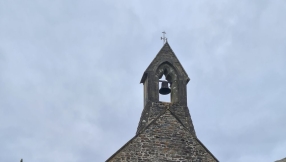
Reddit users declare small Welsh church best place in the world
Users voted to eliminate one half of a map until only one location remained.
NEWFAST NF-RE523 AC1200 WiFi Extender - 1200Mbps Dual Band Signal Booster & Internet Repeater
$18.5
G Gradual Men's 7-inch Workout Running Shorts - Lightweight, Quick-Dry, Comfort
$12.91
HDPE All-Weather Adirondack Chair with Built-In Cup Holder - Tool-Free Assembly (Grey)
$69.99
HOMETUK Clear Plastic Storage Bins with Dividers - 3-Pack Stackable Acrylic Organizer Containers for Fridge and Pantry
$19.99
G Gradual Men's Fishing Shirt - UPF 50+ Lightweight Short Sleeve Button Down with Zipper Pockets
$14.99
Everyfun 60" Rectangular Platform Tree Swing - 700lbs Heavy Duty Adjustable Outdoor Swing (Colorful)
$49.99
Ekouaer Women's Casual Loose Jumpsuit - One-Piece Printed Sleeveless Wide Leg Romper with Pockets
$14.99
ROTAKE TB3 20V Heavy Duty 1/2" Cordless Impact Wrench Kit - 1380 Ft-Lbs Torque
$132
Men's Athletic Running Shorts with Zipper Pockets - Lightweight & Quick Dry
$12.74
Modern Ceiling Fan with Light and Remote - Reversible Quiet DC Motor
$69.3
MOOKA H13 True HEPA Air Purifier for Home Large Room - 1076 sq ft Odor Eliminator
$39.97
Ekouaer Women's Satin Silky Pajama Set - Short Sleeve Pullover Top & Wide-Leg Pants
$13.99
Ekouaer 3-Piece Maternity & Nursing Pajamas Set - Short Sleeve Top with Shorts and Pants
$14.99
VitaUp Beet Root Gummies with CoQ10 & Grape Seed - Nitric Oxide Circulation Support (60 Count)
$24.91
Sealy 2-Pack Tritech 16" Twin Inflatable Air Mattress with Built-in AC Pump
$0
INTEX Prism Frame 20ft x 52in Above Ground Pool Set - Round Steel Frame Swimming Pool
$695.99
Gardner Pet 43" Heavy Duty Dog Crate with Wheels - Indestructible Folding Metal Cage (Black)
$0
Elegant Mid-Century Modern Bar Stools - Set of 4
$395.99
Ergonomic Office Chair - Big and Tall Desk Chair with Adjustable Lumbar Support
$279.99
Magnelex American Flag Windshield Sun Shade - High-Resolution UV Reflective Heat Shield (X-Large)
$19.9