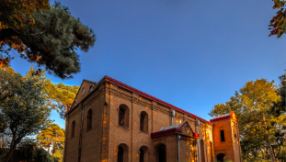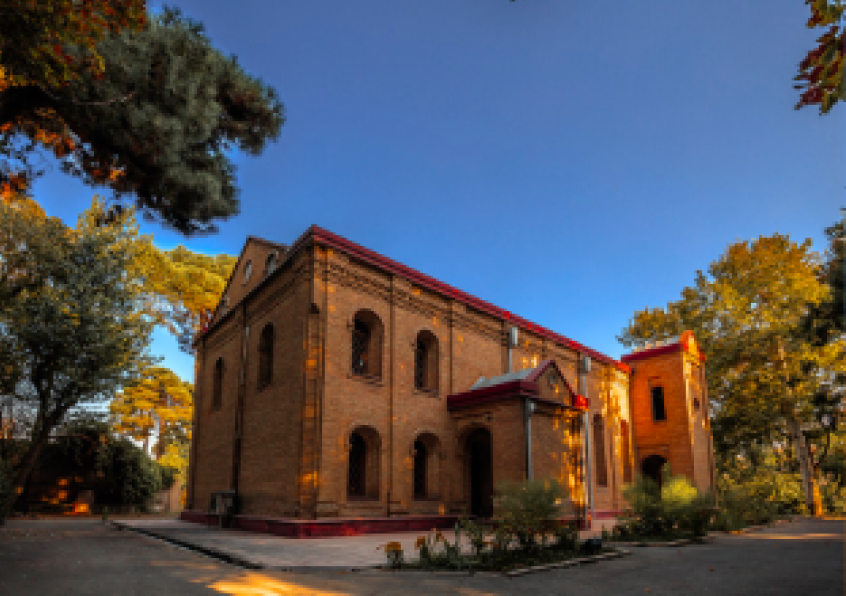
Two UN experts have demanded Iran explain the confiscation of the country’s oldest Protestant church, it has emerged.
News that Iran had confiscated St Peter’s Evangelical Church in Tehran, and expelled the Christian residents, emerged in July.
The property is around 10 acres and contained homes, two schools and offices used by the Bible Society and of the Council of Evangelical Churches of Iran, which owns the land. Around 20 families from Iran’s historic Assyrian and Armenian Christian communities were evicted.
Now it has emerged that UN Special Rapporteur (SR) on the Situation of Human Rights in the Islamic Republic of Iran, Mai Sato, and SR on Freedom of Religion or Belief, Nazila Ghanea sent an official communication to the Iranian government on 10 July about the incident, however due to UN protocols, the communication has only been made public now, 60 days after sending.
The officials said they were “concerned that these developments do not appear to constitute an isolated incident, but rather the culmination of a decades-long pattern of measures directed against the Christian community in the Islamic Republic of Iran, and in particular against Persian-speaking Christian worship”.
It was stated that other church properties around the country had been confiscated, closed, demolished or repurposed and that Iran had not clarified what, if any, redress had been provided to the Christian communities concerned: “There were once around 50 Protestant churches offering services in Persian in the Islamic Republic of Iran. Today there are effectively none because the three Anglican churches that were permitted to preach in Persian in Tehran, Isfahan and Shiraz have not been allowed to reopen since the COVID-19 pandemic.”
Since the publication of the original communication, the SRs said they had received no response to their questions from Iran and that St Peter’s was now under guard by regime forces.
“Forced evictions of this kind are incompatible with international human rights law, and these measures have deprived a long-standing community of both its homes and its place of worship,” they said.