
In the current climate of financial crisis the Jubilee Debt Campaign (JDC) has been continuing to put pressure on government to prioritise the poorest nations in the global South in bringing about economic reform. Many countries are still crippled by debt owed to the global North with un-repayable rates of interest that prevent developing nations from providing basic services let alone economic growth.
In a recent campaigners meeting, CSM heard about JDC’s visit to Tanzania and Zambia to see the fruits of cancelled debts on the ground. The chair, David Golding, reported the provision of several new clinics providing free immunisations and basic health care to towns and villages across the region, only possible due to money made available through national debt reduction. He also spoke about new primary schools opened in several towns thanks to reclaimed funds.
Such stories represent the reason for JDC’s existence and were very encouraging to hear. There are constant battles against corruption and misuse of funds otherwise destined to service debt repayment, but there are many positive examples of success which makes campaigning for debt relief a worthwhile cause.
A major focus of the JDC in the past year has been on the Export Credits Guarantee Department (ECGD). The ECGD is the UK’s Export Credit Agency and the JDC describe it as the UK’s ‘Department for Dodgy Deals’.
The JDC says: “The ECGD uses public money to support private exporters to win contracts in ‘risky’ areas where support from private sector finance is unlikely to be available. As a result of counter-guarantees if the importer defaults on payments, the ECGD pays the bank or exporter financing the deal instead. The ECGD can then add that amount to the debt owed to it by the developing country in which the failed deal took place.”
The benefactors of deals through the ECGD have largely been defence and carbon intensive industries, contributing to the misery of millions through climate change and warfare. The department has no remit to contribute to the government’s climate change policy, stumping the effectiveness of green initiatives in favour of guaranteed sales. This is on top of being responsible for 95% of developing country debt owed to the UK, approximately £2.4 billion.
The JDC have campaigned long and hard for reform of the ECGD and support from inside parliament is growing for a review of the situation. One of the campaign’s biggest recent achievements is influencing Liberal Democrat policy in relation to reforming the ECGD and therefore having a knock-on effect in the stance of the coalition government.
As Secretary of Sate overseeing the ECGD, Vince Cable is in a position to begin implementing proposed changes. It is now a LibDem commitment to reform the ECGD in both party policy and as a coalition government commitment. However, there has been no progress thus far in the right direction.
The CSM, along with the Jubilee Debt Campaign believe that continued pressure on Mr Cable’s department is necessary in ensuring that the process of reform is kick started.
This is one of the issues that the JDC wishes to highlight as it hosts the ‘Dictator debt day of action’ on October 31, this coming Monday. The day will include workshops, lobbying MPs in Westminster and a demonstration at the department for Business Innovation and Skills asking what skeletons are in the government’s closet on Halloween.
JDC is keen to see economic democracy becoming a key aspect of the wider debate around the move towards democracy in the aftermath of the ‘Arab spring’. Calling on Western countries to lead the way in demonstrating responsibility and adopting a greater transparency in regard to what debt repayments are actually repaying. For example, how many millions of pounds are being repaid to the UK for military equipment sold to dictators who may have used them against their own people?
These are important questions that government needs to address and take seriously as it seeks to support fledgling democracies.
For information about the Dictator Debt Day of Action event or more on other campaigns, please visit the Jubilee Debt Campaign website at www.jubileedebtcampaign.org.uk




-
Nicky Gumbel elected to Church of England parliament with a call to put evangelism first
-

Pastor died after wooden arch fell at Big Church Festival, inquest hears
-

John Lennox urges Christians to overcome fear of sharing their faith
-

Are we ready to battle for the Gospel?
-

Church warden and rector lead legal challenge against Church of England's Project Spire
-

Anti-Christian harassment continues to rise in Jerusalem
Most Popular
News

US Episcopal Church membership falls below 1.5 million as decades-long decline continues
The US Episcopal Church has reported a further decline in membership and worship attendance, with new data it has fallen below 1.5 million members despite signs of post-pandemic stabilisation.
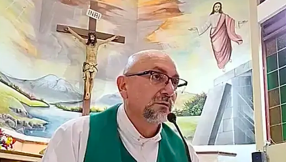
Priest dies after cross falls on him during livestreamed Mass
A priest in Guayaquil, Ecuador, has died after a crucifix fell on him during an evening Mass on Saturday.

Christians remember Aberfan disaster 60 years on
It was described by one individual as "the ministry of tears".

Churches must do more to equip Christians for evangelism, says J John
Churches need to devote more time and resources to evangelism and do more to equip their members to share their faith with non-Christians, evangelist Canon J John has said.








