
A Syrian priest, the Rev Nadim Nassar, who has just returned to London after a visit to his home country, says that he sees the potential for positive change there, despite recent violence.
Mr Nassar, spent time with his family in Latakia, one of the main centres of unrest in Syria, and described a high level of fear in the country.
Speaking to Church Times, he said: “I was sad to see that people have become polarised, tearing apart their communities as they face the choice of supporting the President and his government, or supporting what might be called the opposition.”
There were still grounds for hope, however, he believes.
“Syria is not the same as either Egypt or Lebanon. There is a fantastic potential for the creation of a diverse parliamentary democracy, if the forces emerging on the political scene push in that direction.”
His hopes are based, in part, on the extent to which religious minorities are an indivisible part of Syrian society.
“Christians, Armenians, and Kurds in Syria all look the same as Sunnis or Alawites; they sound the same, and it is impossible to differentiate between them in the street.
Furthermore, we have all suffered as citizens from the same corruption, the same problems with the regime.
“The greatest danger in the Syrian conflict is making this conflict a sectarian one, where old scores can be settled between Sunni and Alawite, which will inevitably drag all religious and racial minorities into the fray.”
This is one of the prospects that makes the Patriarch of the Maronite Church in Lebanon, Beshara Rai, feel anxious.
He urged the West to be cautious in backing regime change without thinking about what might happen to minority communities in the aftermath.
“The West wanted democracy in Iraq, and this democracy has claimed many lives. The lives of Christians in Iraq and in Egypt are now more difficult than they were in the past.
“We are worried about the Christian presence in some Arab countries, because we don’t want Christians to be treated as foreigners. We are not foreigners.
"And if Arab regimes are religion-based, it will mean that Islam is the state religion. If that is the case, then we will live in constant danger.”
-

Teenagers in Britain come bottom of survey for life satisfaction
-

Third of young people now turning to AI for friendship, research finds
-
Edinburgh University ends divinity programmes as theology faces a changing future
-

From Genesis to Revelation: The ambitious AI project turning the Bible into music
News
-
Archbishop of Canterbury withdraws award given to Muslim cleric who praised Bin Laden
-
What links Tommy Robinson, Andrew Tate and the CofE’s newest diocesan bishop?
-

No part of London should become a free speech, gospel exclusion zone
-
Most practising Christians are evangelical, study finds
-
How the new General Synod could move beyond the present disagreement over same-sex relationships
-

Third of young people now turning to AI for friendship, research finds
Most Popular
News
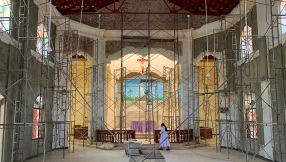
Cautious welcome as 15 men sentenced over Sri Lanka Easter Sunday bombings
Christian groups welcomed the convictions but say questions remain about who was involved.
Catholicism in France has 'collapsed'
A new report on Catholicism in France comes days ahead of Pope Leo XIV's visit.
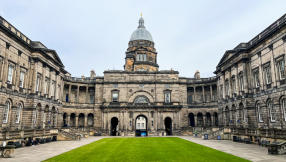
Edinburgh University ends divinity programmes as theology faces a changing future
It marks a significant change for an institution whose history has been closely intertwined with theological education for centuries.
Lib Dems to investigate treatment of the faithful as Campanale case rumbles on
The Liberal Democrats have begun a review into how it treats people of faith within the party.








