
A study conducted by Ellison Research based in the U.S. revealed that Protestant ministers in the America often have moderate familiarity with the core beliefs of Islam, but little familiarity with faiths such as Hinduism, Buddhism, Scientology, or Wicca. Protestant clergy tend to be most familiar with Roman Catholicism and Judaism among non-Protestant faith groups.
The study was conducted in all 50 states. To ensure the fairness and comprehensiveness of the statistics, a representative sample of pastors is taken from all Protestant denominations with consideration taken of the church size and geographical location. The sample of 700 Protestant ministers included only those who are actively leading churches.
13 different religious groups are listed for Protestant ministers to rate how familiar they are with these core beliefs, using a scale of 1- 5 (with 5 being very familiar, 3 being average and 1 being very unfamiliar).
None of the Protestant ministers claimed that they are extremely familiar with the core beliefs of any listed religious groups. However, the faith groups that have majority 4 or 5 ruling from Protestant clergy are Roman Catholicism (41 percent), Judaism (33 percent), Mormonism (21 percent) and Jehovah’s Witnesses (21 percent).
Among all the other faith groups, Protestant ministers appear to be most knowledgeable about the core beliefs of Islam, with a leading 47 percent. Then it comes to New Age with 43%, then Satanism at 31%, Buddhism at 28%, Hinduism at 27%, Scientology with 15%, Wicca at 13%, Baha’I at 13%, and Sikhism at only 5%.
Ellison Research found that familiarity with different faith groups does not vary much by different areas of the country, but a denomination pattern is observed. Five denominational groups - Methodists, Baptists, Pentecostals, Charismatics and Lutherans - are identified.
Methodists are the least likely to be familiar with the beliefs of other faith groups. Methodist ministers’ familiarity with Islam, Jehovah’s Witnesses, Satanism and New Age beliefs is particularly low.
Ministers in Pentecostal and charismatic denominations also tend to be less familiar than average with other belief systems. Pentecostal clergy have a relatively high level of familiarity with Satanism compared to other denominations, but are average or below average on the other faith groups. Pentecostal ministers are especially likely to be unfamiliar with the core beliefs of Islam, Hinduism, and Judaism.
Baptists tend to be about average on their familiarity with non-Protestant faiths. Lutherans are most familiar with non-Protestant groups among all the other denominations.
Ron Sellers, president of Ellison Research, hinted that he was a little disappointment by the relatively low knowledge of Protestant ministers about other faith groups. He emphasised the importance of understanding other faith groups in order to bring them to Christ.
“Evangelism and conversion are very strong influences in Pentecostal theology and practice, and Pentecostal clergy tend to have particularly strong beliefs that Christianity is the only path to salvation,” Sellers cited the example of the Pentecostal denomination.
“Trying to reach people who hold other beliefs is more likely if you understand what those beliefs are. Yet the study demonstrated that Pentecostal and charismatic clergy are sometimes below average in their familiarity with the beliefs of non-Protestant faith groups. Given the importance these pastors often place on evangelism, one might expect just the opposite, so this is a surprise,” Sellers concluded.
The research result was released on 25th August. It will be published in the September/October edition of the Southern Baptist Convention’s LifeWay’s Facts & Trends magazine.




-

Edinburgh University ends divinity programmes as theology faces a changing future
-

Why the Archbishop of Canterbury’s award controversy matters
-

More than one in four US Protestant churchgoers believe some biblical truths become outdated
-

Catholicism in France has 'collapsed'
-

Christian leaders issue ‘sober and urgent call’ for Western Church to prepare for disruption
-

Australia's anti-therapy laws harm the most vulnerable - Britain should not copy them
Most Popular
News

Active faith linked to happier marriages and lower divorce rates, study finds
People who regularly attend church are more likely to report happy marriages, according to a new report examining the relationship between faith and family life.
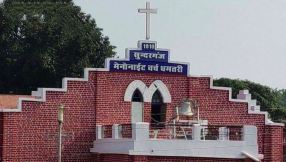
Indian churches fearing anti-conversion laws tell non-Christians: enter at your own risk
Churches in Dhamtari, a town in the central Indian state of Chhattisgarh, have put up notices warning non-Christians that they enter at their own risk, weeks after a law against religious conversion came into force in the state.

£1k bursaries to help churches develop youth and community mentoring programmes
Churches across the UK are being offered bursaries to help them establish mentoring programmes aimed at supporting young people and others in their communities.

World Evangelical Alliance celebrates 180th anniversary
The World Evangelical Alliance (WEA) has held an online celebration to mark its 180th anniversary. Hundreds of people from more than 22 countries attended, and the event was rebroadcast to accommodate different time zones.








