
The British Foreign Secretary, Jack Straw's visit has drawn both local and international attention. While Oxfam UK urged Straw to push for peace in Darfur yesterday, the Catholic Agency for Overseas Department (CAFOD) also called on Straw’s effort on a similar aspect.
Securing humanitarian access, increasing protection of civilians, and encouraging progress in the peace talks are the three most important aspects that Straw should work on, according to the CAFOD.
CAFOD Director Chris Bain said the organisation has already tried its best to provide aid and service, however, still there are further steps still to take.
“Hunger and sickness do not wait for political solutions. People are living in desperate conditions. Without improved security and increased access, the situation will get even worse...Jack Straw can play a vital role in highlighting the crisis and in encouraging all sides in the conflict to commit to peace negotiations.”
Over the past two days in Sudan, Straw has been living up to the expectation of British charities and Christians.
Now, it is a critical time for Durfur as peace talks between the Sudanese Government and the rebel groups have opened. Britain hopes its historic ties - which stretch back more than a century to when the region was under British control - and its status as the world’s second-largest donor to Sudan will give it greater influence over the Sudanese Capital Khartoum government.
Already an announcement of victory has resulted from the talks in the negotiations for the access of British human right groups Amnesty International and Human Rights Watch to Darfur. This marked a one-thirds success in Straw’s commission in coming to Sudan.
On Tuesday, Straw visited the Abu Shouk refugee camp in Darfur. Meeting hundreds of women and children at the heart of the camp, Straw patiently listened to the story of these refugees. He asked the refugees what had brought them to the camp and what would persuade them to go back to their villages.
One woman said she had been bombarded from the air, presumably by Sudanese government planes. Another said that while the Janjaweed militia were still at large, she was too scared to go home again.
“I recognise that the government of Sudan has made progress, especially in humanitarian access and camp safety and security within the camps, but people are obviously still very anxious and nervous about whether they will be safe when they go back to their villages,” he commented.
“Our collective interest is to see a safe, secure and prosperous Sudan able to live at peace with itself amongst all its states and many tribes,” Straw told BBC after the visit, showing his deepest concern to protect the innocence as many faith groups may have emphasised.
As the UN’s 30th August deadline for the Sudanese government to disarm the Janjaweed militia approaches, Straw criticised the insufficient progress of the Sudanese government towards the Janjaweed who have been blamed for a mojority of the violence in Darfur.
“I will also be talking to African leaders as well as other Security Council members so we are all in a position by the end of next week to ... make judgements about whether there is sufficient progress. There is not enough progress - but (the question) is whether there is sufficient progress.”




-

Edinburgh University ends divinity programmes as theology faces a changing future
-

Why the Archbishop of Canterbury’s award controversy matters
-

More than one in four US Protestant churchgoers believe some biblical truths become outdated
-

Catholicism in France has 'collapsed'
-

Christian leaders issue ‘sober and urgent call’ for Western Church to prepare for disruption
-

Australia's anti-therapy laws harm the most vulnerable - Britain should not copy them
Most Popular
News

Active faith linked to happier marriages and lower divorce rates, study finds
People who regularly attend church are more likely to report happy marriages, according to a new report examining the relationship between faith and family life.
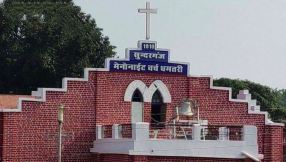
Indian churches fearing anti-conversion laws tell non-Christians: enter at your own risk
Churches in Dhamtari, a town in the central Indian state of Chhattisgarh, have put up notices warning non-Christians that they enter at their own risk, weeks after a law against religious conversion came into force in the state.

£1k bursaries to help churches develop youth and community mentoring programmes
Churches across the UK are being offered bursaries to help them establish mentoring programmes aimed at supporting young people and others in their communities.
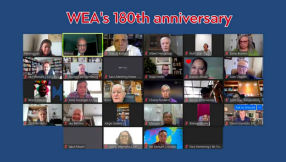
World Evangelical Alliance celebrates 180th anniversary
The World Evangelical Alliance (WEA) has held an online celebration to mark its 180th anniversary. Hundreds of people from more than 22 countries attended, and the event was rebroadcast to accommodate different time zones.








