
|PIC1|Churches and society at large need to offer reparation to descendants of those enslaved, tortured and murdered by the transatlantic slave trade, says an international conference sponsored by three major ecumenical organisations.
The three organisations include the World Council of Churches (WCC), the World Alliance of Reformed Churches (WARC) and the Council for World Mission (CWM).
Sixty theologians, church leaders and activists from Africa, the Caribbean and the Americas attended the event called "Abolished, but not Destroyed: Remembering the Slave Trade in the 21st Century" held 10 to 14 December in Runaway Bay, Jamaica.
The conference marked the 200th anniversary of the passing of the Abolition of the Slave Trade Act of the British House of Commons. Between the 16th and 19th centuries an estimated 15 million Africans were forcibly removed from their homes and shipped across the Atlantic Ocean to become slaves in the Caribbean and the Americas.
"Many churches were actively involved in the transatlantic slave trade in Africans and colonialism; hence the church's mission has been seriously compromised and betrayed by its historic complicity with two of the most blatant forms of oppression that occurred within the 16th and 19th centuries," the statement says.
"Further, the church's pastoral and prophetic roles in the contemporary period are obstructed by its voluntary amnesia about its corporate sin and silence regarding the past - as well as regarding the present - responsibility to bring justice to those still suffering from the legacy of the transatlantic trade in Africans."
The church bodies also stated that "while there have been some acts of repentance and confessional statements made by some churches" these have largely "not been effective enough" in eradicating white supremacy, systemic racism and the ongoing legacy of the transatlantic trade in Africans.
The international conference called on churches that were complicit in the slave trade to name the trade - and other modern forms of slavery - a sin.
The conference stated that reparation is needed by both church and society but that reparation is much more than a financial issue.
"The process of reparations requires the restoration of relationships that affirm the dignity and humanity of all parties in order to repair what has been broken. Reparation also challenges the perpetrator to confession and repentance and minister restoration and healing to those who have been exploited.
"The transatlantic trade in Africans destroyed the roots of nation building and enriched the oppressors to build its nations and states. Thus, we believe that mere financial aid is no replacement; rather, full nationhood and community restoration of peoples impacted should be the condition of reparations."
WCC representative Adele Halliday of Canada said that the challenge now is to move beyond statements and make the issues discussed in Jamaica tangible in the church. Added Lois McCullough of the United States, another WCC representative, "Churches need to atone and act."
Jennifer Ayana McCalman of Nevis, a CWM delegate, said, "What has been done in one generation has effects in the generations following. If we don't deal with these consequences from the slave trade then we, the church, are living in denial."
WARC general secretary Setri Nyomi, who also attended the event, expressed thanks for the collaboration with WCC and CWM.
"The statement sends a strong message challenging churches to look at their own past complicity in the evil of slavery and the slave trade and be at the forefront of exposing modern forms of slavery and oppression of people based on caste, race, gender or economic status," Nyomi said.
The conference was hosted by the United Church in Jamaica and the Cayman Islands and supported by the Caribbean Conference of Churches as well as the Jamaica Council of Churches.
50% OFF
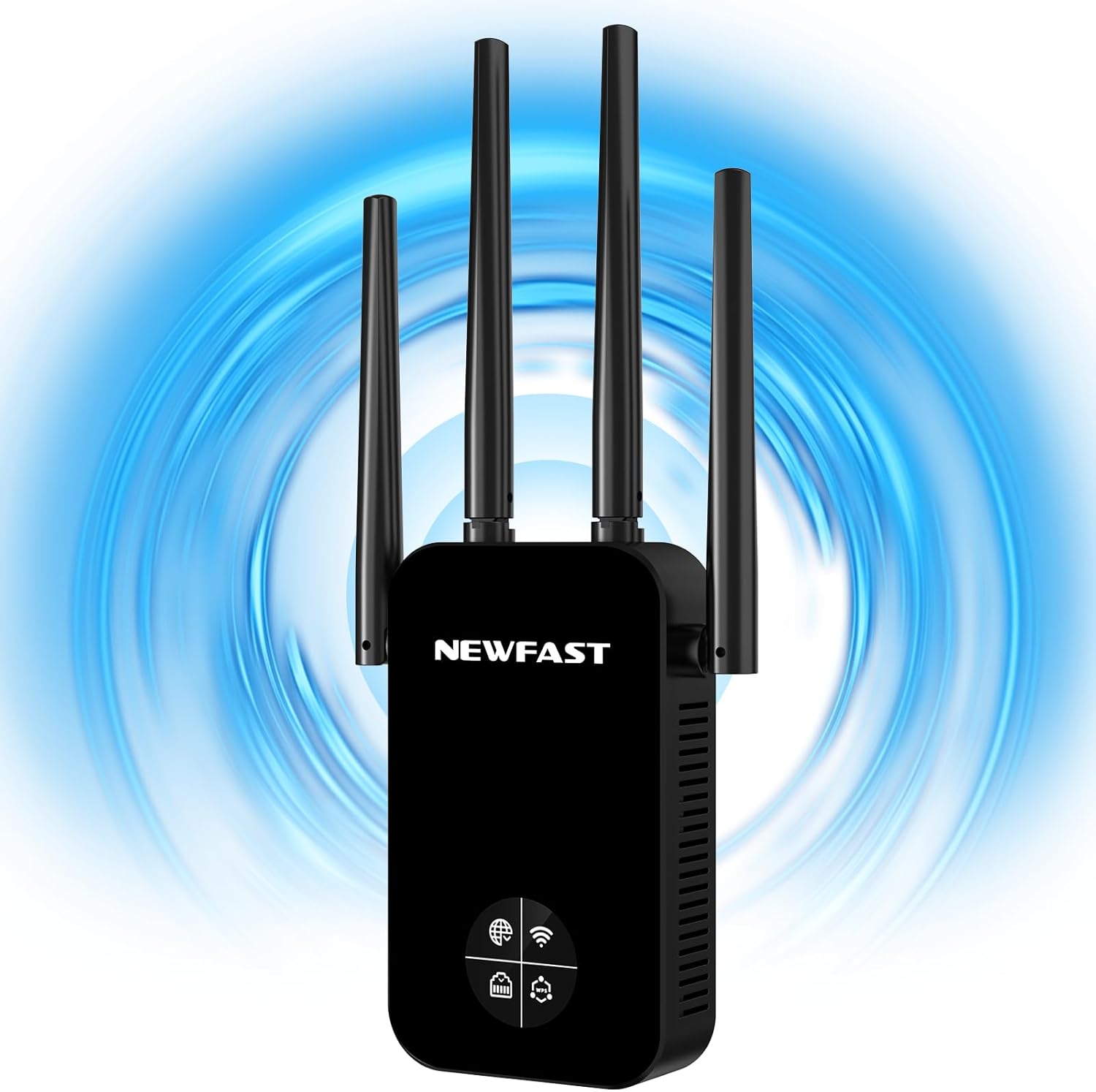
NEWFAST NF-RE523 AC1200 WiFi Extender - 1200Mbps Dual Band Signal Booster & Internet Repeater
$18.5 $36.99
48% OFF
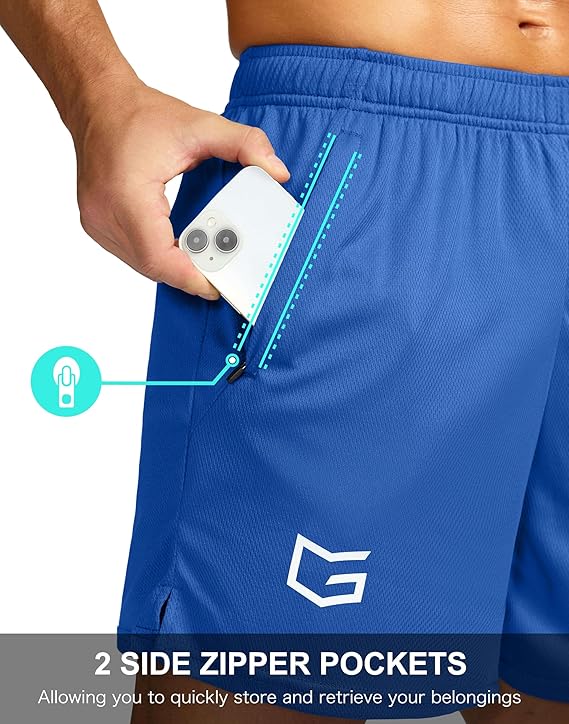
G Gradual Men's 7-inch Workout Running Shorts - Lightweight, Quick-Dry, Comfort
$12.91 $24.99
50% OFF
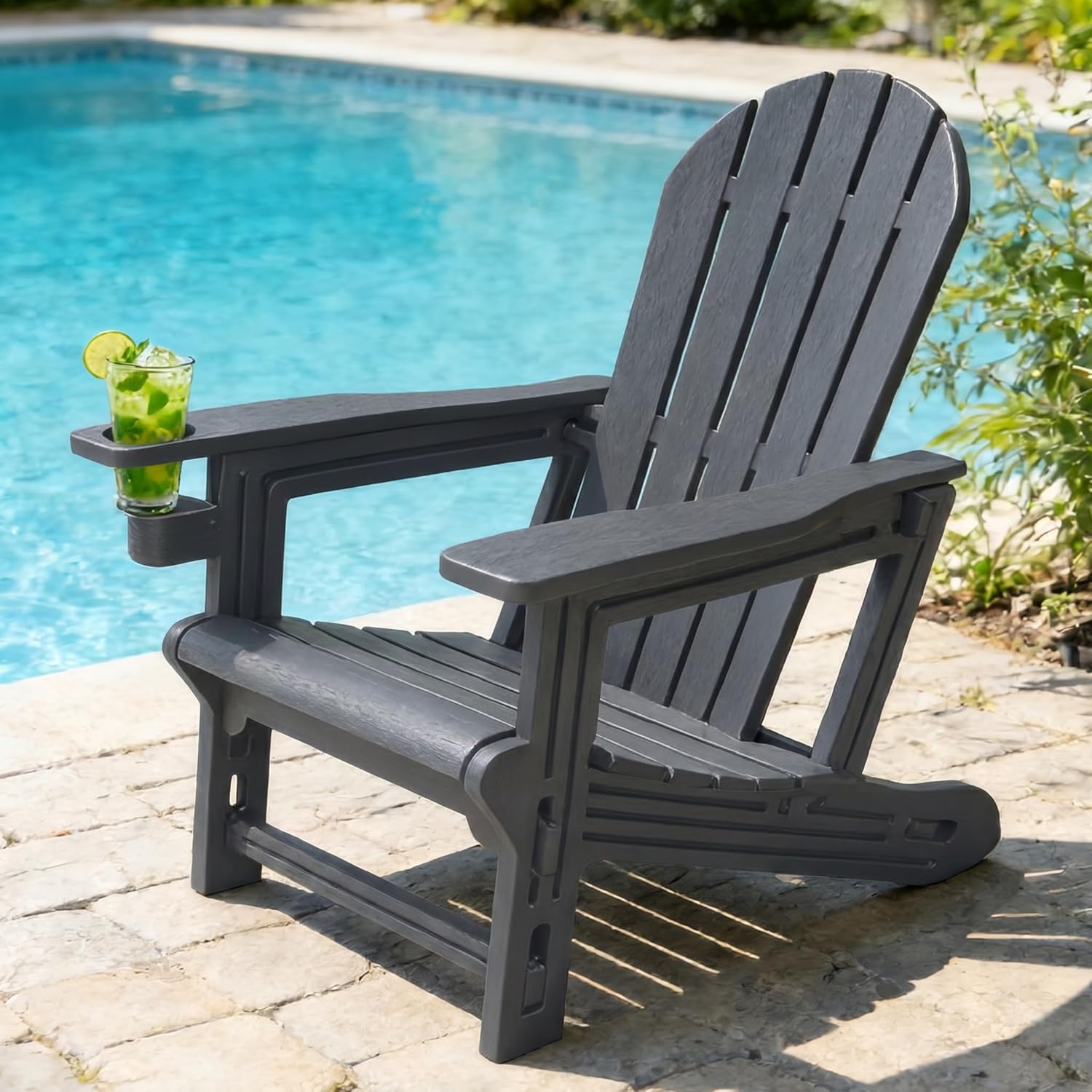
HDPE All-Weather Adirondack Chair with Built-In Cup Holder - Tool-Free Assembly (Grey)
$69.99 $139.99
60% OFF

HOMETUK Clear Plastic Storage Bins with Dividers - 3-Pack Stackable Acrylic Organizer Containers for Fridge and Pantry
$19.99 $49.99
58% OFF
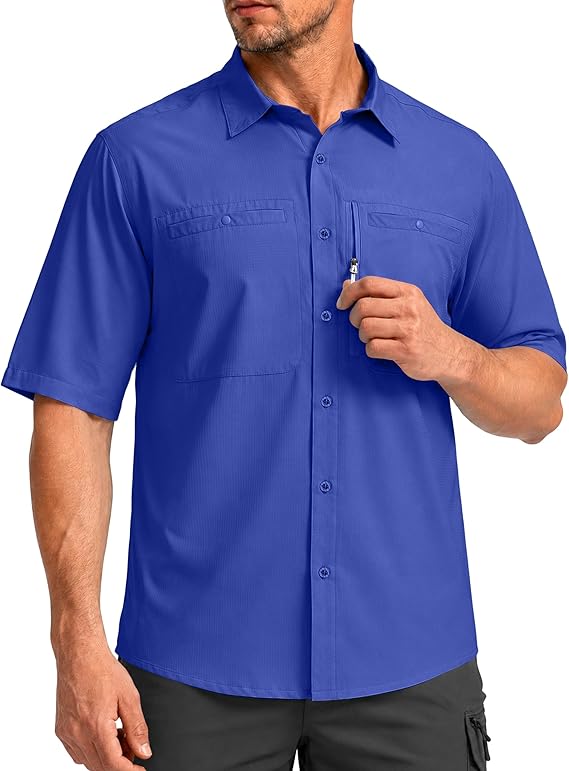
G Gradual Men's Fishing Shirt - UPF 50+ Lightweight Short Sleeve Button Down with Zipper Pockets
$14.99 $35.99
55% OFF
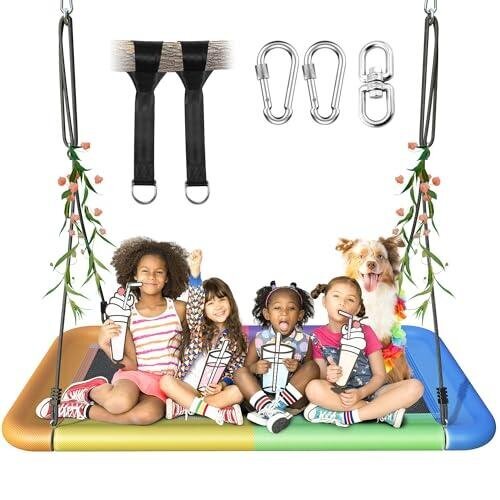
Everyfun 60" Rectangular Platform Tree Swing - 700lbs Heavy Duty Adjustable Outdoor Swing (Colorful)
$49.99 $110.99
61% OFF
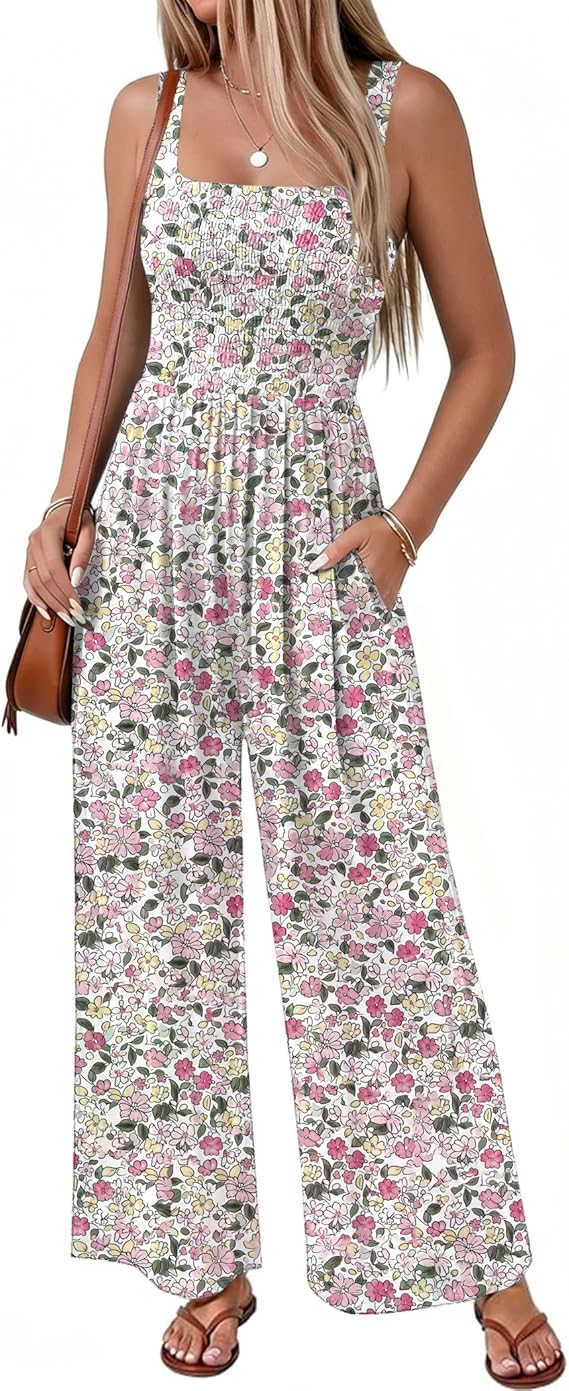
Ekouaer Women's Casual Loose Jumpsuit - One-Piece Printed Sleeveless Wide Leg Romper with Pockets
$14.99 $37.99
40% OFF
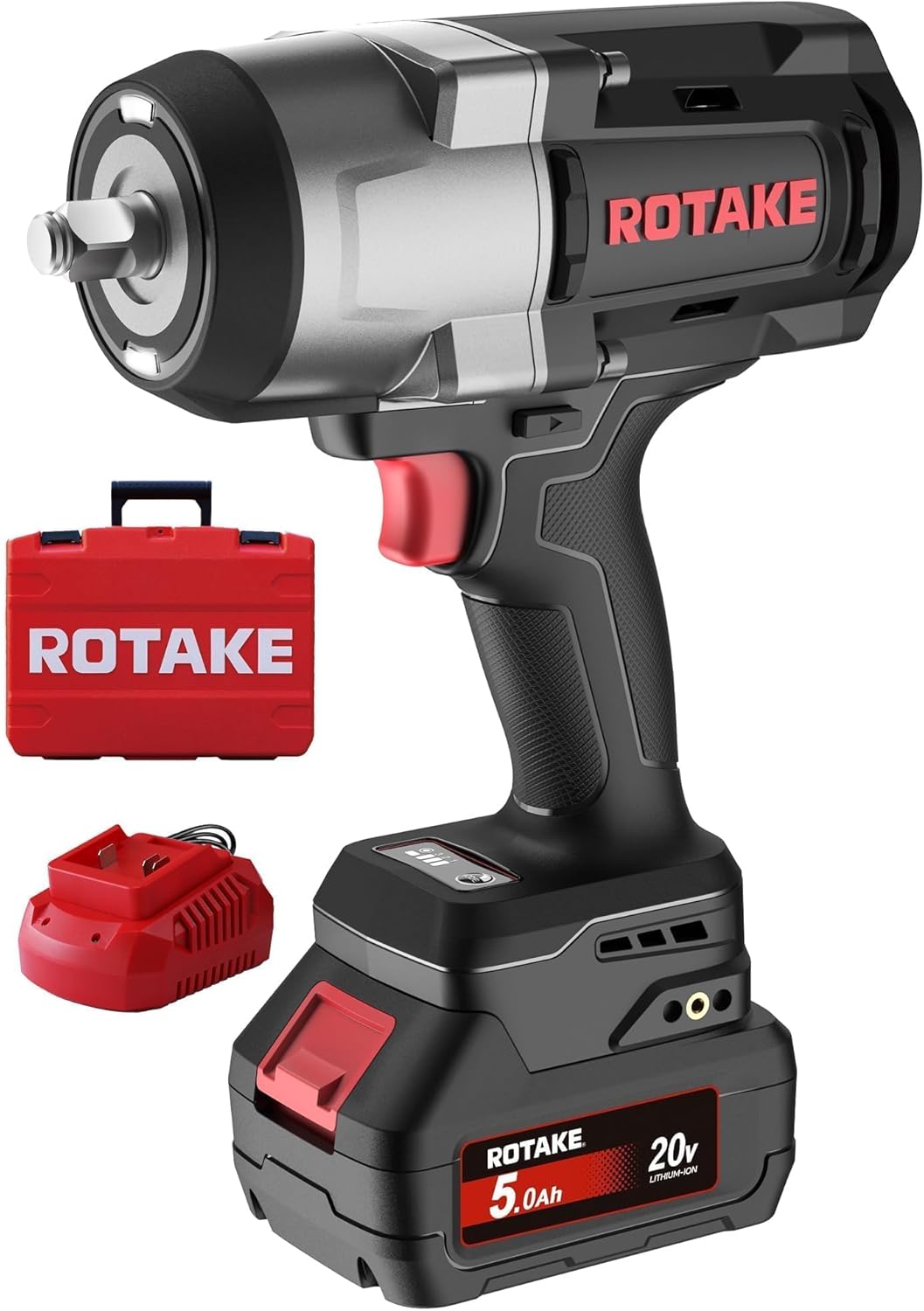
ROTAKE TB3 20V Heavy Duty 1/2" Cordless Impact Wrench Kit - 1380 Ft-Lbs Torque
$132 $219.99
36% OFF
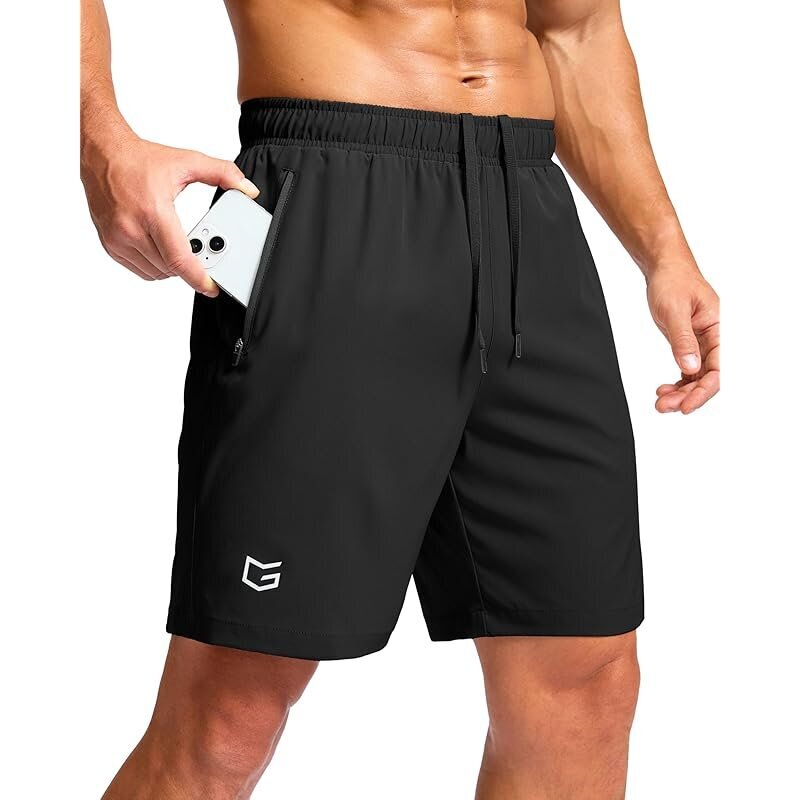
Men's Athletic Running Shorts with Zipper Pockets - Lightweight & Quick Dry
$12.74 $19.99
61% OFF
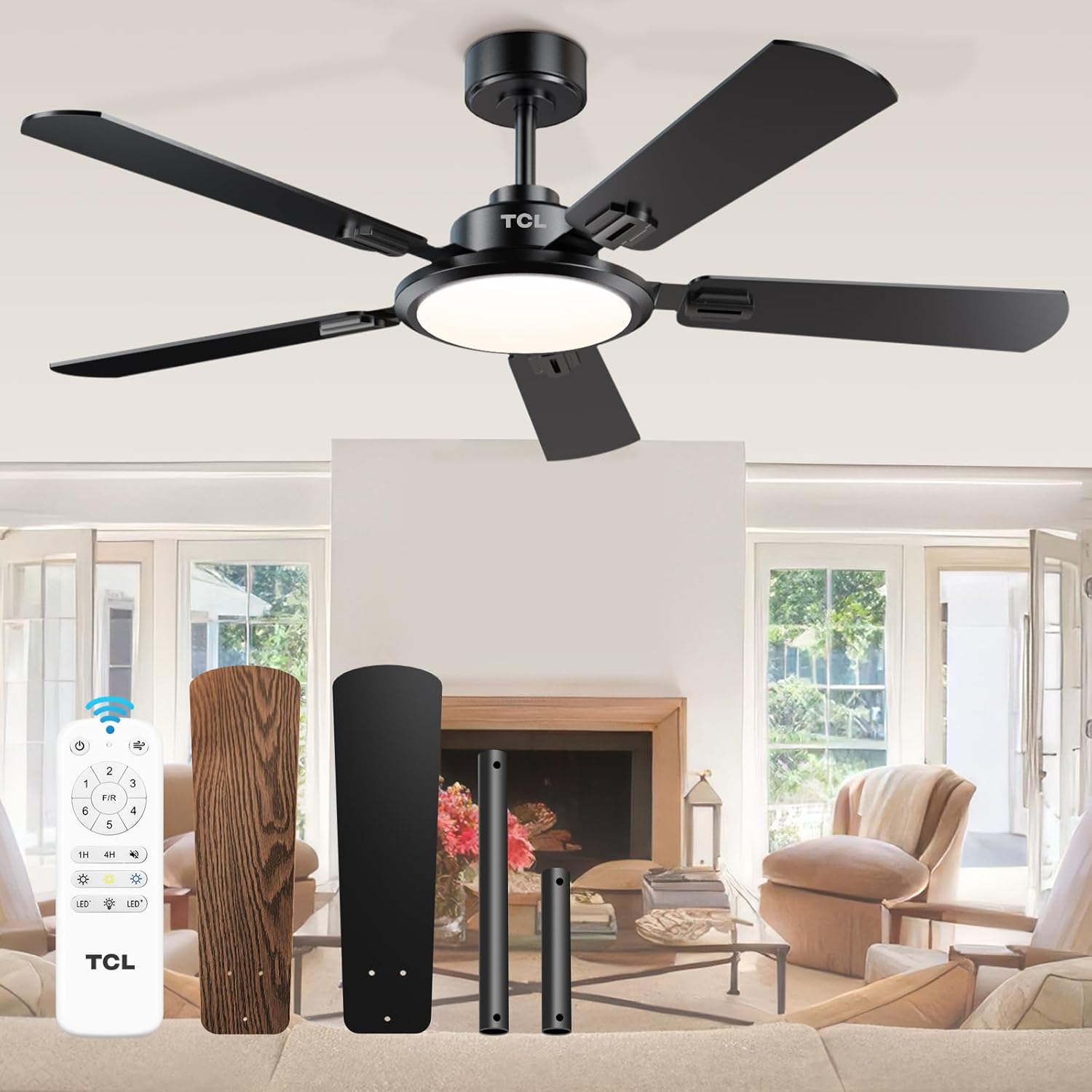
Modern Ceiling Fan with Light and Remote - Reversible Quiet DC Motor
$69.3 $179.99
50% OFF

MOOKA H13 True HEPA Air Purifier for Home Large Room - 1076 sq ft Odor Eliminator
$39.97 $79.95
60% OFF

Ekouaer Women's Satin Silky Pajama Set - Short Sleeve Pullover Top & Wide-Leg Pants
$13.99 $34.99
55% OFF

Ekouaer 3-Piece Maternity & Nursing Pajamas Set - Short Sleeve Top with Shorts and Pants
$14.99 $32.99
11% OFF

VitaUp Beet Root Gummies with CoQ10 & Grape Seed - Nitric Oxide Circulation Support (60 Count)
$24.91 $27.91
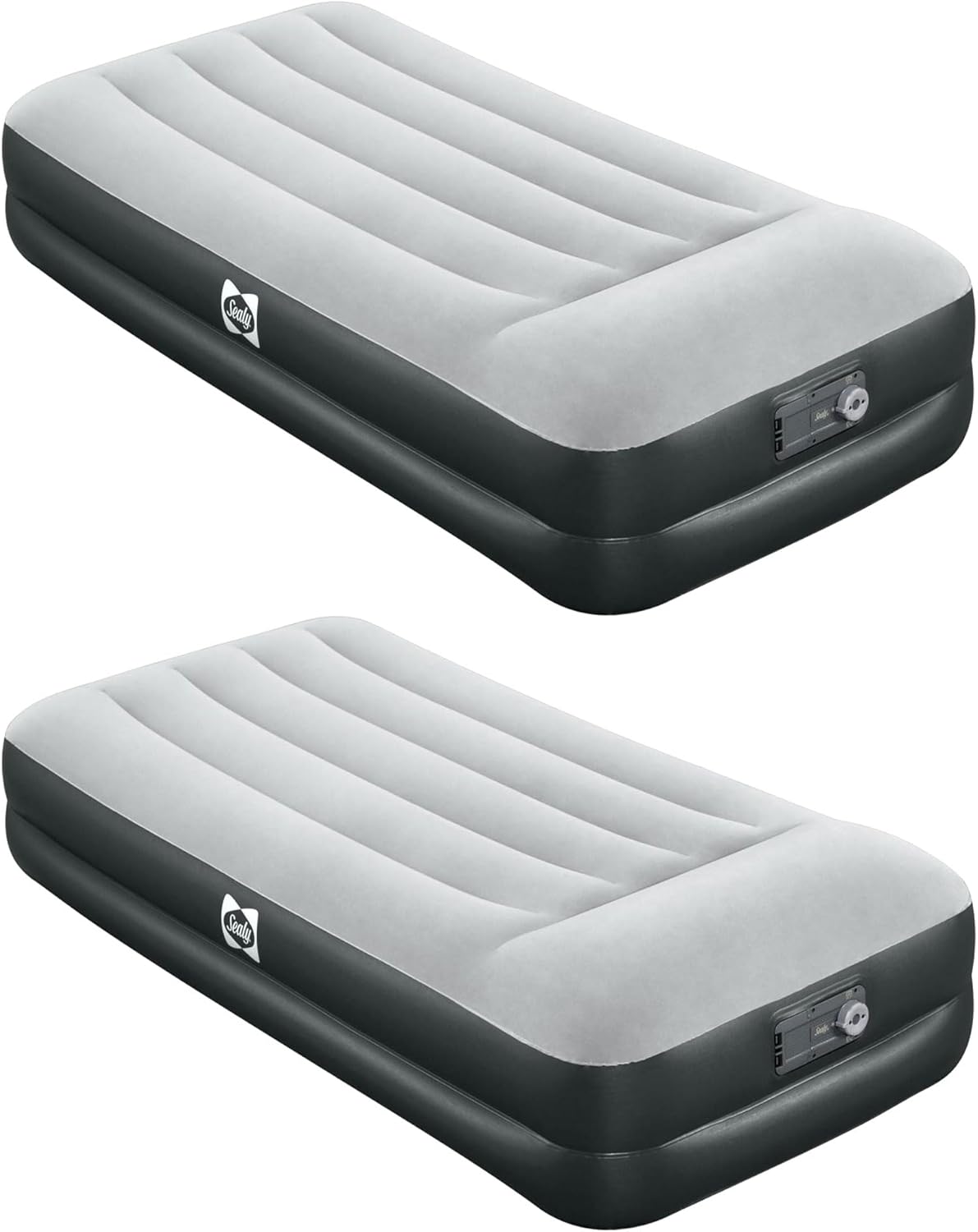
Sealy 2-Pack Tritech 16" Twin Inflatable Air Mattress with Built-in AC Pump
$0 $113.99
20% OFF
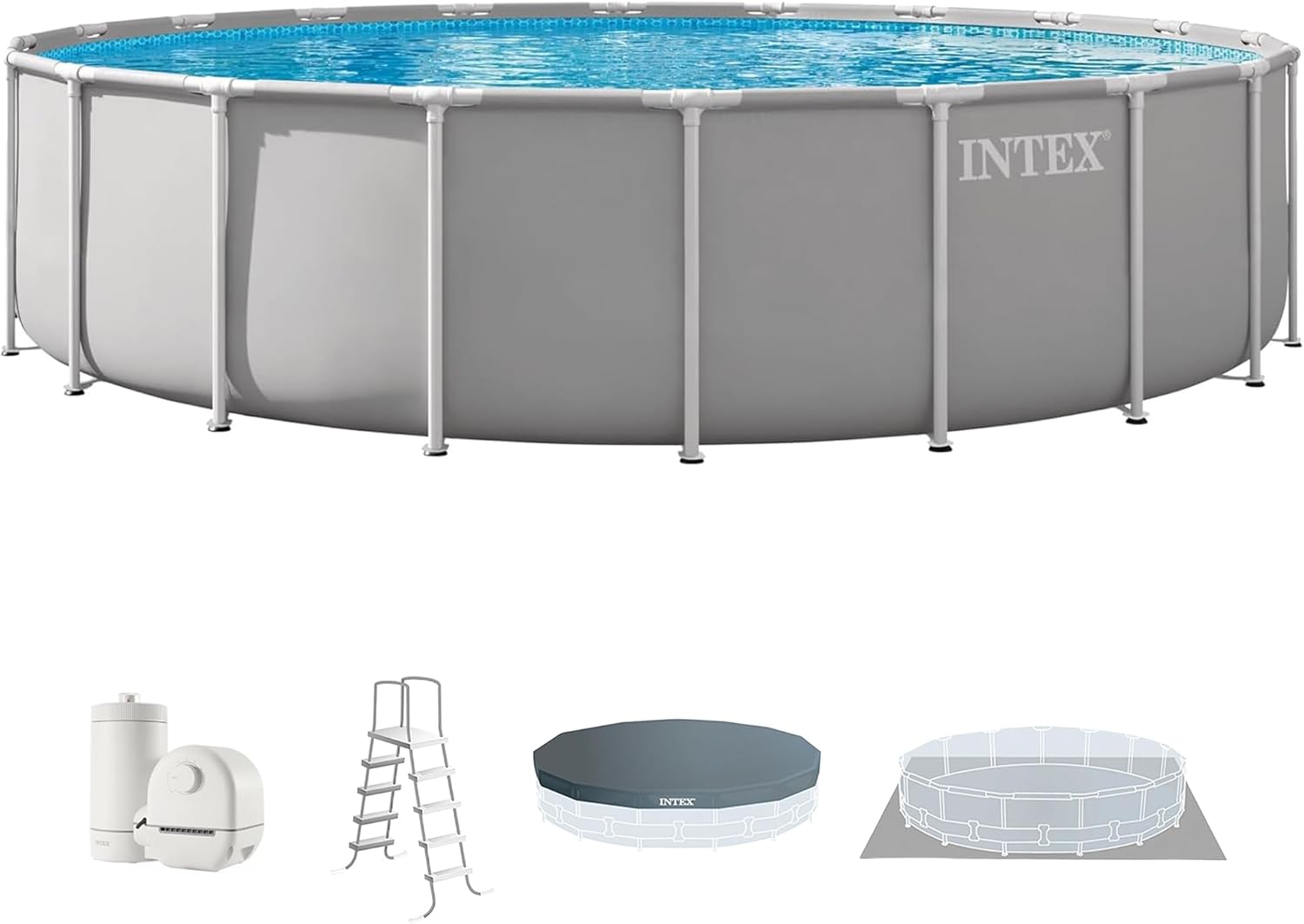
INTEX Prism Frame 20ft x 52in Above Ground Pool Set - Round Steel Frame Swimming Pool
$695.99 $869.99

Gardner Pet 43" Heavy Duty Dog Crate with Wheels - Indestructible Folding Metal Cage (Black)
$0 $149.99
12% OFF

Elegant Mid-Century Modern Bar Stools - Set of 4
$395.99 $449.99
23% OFF

Ergonomic Office Chair - Big and Tall Desk Chair with Adjustable Lumbar Support
$279.99 $363.99
26% OFF

Magnelex American Flag Windshield Sun Shade - High-Resolution UV Reflective Heat Shield (X-Large)
$19.9 $26.9




-

Historic Lancashire church secures £250,000 National Lottery grant for major roof repairs
-

Sunderland Minster PCC was right to push back over trans toilet sign
-

Report warns religious freedom protections in Mexico exist largely ‘on paper’
-

Bethel Church distances itself from Todd Bentley and Mike Bickle
-

Christian police officer reaches settlement over diversity training discrimination claim
-

Turkey's hidden Christian past: Extraordinary discoveries are rewriting the story of early Christianity
Most Popular
News
Pride and the Gospel: the way of self or the way of Christ?
As Christians, our understanding of pride is shaped not primarily by culture, but by Scripture.
Campaign urging greater support for Christian education
Unite for Education founder, Niel Deepnarain, said Christians must be willing to engage publicly with educational issues rather than remain silent.
Welsh reverend speaks of culture of fear over LGBT issues
Many people have already left the Church in Wales over its stance on same-sex relationships, an evangelical leader has said.
Reddit users declare small Welsh church best place in the world
Users voted to eliminate one half of a map until only one location remained.
NEWFAST NF-RE523 AC1200 WiFi Extender - 1200Mbps Dual Band Signal Booster & Internet Repeater
$18.5
G Gradual Men's 7-inch Workout Running Shorts - Lightweight, Quick-Dry, Comfort
$12.91
HDPE All-Weather Adirondack Chair with Built-In Cup Holder - Tool-Free Assembly (Grey)
$69.99
HOMETUK Clear Plastic Storage Bins with Dividers - 3-Pack Stackable Acrylic Organizer Containers for Fridge and Pantry
$19.99
G Gradual Men's Fishing Shirt - UPF 50+ Lightweight Short Sleeve Button Down with Zipper Pockets
$14.99
Everyfun 60" Rectangular Platform Tree Swing - 700lbs Heavy Duty Adjustable Outdoor Swing (Colorful)
$49.99
Ekouaer Women's Casual Loose Jumpsuit - One-Piece Printed Sleeveless Wide Leg Romper with Pockets
$14.99
ROTAKE TB3 20V Heavy Duty 1/2" Cordless Impact Wrench Kit - 1380 Ft-Lbs Torque
$132
Men's Athletic Running Shorts with Zipper Pockets - Lightweight & Quick Dry
$12.74
Modern Ceiling Fan with Light and Remote - Reversible Quiet DC Motor
$69.3
MOOKA H13 True HEPA Air Purifier for Home Large Room - 1076 sq ft Odor Eliminator
$39.97
Ekouaer Women's Satin Silky Pajama Set - Short Sleeve Pullover Top & Wide-Leg Pants
$13.99
Ekouaer 3-Piece Maternity & Nursing Pajamas Set - Short Sleeve Top with Shorts and Pants
$14.99
VitaUp Beet Root Gummies with CoQ10 & Grape Seed - Nitric Oxide Circulation Support (60 Count)
$24.91
Sealy 2-Pack Tritech 16" Twin Inflatable Air Mattress with Built-in AC Pump
$0
INTEX Prism Frame 20ft x 52in Above Ground Pool Set - Round Steel Frame Swimming Pool
$695.99
Gardner Pet 43" Heavy Duty Dog Crate with Wheels - Indestructible Folding Metal Cage (Black)
$0
Elegant Mid-Century Modern Bar Stools - Set of 4
$395.99
Ergonomic Office Chair - Big and Tall Desk Chair with Adjustable Lumbar Support
$279.99
Magnelex American Flag Windshield Sun Shade - High-Resolution UV Reflective Heat Shield (X-Large)
$19.9