
Compass Direct News (CDN) is reporting that sentiment against Christians in Turkey has persisted long enough for a US religious rights monitor to recommend it as a "Country of Particular Concern", and pastor Orhan Picaklar knows such anti-Christian hostility first-hand.
Picaklar, of Agape Church in Samsun, lives in the Black Sea region, a bastion of Turkey's unique Islamic-imbued nationalism.
"We have been here for 10 years, and people here still treat us like cursed enemies," Picaklar said. Picaklar's son received death threats on Facebook last September, and a man in his early 20s caused minor damage to Picaklar's church building last month.
CDN said that the US Commission on International Religious Freedom (USCIRF) last month recommended that Turkey be designated as a "Country of Particular Concern", among Iran, Saudi Arabia and Sudan, for religious freedom violations.
The report cited the government for "systematic and egregious limitations" on religious freedom, stating that Turkey, "in the name of secularism, has long imposed burdensome regulations and denied full legal status to religious groups, violating the religious freedom rights of all religious communities."
CDN added that restrictions that deny non-Muslim communities the rights to train clergy, offer religious education and own and maintain places of worship have led to their decline and in some cases their disappearance, the report stated.
Religious restrictions in Turkey have not increased in the last year, but the report stated that continued legal discrimination against non-Muslim groups was a dangerous trend. Turkish officials called USCIRF's recommendation to the US Department of State "null and void".
Five years after the murder of Turkish Christians Necati Aydin, Ugur Yuksel and German Christian Tilmann Geske in Malatya, no verdict has been issued due to Turkey's slow judiciary. This has not helped Turkey's religious rights image.
The Malatya Third Criminal Court is making some progress in shedding light on a shadowy group that was allegedly behind the murders, experts said, but the process has been painfully slow.
A new indictment due last month against the alleged "masterminds" of the murders is still not ready, prosecution lawyers said, setting back hopes for progress at hearings this week.
"Nothing is going to happen," plaintiff lawyer Erdal Dogan said.
"We are still waiting for the new indictment."
The court decided to re-convene on June 18.
"The April 2007 murders are believed to be part of a conspiracy to overthrow the current pro-Islamic government," added CDN. "Prosecuting lawyers and members of the local Protestant community still hope that the new indictment due ahead of the June 18 hearing will be a step forward in bringing the perpetrators to justice."
"I believe the indictment will uncover many details we are not aware of," Umut Sahin, coordinator of the Legal Committee of the Association of Turkish Protestant Churches (TEK), told Compass. "I think it might surprise us."
Sahin said that he believed the delay of the new indictment was due to its complexity and length and not any unwillingness to advance the case.
CDN went on to say that since 2008 there have not been similar bloody attacks against Protestants, but according to TEK, 2011 saw a spike in hate crimes against the association's 4,500 members.
Commenting on the slow proceedings of the Malatya trial, researcher Yildirim of the ABO Academy said that the judiciary and Turkish "problems of rule and law" were partially to blame, but that the forthcoming new indictment would be a positive step.
"For Malatya, if you put aside the slowness, now finally a new indictment is being prepared to find the instigators," she said. "So this is a positive effect. It's not what we expect from justice, but even though it is slow, this is a positive outcome of the trial."
54% OFF
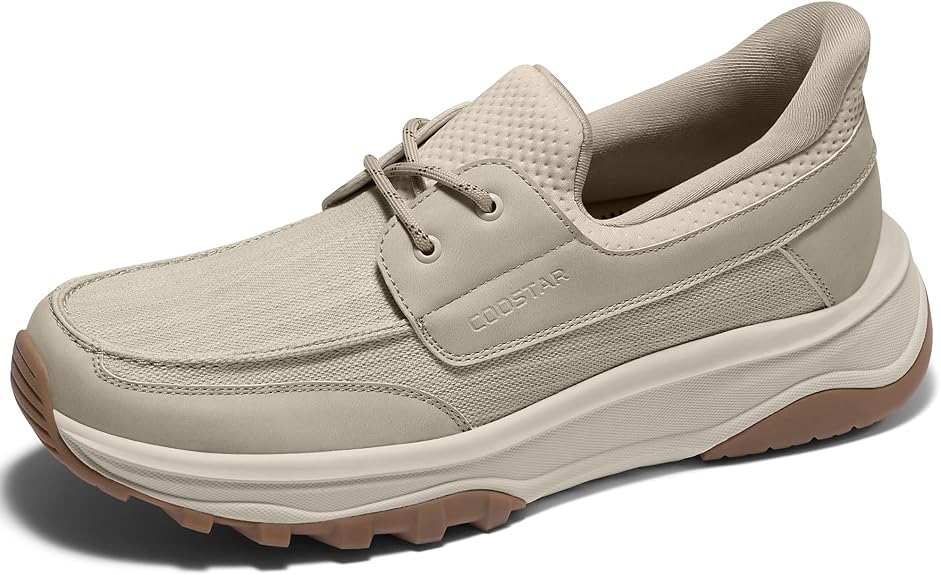
Coostar Men's Orthopedic Slip On Loafers – Hands-Free Casual Walking Shoes with Arch Support, Non-Slip Sole, Breathable Canvas Upper
$21.99 $47.99
60% OFF
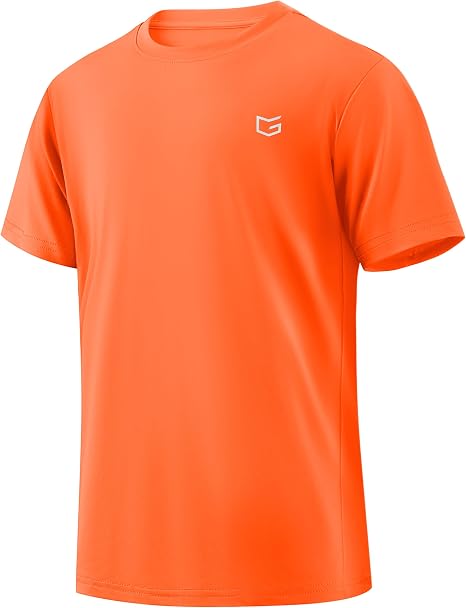
G Gradual Boys Athletic Rash Guard Shirt – UPF 50+ Dry Fit Swim & Sports T-Shirt, Short Sleeve Crew Neck for Soccer, Baseball, Basketball & Undershirt
$7.92 $19.99
41% OFF

Mobile Rolling Clothing Rack with Wheels - Perfect for Home and Office
$20.79 $34.99
30% OFF
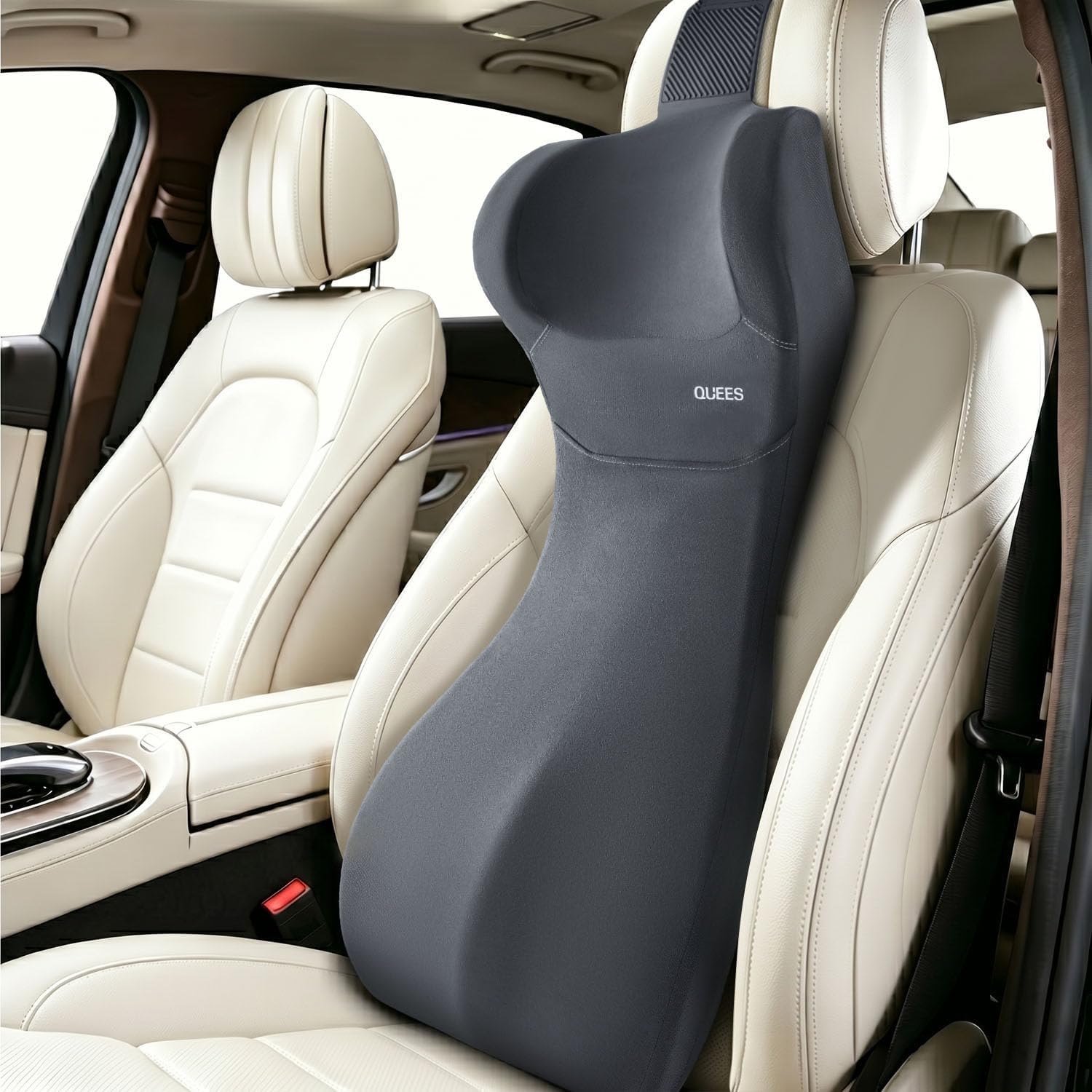
Lumbar Support Pillow for Car with Headrest – Memory Foam Full-Length S-Curve Back & Neck Cushion for Long Drives, Fits Cars, SUVs & Trucks
$32.89 $46.99
46% OFF
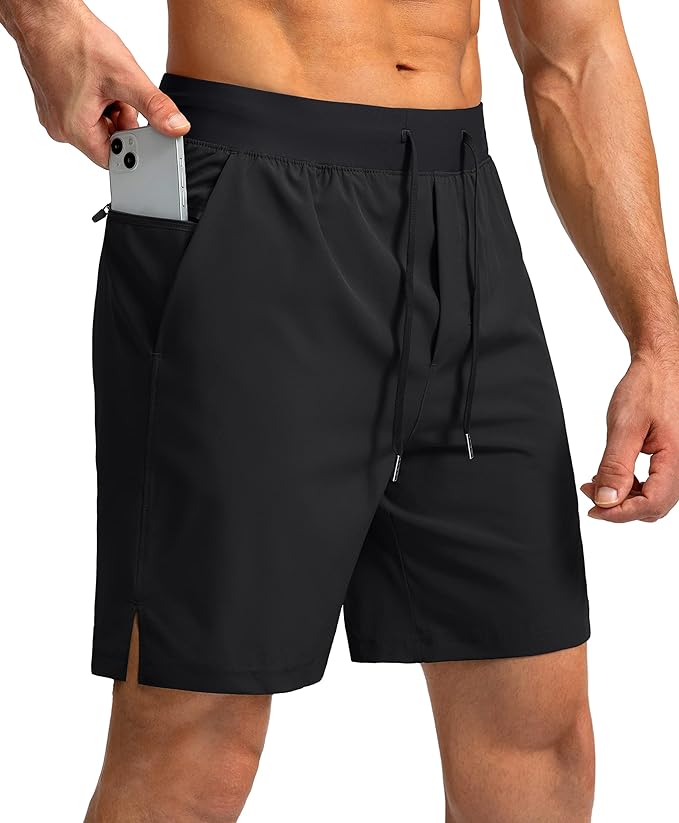
Soothfeel Men's Running Shorts with Zipper Pockets – Quick Dry Athletic Shorts in 9", 7" & 5" Inseams for Basketball, Gym & Workout
$12.91 $23.99
40% OFF
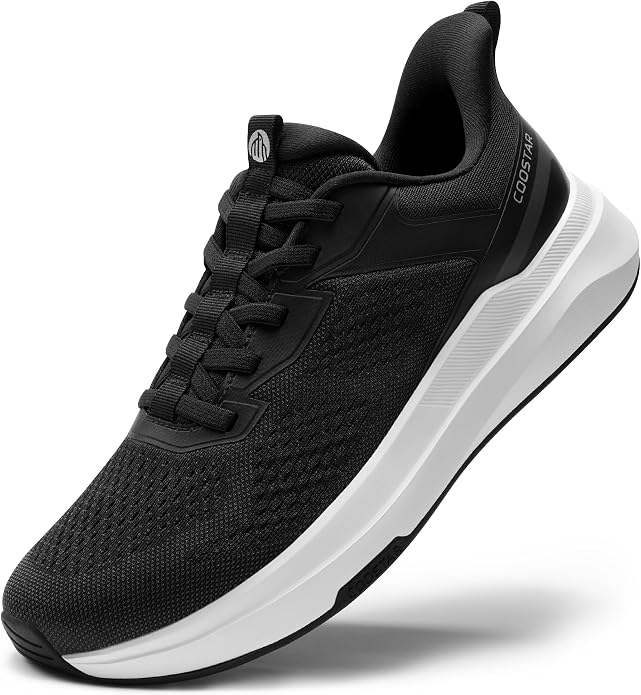
Men's Slip On Walking Shoes – Hands-Free Casual Sneakers with Arch Support, Wide Stable Base, Breathable Knit Upper, Non-Slip Traction
$29.99 $49.99
52% OFF
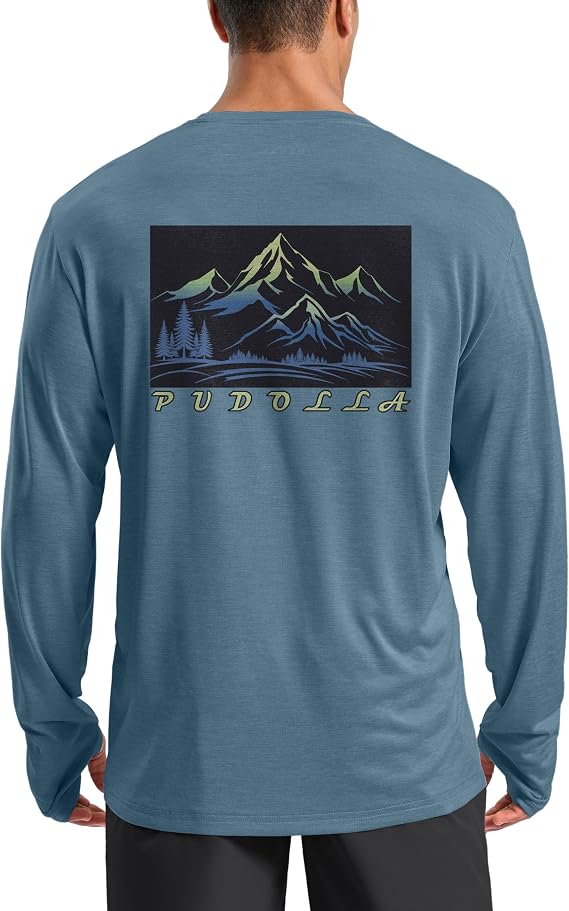
Pudolla Men's UPF 50+ Sun Shirt – Long Sleeve Quick Dry Hiking & Running Shirt with Thumb Holes, Lightweight Moisture-Wicking Rash Guard Base Layer
$11.99 $24.99
35% OFF
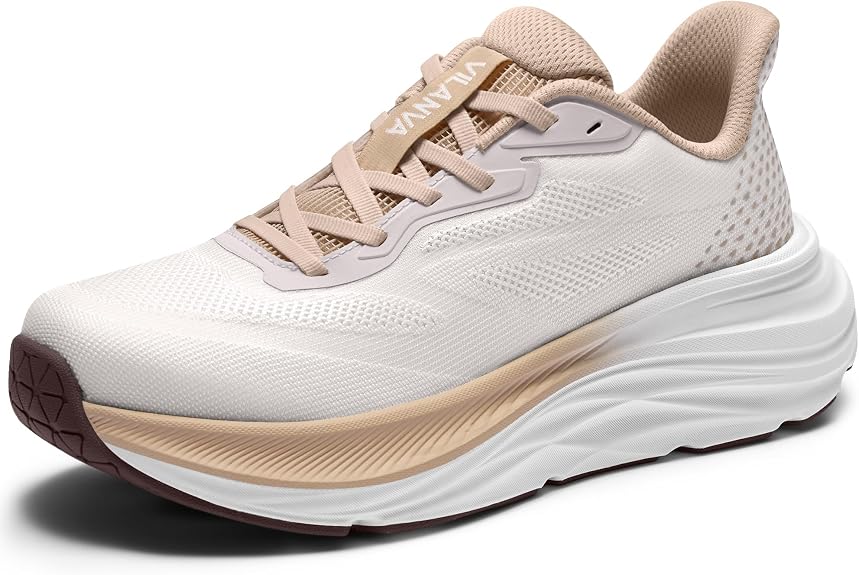
Vilanva Women's Walking Shoes – Cushioned Lightweight Running Sneakers with Slip-Resistant Sole, Breathable Woven Upper for Everyday Wear & Workouts
$35.09 $53.99
24% OFF
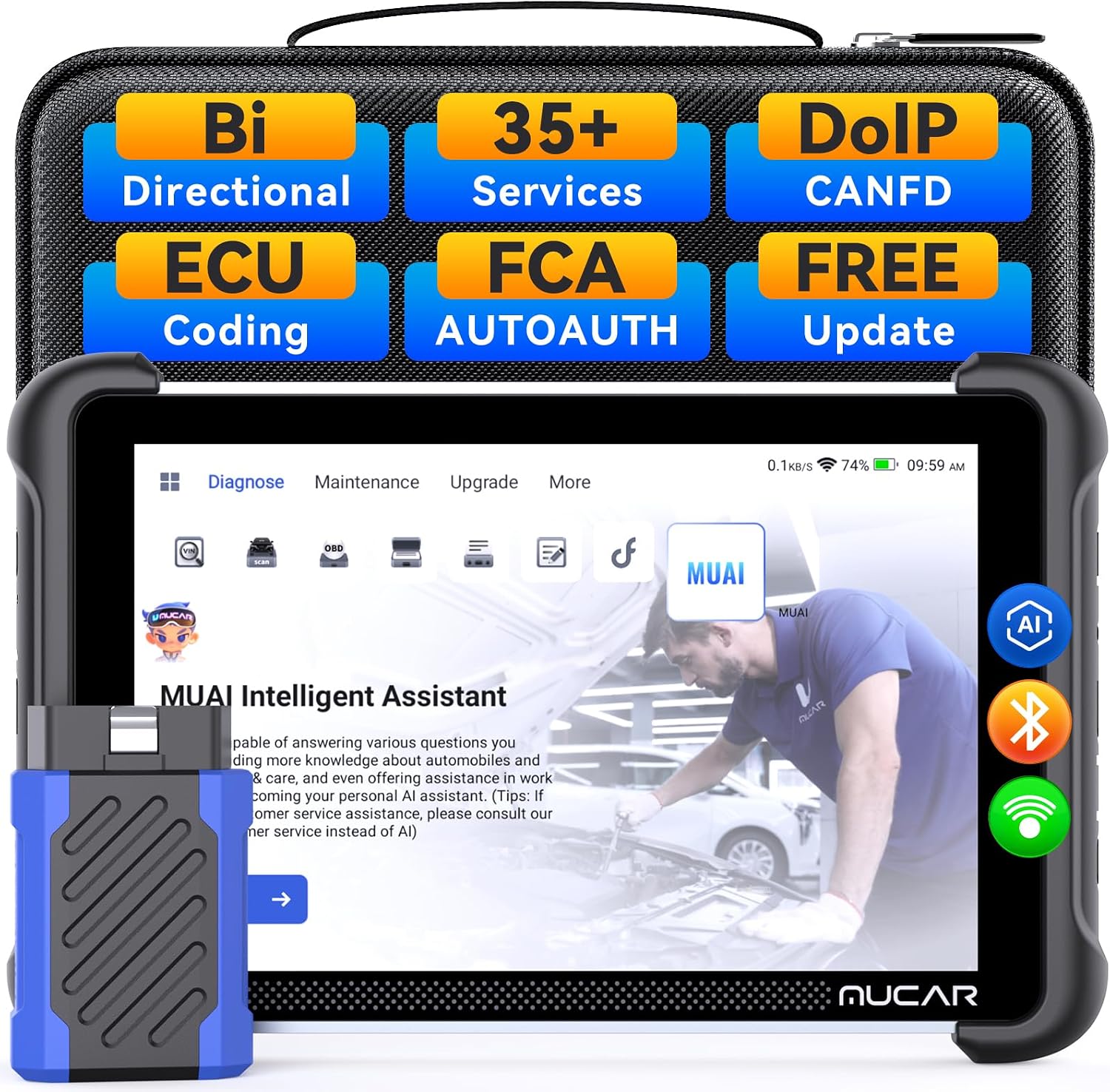
MUCAR 892BT AI-Assisted Bidirectional OBD2 Scan Tool with ECU Coding (8" Touchscreen)
$479 $629.99
67% OFF

Rocoren 12-Pack Magnetic Cable Clips – 360° Rotating Cord Organizer with No-Residue Adhesive, Cord Holder for Desk, Nightstand, Wall, Car & Office, White
$6.5 $19.99
60% OFF
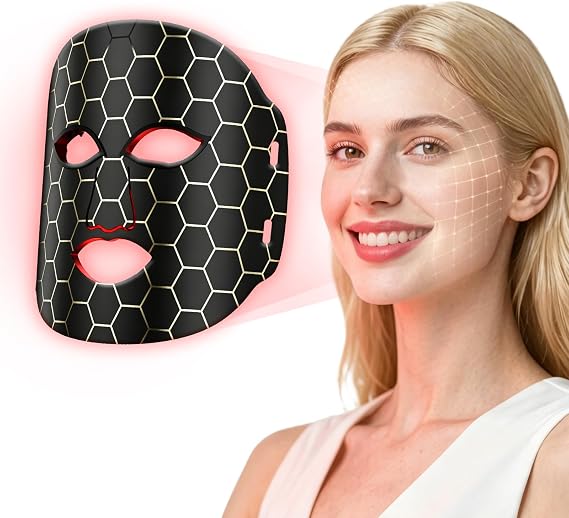
Red Light Therapy Mask for Face – 7-Color LED Silicone Facial Mask, Cordless Rechargeable Skincare Device with 240 LEDs for Home & Travel
$39.99 $99.99
77% OFF
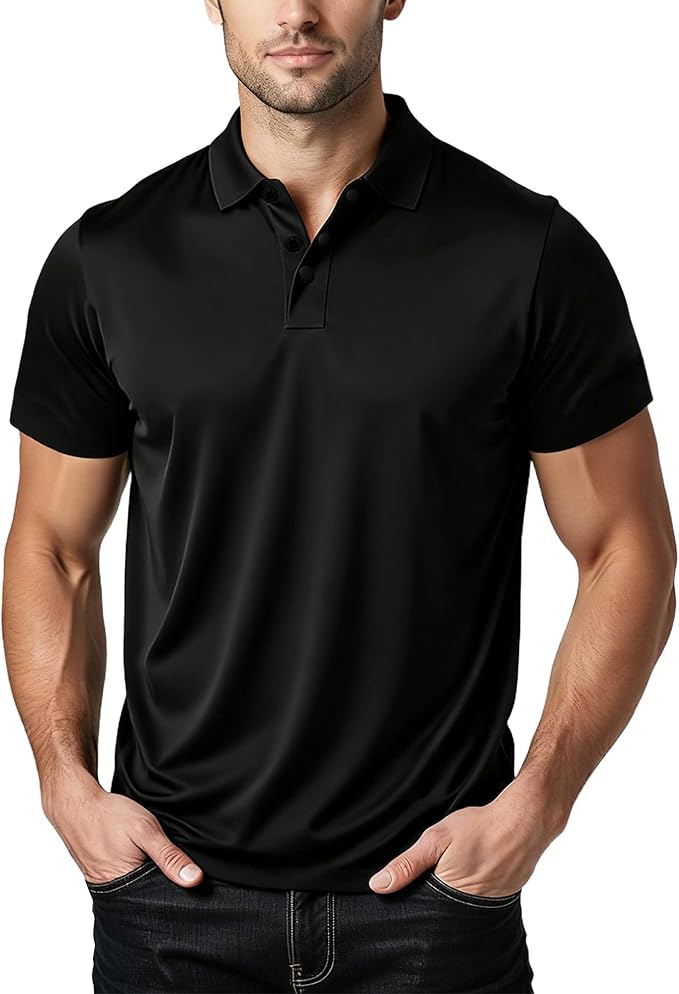
Men's Slim Fit Polo Shirt – Quick Dry Moisture Wicking, High Elasticity, Athletic Fit Polo for Golf, Tennis, Work & Casual Wear (Runs Small, Size Up)
$6.99 $29.99
28% OFF
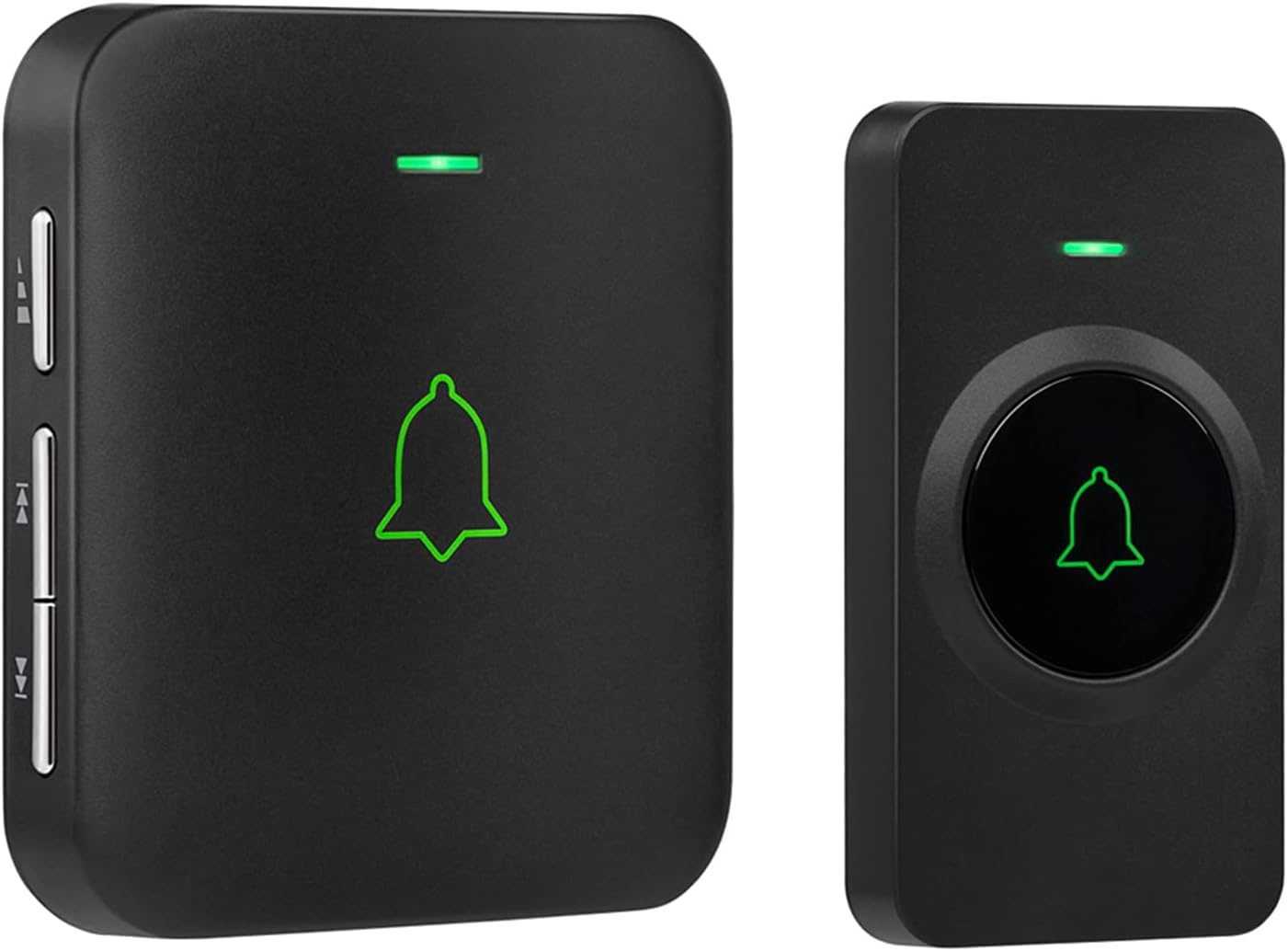
AVANTEK Wireless Doorbell CB-11 – 1000 ft Range, 1 Button + 1 Plug-In Receiver, 115 dB Volume, LED Flash, 52 Chimes, Waterproof, 3-Year Battery
$12.91 $17.99
50% OFF
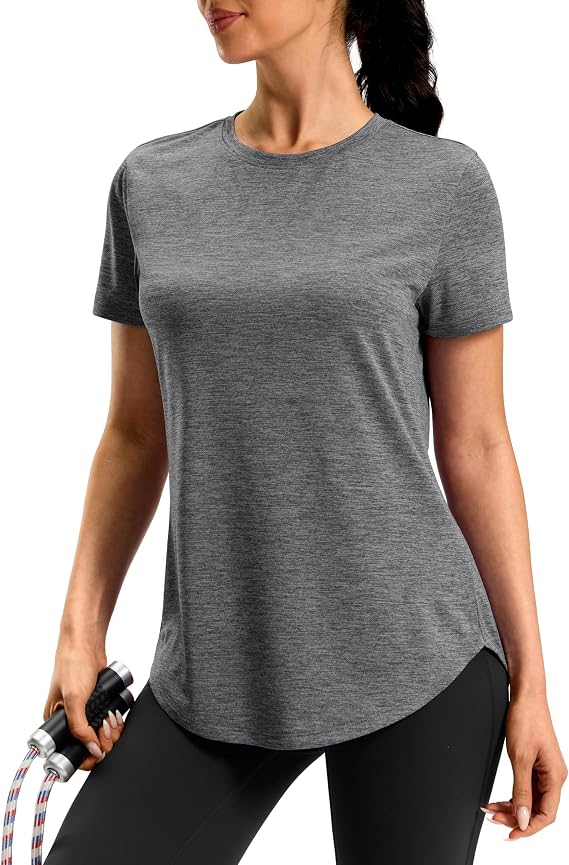
Women's Workout Shirts – Bum-Covering Length Short Sleeve Dry Fit Tops, Lightweight & Breathable for Athletic, Hiking, Running & Summer Wear
$6.99 $13.99
50% OFF
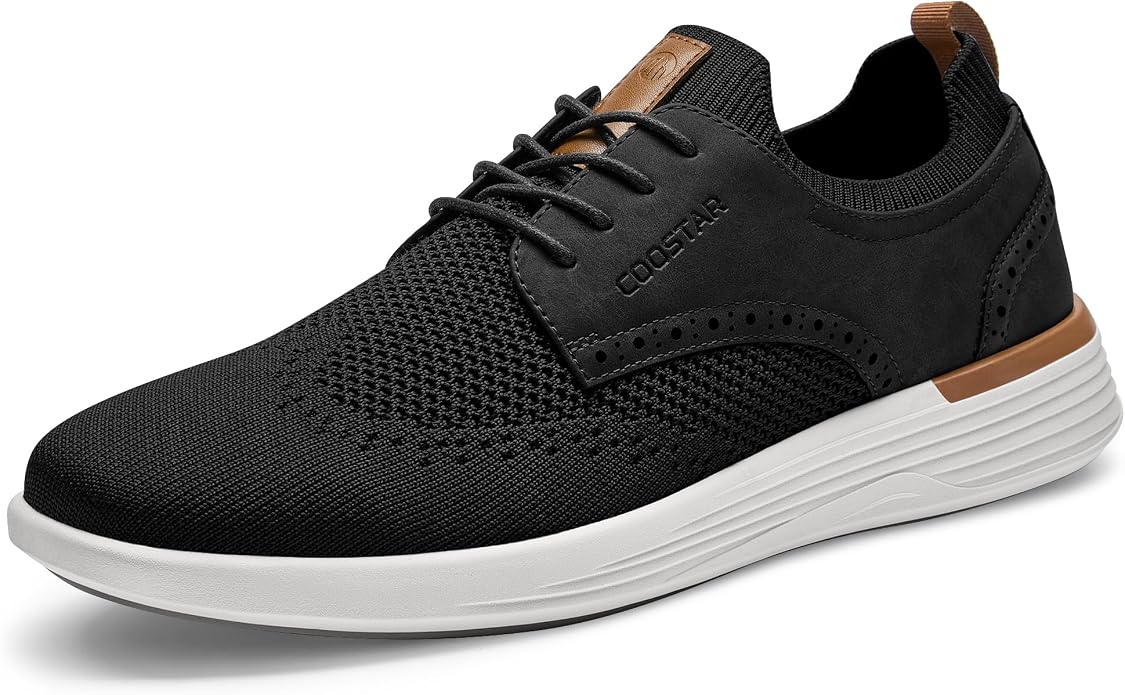
Coostar Men's Casual Dress Sneakers – Lightweight Wingtip Oxford Style with Breathable Knit Upper, Rubber Sole & Slip-On Elastic Collar, Business & Walking Shoe
$22.49 $44.99
45% OFF
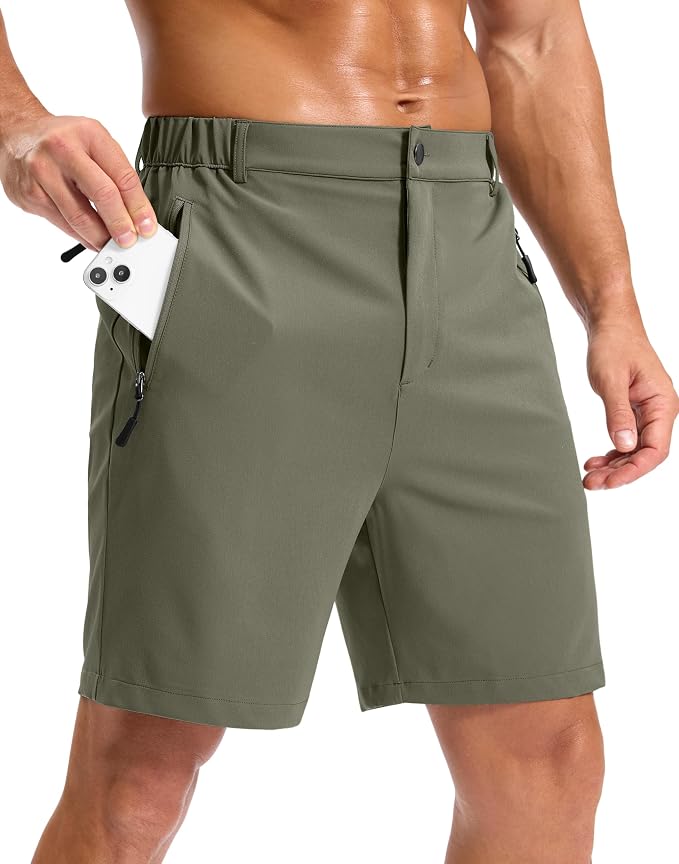
Pudolla Men's Quick Dry Hiking and Golf Shorts with 3 Zipper Pockets
$14.84 $26.99
50% OFF

Venture Pal Ceremonial Grade Matcha Green Tea Powder – First Harvest, Shade Grown, 100% Pure with No Additives, Unsweetened, Vegan & Gluten-Free, 30g Tin
$7.5 $14.99
40% OFF
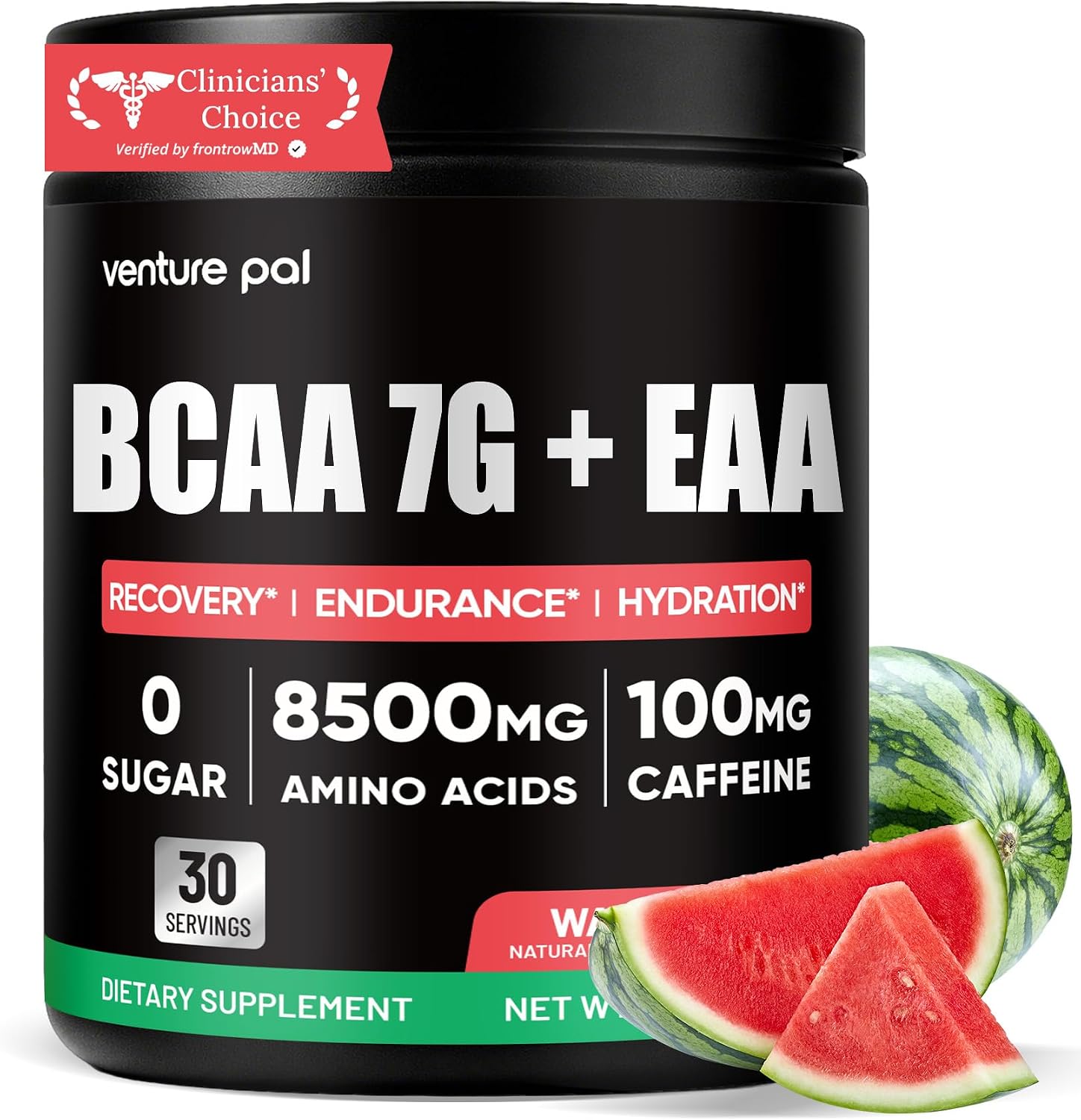
Venture Pal Sugar Free 7g BCAA + EAA Powder – 9 Essential Amino Acids with L-Glutamine, Caffeine, Electrolytes & Vitamins for Muscle Recovery, Growth & Hydration
$14.99 $24.99
30% OFF
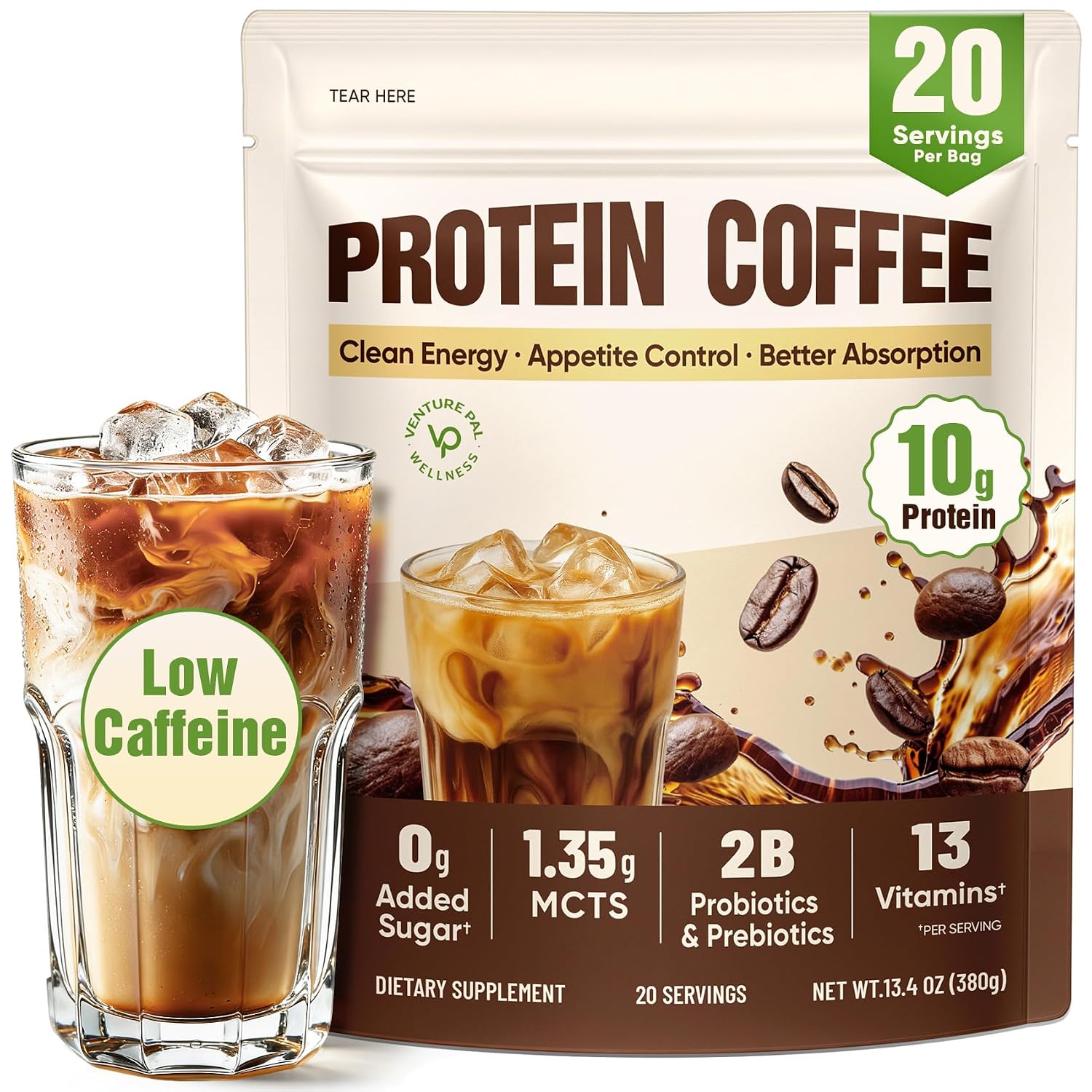
Venture Pal Sugar Free Protein Coffee – Cold Brew Mocha Instant Iced Coffee with MCT Oil, Probiotics, Fiber & 13 Vitamins, 70mg Caffeine, Keto & Gluten-Free, 20 Servings
$13.29 $18.99
20% OFF
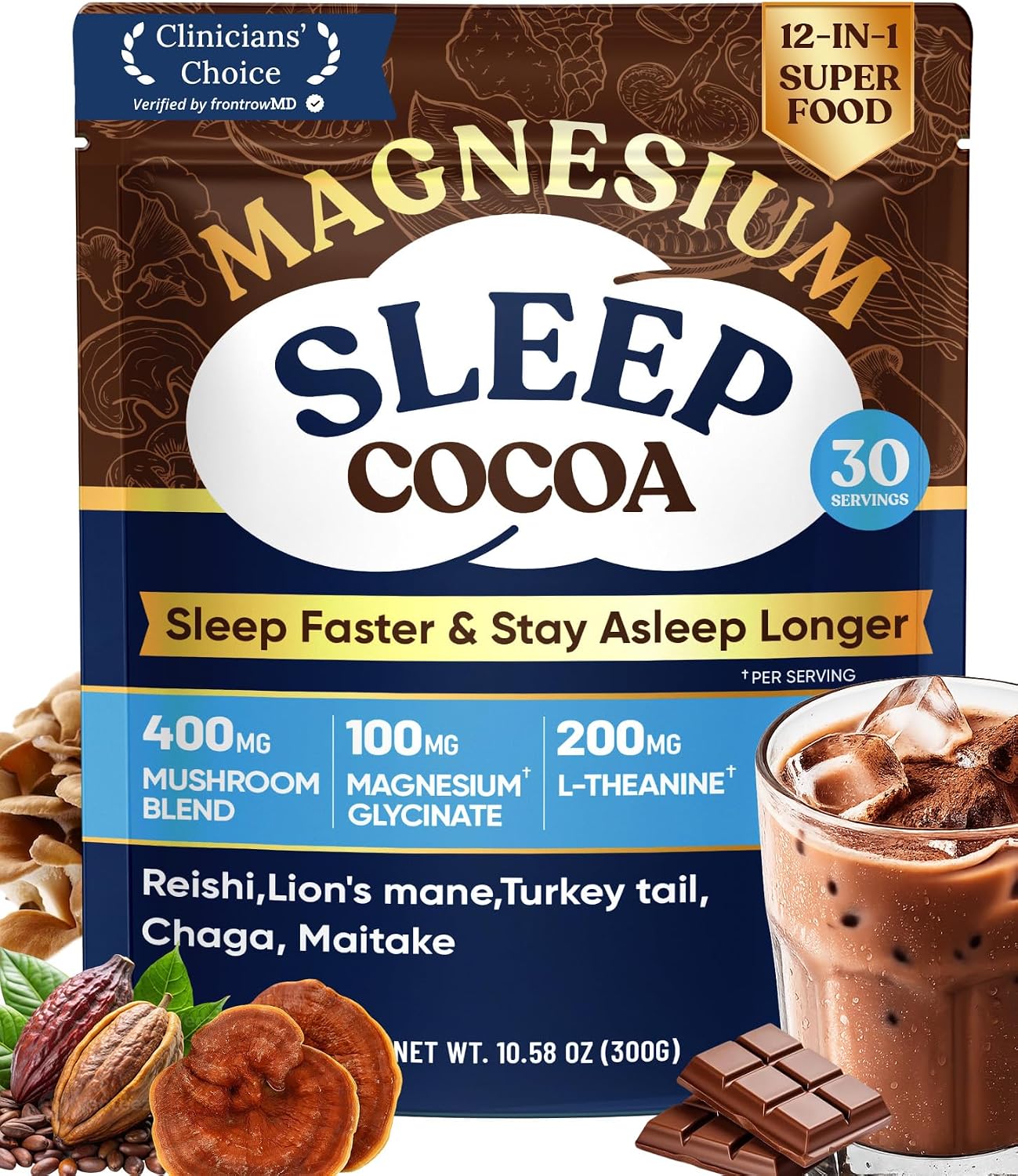
Venture Pal Mushroom Hot Cocoa – Natural Sleep Aid with 12 Superfoods, Melatonin 3mg, Magnesium Glycinate, L-Theanine, Glycine, Lion's Mane, Reishi & Turkey Tail, Bedtime Cocoa Mix, 30 Servings
$23.99 $29.99




-

Learning from the Jason Arday tragedy
-

What Päivi Räsänen’s exclusion says about Christian free speech in Britain
-

Rowan Williams criticised over claim Farage is using Christianity to fuel anti-Muslim feeling
-

The 'very survival of Christianity' is at risk in Syria
-

Päivi Räsänen calls on Shabana Mahmood to let her enter the UK
-

Shortage of religious studies teachers 'worsening' despite rising demand
Most Popular
News

Former Bishop of Durham admits misconduct in handling of John Smyth allegations
The former Bishop of Durham, Paul Butler, has admitted to allegations of misconduct in connection to the handling of abuse claims against the late John Smyth.

David Campanale seeks almost £790,000 in compensation from Lib Dems
The Liberal Democrats have previously admitted to unlawful religious discrimination.

Young people still see marriage as ‘ultimate sign of commitment’
Young adults remain strongly attracted to marriage despite falling marriage rates and the widespread acceptance of cohabitation.

Anna Faris says son has asked her to become a Christian
The Scary Movie star suggested she was open to becoming a Christian "but it’s going to take a whole lot of long conversations".
Coostar Men's Orthopedic Slip On Loafers – Hands-Free Casual Walking Shoes with Arch Support, Non-Slip Sole, Breathable Canvas Upper
$21.99
G Gradual Boys Athletic Rash Guard Shirt – UPF 50+ Dry Fit Swim & Sports T-Shirt, Short Sleeve Crew Neck for Soccer, Baseball, Basketball & Undershirt
$7.92
Mobile Rolling Clothing Rack with Wheels - Perfect for Home and Office
$20.79
Lumbar Support Pillow for Car with Headrest – Memory Foam Full-Length S-Curve Back & Neck Cushion for Long Drives, Fits Cars, SUVs & Trucks
$32.89
Soothfeel Men's Running Shorts with Zipper Pockets – Quick Dry Athletic Shorts in 9", 7" & 5" Inseams for Basketball, Gym & Workout
$12.91
Men's Slip On Walking Shoes – Hands-Free Casual Sneakers with Arch Support, Wide Stable Base, Breathable Knit Upper, Non-Slip Traction
$29.99
Pudolla Men's UPF 50+ Sun Shirt – Long Sleeve Quick Dry Hiking & Running Shirt with Thumb Holes, Lightweight Moisture-Wicking Rash Guard Base Layer
$11.99
Vilanva Women's Walking Shoes – Cushioned Lightweight Running Sneakers with Slip-Resistant Sole, Breathable Woven Upper for Everyday Wear & Workouts
$35.09
MUCAR 892BT AI-Assisted Bidirectional OBD2 Scan Tool with ECU Coding (8" Touchscreen)
$479
Rocoren 12-Pack Magnetic Cable Clips – 360° Rotating Cord Organizer with No-Residue Adhesive, Cord Holder for Desk, Nightstand, Wall, Car & Office, White
$6.5
Red Light Therapy Mask for Face – 7-Color LED Silicone Facial Mask, Cordless Rechargeable Skincare Device with 240 LEDs for Home & Travel
$39.99
Men's Slim Fit Polo Shirt – Quick Dry Moisture Wicking, High Elasticity, Athletic Fit Polo for Golf, Tennis, Work & Casual Wear (Runs Small, Size Up)
$6.99
AVANTEK Wireless Doorbell CB-11 – 1000 ft Range, 1 Button + 1 Plug-In Receiver, 115 dB Volume, LED Flash, 52 Chimes, Waterproof, 3-Year Battery
$12.91
Women's Workout Shirts – Bum-Covering Length Short Sleeve Dry Fit Tops, Lightweight & Breathable for Athletic, Hiking, Running & Summer Wear
$6.99
Coostar Men's Casual Dress Sneakers – Lightweight Wingtip Oxford Style with Breathable Knit Upper, Rubber Sole & Slip-On Elastic Collar, Business & Walking Shoe
$22.49
Pudolla Men's Quick Dry Hiking and Golf Shorts with 3 Zipper Pockets
$14.84
Venture Pal Ceremonial Grade Matcha Green Tea Powder – First Harvest, Shade Grown, 100% Pure with No Additives, Unsweetened, Vegan & Gluten-Free, 30g Tin
$7.5
Venture Pal Sugar Free 7g BCAA + EAA Powder – 9 Essential Amino Acids with L-Glutamine, Caffeine, Electrolytes & Vitamins for Muscle Recovery, Growth & Hydration
$14.99
Venture Pal Sugar Free Protein Coffee – Cold Brew Mocha Instant Iced Coffee with MCT Oil, Probiotics, Fiber & 13 Vitamins, 70mg Caffeine, Keto & Gluten-Free, 20 Servings
$13.29
Venture Pal Mushroom Hot Cocoa – Natural Sleep Aid with 12 Superfoods, Melatonin 3mg, Magnesium Glycinate, L-Theanine, Glycine, Lion's Mane, Reishi & Turkey Tail, Bedtime Cocoa Mix, 30 Servings
$23.99