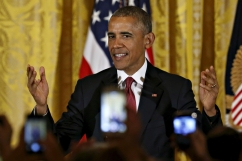
US President Barack Obama said he will "walk away" from any nuclear agreement with Iran that deviates from the deal he has laid out, asserting that there would be no bargain if all openings for Iran to build a nuclear weapon are not closed.
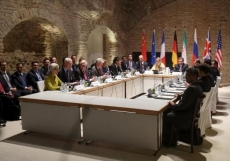
Obama made the statement as Iran and six world powers pushed the deadline further from Tuesday to give themselves another week to iron out a nuclear pact that would make the country freeze its nuclear activities for at least 10 years in exchange for the removal of economic sanctions imposed on Iran.
The US president stood firm, saying there must be a "strong, rigorous verification mechanism" for keeping a tight watch over Iran's nuclear sites. He said his instructions to negotiators in Vienna has been "extremely clear," that any nuclear treaty with Iran must have to ensure that Tehran will not be able to build or get a nuclear weapon.
"My instructions ... have been clear. The framework agreement that was established in Lausanne is one that, if implemented effectively and codified properly would achieve my goal, which is Iran not obtaining a nuclear weapon," he said in a joint press conference with visiting Brazilian President Dilma Rousseff.
"If they cannot, that's going to be a problem because I've said from the start, I will walk away from the negotiations if in fact it's a bad deal."
"If we can't provide assurances that the pathways for Iran obtaining a nuclear weapon are closed and if we can't verify that, if the inspections regime, verifications regime, is inadequate, then we're not going to get a deal."
The deal brokers are under pressure from the US Congress to end the talks early in the month. Failure to submit a copy of the comprehensive agreement by July 9 would cause more delay, giving the legislature two months to review the treaty instead of one, wrote The Guardian.
Obama said there has been "a lot of talk" from Iranian brokers challenging the terms of a framework agreement made in Switzerland back in April.
"Ultimately this is going to be up to the Iranians" to follow the international community's requirements, he said.
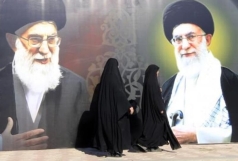
The US leader's remarks appeared to be in response to the hard-line statements made by Iran's Supreme Leader Ayatollah Ali Khamenei, who put a stumbling block in the course of the negotiations by ruling out either a stoppage of sensitive nuclear work or opening military sites to inspectors.
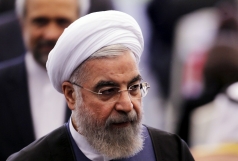
Iran's President Hassan Rouhani, who was elected two years ago on vows that he will reduce his country's international seclusion, said Tehran would immediately get back to nuclear work if global powers failed to keep their other end of the deal.
"If we reach a deal, both sides should be committed to it," said the president, who is a strong advocate of the treaty but has less power than Khamenei.