
President Mugabe’s ruling party has been announced as victorious in the Zimbabwe Parliamentary elections on Friday. However, the result has predictably been shrouded in controversy as the opposition party accuse the government of a "massive fraud" to win the election.
Mugabe has been accused of treating the country as "his private property" and of having no respect for the rights of Zimbabwe’s people by opposing powers.
The African National Union – Patriotic Front (ZANU-PF) party led by President Robert Mugabe managed to win 46 of the 120 seats up contested in the election – however in addition to these seats Mugabe also directly appointed an additional 30 seats to his party – thus giving the ZANU-PF party enough seats to gain a clear domination within the Parliament.
The leading opposition party, the Movement for Democratic Change (MDC) managed to obtain 32 seats, gaining seats in Harare and the county’s second city of Bulawayo. However, the rural vote went the ZANU-PF.
MDC leader, Morgan Tsvangirai reported, "This (is a) disgusting, massive fraud." He also added that Mugabe ensured that he would win the two-third majority in the Parliament so that he would have freedom to alter the constitution.
Tsvangirai gave examples of discrepancies in a number of constituencies between the number of voters and the final tally announced in the election results. In particular in Manyame a 10,000 vote gap seemed to appear between the number of voters and the final result count.
Mugabe’s family all won through in their constituencies – his nephew Patrick Zhuwao, brother Leo, and mother Sabina Mugabe.
Tsvangirai said, "He is going to do what he wants, this is his private property and for people to even claim that this is a democratic process, when it is so fraudulent, is totally not acceptable."
In Thursday’s vote the turn out of those that were eligible to vote was below 50%, but the voting took place reasonably peacefully compared with previous elections in 2000 and 2002 in which many were reported to have been killed and beaten.
Mugabe plainly denies all accusations of fraud and said the talk was "nonsense". He said, "Everybody is seeing that these are free and fair elections."
In the run-up to the elections the Roman Catholic Archbishop of Bulawayo, Pius Ncube had called on the country’s people to rise up in peaceful protest against the oppressive Mugabe government.
In addition the Zimbabwe elections have been condemned by rights groups who say that the political process in the country is spoilt through years of violence and intimidation from Mugabe’s ruling government.
Archbishop Ncube has stated his belief that Mugabe won the elections because they were overseen by Mugabe’s military and were definitely rigged.
In response the leader of the ruling ZANU-PF party, President Mugabe said, "I don’t know to which God he prays. His prayers are not as pious as his name suggests apparently. He is...a half-wit. I don’t know why the Vatican tolerates prayers of that nature."
The highly controversial leader dismissed the fears of fraud in the elections as "nonsense" on Thursday and said, "Everybody has seen that these are free and fair elections."
British foreign secretary stated his opinion that the elections were "seriously flawed" and that Mugabe had "yet again denied ordinary Zimbabweans a free and fair opportunity to vote, further prolonging the political and economic crisis he has inflicted on their country."
Other rumours have been raised regarding many people being turned away from polling stations, but reports have indicated that it is not clear how many people may have been affected by this restriction to their voting.
29% OFF
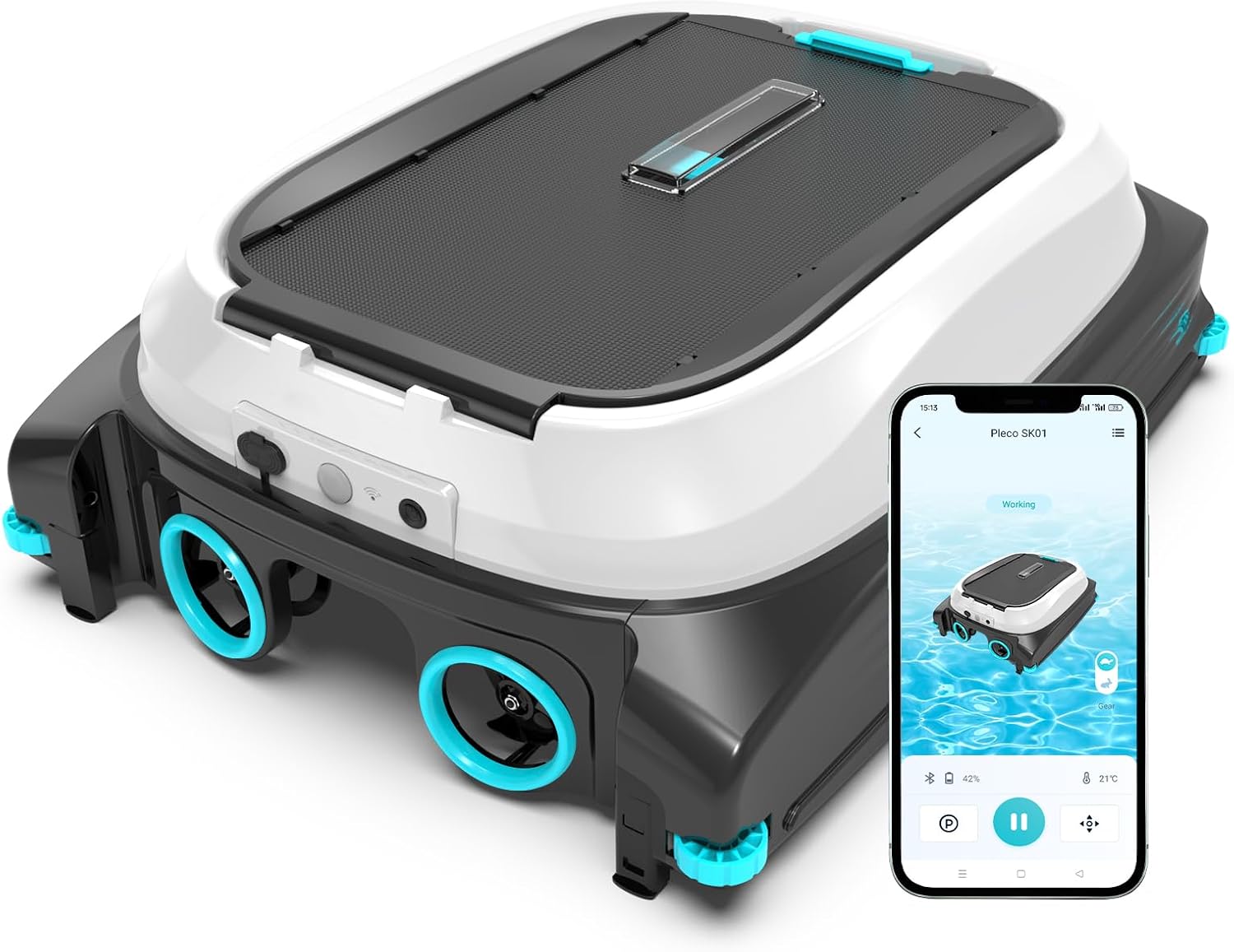
Pleco SK01 Solar Powered Robotic Pool Skimmer with App Control (Obsidian & Ivory)
$284.99 $399.99
52% OFF
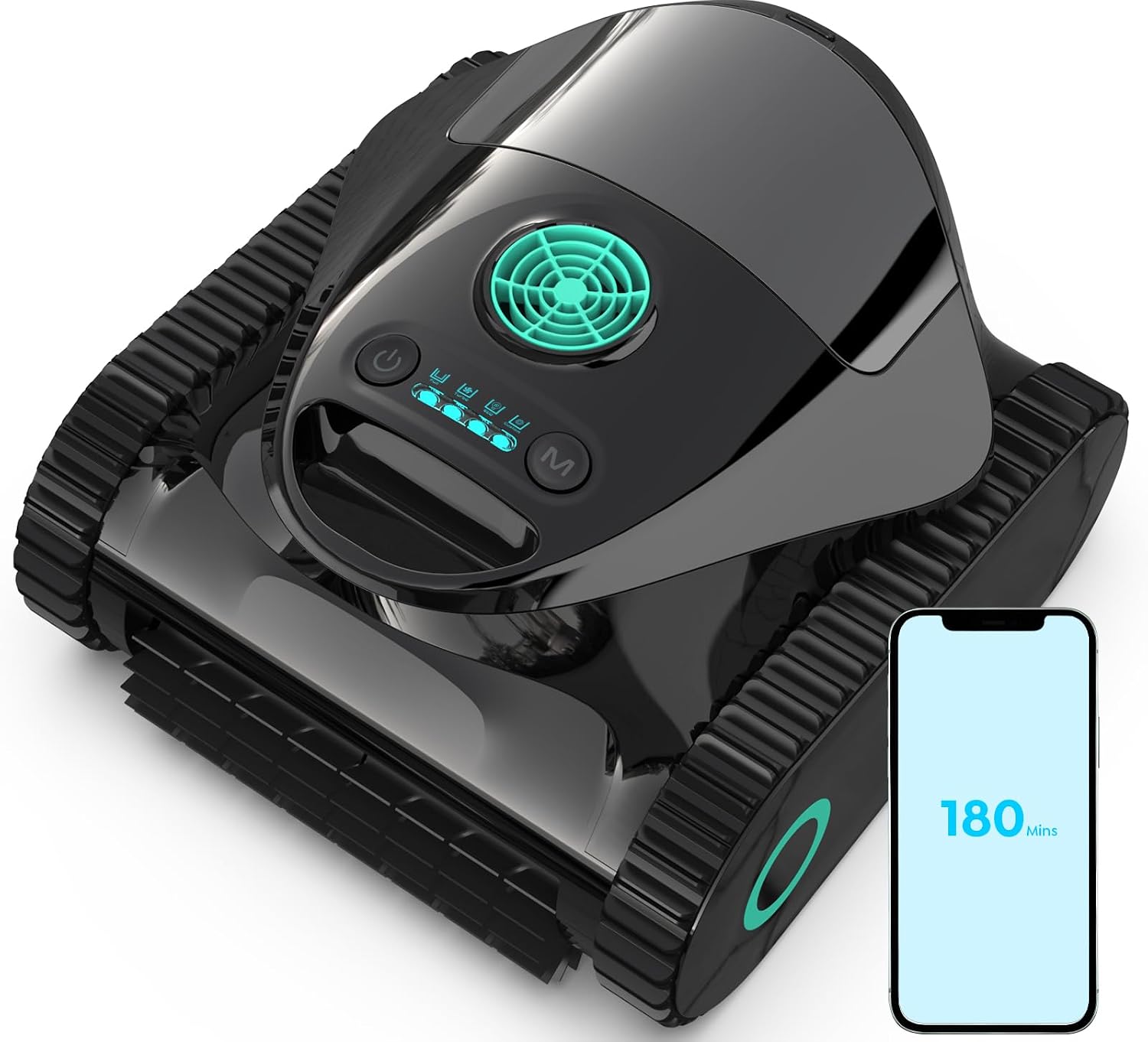
Cordless Robotic Pool Cleaner C1 with Wall Climbing and App Control (Glossy Black)
$290.69 $599.99
52% OFF
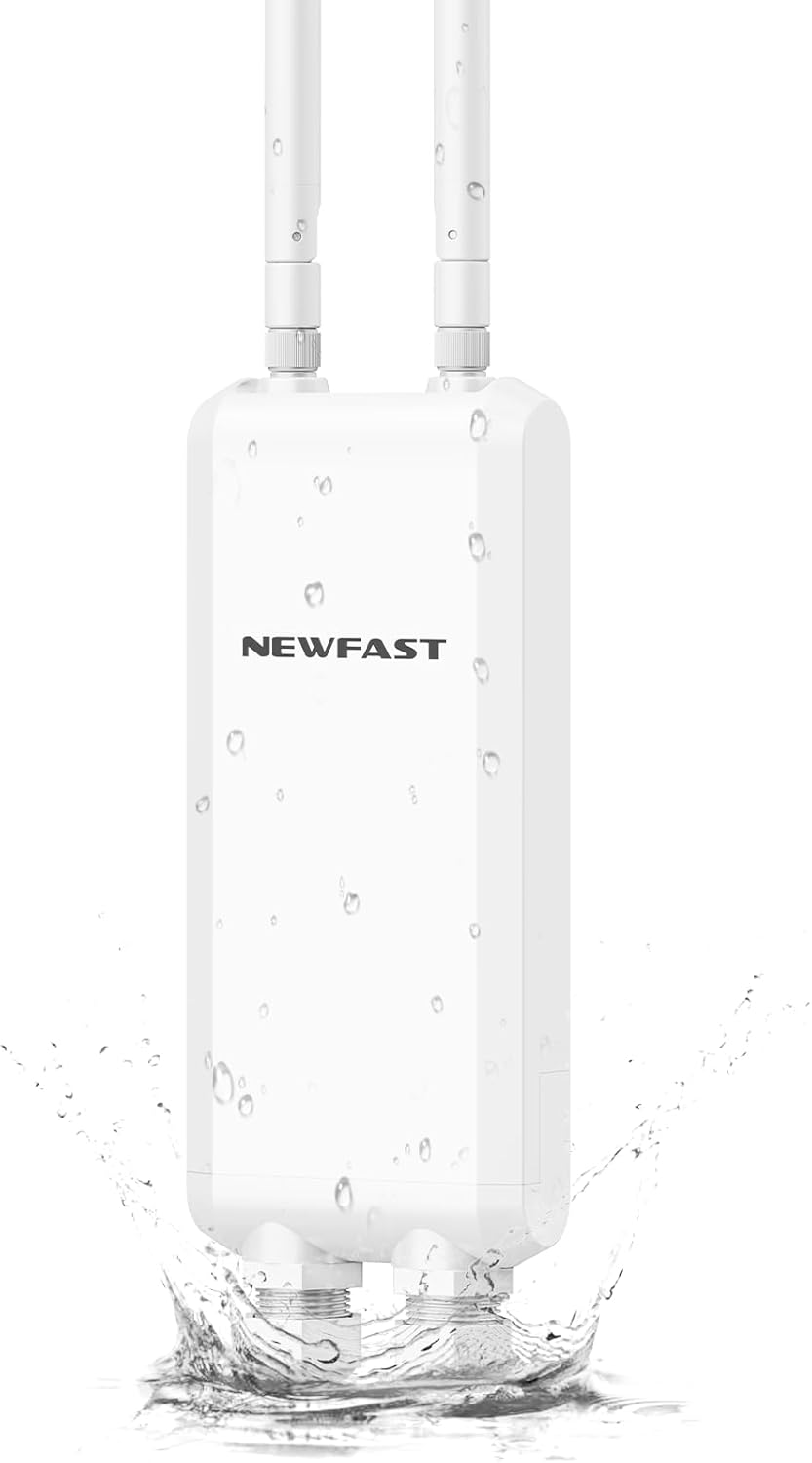
NEWFAST Outdoor WiFi Extender with MU-MIMO and 3 Gigabit Ports (IP66)
$47.99 $99.99
51% OFF
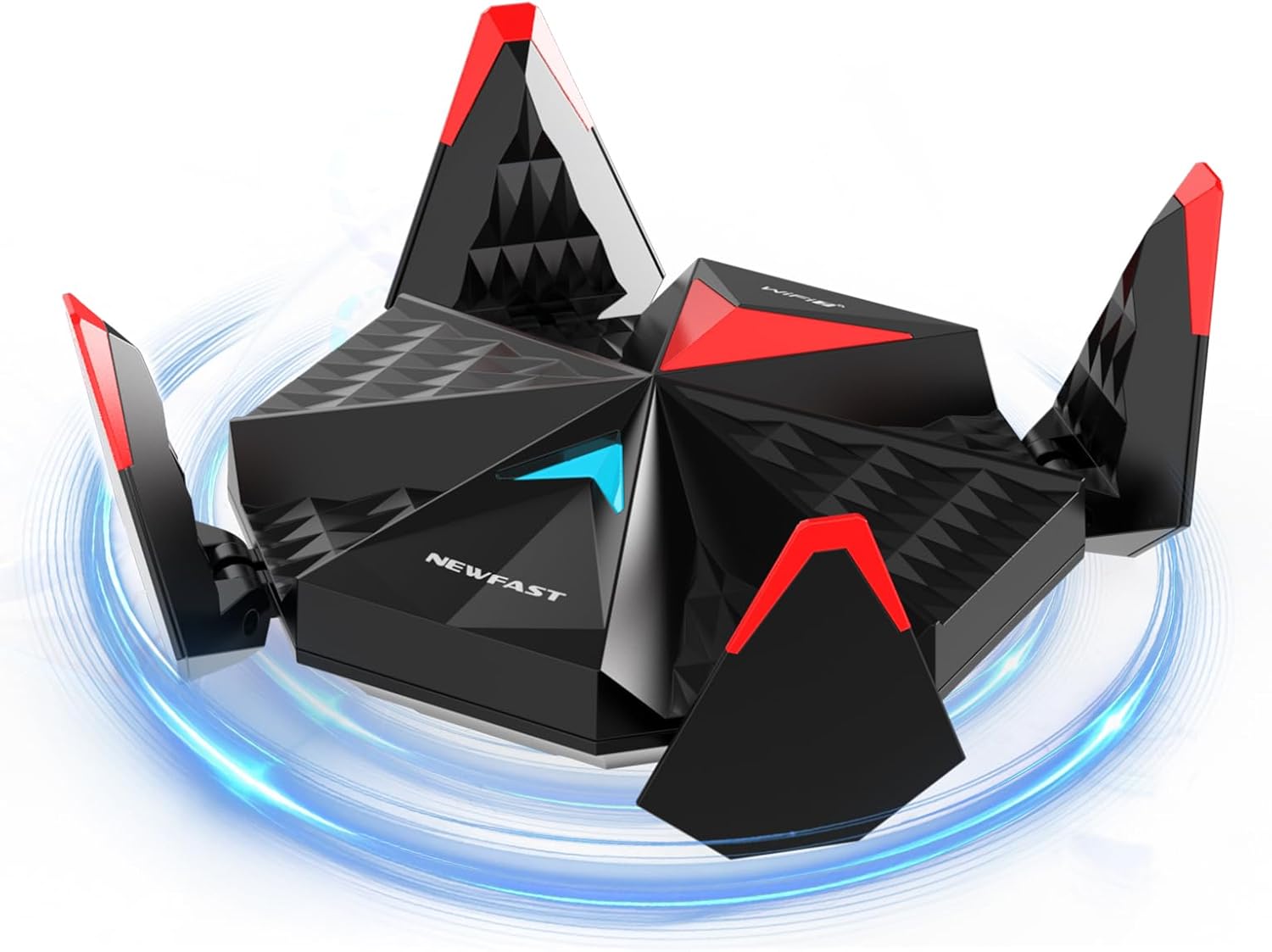
NEWFAST AXE5400 Tri-Band USB WiFi 6E Adapter with 4 Antennas (NF-U357)
$44.45 $89.99
20% OFF
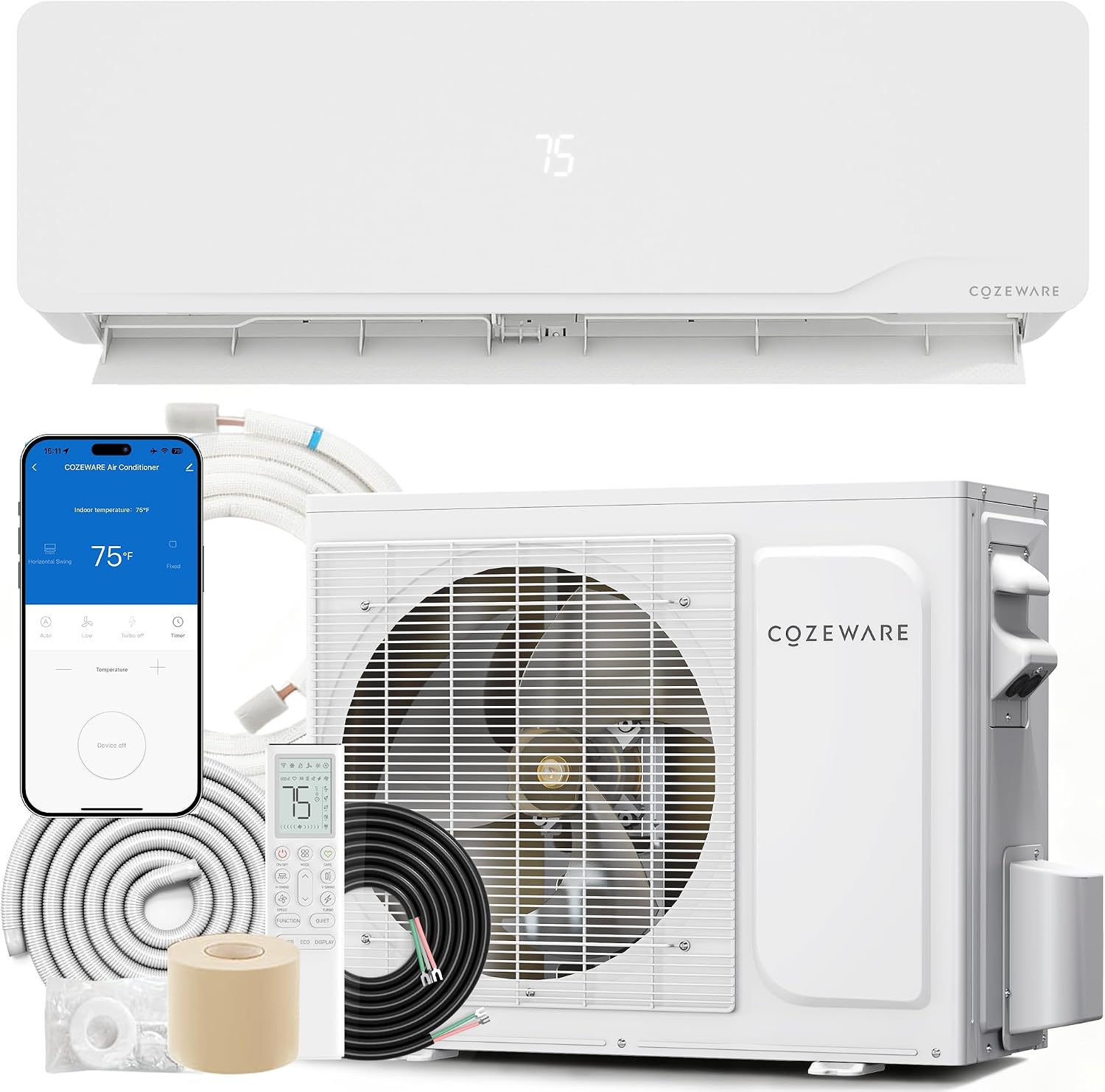
COZEWARE Visio Series 12000 BTU 20 SEER2 Smart Mini Split AC with Heat Pump (230V, 1 Ton)
$431.99 $539.99
20% OFF
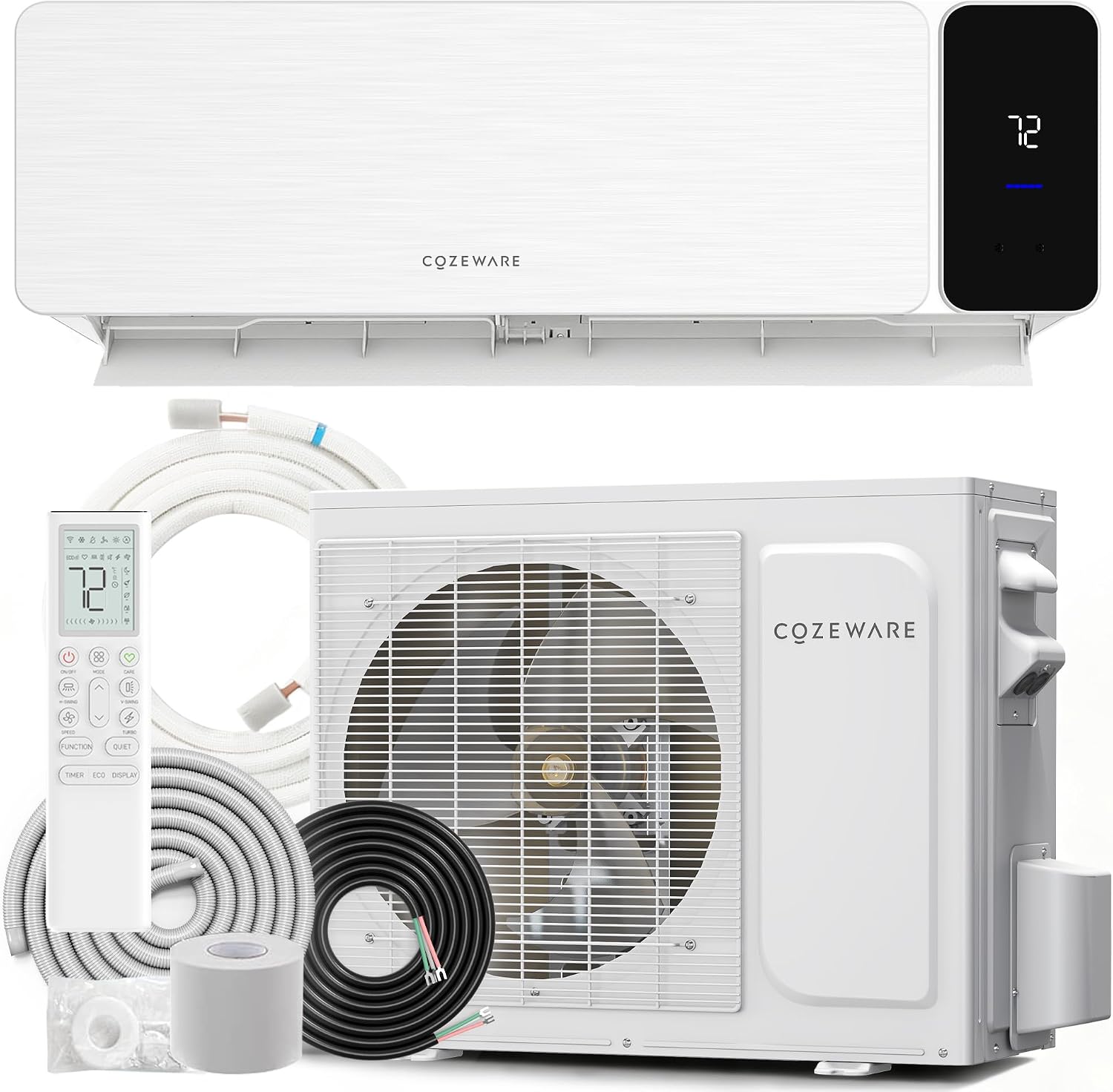
COZEWARE Visio Series 9000 BTU 18 SEER2 Ductless Mini Split AC with Heat Pump (115V)
$439.99 $549.99
20% OFF
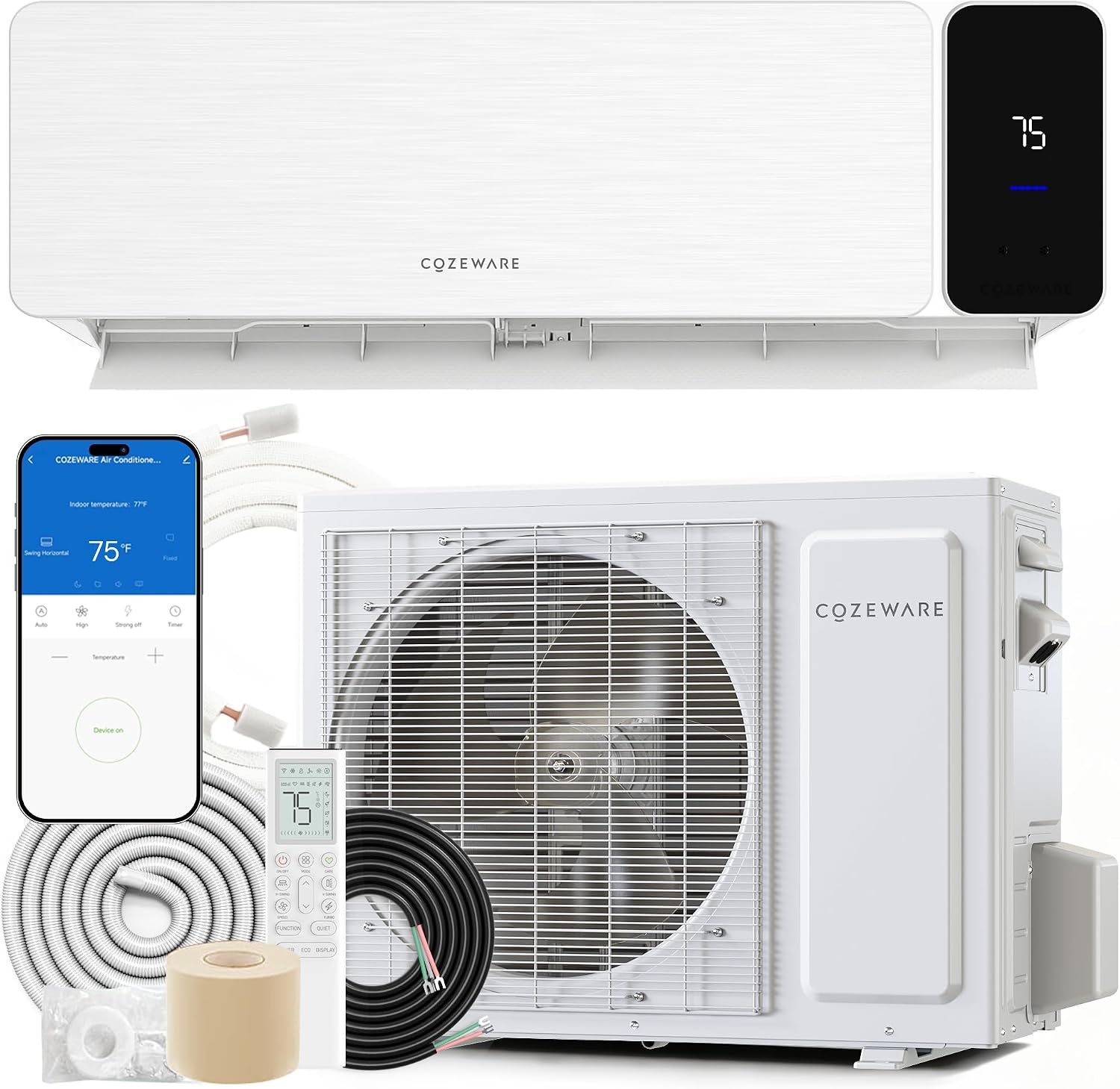
COZEWARE Visio Series 24000 BTU 20 SEER2 Smart Mini Split AC with Heat Pump (230V, 2 Ton)
$959.99 $1199.99
20% OFF
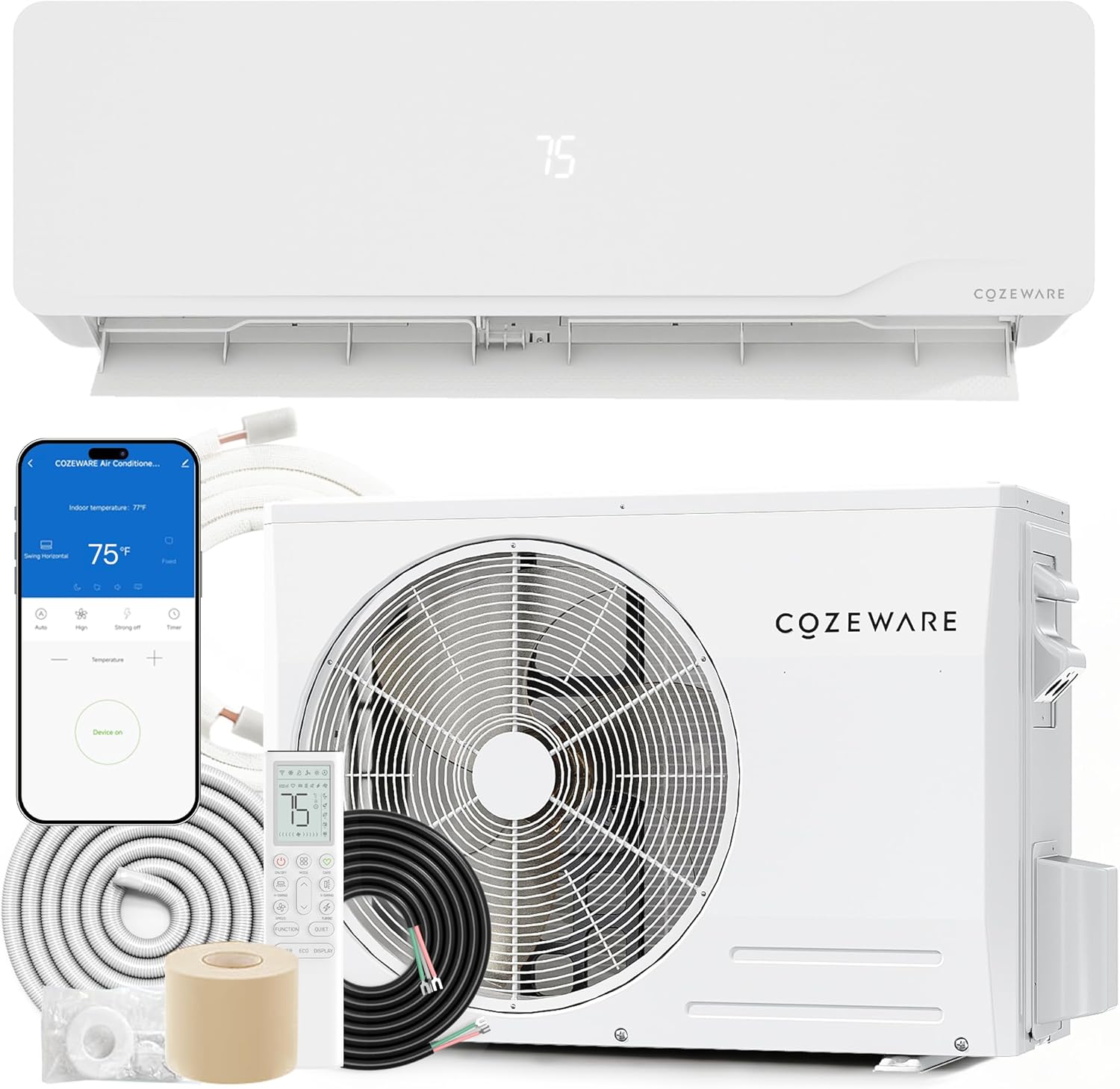
COZEWARE Visio Series 18000 BTU 20 SEER2 Smart Mini Split AC with Heat Pump (230V, 1.5 Ton)
$607.99 $759.99
20% OFF
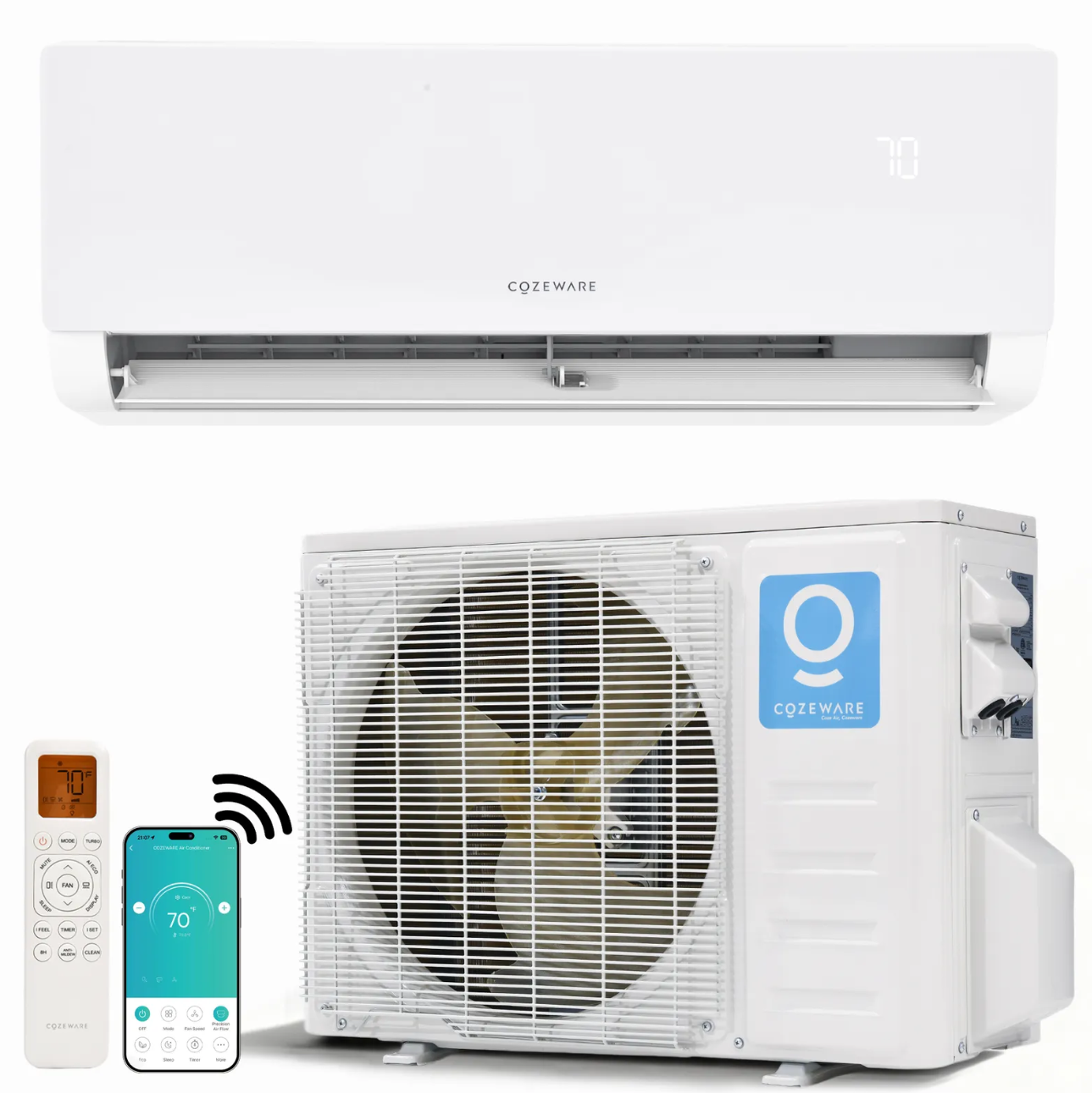
COZEWARE E-Save Series 12000 BTU 20 SEER2 Mini Split Air Conditioner (115V)
$592 $740
20% OFF
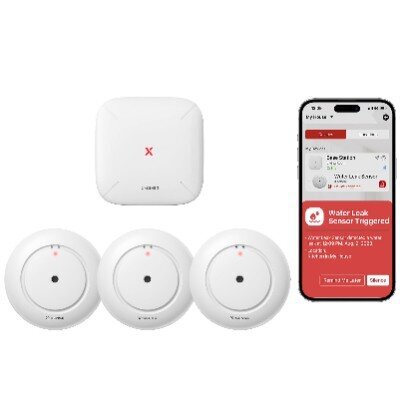
SmartHome Wi-Fi Water Leak Detector - Safeguard Your Home
$39.98 $49.99
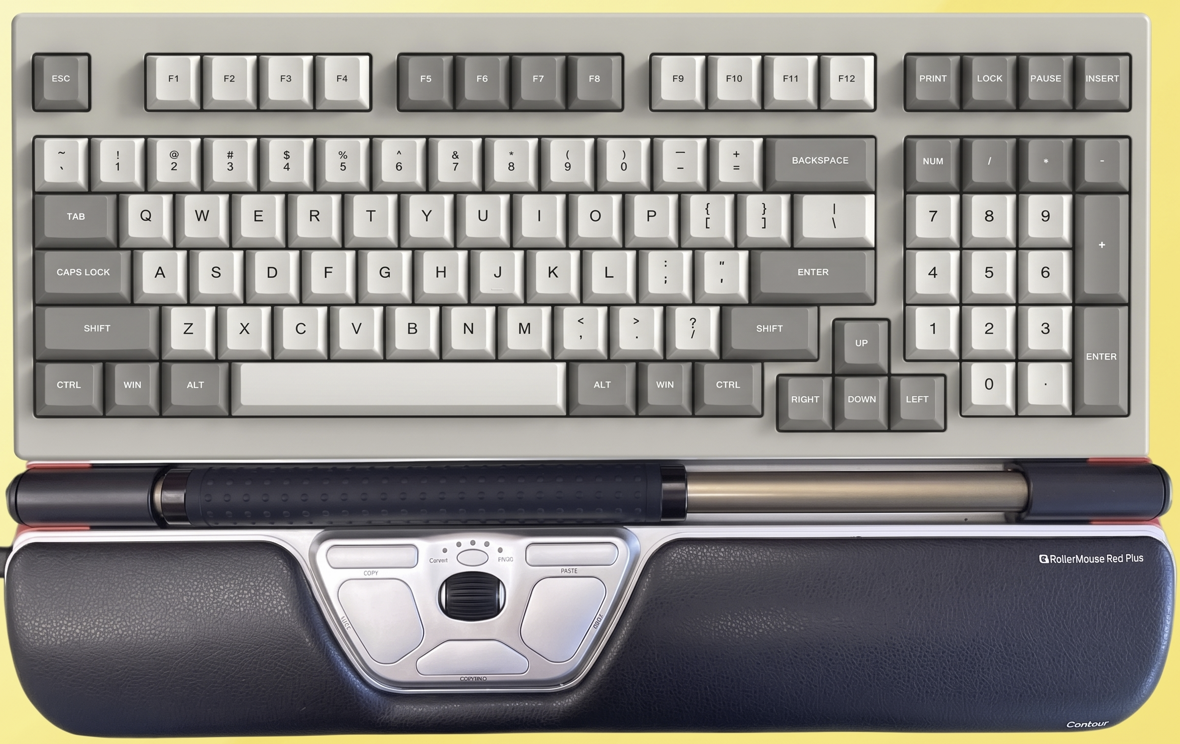
The $400 Mouse I Thought Was Ridiculously Expensive—Until It Changed How I Work
$0 $0
50% OFF

All-Weather HDPE Plastic Adirondack Chair with Cup Holder – Navy Blue
$70 $139.99
50% OFF

7-Color LED Red Light Therapy Mask for Face and Anti-Aging
$29.99 $59.99
49% OFF
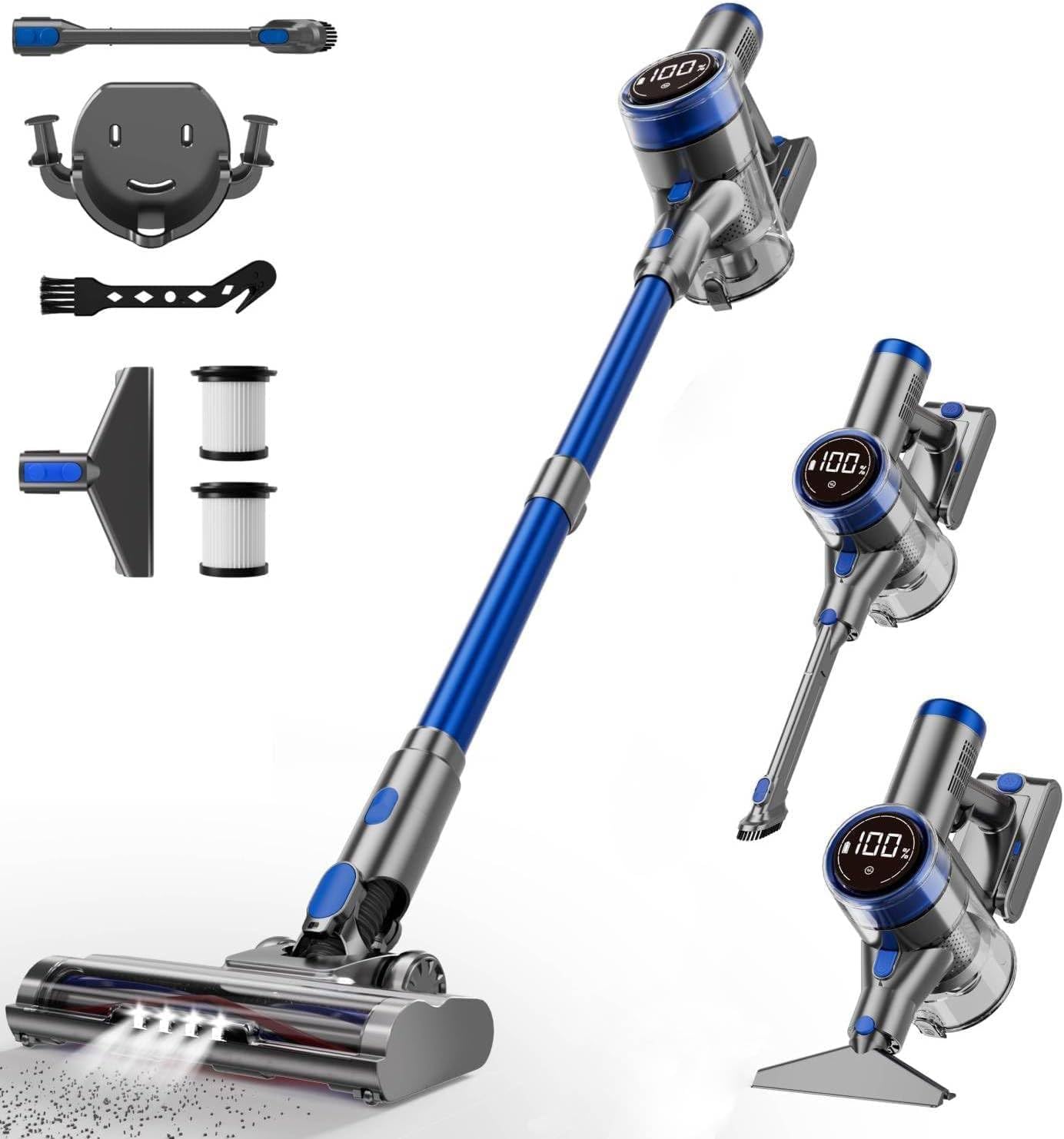
Cordless Vacuum Cleaner - 480W/45Kpa Powerful Stick Vacuum with LED Smart Touch Screen
$55.99 $109.99
20% OFF

Hypoallergenic Pet Wipes for Dogs & Cats - 400 Count Extra Large Coconut Scented Grooming Wipes
$24.79 $30.99
49% OFF
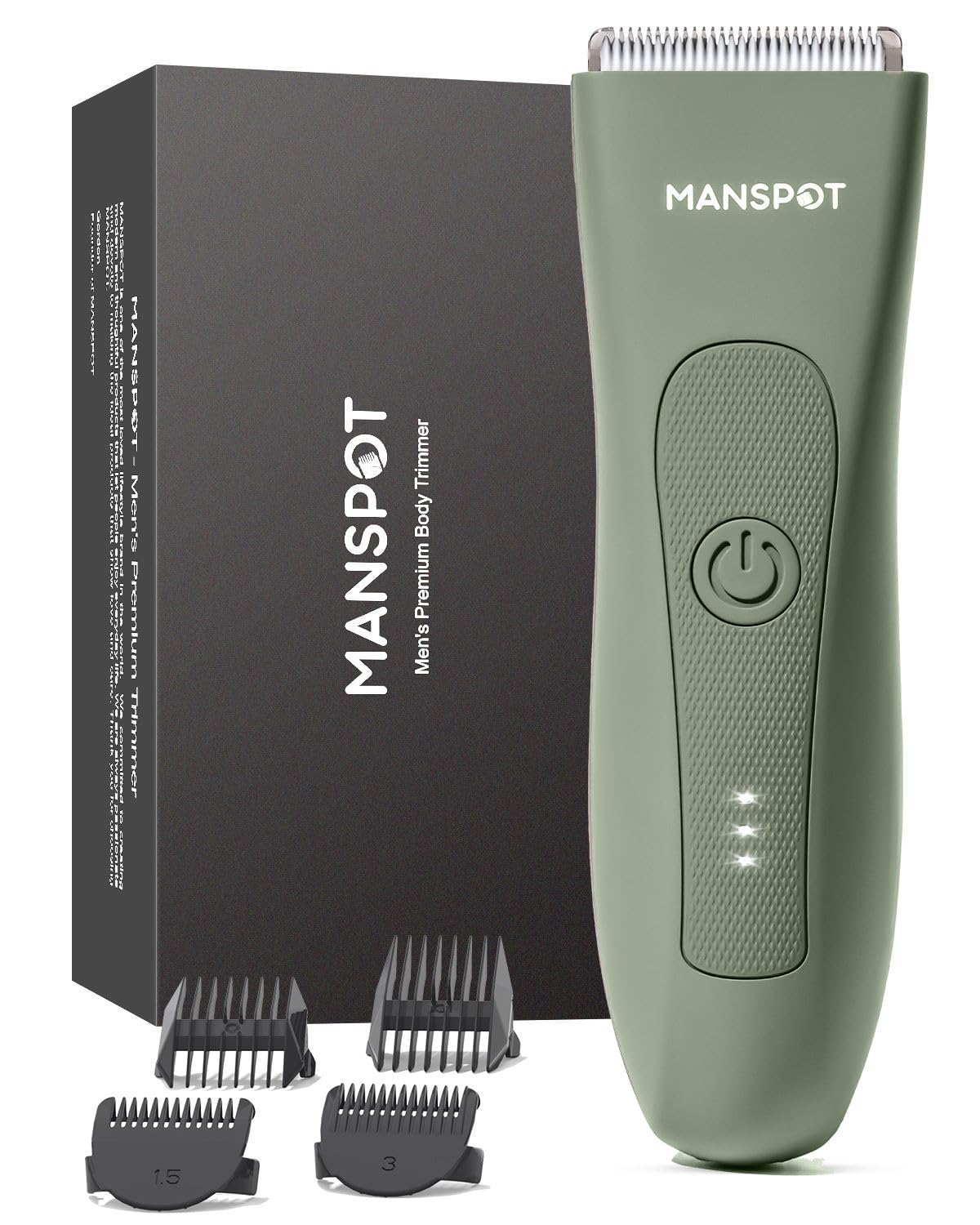
MANSPOT Electric Pubic Hair Trimmer - Waterproof Body and Groin Shaver for Men and Women (Black)
$20.39 $40
25% OFF

Lick-Safe Dog Paw and Nose Balm Stick - All-Natural Moisturizer with Coconut Oil for Dry, Cracked Pads and Snout
$11.69 $15.59
77% OFF
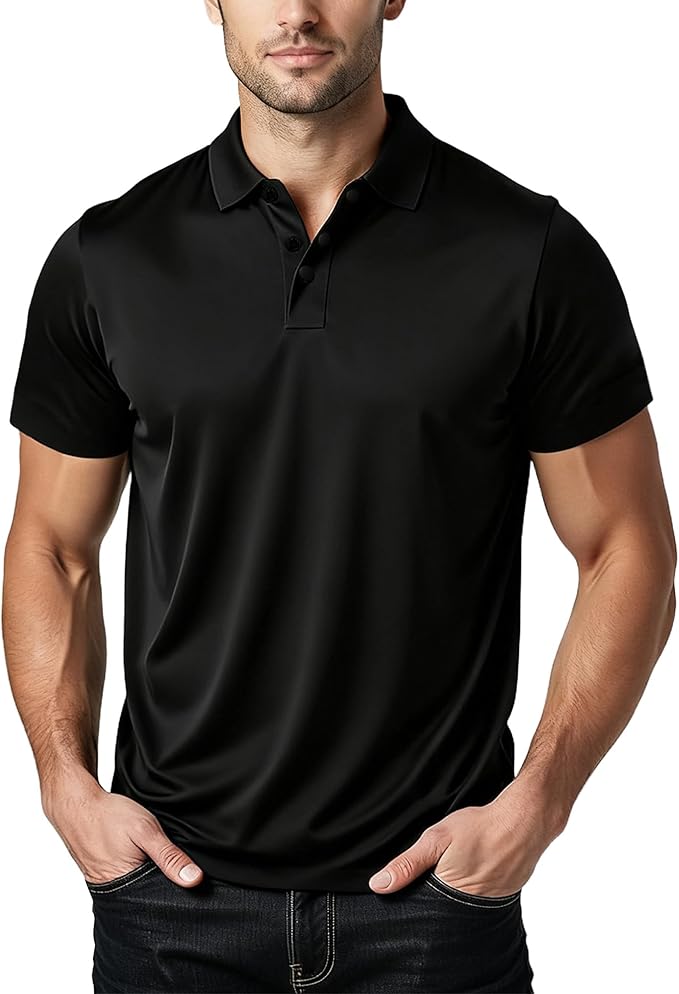
Men's Quick Dry Moisture Wicking Polo Shirt - High Elasticity Slim Fit Athletic Top (Runs Small)
$6.99 $29.99
46% OFF
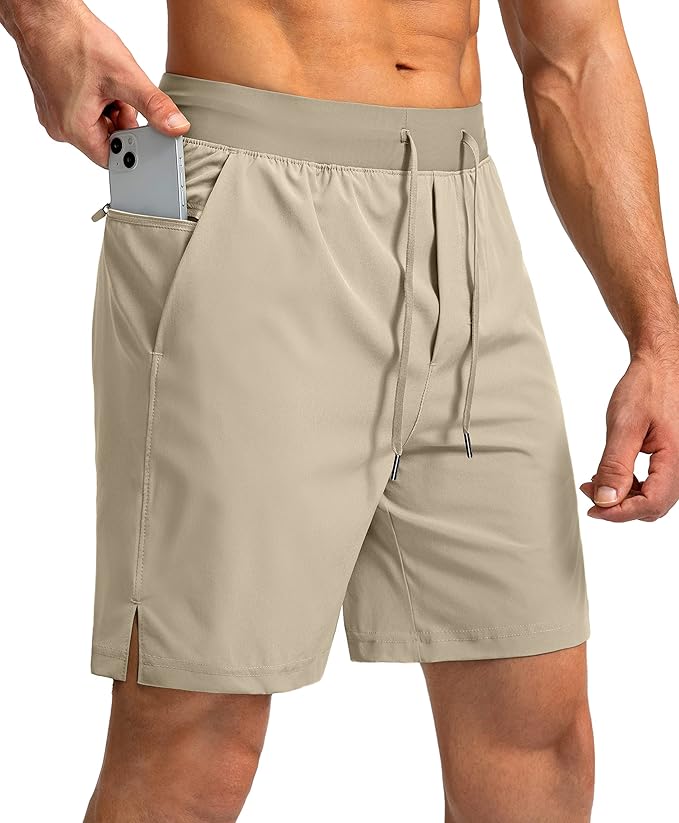
Men's Running Shorts with Zipper Pockets - Lightweight, Quick-Dry, Multi-Sport
$12.95 $23.99
50% OFF
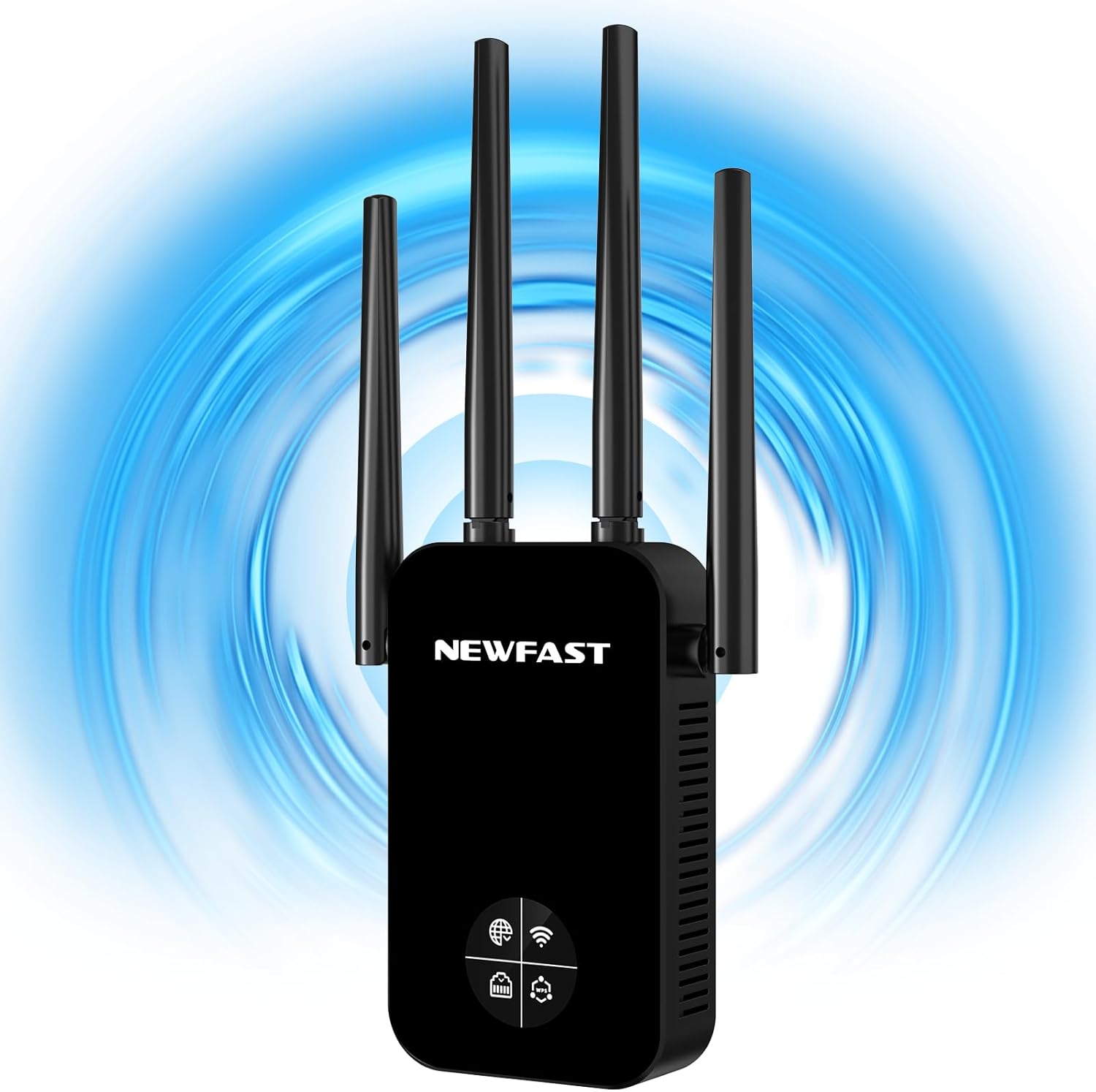
NEWFAST NF-RE523 AC1200 WiFi Extender - 1200Mbps Dual Band Signal Booster & Internet Repeater
$18.5 $36.99
-

Eric Metaxas on faith, freedom and the restoration of the West
-

Kate Forbes refused to compromise her Christian faith - and won
-

Counselling framework for those with unwanted same-sex attraction rejected
-

Carl Trueman on the crisis of the West and why nationalism and cultural Christianity are not the answer
News
-

From deconstruction to reconstruction: can the West be saved?
-

Kate Forbes refused to compromise her Christian faith - and won
-

Christians praying for the nation and next prime minister after Starmer resigns
-

The restoration of the West can't happen without Christianity - and more people are realising it
-
First memorial to Christians killed in Nigeria unveiled
-

Are witchcraft and paganism a threat to Christianity in modern Britain?
Most Popular
News

The challenge the Church of England faces over transgenderism
There is a reality that the Church of England has to face up to but so far it has failed to do this.
Carl Trueman on the crisis of the West and why nationalism and cultural Christianity are not the answer
Theologian Carl Trueman was at ARC 2026 to share his thoughts on why things have gone wrong in the West and what can be done to turn things around. He speaks to Christian Today about the challenges and why neither cultural Christianity nor nationalism are the answer.
Fulani terrorists kill 28 Christians in central Nigeria
Fulani herdsmen guided toward Christian leaders on Monday killed 28 Christians, including a pastor, in a raid on a village in Plateau state, Nigeria, sources said.

Teens grappling with questions about faith, the future and truth
American teenagers are increasingly wrestling with major questions about their future, identity, truth and faith, with many feeling pressure to find answers long before reaching adulthood, according to a study.
Pleco SK01 Solar Powered Robotic Pool Skimmer with App Control (Obsidian & Ivory)
$284.99
Cordless Robotic Pool Cleaner C1 with Wall Climbing and App Control (Glossy Black)
$290.69
NEWFAST Outdoor WiFi Extender with MU-MIMO and 3 Gigabit Ports (IP66)
$47.99
NEWFAST AXE5400 Tri-Band USB WiFi 6E Adapter with 4 Antennas (NF-U357)
$44.45
COZEWARE Visio Series 12000 BTU 20 SEER2 Smart Mini Split AC with Heat Pump (230V, 1 Ton)
$431.99
COZEWARE Visio Series 9000 BTU 18 SEER2 Ductless Mini Split AC with Heat Pump (115V)
$439.99
COZEWARE Visio Series 24000 BTU 20 SEER2 Smart Mini Split AC with Heat Pump (230V, 2 Ton)
$959.99
COZEWARE Visio Series 18000 BTU 20 SEER2 Smart Mini Split AC with Heat Pump (230V, 1.5 Ton)
$607.99
COZEWARE E-Save Series 12000 BTU 20 SEER2 Mini Split Air Conditioner (115V)
$592
SmartHome Wi-Fi Water Leak Detector - Safeguard Your Home
$39.98
The $400 Mouse I Thought Was Ridiculously Expensive—Until It Changed How I Work
$0
All-Weather HDPE Plastic Adirondack Chair with Cup Holder – Navy Blue
$70
7-Color LED Red Light Therapy Mask for Face and Anti-Aging
$29.99
Cordless Vacuum Cleaner - 480W/45Kpa Powerful Stick Vacuum with LED Smart Touch Screen
$55.99
Hypoallergenic Pet Wipes for Dogs & Cats - 400 Count Extra Large Coconut Scented Grooming Wipes
$24.79
MANSPOT Electric Pubic Hair Trimmer - Waterproof Body and Groin Shaver for Men and Women (Black)
$20.39
Lick-Safe Dog Paw and Nose Balm Stick - All-Natural Moisturizer with Coconut Oil for Dry, Cracked Pads and Snout
$11.69
Men's Quick Dry Moisture Wicking Polo Shirt - High Elasticity Slim Fit Athletic Top (Runs Small)
$6.99
Men's Running Shorts with Zipper Pockets - Lightweight, Quick-Dry, Multi-Sport
$12.95
NEWFAST NF-RE523 AC1200 WiFi Extender - 1200Mbps Dual Band Signal Booster & Internet Repeater
$18.5