
India's Supreme Court has once again postponed action on a case involving the civil rights of India's 300 million plus Dalits ("Untouchables").
In April, the court voted to postpone further discussion of the case until mid-July. The case was delayed because a government agency charged with preparing a report examining the issue failed to submit the completed report to the court. The court ordered the agency to conduct the investigation in 2005.
But Gospel for Asia believes that the court's failure to act on this matter is not simply a bureaucratic bungle but rather appears to be a deliberate attempt to deny the religious rights of Dalits.
"This is just one example of the ways in which anti-Christian political parties deny justice to the Dalits," said Gospel for Asia President KP Yohannan. "In this case, they simply postpone the decision, causing lengthy delays. Meanwhile, our brothers and sisters continue to suffer."
The case in question, filed in 2004 by India's Center for Public Interest Litigation, challenges the practice of excluding Dalits who become Christians or adopt Islam from the country's affirmative action reservation system. This system sets aside nearly 25 per cent of government jobs and college enrollment slots for Dalits. Affirmative action benefits in India are currently awarded only to Hindu, Sikh, Jain and Buddhist Dalits, who stand to lose their benefits if they become Christians.
The Supreme Court decision comes just weeks after India's National Commission for Scheduled Castes and Scheduled Tribes rejected the demand that Christians and Muslims receive equal affirmative action benefits. The committee denied the need for the benefits on the grounds that "untouchability" - the main criteria for the benefits - only affected Hindu Dalits.
The caste system was created more than 3,000 years ago by invading Aryan tribes to prevent the pollution of their race. The system was officially outlawed in 1950, but its practices are still deeply ingrained in India's society. Dalits, who are on the lowest rung of the caste ladder, are considered to be less than human. Their position in society is justified by ancient Hindu religious texts.
Dalits are expected to perform menial, degrading tasks, such as unclogging sewers, disposing of dead bodies and cleaning toilets. They are forced to live in separate settlements, are prohibited from worshipping in some temples, barred from using village wells and their children are often denied education or are made to sit in the back of the classroom.
Crimes against Dalits are shockingly common and usually overlooked by law enforcement officials, according to the Human Rights Education Movement of India. According to Gospel for Asia, two Dalits are assaulted, three Dalit women are raped, two Dalits are murdered and two Dalit homes are burned every hour.
Nearly 65 per cent of Christians in India belong to low caste and tribal groups, including the Dalits.
Ironically, this delay by the Supreme Court comes just three months after a Dalit man was appointed to serve as Chief Justice of India's Supreme Court. When Konakuppakattil Gopinathan Balakrishnan's appointment was announced, the Indian media reported that this new justice recognised the importance of standing up for the common man and allowing the voices of the poor to be heard in court.
Many important commissions and government agencies have recommended that Dalit Christians maintain their rights to the affirmative action system based on the fact that they experience the same socio-economic disabilities as other Dalits.
50% OFF

NEWFAST NF-RE523 AC1200 WiFi Extender - 1200Mbps Dual Band Signal Booster & Internet Repeater
$18.5 $36.99
48% OFF
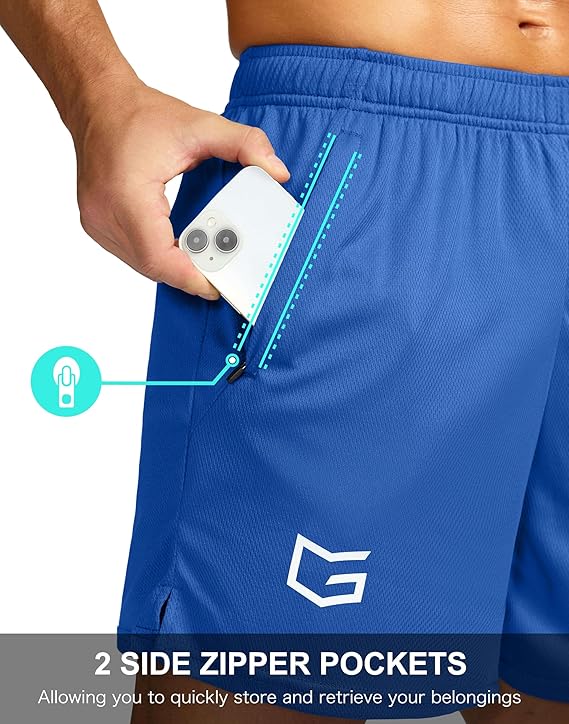
G Gradual Men's 7-inch Workout Running Shorts - Lightweight, Quick-Dry, Comfort
$12.91 $24.99
50% OFF
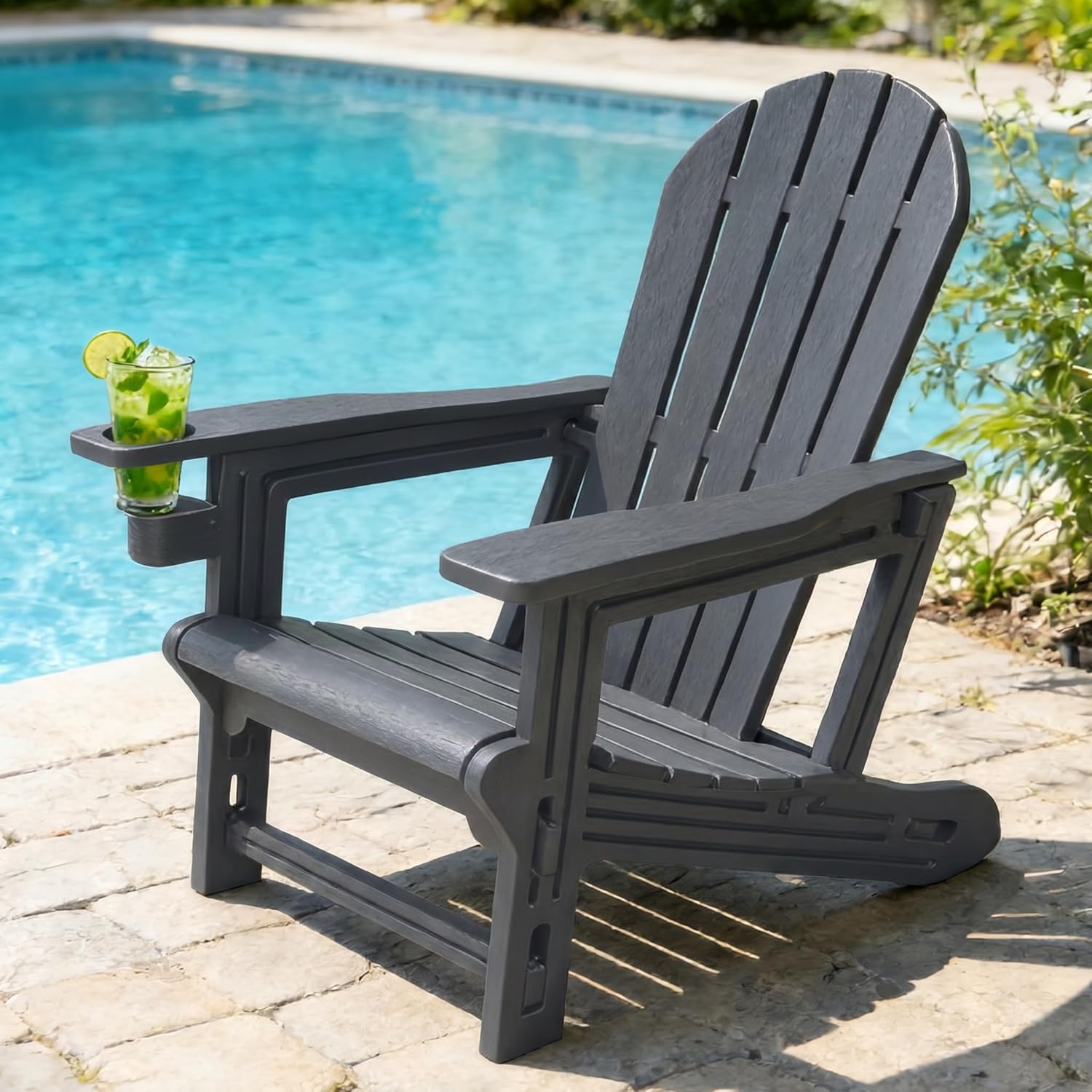
HDPE All-Weather Adirondack Chair with Built-In Cup Holder - Tool-Free Assembly (Grey)
$69.99 $139.99
60% OFF

HOMETUK Clear Plastic Storage Bins with Dividers - 3-Pack Stackable Acrylic Organizer Containers for Fridge and Pantry
$19.99 $49.99
58% OFF
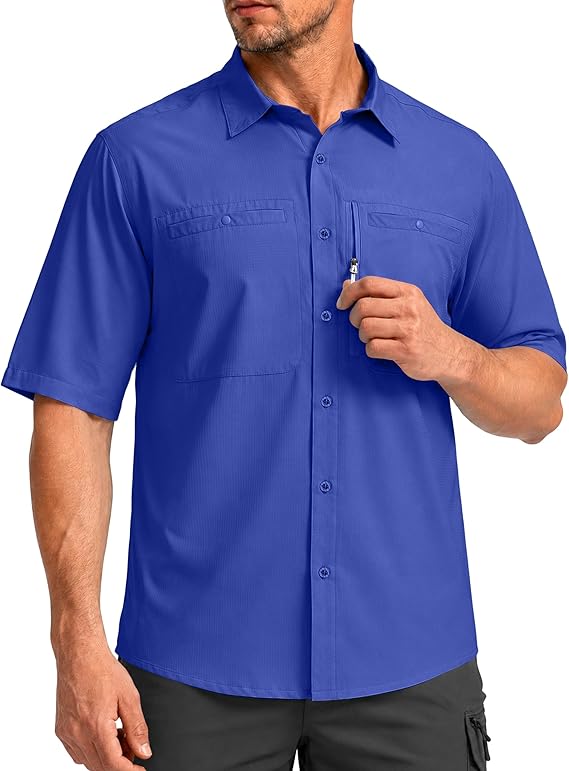
G Gradual Men's Fishing Shirt - UPF 50+ Lightweight Short Sleeve Button Down with Zipper Pockets
$14.99 $35.99
55% OFF

Everyfun 60" Rectangular Platform Tree Swing - 700lbs Heavy Duty Adjustable Outdoor Swing (Colorful)
$49.99 $110.99
61% OFF
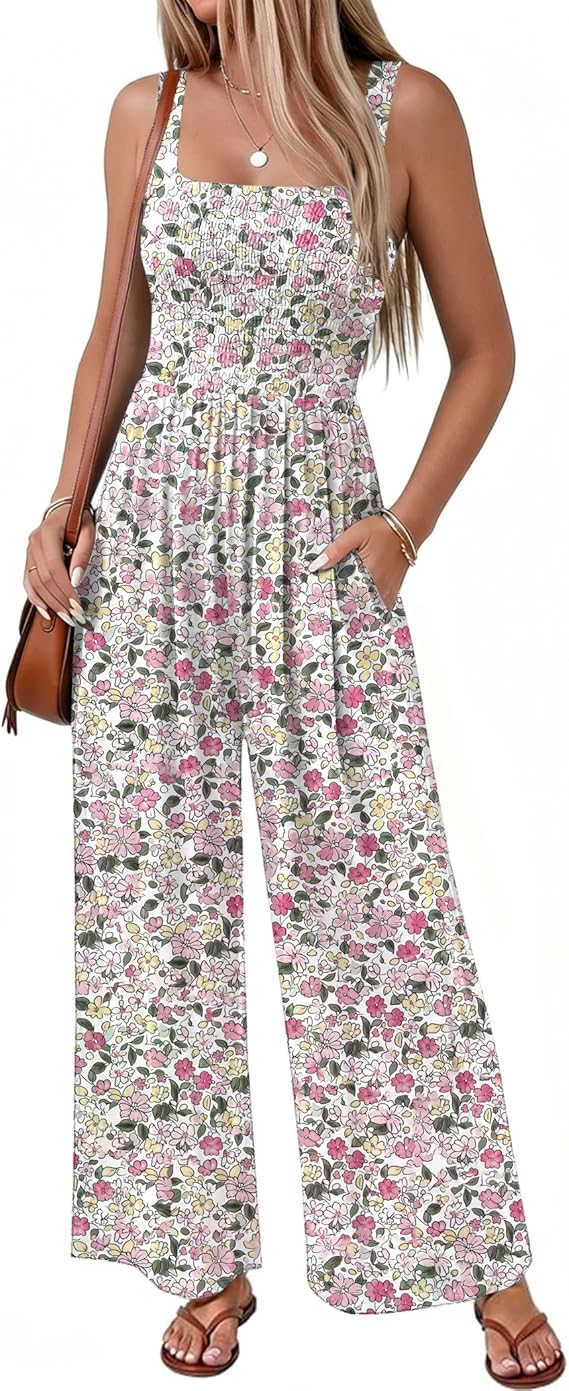
Ekouaer Women's Casual Loose Jumpsuit - One-Piece Printed Sleeveless Wide Leg Romper with Pockets
$14.99 $37.99
40% OFF
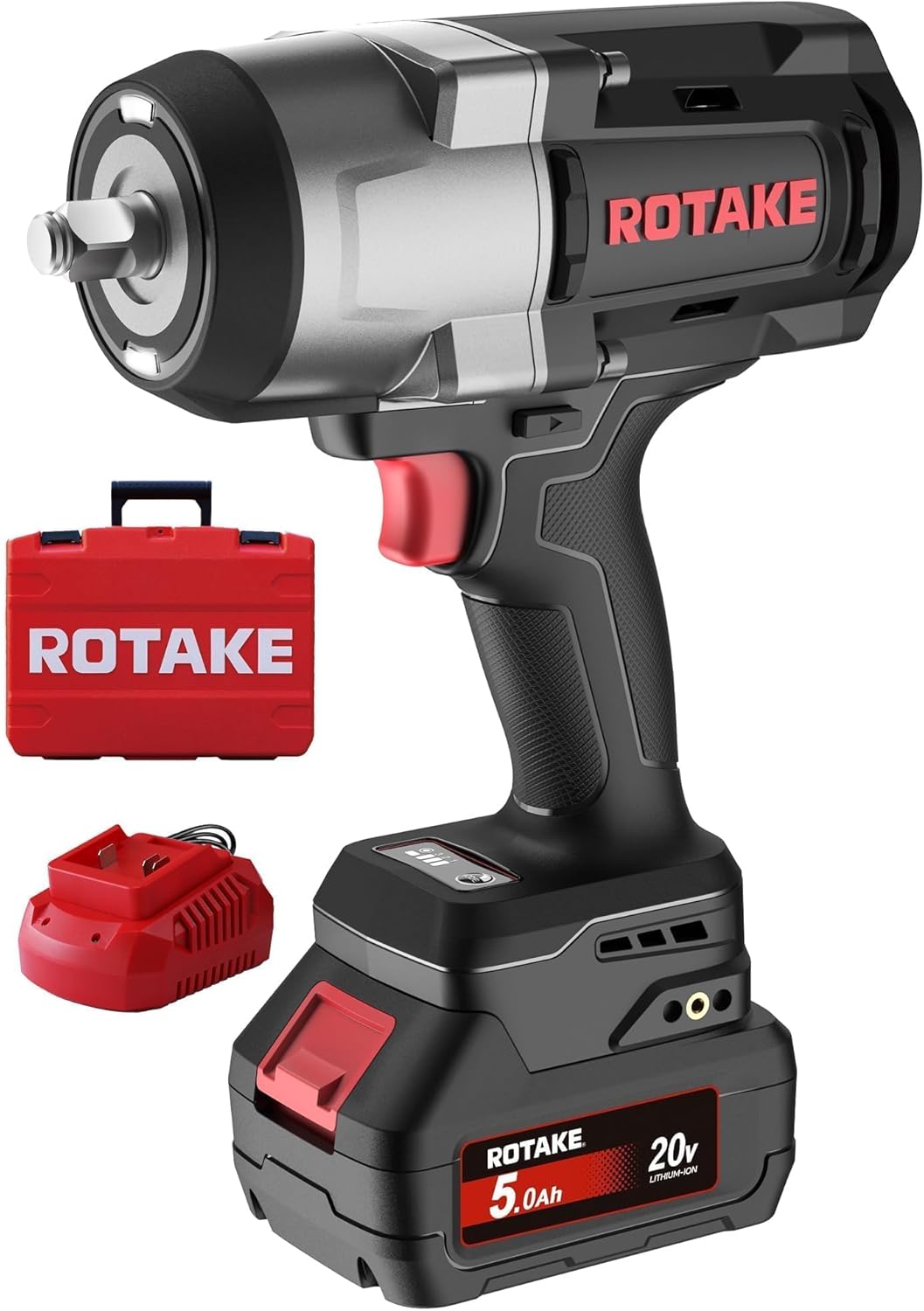
ROTAKE TB3 20V Heavy Duty 1/2" Cordless Impact Wrench Kit - 1380 Ft-Lbs Torque
$132 $219.99
36% OFF
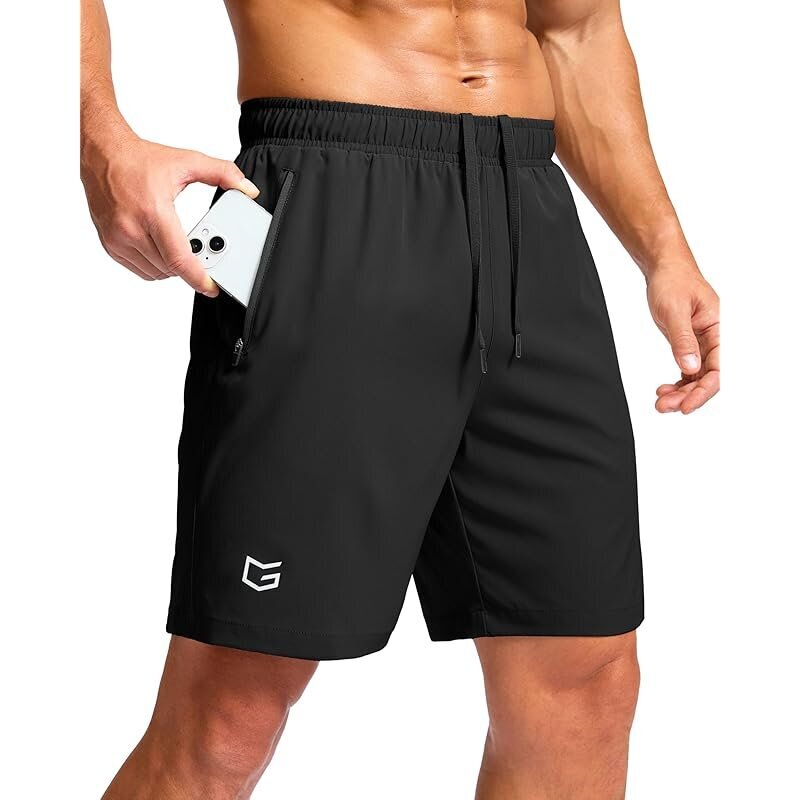
Men's Athletic Running Shorts with Zipper Pockets - Lightweight & Quick Dry
$12.74 $19.99
61% OFF
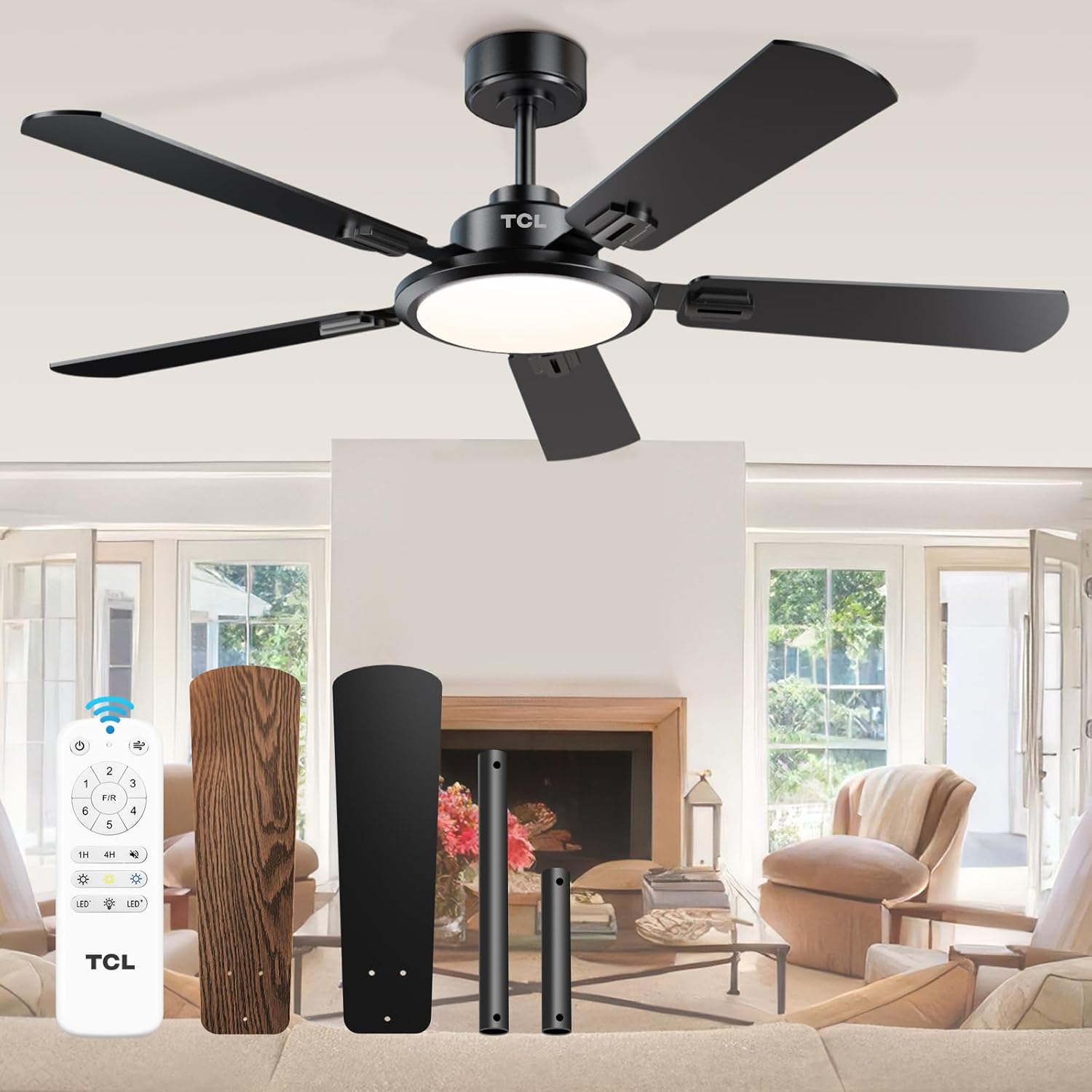
Modern Ceiling Fan with Light and Remote - Reversible Quiet DC Motor
$69.3 $179.99
50% OFF
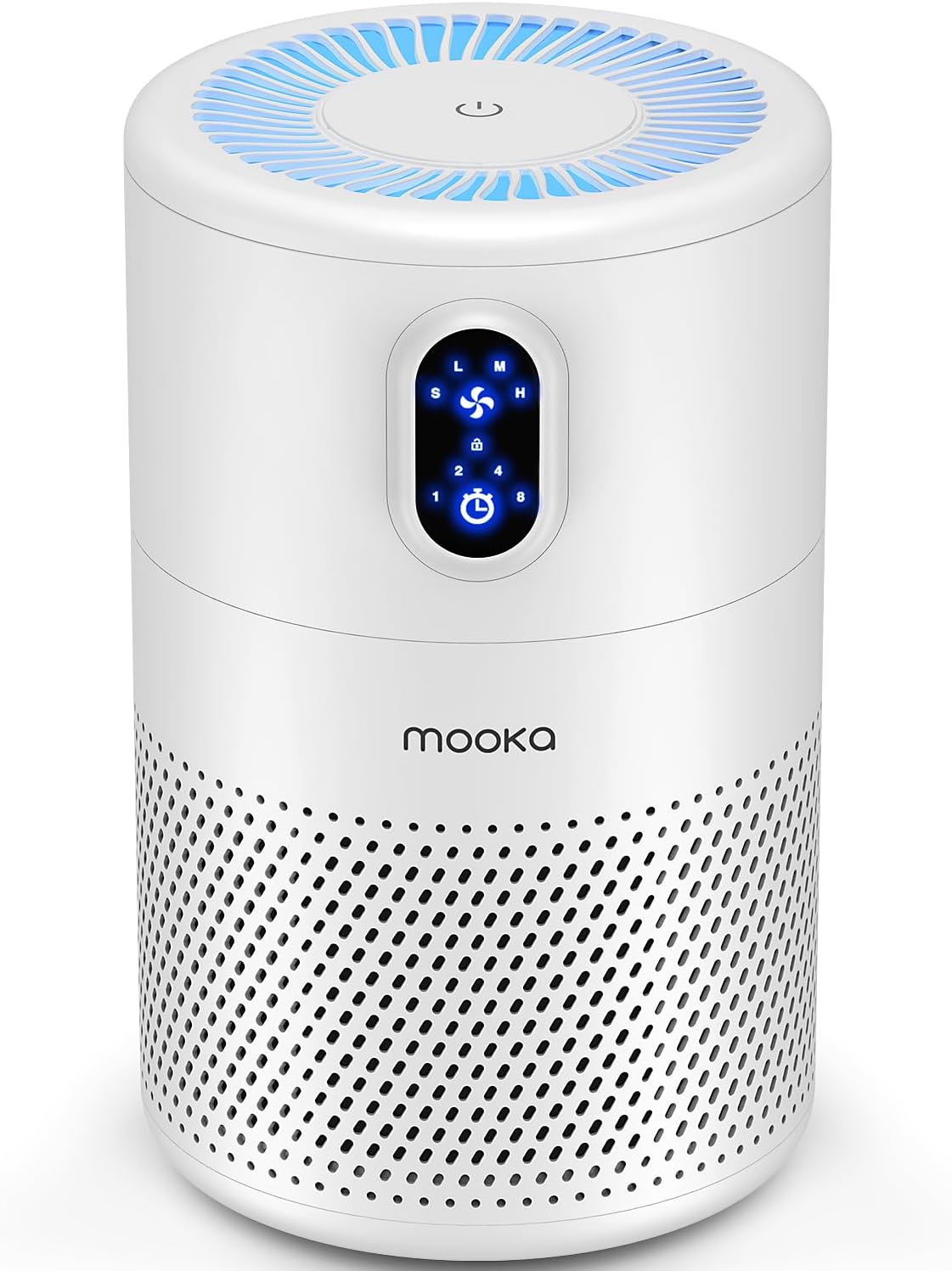
MOOKA H13 True HEPA Air Purifier for Home Large Room - 1076 sq ft Odor Eliminator
$39.97 $79.95
60% OFF

Ekouaer Women's Satin Silky Pajama Set - Short Sleeve Pullover Top & Wide-Leg Pants
$13.99 $34.99
55% OFF

Ekouaer 3-Piece Maternity & Nursing Pajamas Set - Short Sleeve Top with Shorts and Pants
$14.99 $32.99
11% OFF

VitaUp Beet Root Gummies with CoQ10 & Grape Seed - Nitric Oxide Circulation Support (60 Count)
$24.91 $27.91
Sealy 2-Pack Tritech 16" Twin Inflatable Air Mattress with Built-in AC Pump
$0 $113.99
20% OFF
INTEX Prism Frame 20ft x 52in Above Ground Pool Set - Round Steel Frame Swimming Pool
$695.99 $869.99

Gardner Pet 43" Heavy Duty Dog Crate with Wheels - Indestructible Folding Metal Cage (Black)
$0 $149.99
12% OFF

Elegant Mid-Century Modern Bar Stools - Set of 4
$395.99 $449.99
23% OFF

Ergonomic Office Chair - Big and Tall Desk Chair with Adjustable Lumbar Support
$279.99 $363.99
26% OFF

Magnelex American Flag Windshield Sun Shade - High-Resolution UV Reflective Heat Shield (X-Large)
$19.9 $26.9




-

Historic Lancashire church secures £250,000 National Lottery grant for major roof repairs
-

Sunderland Minster PCC was right to push back over trans toilet sign
-

Report warns religious freedom protections in Mexico exist largely ‘on paper’
-

Bethel Church distances itself from Todd Bentley and Mike Bickle
-

Christian police officer reaches settlement over diversity training discrimination claim
-

Turkey's hidden Christian past: Extraordinary discoveries are rewriting the story of early Christianity
Most Popular
News

Pride and the Gospel: the way of self or the way of Christ?
As Christians, our understanding of pride is shaped not primarily by culture, but by Scripture.

Campaign urging greater support for Christian education
Unite for Education founder, Niel Deepnarain, said Christians must be willing to engage publicly with educational issues rather than remain silent.

Welsh reverend speaks of culture of fear over LGBT issues
Many people have already left the Church in Wales over its stance on same-sex relationships, an evangelical leader has said.

Reddit users declare small Welsh church best place in the world
Users voted to eliminate one half of a map until only one location remained.
NEWFAST NF-RE523 AC1200 WiFi Extender - 1200Mbps Dual Band Signal Booster & Internet Repeater
$18.5
G Gradual Men's 7-inch Workout Running Shorts - Lightweight, Quick-Dry, Comfort
$12.91
HDPE All-Weather Adirondack Chair with Built-In Cup Holder - Tool-Free Assembly (Grey)
$69.99
HOMETUK Clear Plastic Storage Bins with Dividers - 3-Pack Stackable Acrylic Organizer Containers for Fridge and Pantry
$19.99
G Gradual Men's Fishing Shirt - UPF 50+ Lightweight Short Sleeve Button Down with Zipper Pockets
$14.99
Everyfun 60" Rectangular Platform Tree Swing - 700lbs Heavy Duty Adjustable Outdoor Swing (Colorful)
$49.99
Ekouaer Women's Casual Loose Jumpsuit - One-Piece Printed Sleeveless Wide Leg Romper with Pockets
$14.99
ROTAKE TB3 20V Heavy Duty 1/2" Cordless Impact Wrench Kit - 1380 Ft-Lbs Torque
$132
Men's Athletic Running Shorts with Zipper Pockets - Lightweight & Quick Dry
$12.74
Modern Ceiling Fan with Light and Remote - Reversible Quiet DC Motor
$69.3
MOOKA H13 True HEPA Air Purifier for Home Large Room - 1076 sq ft Odor Eliminator
$39.97
Ekouaer Women's Satin Silky Pajama Set - Short Sleeve Pullover Top & Wide-Leg Pants
$13.99
Ekouaer 3-Piece Maternity & Nursing Pajamas Set - Short Sleeve Top with Shorts and Pants
$14.99
VitaUp Beet Root Gummies with CoQ10 & Grape Seed - Nitric Oxide Circulation Support (60 Count)
$24.91
Sealy 2-Pack Tritech 16" Twin Inflatable Air Mattress with Built-in AC Pump
$0
INTEX Prism Frame 20ft x 52in Above Ground Pool Set - Round Steel Frame Swimming Pool
$695.99
Gardner Pet 43" Heavy Duty Dog Crate with Wheels - Indestructible Folding Metal Cage (Black)
$0
Elegant Mid-Century Modern Bar Stools - Set of 4
$395.99
Ergonomic Office Chair - Big and Tall Desk Chair with Adjustable Lumbar Support
$279.99
Magnelex American Flag Windshield Sun Shade - High-Resolution UV Reflective Heat Shield (X-Large)
$19.9