
|PIC1|Ministers hailed an emerging trade deal on Friday, as compromise proposals revitalised deadlocked talks at the World Trade Organisation (WTO).
But they warned that much work was still needed to get full agreement on the delicately crafted proposal.
"What's on the table is not perfect, it's not beautiful but it's finally put together what will be a genuine boost for the world economy and particularly good for developing countries," European Union trade chief Peter Mandelson said.
"There is an emerging deal but not a done deal," Mandelson said after a make-or-break meeting of ministers.
The optimistic tone was a remarkable turnaround from the gloom at the WTO earlier in the day, when Director-General Pascal Lamy warned the Doha round talks were on the brink of collapse because of the refusal of countries to negotiate.
And it represented an endorsement of Lamy's strategy of restricting the talks to seven key countries to crack open the toughest issues, ranging from caps on farm subsidies to limits on special treatment for developing countries.
THE TOTAL PACKAGE
"No one is happy with every detail," Australian Trade Minister Simon Crean told reporters. "But there is acceptance in the main that as a package it's the basis for moving forward and as a package it has to be accepted in the totality, not trying to pick apart aspects of the details."
Some countries were still expressing reservations, and it was clear that a deal in the Doha round - flagged at its launch in late 2001 as a way to boost the world economy and ease poverty - was not yet done.
Indian Commerce Minister Kamal Nath, whose tough stance earlier in the week was blamed by many colleagues for the deadlock, sounded more cautious, saying: "There are certain areas of concern, there are certain areas of consensus."
U.S. Trade Representative Susan Schwab said ministers had reached tentative agreement on the way forward, but added:
"I think the biggest concern that we have is that a handful of large emerging markets really threaten this round for the rest of us."
And Argentina, an important food exporter with strong reservations about the industry aspects of the talks, said the document "was not acceptable in its current form".
"Argentina rejects in its current state the document presented by... Pascal Lamy to reach agreement in the Doha round of trade talks," Foreign Minister Jorge Taiana said.
Another hurdle is likely to arise on Saturday, when Mandelson presents the package to the 27 EU member states.
Current EU president France has repeatedly quarrelled with Mandelson's negotiating stance, and on Friday the Irish Farmers Association called on its prime minister to veto any deal.
One of the key elements in the compromise was a cut in U.S. farm support to $14.5 billion (7.3 billion pounds), improving on Tuesday's offer from Schwab of $15 billion - one third of the current ceiling but double current outlays which have fallen as food prices soared.
Developing countries say U.S. and European subsidies deter their own farmers from producing, contributing to the current food crisis. They also object to the high level of protection that rich country farmers enjoy.
But rich countries want improved access to the markets for industrial goods and services in emerging nations like Brazil, India and China in return for freeing up their own farm sectors.
And developing country food exporters such as Thailand and Brazil differ with importers like India and Indonesia who want to keep barriers up to protect their subsistence farmers.
On Saturday negotiators will also look at the prospects of liberalising services such as banking and telecoms, which will colour the outcome of the core farming and industry talks that are the focus of the current talks.
But a range of technical and sensitive issues, such as a row over bananas, still threaten to hold up a deal.
"There's still a lot of work to be done because for instance we didn't deal with cotton, which is a central issue," said Brazilian Foreign Minister Celso Amorim.
And aid advocacy groups said the compromise was destroying the Doha round's original mandate to foster development.
"The result is a complicated mess reflecting a narrow set of commercial interests rather than a vision to reform the trading system," said Carin Smaller of the Institute for Agriculture and Trade Policy.
49% OFF
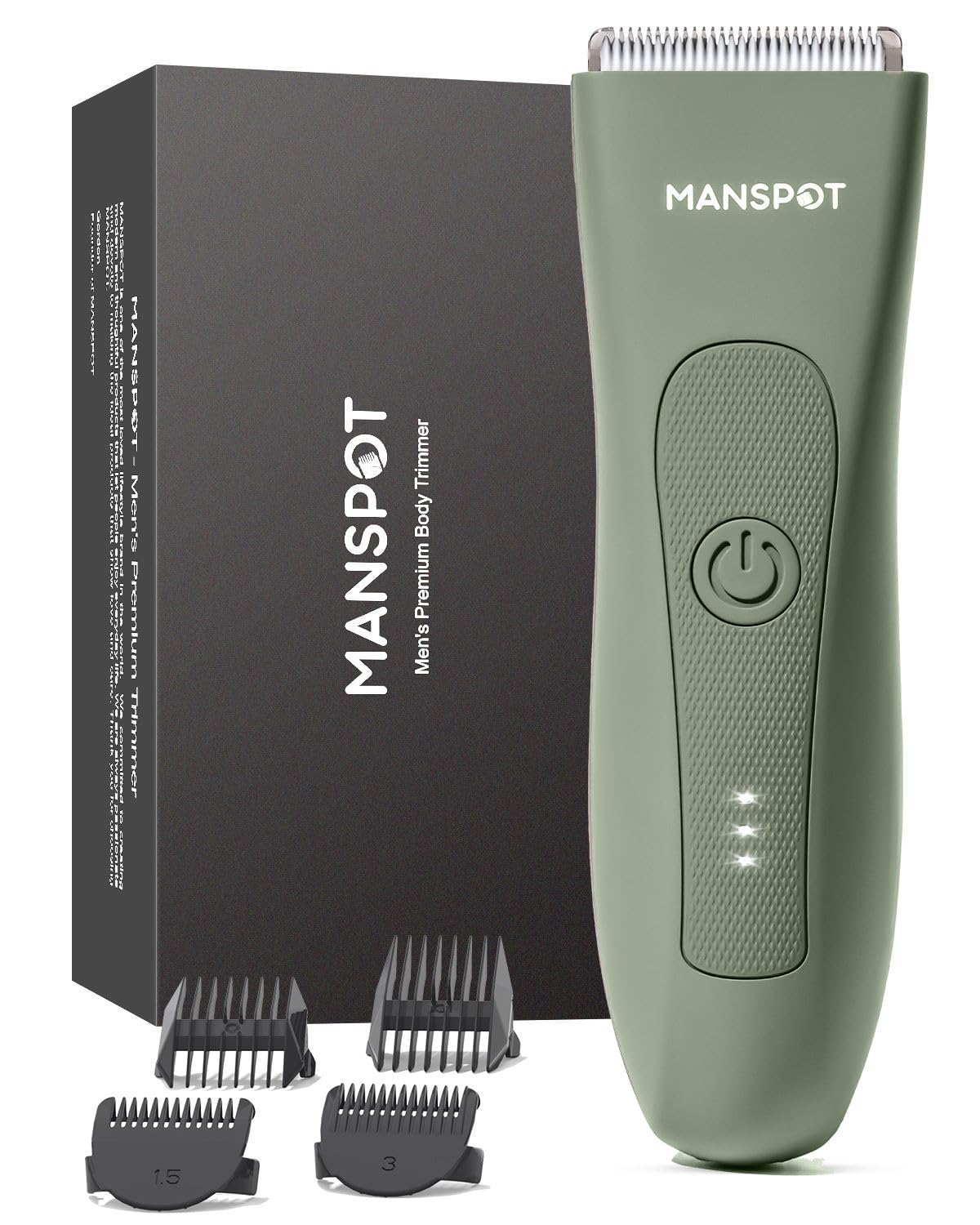
MANSPOT Electric Pubic Hair Trimmer - Waterproof Body and Groin Shaver for Men and Women (Black)
$20.39 $40
25% OFF

Lick-Safe Dog Paw and Nose Balm Stick - All-Natural Moisturizer with Coconut Oil for Dry, Cracked Pads and Snout
$11.69 $15.59
77% OFF
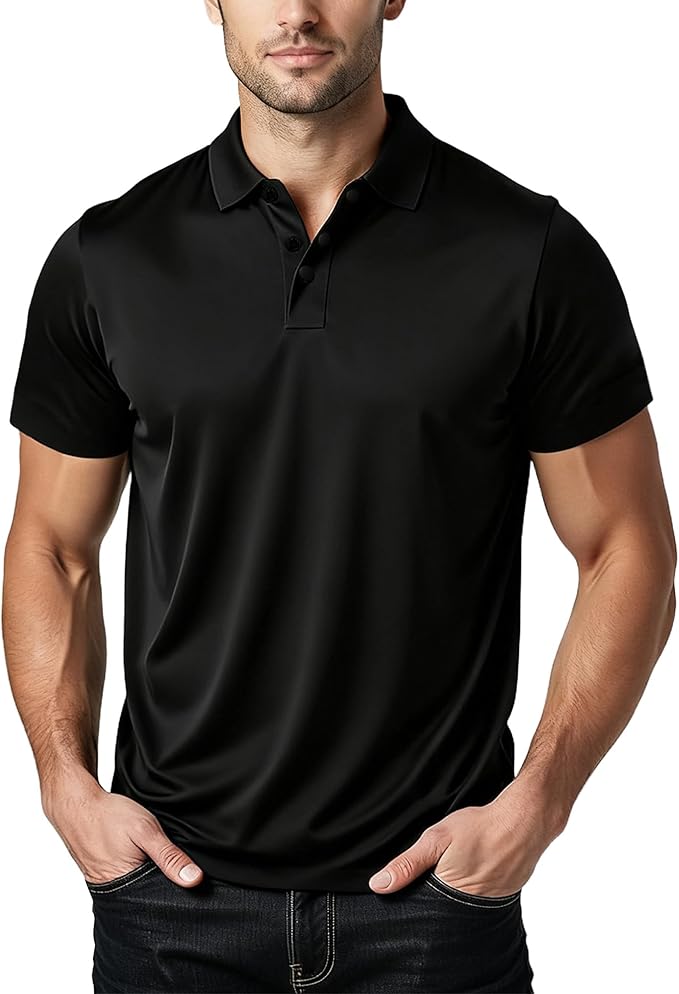
Men's Quick Dry Moisture Wicking Polo Shirt - High Elasticity Slim Fit Athletic Top (Runs Small)
$6.99 $29.99
46% OFF
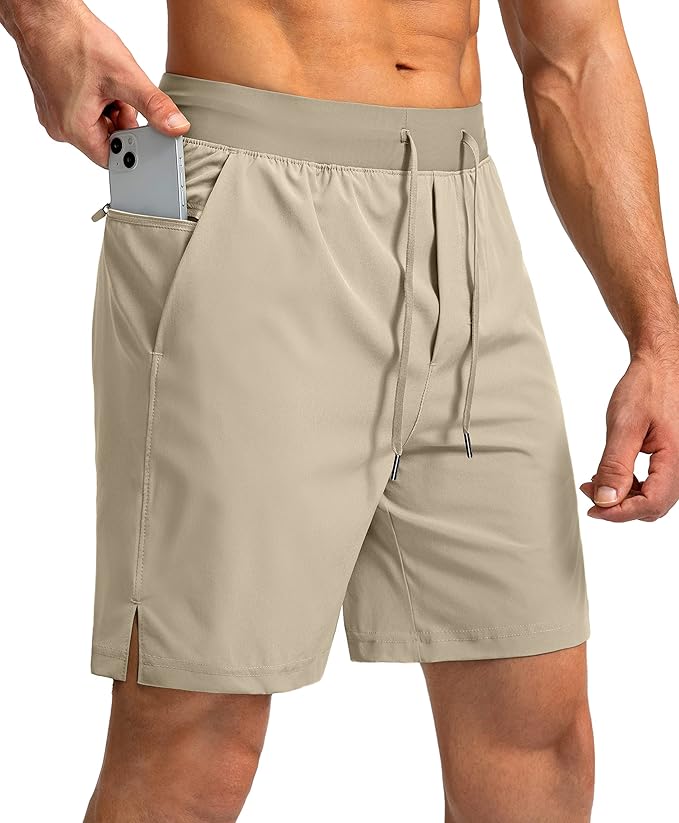
Men's Running Shorts with Zipper Pockets - Lightweight, Quick-Dry, Multi-Sport
$12.95 $23.99
50% OFF

NEWFAST NF-RE523 AC1200 WiFi Extender - 1200Mbps Dual Band Signal Booster & Internet Repeater
$18.5 $36.99
48% OFF
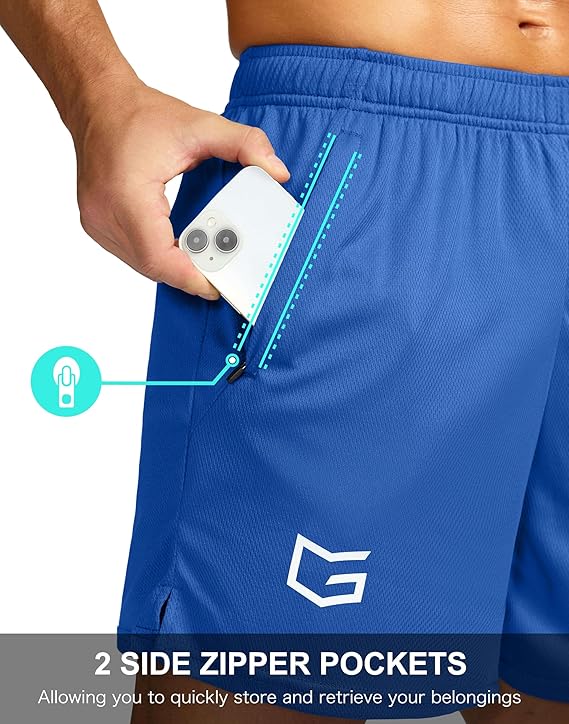
G Gradual Men's 7-inch Workout Running Shorts - Lightweight, Quick-Dry, Comfort
$12.91 $24.99
30% OFF
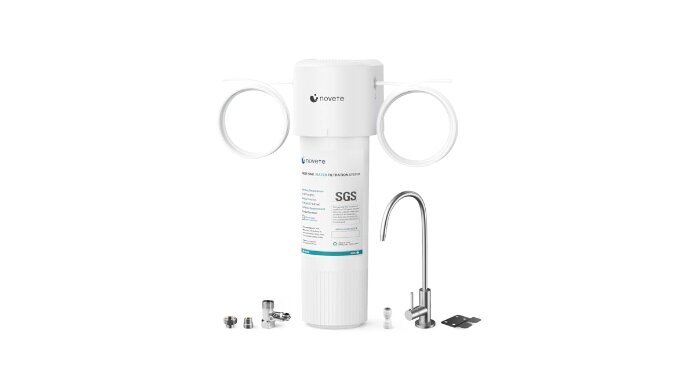
NOVETE Under Sink Water Filter - 3 Years, 30,000 Gallons, High-Efficiency Filtration
$41.99 $59.99
50% OFF

HDPE All-Weather Adirondack Chair with Built-In Cup Holder - Tool-Free Assembly (Grey)
$69.99 $139.99
60% OFF

HOMETUK Clear Plastic Storage Bins with Dividers - 3-Pack Stackable Acrylic Organizer Containers for Fridge and Pantry
$19.99 $49.99
58% OFF

G Gradual Men's Fishing Shirt - UPF 50+ Lightweight Short Sleeve Button Down with Zipper Pockets
$14.99 $35.99
55% OFF

Everyfun 60" Rectangular Platform Tree Swing - 700lbs Heavy Duty Adjustable Outdoor Swing (Colorful)
$49.99 $110.99
61% OFF

Ekouaer Women's Casual Loose Jumpsuit - One-Piece Printed Sleeveless Wide Leg Romper with Pockets
$14.99 $37.99
36% OFF

Men's Athletic Running Shorts with Zipper Pockets - Lightweight & Quick Dry
$12.74 $19.99
61% OFF

Modern Ceiling Fan with Light and Remote - Reversible Quiet DC Motor
$69.3 $179.99
50% OFF

MOOKA H13 True HEPA Air Purifier for Home Large Room - 1076 sq ft Odor Eliminator
$39.97 $79.95
40% OFF
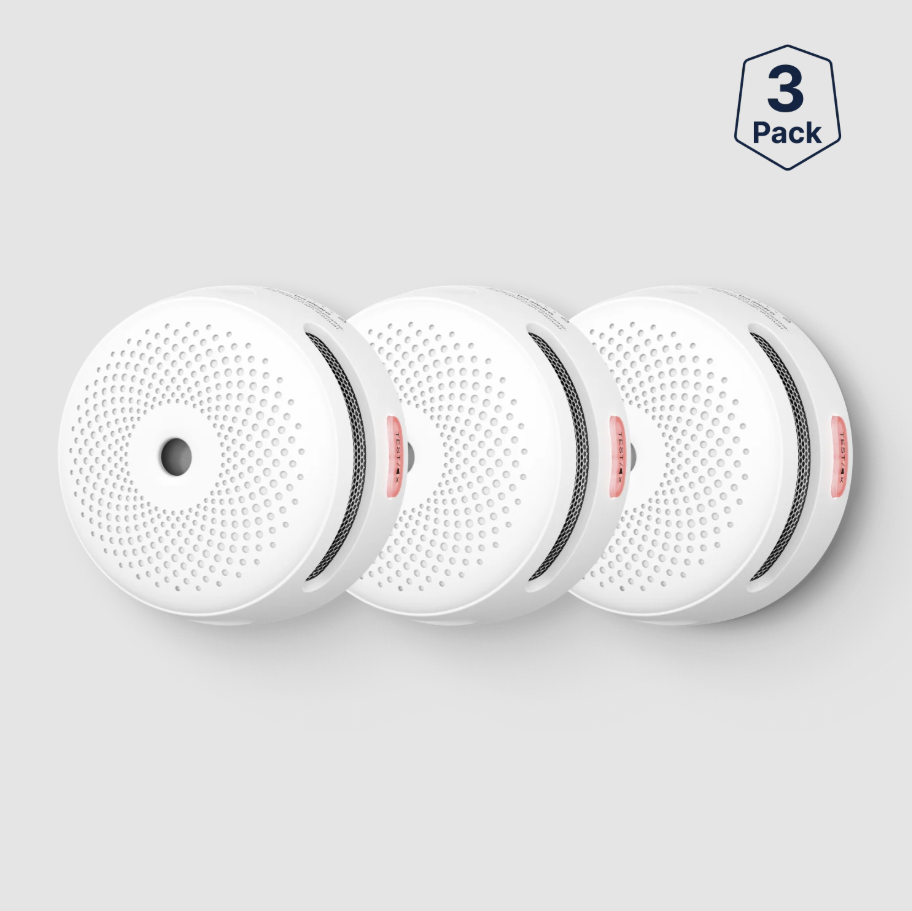
X-Sense XS01-WX Smart Smoke Alarm - 2.4 GHz Wi-Fi Photoelectric Fire Detector with Mobile App Alerts
$65.99 $109.99
11% OFF

VitaUp Beet Root Gummies with CoQ10 & Grape Seed - Nitric Oxide Circulation Support (60 Count)
$24.91 $27.91

Sealy 2-Pack Tritech 16" Twin Inflatable Air Mattress with Built-in AC Pump
$0 $113.99
20% OFF

INTEX Prism Frame 20ft x 52in Above Ground Pool Set - Round Steel Frame Swimming Pool
$695.99 $869.99

Gardner Pet 43" Heavy Duty Dog Crate with Wheels - Indestructible Folding Metal Cage (Black)
$0 $149.99




-

Anti-Christian hate crimes across Europe surge in May as arson attacks reach 2026 high
-

Belfast churches 'heartbroken' over unrest
-

Churches must disciple well and listen well in response to rise of Christian nationalism
-

Welsh reverend speaks of culture of fear over LGBT issues
-

South Wales Police back down on imposing Islamic 'blasphemy law'
-

Making cohabitation equal with marriage is 'unfair', Christians argue
Most Popular
News

Kyiv’s Dormition Cathedral badly damaged in major Russian strikes on Ukrainian capital
Kyiv’s historic Dormition Cathedral, part of the UNESCO-listed Pechersk Lavra monastery complex, caught fire overnight after a wave of Russian missile and drone strikes on the Ukrainian capital.

New attempt to revive assisted suicide bill faces opposition
Fresh attempts to make assisted suicide legal have been met with disappointment by opponents.

Anti-Christian hate crimes across Europe surge in May as arson attacks reach 2026 high
Anti-Christian incidents across Europe rose sharply in May, with new figures showing the highest monthly number of arson-related attacks recorded so far this year.

Gloucester churches come together to bless River Avon amid pollution concerns
It is part of a broader campaign against river pollution as concerns remain about the amount of untreated sewage in the Avon.
MANSPOT Electric Pubic Hair Trimmer - Waterproof Body and Groin Shaver for Men and Women (Black)
$20.39
Lick-Safe Dog Paw and Nose Balm Stick - All-Natural Moisturizer with Coconut Oil for Dry, Cracked Pads and Snout
$11.69
Men's Quick Dry Moisture Wicking Polo Shirt - High Elasticity Slim Fit Athletic Top (Runs Small)
$6.99
Men's Running Shorts with Zipper Pockets - Lightweight, Quick-Dry, Multi-Sport
$12.95
NEWFAST NF-RE523 AC1200 WiFi Extender - 1200Mbps Dual Band Signal Booster & Internet Repeater
$18.5
G Gradual Men's 7-inch Workout Running Shorts - Lightweight, Quick-Dry, Comfort
$12.91
NOVETE Under Sink Water Filter - 3 Years, 30,000 Gallons, High-Efficiency Filtration
$41.99
HDPE All-Weather Adirondack Chair with Built-In Cup Holder - Tool-Free Assembly (Grey)
$69.99
HOMETUK Clear Plastic Storage Bins with Dividers - 3-Pack Stackable Acrylic Organizer Containers for Fridge and Pantry
$19.99
G Gradual Men's Fishing Shirt - UPF 50+ Lightweight Short Sleeve Button Down with Zipper Pockets
$14.99
Everyfun 60" Rectangular Platform Tree Swing - 700lbs Heavy Duty Adjustable Outdoor Swing (Colorful)
$49.99
Ekouaer Women's Casual Loose Jumpsuit - One-Piece Printed Sleeveless Wide Leg Romper with Pockets
$14.99
Men's Athletic Running Shorts with Zipper Pockets - Lightweight & Quick Dry
$12.74
Modern Ceiling Fan with Light and Remote - Reversible Quiet DC Motor
$69.3
MOOKA H13 True HEPA Air Purifier for Home Large Room - 1076 sq ft Odor Eliminator
$39.97
X-Sense XS01-WX Smart Smoke Alarm - 2.4 GHz Wi-Fi Photoelectric Fire Detector with Mobile App Alerts
$65.99
VitaUp Beet Root Gummies with CoQ10 & Grape Seed - Nitric Oxide Circulation Support (60 Count)
$24.91
Sealy 2-Pack Tritech 16" Twin Inflatable Air Mattress with Built-in AC Pump
$0
INTEX Prism Frame 20ft x 52in Above Ground Pool Set - Round Steel Frame Swimming Pool
$695.99
Gardner Pet 43" Heavy Duty Dog Crate with Wheels - Indestructible Folding Metal Cage (Black)
$0