
With less than two weeks before the slated release of a movie that has some Christians fuming, the director of "The Golden Compass" recently attempted to shed the anti-Catholic, anti-God label that has been associated with the film and the book series from which it is based.
The Catholic League has urged parents to boycott the movie which the watchdog group claims to promote atheism as it tells the story of a girl on a quest to kill a character named "God."
"The three novels are extremely anti-faith in general, anti-Christian and anti-Catholic in particular, and pro-atheism," Kiera McCaffrey, director of communications for the Catholic League, told Cybercast News Service. "In each successive book, the anti-God agenda gets progressively stronger."
"Golden Compass" director Chris Weitz had denied pursuing an "atheist agenda" while making the movie, according to the first installment of a Q&A series on an MTV Movies blog. He had also pledged to discontinue as director if he felt he was "watering down" anti-religious themes in the movie's sequels, which would be based from the second and third books of Phillip Pullman's "His Dark Materials" trilogy.
Last Wednesday, in the second installment of the website's Q&A posting, Weitz said he doesn't find the content in the second and third books to be "anti-Catholic."
"I think that an accurate adaptation of 'The Subtle Knife' and 'The Amber Spyglass' would not be anti-Catholic," said Weitz, referring to the titles of the second and third part of "His Dark Materials." "What would be anti-Catholic would be to go out of one's way to attack people's beliefs."
While the Church is clearly the antagonist of the series, the film only refers to the institution as the Magisterium - which is the teaching arm of the Church that interprets the Word of God.
"The Church is portrayed as a totally corrupt, oppressive institution - all churches are. There is no God. It's just an idea that's been concocted to keep people in chains," said McCaffrey.
Critics say the anti-religious references were intentionally removed to make the pro-atheist series more marketable toward children. They also point out that Pullman is an avowed atheist who has publicly stated that his books are a direct response to the "Chronicles of Narnia" series by Christian author C.S. Lewis.
"It's true that Pullman takes issue with dogma and with the abuse of religion for political power, but the critique about dogma applies far more widely than Catholicism or even religion," said Weitz. "The last time that the Catholic church directly exerted political power on a state level was during the middle ages."
Weitz also attempted to defend Pullman, saying that the charge that Pullman wants to "kill God" in the minds of readers is "wrongheaded."
Pullman had said his "books are about killing God," according to a past interview.
"I think Pullman probably has an issue with a certain view of God - which is to say, as a subject worth killing people over," continued Weitz. "In that regard, the institution that I think most closely resembles the Magisterium is the government of Iran."
"I think it's a shame that people are reacting to a movie they haven't seen by attacking a book they haven't understood," he added.
Still, many critics can't ignore the mounted evidence against Pullman including the fact that the novels are based from a line in John Milton's classic poem on Satan's fall from heaven, "Paradise Lost."
Kurt Bruner, co-author of the book, Shedding Light on His Dark Materials, says Pullman's books are definitely anti-religious.
"In many ways, Philip Pullman has taken Satan's side of the argument and has created a world and a story which is all about Satan overthrowing the authority of God," Bruner told Cybercast News Service.
Weitz is expected to answer further questions on the movie in a third installment of questions this Wednesday.
The movie features Nicole Kidman and James Bond star Daniel Craig and opens in theaters on Dec. 7.
50% OFF
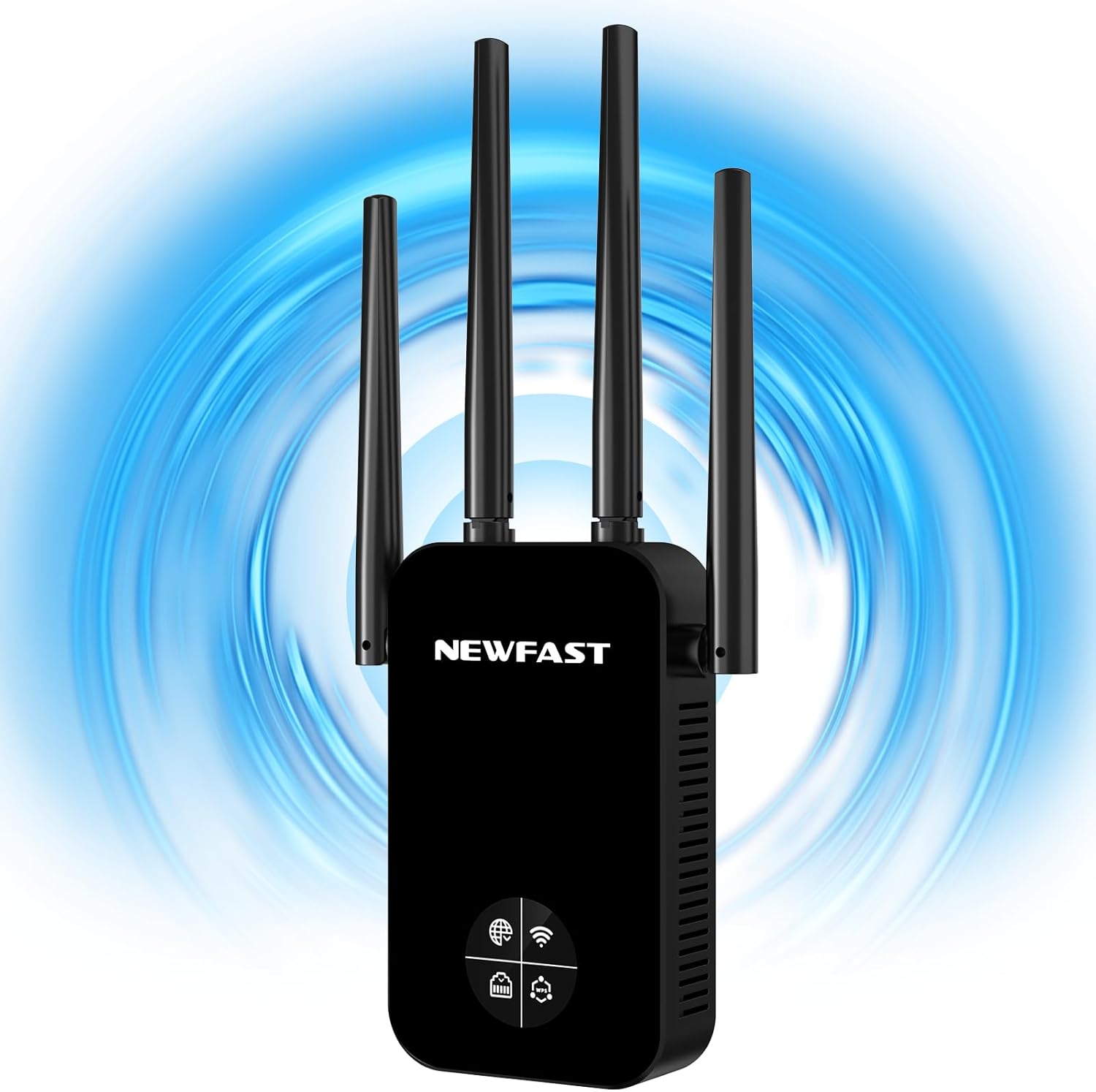
NEWFAST NF-RE523 AC1200 WiFi Extender - 1200Mbps Dual Band Signal Booster & Internet Repeater
$18.5 $36.99
48% OFF
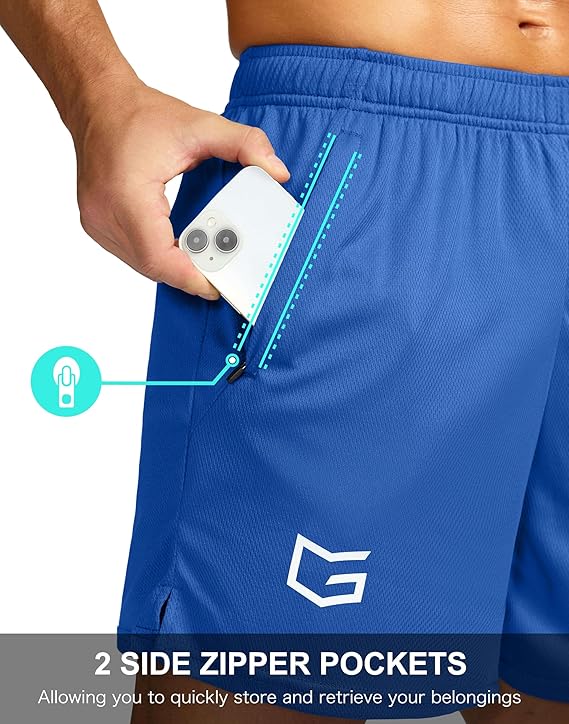
G Gradual Men's 7-inch Workout Running Shorts - Lightweight, Quick-Dry, Comfort
$12.91 $24.99
50% OFF

HDPE All-Weather Adirondack Chair with Built-In Cup Holder - Tool-Free Assembly (Grey)
$69.99 $139.99
60% OFF

HOMETUK Clear Plastic Storage Bins with Dividers - 3-Pack Stackable Acrylic Organizer Containers for Fridge and Pantry
$19.99 $49.99
58% OFF

G Gradual Men's Fishing Shirt - UPF 50+ Lightweight Short Sleeve Button Down with Zipper Pockets
$14.99 $35.99
55% OFF

Everyfun 60" Rectangular Platform Tree Swing - 700lbs Heavy Duty Adjustable Outdoor Swing (Colorful)
$49.99 $110.99
61% OFF

Ekouaer Women's Casual Loose Jumpsuit - One-Piece Printed Sleeveless Wide Leg Romper with Pockets
$14.99 $37.99
40% OFF

ROTAKE TB3 20V Heavy Duty 1/2" Cordless Impact Wrench Kit - 1380 Ft-Lbs Torque
$132 $219.99
36% OFF

Men's Athletic Running Shorts with Zipper Pockets - Lightweight & Quick Dry
$12.74 $19.99
61% OFF

Modern Ceiling Fan with Light and Remote - Reversible Quiet DC Motor
$69.3 $179.99
50% OFF

MOOKA H13 True HEPA Air Purifier for Home Large Room - 1076 sq ft Odor Eliminator
$39.97 $79.95
60% OFF

Ekouaer Women's Satin Silky Pajama Set - Short Sleeve Pullover Top & Wide-Leg Pants
$13.99 $34.99
55% OFF

Ekouaer 3-Piece Maternity & Nursing Pajamas Set - Short Sleeve Top with Shorts and Pants
$14.99 $32.99
11% OFF

VitaUp Beet Root Gummies with CoQ10 & Grape Seed - Nitric Oxide Circulation Support (60 Count)
$24.91 $27.91

Sealy 2-Pack Tritech 16" Twin Inflatable Air Mattress with Built-in AC Pump
$0 $113.99
20% OFF

INTEX Prism Frame 20ft x 52in Above Ground Pool Set - Round Steel Frame Swimming Pool
$695.99 $869.99

Gardner Pet 43" Heavy Duty Dog Crate with Wheels - Indestructible Folding Metal Cage (Black)
$0 $149.99
12% OFF

Elegant Mid-Century Modern Bar Stools - Set of 4
$395.99 $449.99
23% OFF

Ergonomic Office Chair - Big and Tall Desk Chair with Adjustable Lumbar Support
$279.99 $363.99
26% OFF

Magnelex American Flag Windshield Sun Shade - High-Resolution UV Reflective Heat Shield (X-Large)
$19.9 $26.9




-

Historic Lancashire church secures £250,000 National Lottery grant for major roof repairs
-

Sunderland Minster PCC was right to push back over trans toilet sign
-

Report warns religious freedom protections in Mexico exist largely ‘on paper’
-

Bethel Church distances itself from Todd Bentley and Mike Bickle
-

Christian police officer reaches settlement over diversity training discrimination claim
-

Turkey's hidden Christian past: Extraordinary discoveries are rewriting the story of early Christianity
Most Popular
News

Pride and the Gospel: the way of self or the way of Christ?
As Christians, our understanding of pride is shaped not primarily by culture, but by Scripture.
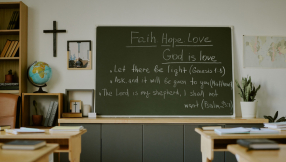
Campaign urging greater support for Christian education
Unite for Education founder, Niel Deepnarain, said Christians must be willing to engage publicly with educational issues rather than remain silent.

Welsh reverend speaks of culture of fear over LGBT issues
Many people have already left the Church in Wales over its stance on same-sex relationships, an evangelical leader has said.

Reddit users declare small Welsh church best place in the world
Users voted to eliminate one half of a map until only one location remained.
NEWFAST NF-RE523 AC1200 WiFi Extender - 1200Mbps Dual Band Signal Booster & Internet Repeater
$18.5
G Gradual Men's 7-inch Workout Running Shorts - Lightweight, Quick-Dry, Comfort
$12.91
HDPE All-Weather Adirondack Chair with Built-In Cup Holder - Tool-Free Assembly (Grey)
$69.99
HOMETUK Clear Plastic Storage Bins with Dividers - 3-Pack Stackable Acrylic Organizer Containers for Fridge and Pantry
$19.99
G Gradual Men's Fishing Shirt - UPF 50+ Lightweight Short Sleeve Button Down with Zipper Pockets
$14.99
Everyfun 60" Rectangular Platform Tree Swing - 700lbs Heavy Duty Adjustable Outdoor Swing (Colorful)
$49.99
Ekouaer Women's Casual Loose Jumpsuit - One-Piece Printed Sleeveless Wide Leg Romper with Pockets
$14.99
ROTAKE TB3 20V Heavy Duty 1/2" Cordless Impact Wrench Kit - 1380 Ft-Lbs Torque
$132
Men's Athletic Running Shorts with Zipper Pockets - Lightweight & Quick Dry
$12.74
Modern Ceiling Fan with Light and Remote - Reversible Quiet DC Motor
$69.3
MOOKA H13 True HEPA Air Purifier for Home Large Room - 1076 sq ft Odor Eliminator
$39.97
Ekouaer Women's Satin Silky Pajama Set - Short Sleeve Pullover Top & Wide-Leg Pants
$13.99
Ekouaer 3-Piece Maternity & Nursing Pajamas Set - Short Sleeve Top with Shorts and Pants
$14.99
VitaUp Beet Root Gummies with CoQ10 & Grape Seed - Nitric Oxide Circulation Support (60 Count)
$24.91
Sealy 2-Pack Tritech 16" Twin Inflatable Air Mattress with Built-in AC Pump
$0
INTEX Prism Frame 20ft x 52in Above Ground Pool Set - Round Steel Frame Swimming Pool
$695.99
Gardner Pet 43" Heavy Duty Dog Crate with Wheels - Indestructible Folding Metal Cage (Black)
$0
Elegant Mid-Century Modern Bar Stools - Set of 4
$395.99
Ergonomic Office Chair - Big and Tall Desk Chair with Adjustable Lumbar Support
$279.99
Magnelex American Flag Windshield Sun Shade - High-Resolution UV Reflective Heat Shield (X-Large)
$19.9