Demands for exorcisms have reached such a peak that priests are casting out demons over the phone, a Vatican conference on exorcism was told.
More than 200 aspiring exorcists gathered in Rome for the week-long training programme, where Catholic Church officials insist the number of demonic possessions is on the rise, saying the internet and television programmes have prompted a 'fascination' with the occult.
'The number of exorcisms has definitely increased over the years, as the requests to carry out exorcisms has increased,' said Professor Giuseppe Ferrari, an organiser of the 'Course on Exorcism and the Prayer of Liberation' at the Vatican-approved Pontifical Regina Apostolorum University in Rome.
'This course is useful because it prepares the priests who carry out exorcisms to have a complete vision, a multi-disciplined view of the situation,' he added.
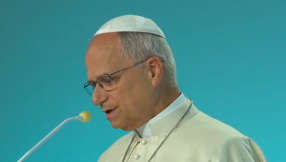
Cardinal Ernest Simoni, an Albanian Catholic leader, raised eyebrows by suggesting 'there are priests who carry out exorcisms on their mobile phones'.
'That's possible thanks to Jesus,' he told the conference.
Professor Ferrari said: 'Priests pray with people on the phone to calm them down, but if you are not there you cannot control the physical aspects.'
He added: 'Some exorcists say it is effective. Whether it is orthodox or correct, I couldn't say.'
Now in its 13<sup>th year, the annual conference is part of a push to increase priests' training around exorcism with the Vatican insisting that every diocese in the world ought to have a trained exorcist.
In Italy alone there are around 300 exorcist priests to deal with the half a million people who have asked to be rid of demonic possession in the last decade.
'Demand is growing, absolutely,' said Father Anthony Barratt, a British priest based in Albany, New York State. 'I think it is partly due to the internet, which makes it (satanism) so accessible. Films and television programmes are also a factor. There's a fascination.'
While the idea of exorcism may prompt ridicule or concern, experts insist they can tell the difference between someone who is mentally unwell and a demonic possession.
'There's a protocol. A person will be referred by the parish priest. There may then be an assessment by a psychologist. They may be bipolar or there could be issues with drug abuse, which does serious damage to the brain. It's a lengthy process,' said Father Barratt. 'Only a very small number of people need an exorcism.'
But when possession does occur, the effects are dramatic and including developing supernatural strength, speaking in languages they didn't know and vomiting nails, priests at the conference said according to the Telegraph.
'Most commonly they speak Latin, Hebrew and Aramaic,' said Father Pedro Barrajon, a Spanish priest who used to organise the conference.
'If you show them a holy object, like a rosary or a cross or a picture of the Madonna, they go into shock and start yelling.'