
LISBON - European Union leaders signed the Treaty of Lisbon on Thursday to reform the bloc's institutions and give it stronger leadership, marking the end of a difficult process that has lasted nearly a decade.
At an elaborate signing ceremony at Lisbon's grandiose Jeronimos Monastery, leaders said the treaty would open a new chapter in EU history by giving it a more robust foreign policy and more democracy in decision-making.
The treaty replaces an ambitious constitution that was scrapped after French and Dutch voters rejected it in 2005.
"This was the European project that many generations dreamt of and others before us championed, with a vision of the future," Portuguese Prime Minister Jose Socrates said at the ceremony.
"Europe was blocked, without knowing how to move forward and we found the solution with this treaty," French President Nicolas Sarkozy told reporters.
The treaty is a toned down version of the constitution and EU leaders hope it will be effective in adapting the bloc's structures to having 27 members, after it opened its doors to 12 mostly ex-communist states in 2004 and 2007.
"For the first time, the countries that were once divided by a totalitarian curtain, are now united in support of a common treaty that they had themselves negotiated," European Commission President Jose Manuel Barroso told the leaders.
"It is the treaty of an enlarged Europe from the Mediterranean to the Baltic, from the Atlantic Ocean to the Black Sea," he said.
LONG-TERM PRESIDENT
The bloc's rotating presidencies will end with the new treaty and be replaced in 2009 with a long-term president of the European Council, who will chair summits. The treaty will also create a foreign policy high representative.
It will allow more decisions to be taken by majority voting, notably on justice and security issues, and give more say to the European and national parliaments. A charter of fundamental European rights is attached to the treaty.
The leaders signed the treaty in the monastery's cloister, taking turns to sign under the hall's elaborate arches while Beethoven's Ode to Joy was played in the background.
Afterwards, the leaders hopped on a tram with the words 'Treaty of Lisbon' written on its side to travel the short distance to lunch at a nearby museum.
The signing will start a ratification process by national EU parliaments that leaders hope will avoid the 2005 "No" by French and Dutch voters to the proposed constitution.
This time around, only Ireland is planning a referendum, reducing the risks of an upset, even though polls suggest many Irish voters are undecided or indifferent.
Portuguese Foreign Minister Luis Amado warned in an interview on Thursday that failure to ratify the treaty would create fresh turmoil in Europe.
"We would have a political crisis in Europe, a serious one, worse than the one we've already been through," Amado told the Spanish daily ABC.
In streamlining decision-making and ending a drawn-out process, officials hope the treaty can allow the EU to turn to more important things, such as job creation and the challenges of globalisation.
Prime Minister Gordon Brown signed the treaty later at the restaurant where the leaders had lunch after delaying his arrival due to an appearance before a parliamentary committee.
Brown's Foreign Secretary David Miliband said: "This is a day for Europe to look to the future."
50% OFF
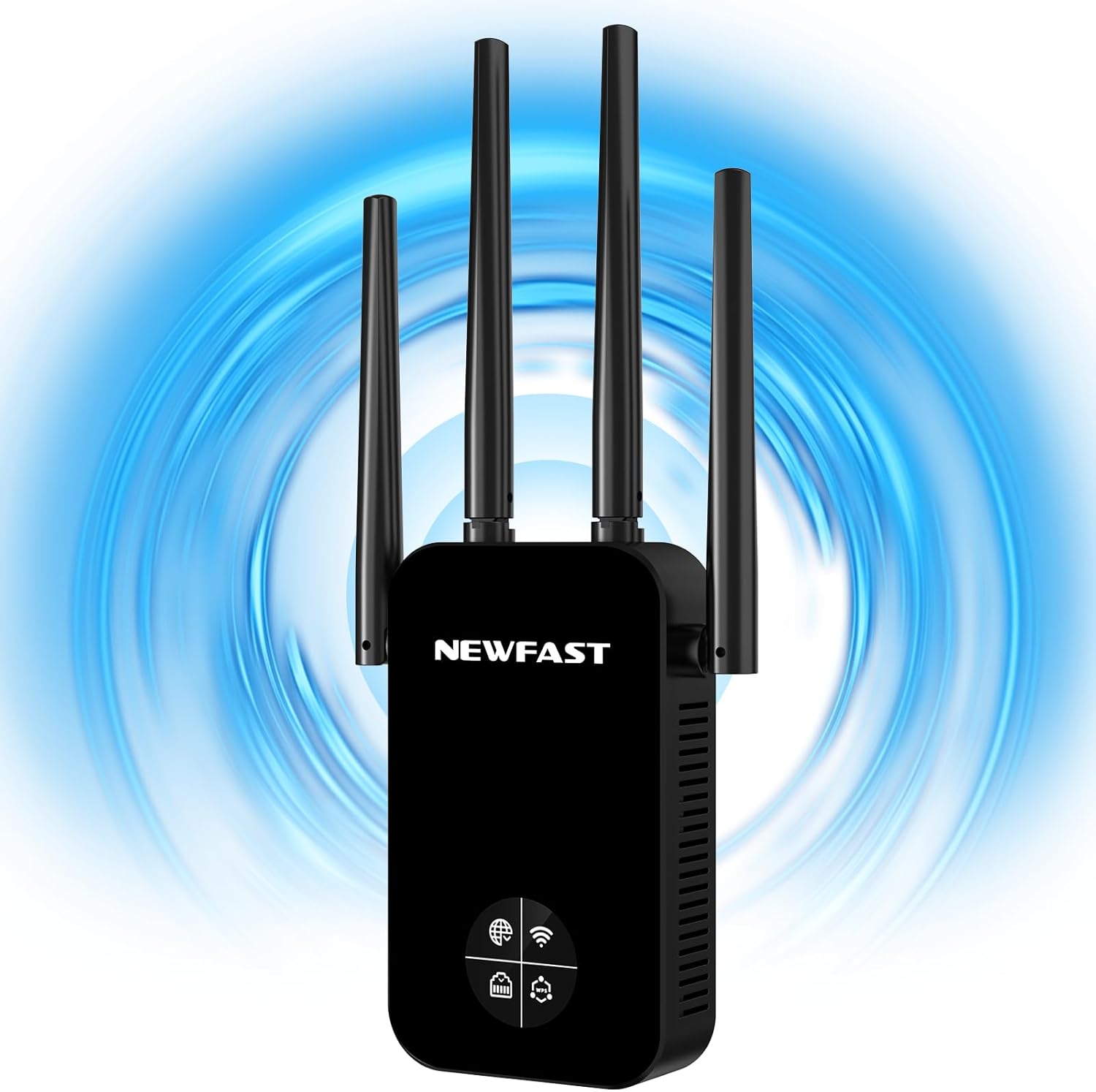
NEWFAST NF-RE523 AC1200 WiFi Extender - 1200Mbps Dual Band Signal Booster & Internet Repeater
$18.5 $36.99
48% OFF
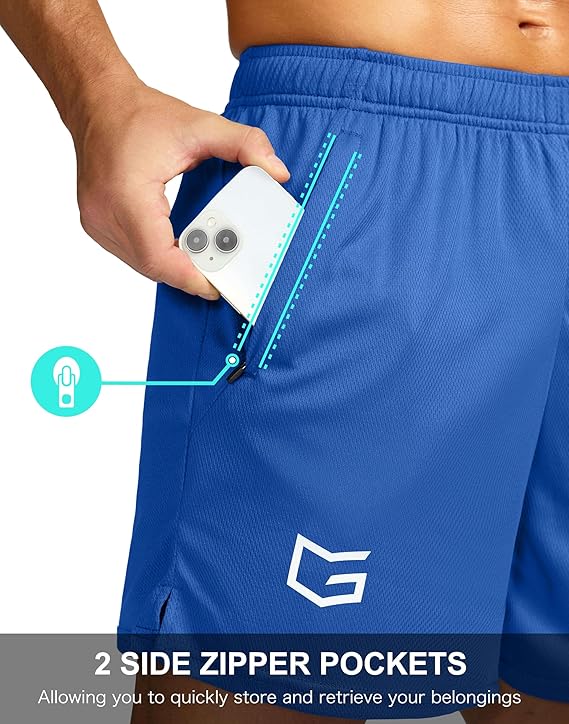
G Gradual Men's 7-inch Workout Running Shorts - Lightweight, Quick-Dry, Comfort
$12.91 $24.99
50% OFF

HDPE All-Weather Adirondack Chair with Built-In Cup Holder - Tool-Free Assembly (Grey)
$69.99 $139.99
60% OFF

HOMETUK Clear Plastic Storage Bins with Dividers - 3-Pack Stackable Acrylic Organizer Containers for Fridge and Pantry
$19.99 $49.99
58% OFF

G Gradual Men's Fishing Shirt - UPF 50+ Lightweight Short Sleeve Button Down with Zipper Pockets
$14.99 $35.99
55% OFF

Everyfun 60" Rectangular Platform Tree Swing - 700lbs Heavy Duty Adjustable Outdoor Swing (Colorful)
$49.99 $110.99
61% OFF

Ekouaer Women's Casual Loose Jumpsuit - One-Piece Printed Sleeveless Wide Leg Romper with Pockets
$14.99 $37.99
40% OFF
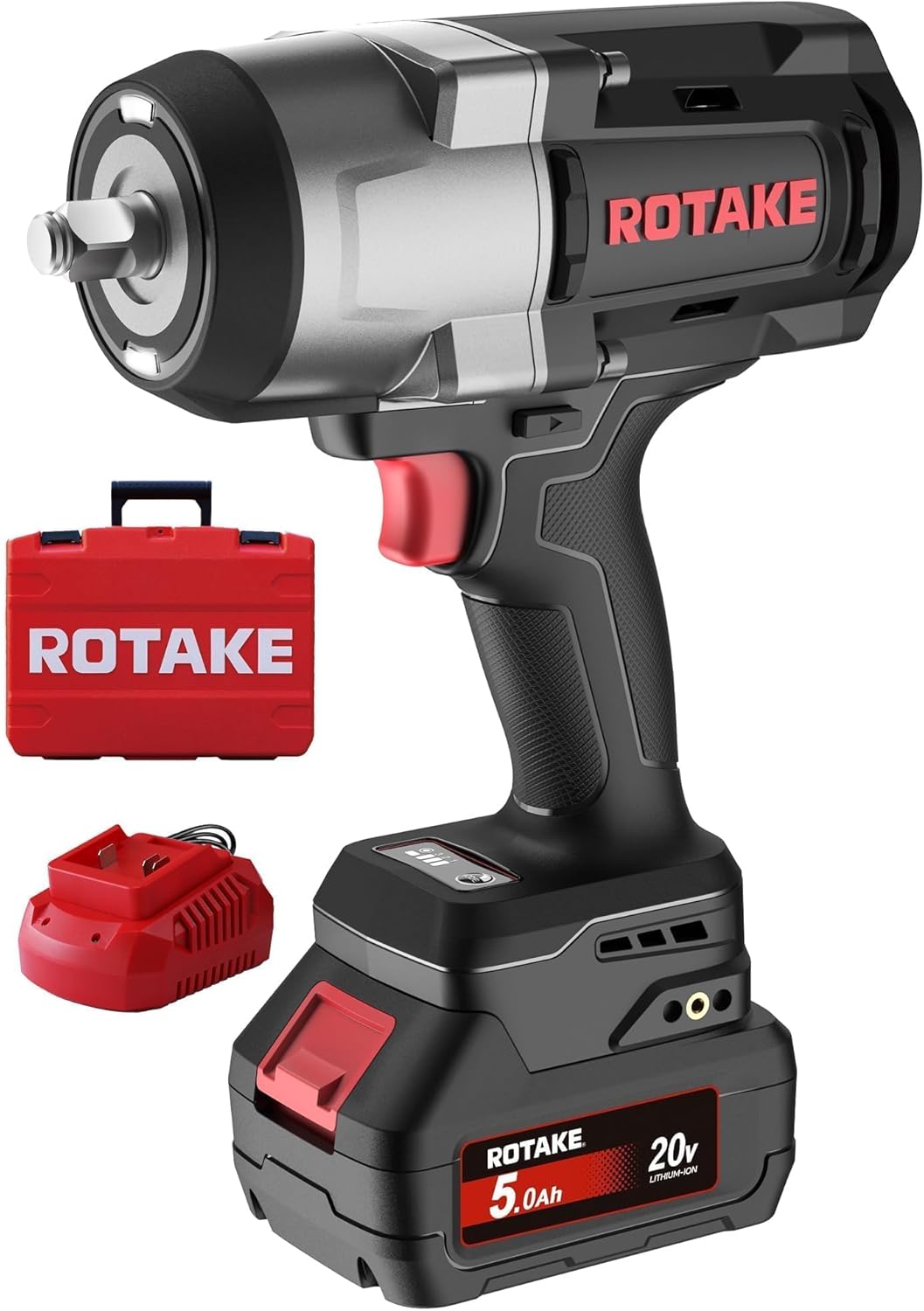
ROTAKE TB3 20V Heavy Duty 1/2" Cordless Impact Wrench Kit - 1380 Ft-Lbs Torque
$132 $219.99
36% OFF

Men's Athletic Running Shorts with Zipper Pockets - Lightweight & Quick Dry
$12.74 $19.99
61% OFF

Modern Ceiling Fan with Light and Remote - Reversible Quiet DC Motor
$69.3 $179.99
50% OFF

MOOKA H13 True HEPA Air Purifier for Home Large Room - 1076 sq ft Odor Eliminator
$39.97 $79.95
60% OFF

Ekouaer Women's Satin Silky Pajama Set - Short Sleeve Pullover Top & Wide-Leg Pants
$13.99 $34.99
55% OFF

Ekouaer 3-Piece Maternity & Nursing Pajamas Set - Short Sleeve Top with Shorts and Pants
$14.99 $32.99
11% OFF

VitaUp Beet Root Gummies with CoQ10 & Grape Seed - Nitric Oxide Circulation Support (60 Count)
$24.91 $27.91

Sealy 2-Pack Tritech 16" Twin Inflatable Air Mattress with Built-in AC Pump
$0 $113.99
20% OFF

INTEX Prism Frame 20ft x 52in Above Ground Pool Set - Round Steel Frame Swimming Pool
$695.99 $869.99

Gardner Pet 43" Heavy Duty Dog Crate with Wheels - Indestructible Folding Metal Cage (Black)
$0 $149.99
12% OFF

Elegant Mid-Century Modern Bar Stools - Set of 4
$395.99 $449.99
23% OFF

Ergonomic Office Chair - Big and Tall Desk Chair with Adjustable Lumbar Support
$279.99 $363.99
26% OFF

Magnelex American Flag Windshield Sun Shade - High-Resolution UV Reflective Heat Shield (X-Large)
$19.9 $26.9




-

Historic Lancashire church secures £250,000 National Lottery grant for major roof repairs
-
Sunderland Minster PCC was right to push back over trans toilet sign
-

Bethel Church distances itself from Todd Bentley and Mike Bickle
-

Christian police officer reaches settlement over diversity training discrimination claim
-
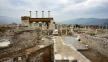
Turkey's hidden Christian past: Extraordinary discoveries are rewriting the story of early Christianity
-

Diary of a CEO’s Steven Bartlett and John Lennox discuss AI, faith and the search for meaning
Most Popular
News

Praying for the World Cup
Let's pray that in a world of conflict and division the World Cup may bring joy to many this summer.
Pride and the Gospel: the way of self or the way of Christ?
As Christians, our understanding of pride is shaped not primarily by culture, but by Scripture.
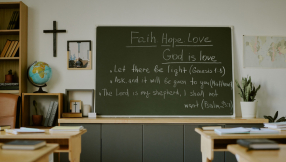
Campaign urging greater support for Christian education
Unite for Education founder, Niel Deepnarain, said Christians must be willing to engage publicly with educational issues rather than remain silent.
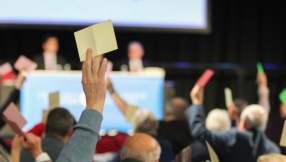
Welsh reverend speaks of culture of fear over LGBT issues
Many people have already left the Church in Wales over its stance on same-sex relationships, an evangelical leader has said.
NEWFAST NF-RE523 AC1200 WiFi Extender - 1200Mbps Dual Band Signal Booster & Internet Repeater
$18.5
G Gradual Men's 7-inch Workout Running Shorts - Lightweight, Quick-Dry, Comfort
$12.91
HDPE All-Weather Adirondack Chair with Built-In Cup Holder - Tool-Free Assembly (Grey)
$69.99
HOMETUK Clear Plastic Storage Bins with Dividers - 3-Pack Stackable Acrylic Organizer Containers for Fridge and Pantry
$19.99
G Gradual Men's Fishing Shirt - UPF 50+ Lightweight Short Sleeve Button Down with Zipper Pockets
$14.99
Everyfun 60" Rectangular Platform Tree Swing - 700lbs Heavy Duty Adjustable Outdoor Swing (Colorful)
$49.99
Ekouaer Women's Casual Loose Jumpsuit - One-Piece Printed Sleeveless Wide Leg Romper with Pockets
$14.99
ROTAKE TB3 20V Heavy Duty 1/2" Cordless Impact Wrench Kit - 1380 Ft-Lbs Torque
$132
Men's Athletic Running Shorts with Zipper Pockets - Lightweight & Quick Dry
$12.74
Modern Ceiling Fan with Light and Remote - Reversible Quiet DC Motor
$69.3
MOOKA H13 True HEPA Air Purifier for Home Large Room - 1076 sq ft Odor Eliminator
$39.97
Ekouaer Women's Satin Silky Pajama Set - Short Sleeve Pullover Top & Wide-Leg Pants
$13.99
Ekouaer 3-Piece Maternity & Nursing Pajamas Set - Short Sleeve Top with Shorts and Pants
$14.99
VitaUp Beet Root Gummies with CoQ10 & Grape Seed - Nitric Oxide Circulation Support (60 Count)
$24.91
Sealy 2-Pack Tritech 16" Twin Inflatable Air Mattress with Built-in AC Pump
$0
INTEX Prism Frame 20ft x 52in Above Ground Pool Set - Round Steel Frame Swimming Pool
$695.99
Gardner Pet 43" Heavy Duty Dog Crate with Wheels - Indestructible Folding Metal Cage (Black)
$0
Elegant Mid-Century Modern Bar Stools - Set of 4
$395.99
Ergonomic Office Chair - Big and Tall Desk Chair with Adjustable Lumbar Support
$279.99
Magnelex American Flag Windshield Sun Shade - High-Resolution UV Reflective Heat Shield (X-Large)
$19.9