
The United States and the European Union told Iran on Tuesday they were ready to impose more sanctions over its nuclear enrichment programme.
But President George W. Bush acknowledged the limits of U.S. influence over Tehran and, in the twilight of his presidency, appeared resigned to leaving the standoff to his successor.
"I leave behind a multilateral framework to work on this issue," Bush said after a U.S.-EU summit at a Slovenian castle.
"A group of countries can send a clear message to the Iranians, and that is: We're going to continue to isolate you ... we'll find new sanctions if need be, if you continue to deny the just demands of the free world, which is to give up your enrichment programme," he said.
He stopped short of repeating the U.S. position that all options, including military action, remain open. "Now is the time for there to be strong diplomacy," Bush said.
A joint communique after his final summit with the 27-nation EU said both sides were ready to take additional measures on top of three rounds of United Nations sanctions -- an implicit recognition that tougher Security Council action might be difficult due to Russian and Chinese resistance.
Bush met Slovenian leaders, who hold the EU's rotating presidency, as well as European Commission President Jose Manuel Barroso and EU foreign policy chief Javier Solana, who has led efforts to get Iran to scrap its enrichment programme.
The president later arrived in Germany where he will hold talks with Chancellor Angela Merkel on Iran, climate change and oil prices at Meseberg, north of Berlin, before heading to Rome, France and Britain as part of a week-long European tour.
INCENTIVES
Solana is due to travel to Iran at the weekend to present a new offer by major powers of incentives for it to suspend the programme but he has played down prospects of a breakthrough.
"Iran with a nuclear weapon would be incredibly dangerous for world peace," Bush said.
All agree Iran should not be allowed to acquire nuclear weapons. Tehran insists its programme is for civilian purposes.
But it remained unclear how far the Europeans, who rarely echo Bush's harsh rhetoric against Iran and have sometimes been reluctant to get tougher, would be willing to go.
Washington has pressed the EU to deny some Iranian banks access to the world financial system. European External Relations Commissioner Benita Ferrero-Waldner said further EU steps could entail a freeze on Iranian bank assets.
An Iranian newspaper said Tehran was withdrawing assets from European banks and converting some foreign exchange holdings into gold and equities to neutralise the impact of sanctions.
MORE COOPERATIVE
Bush was accused by critics of "cowboy diplomacy" early in his presidency, but the rancour has eased somewhat after he took a more cooperative approach in his second term.
After clashing with former Chancellor Gerhard Schroeder over the 2003 U.S.-led invasion of Iraq, he has forged a close relationship with Merkel, a pro-American conservative who grew up in communist East Germany.
Merkel has not shied away from criticising Bush over issues like the U.S. military prison in Guantanamo Bay but, like other European leaders, she is looking increasingly past Bush to his successor who will be chosen in the November election.
Bush acknowledges he is unpopular in Europe, as well as at home. "A lot of people like America. They may not sometimes necessarily like the president," he told Slovenia's Pop TV.
On climate change, EU policymakers say they have given up trying to get Washington to join with the bloc in signing up now to binding cuts of greenhouse gas emissions.
Bush repeated on Tuesday that the United States would not agree to cuts until big developing nations such as China and India made commitments too, but he said a global climate deal could still be reached during his presidency.
He also reaffirmed his strong dollar policy, even as the U.S. currency traded close to a historic low against the euro.
"We believe in a strong dollar and that the relative value of economies will end up setting the valuation of the dollar," Bush told a joint news conference in Slovenia.
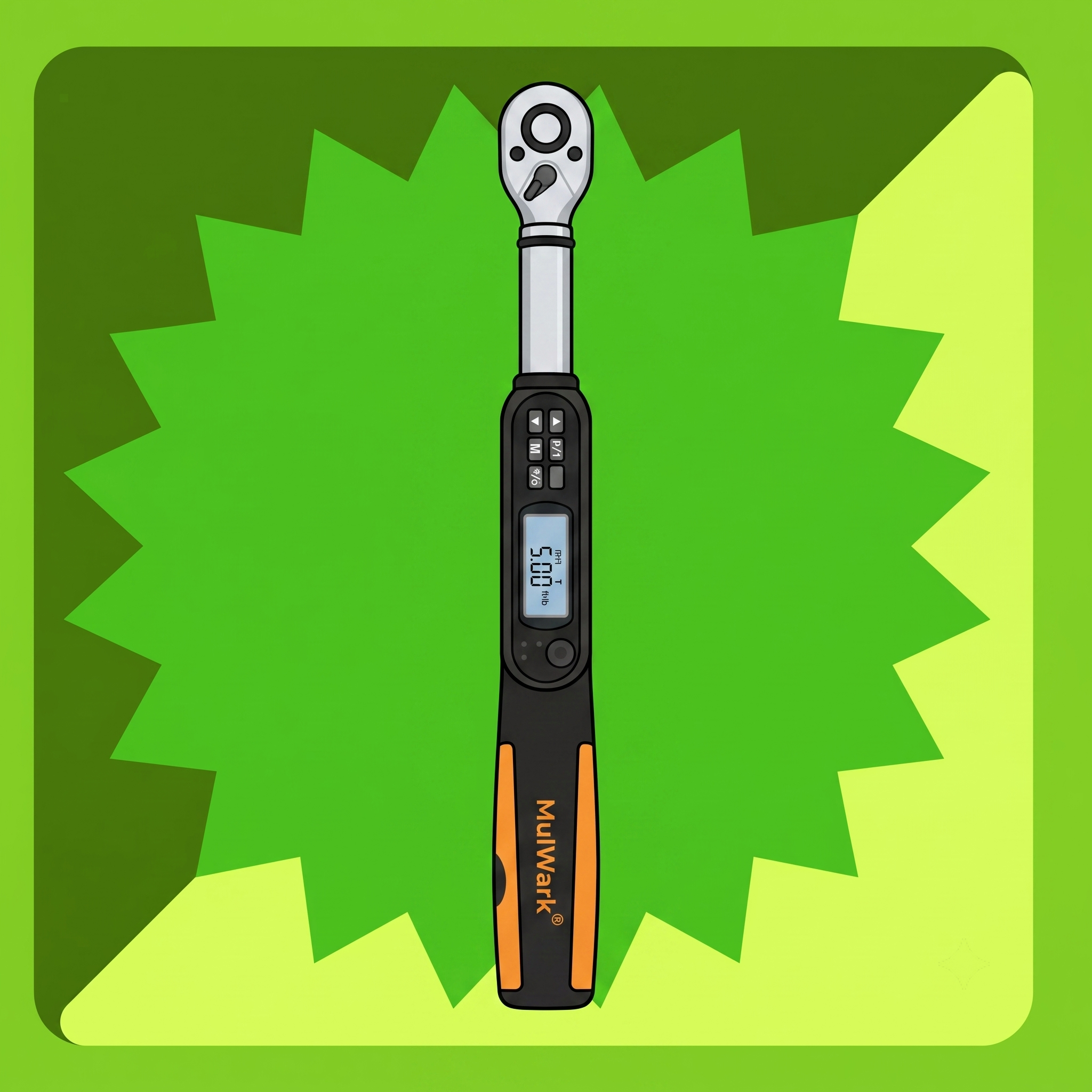
The Tool That Finally Made Me Stop Second-Guessing My Own Wrenching
$0 $0
29% OFF
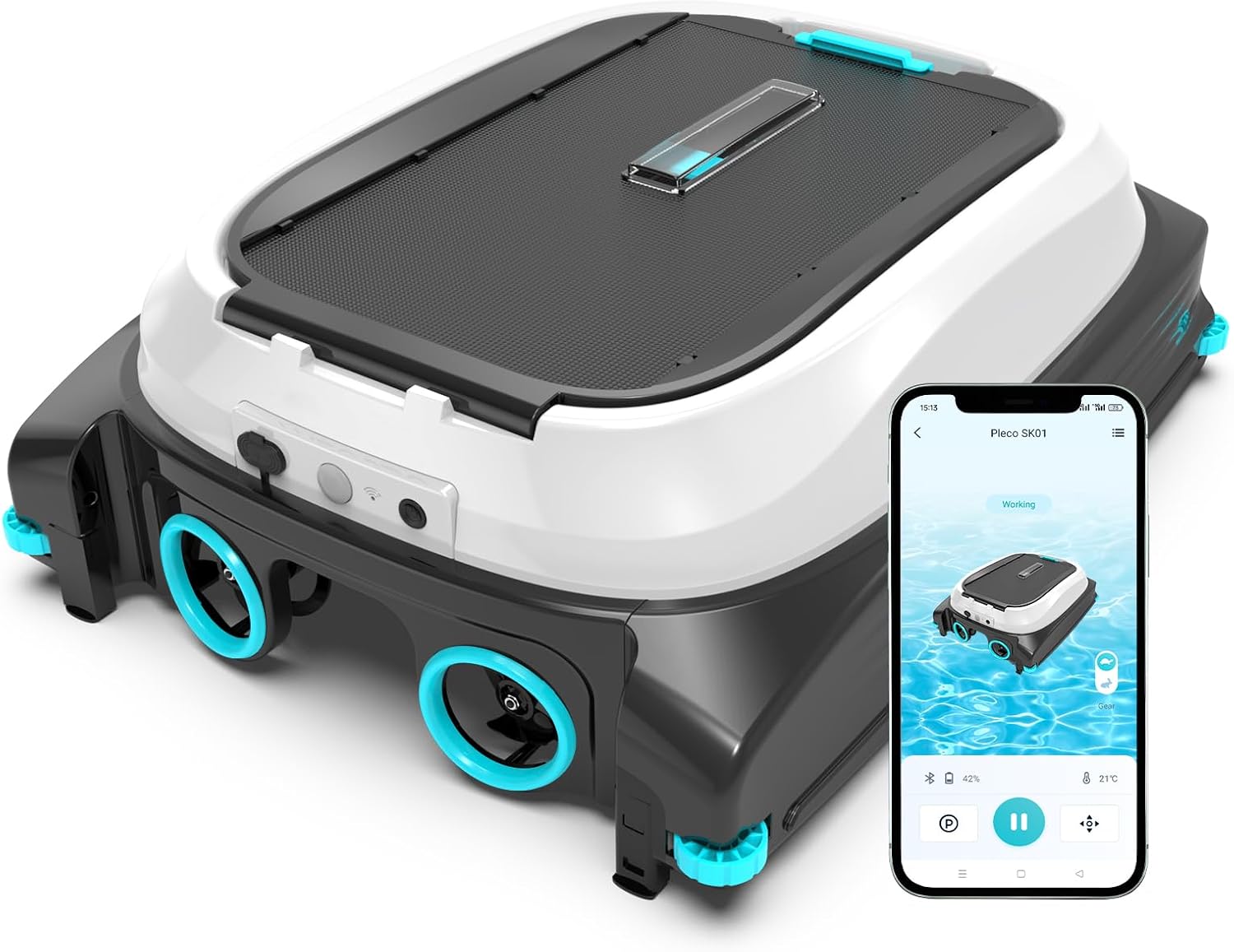
Pleco SK01 Solar Powered Robotic Pool Skimmer with App Control (Obsidian & Ivory)
$284.99 $399.99
52% OFF
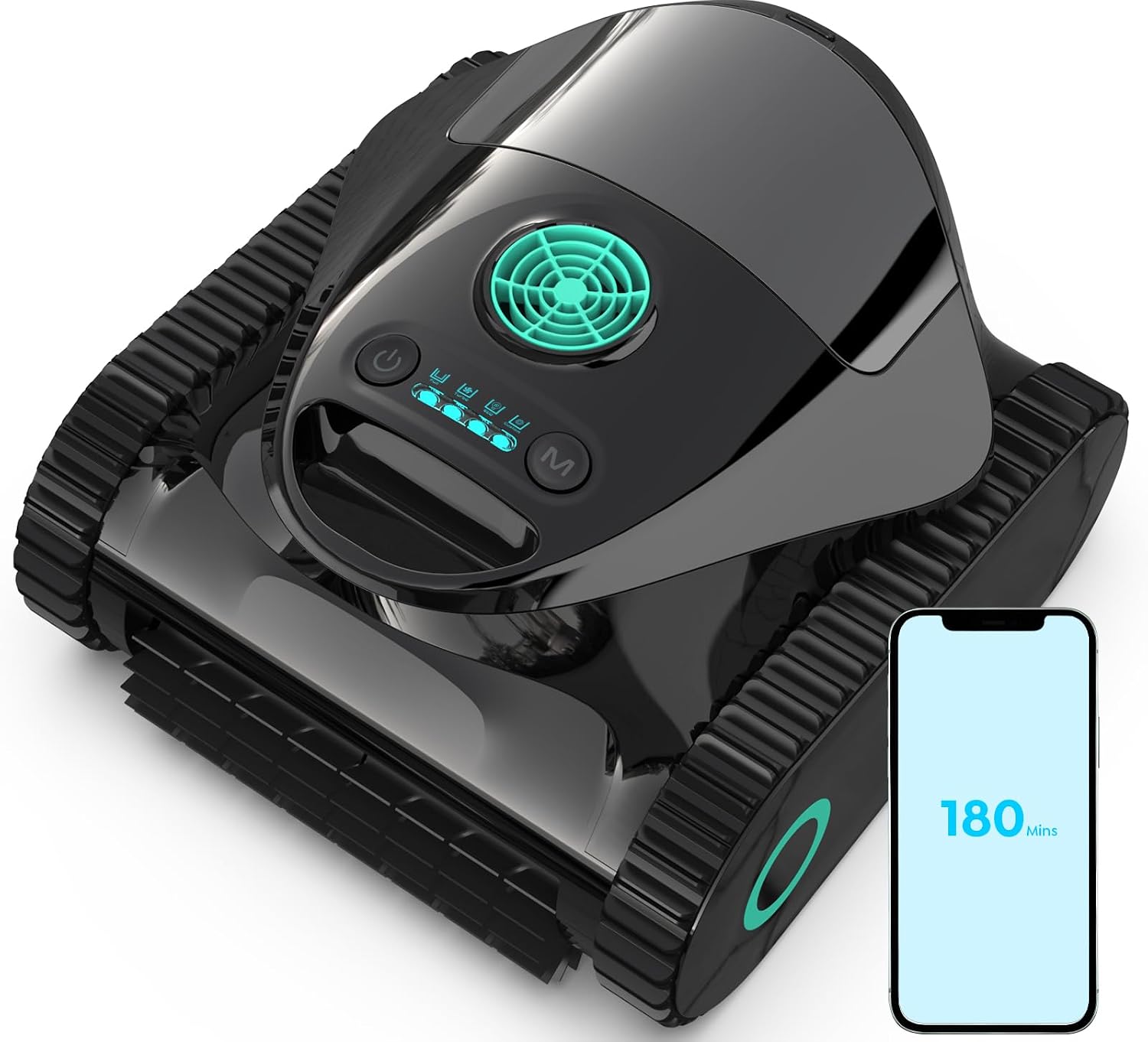
Cordless Robotic Pool Cleaner C1 with Wall Climbing and App Control (Glossy Black)
$290.69 $599.99
52% OFF
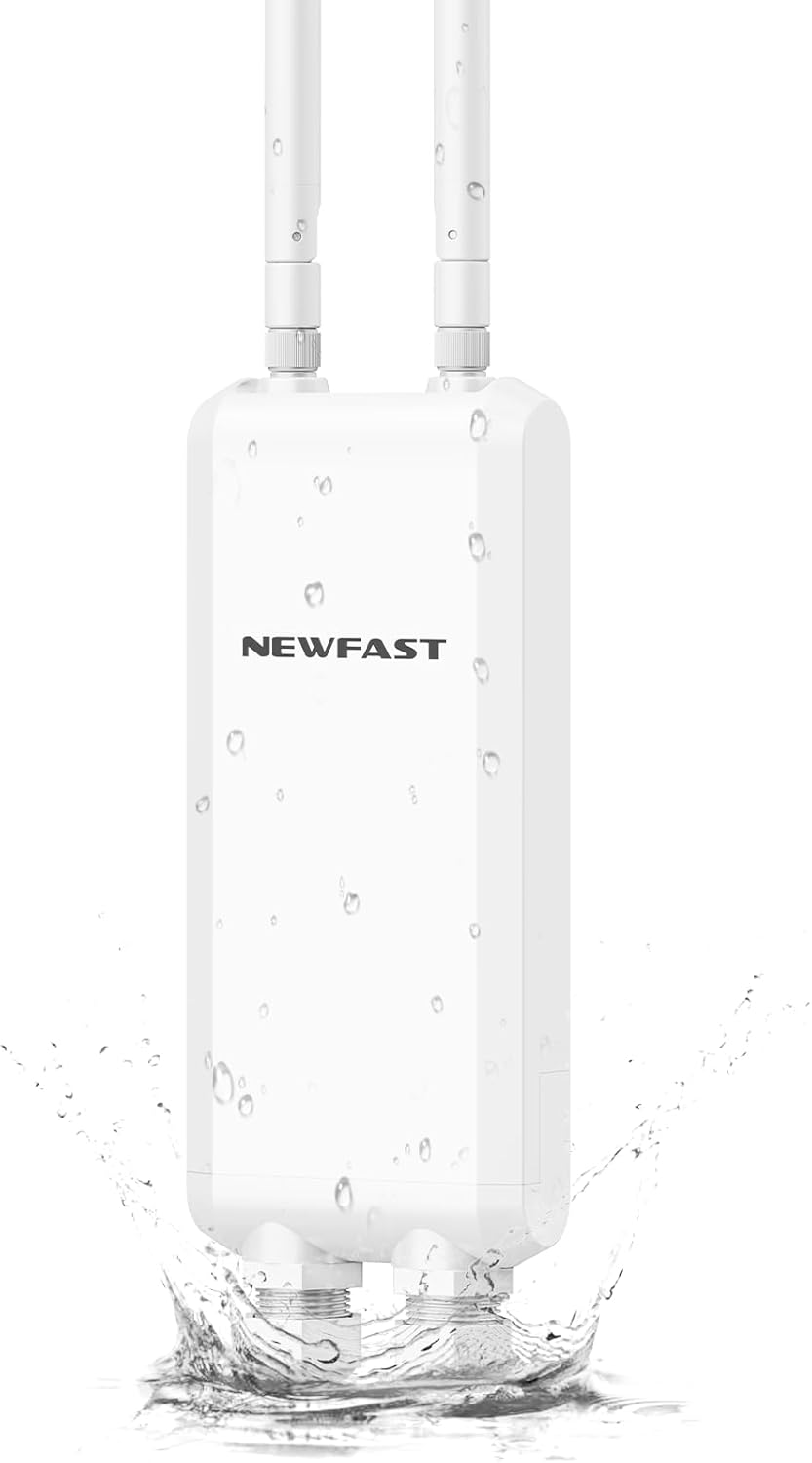
NEWFAST Outdoor WiFi Extender with MU-MIMO and 3 Gigabit Ports (IP66)
$47.99 $99.99
51% OFF
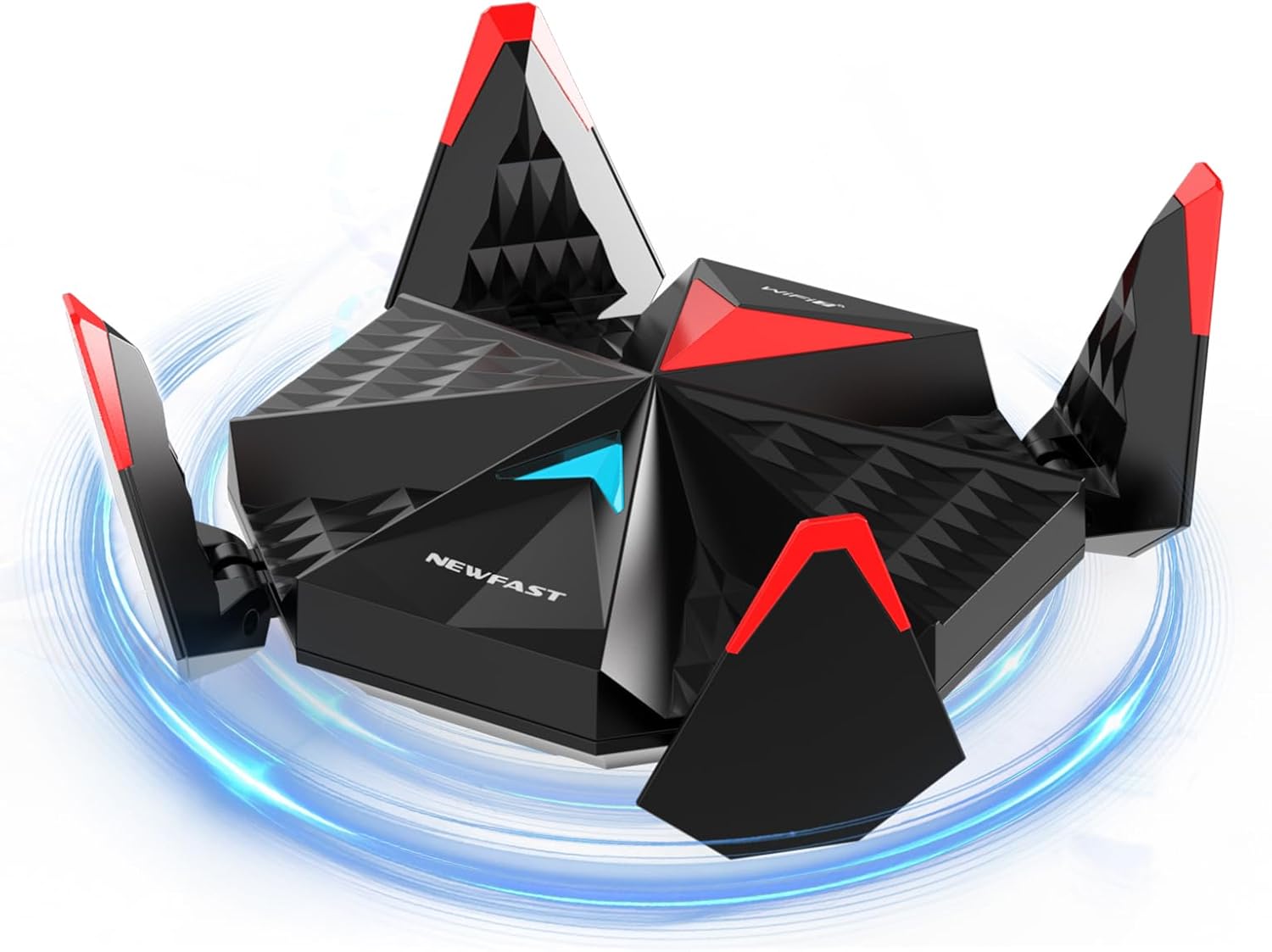
NEWFAST AXE5400 Tri-Band USB WiFi 6E Adapter with 4 Antennas (NF-U357)
$44.45 $89.99
20% OFF
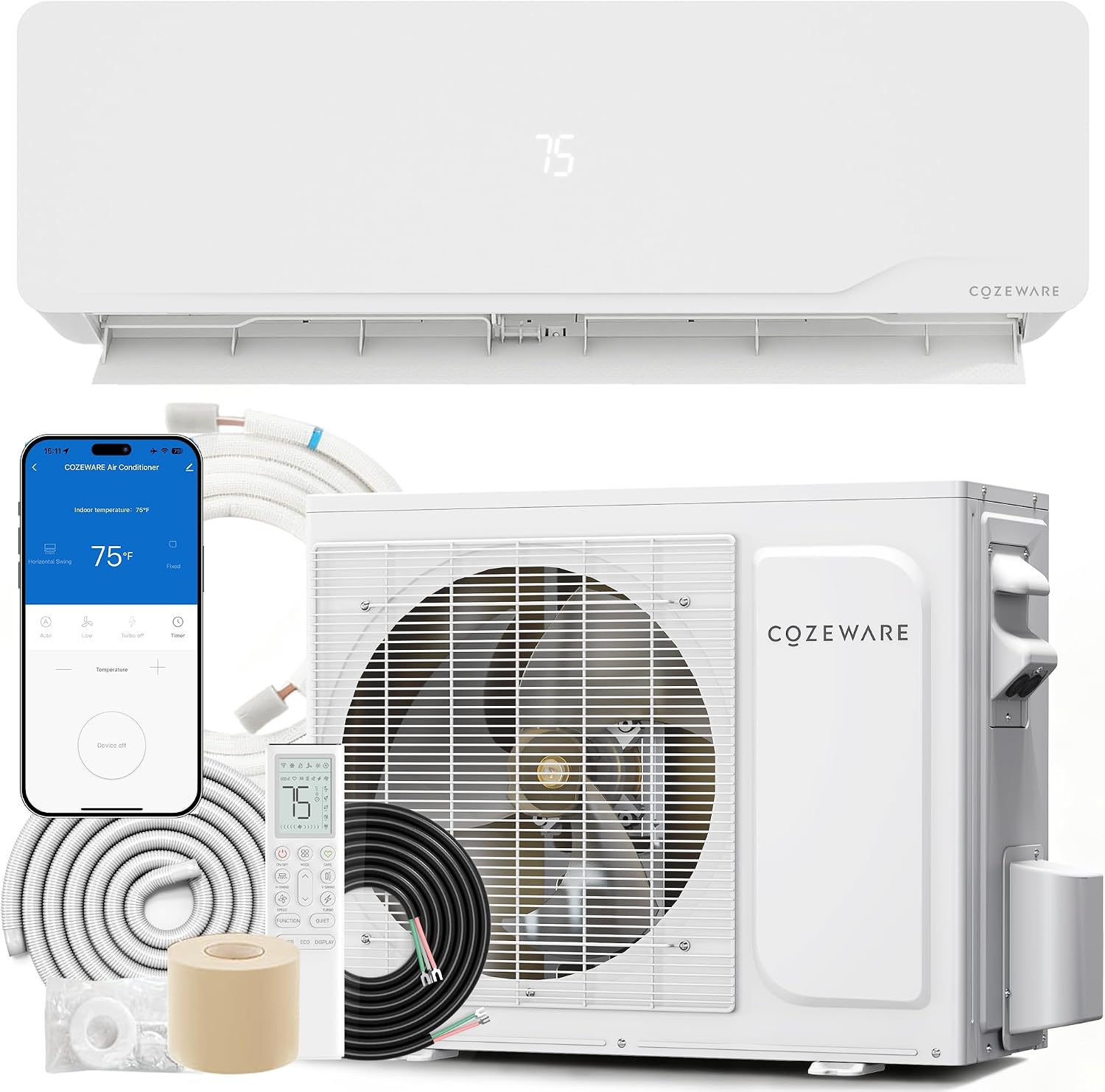
COZEWARE Visio Series 12000 BTU 20 SEER2 Smart Mini Split AC with Heat Pump (230V, 1 Ton)
$431.99 $539.99
20% OFF
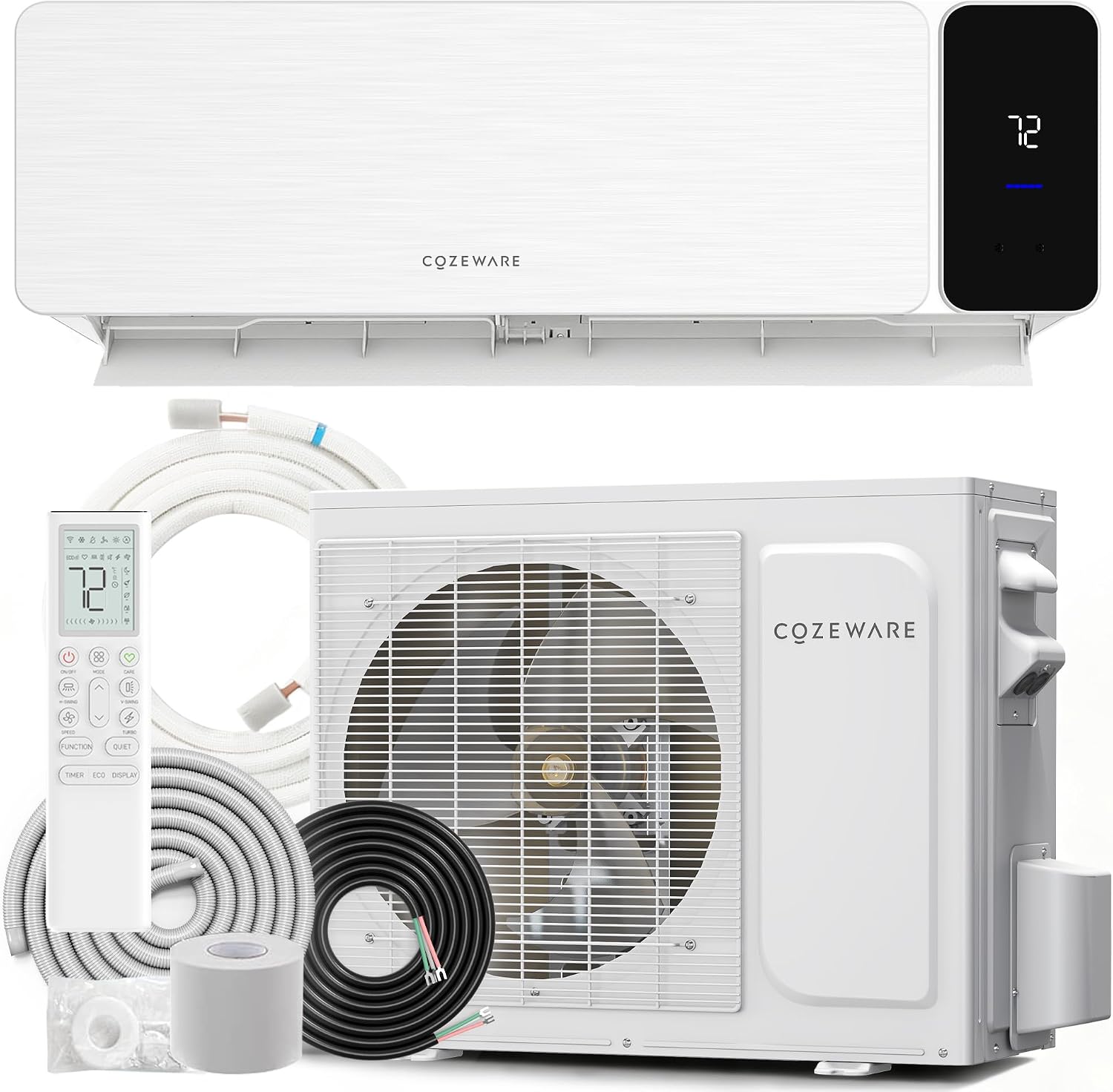
COZEWARE Visio Series 9000 BTU 18 SEER2 Ductless Mini Split AC with Heat Pump (115V)
$439.99 $549.99
20% OFF
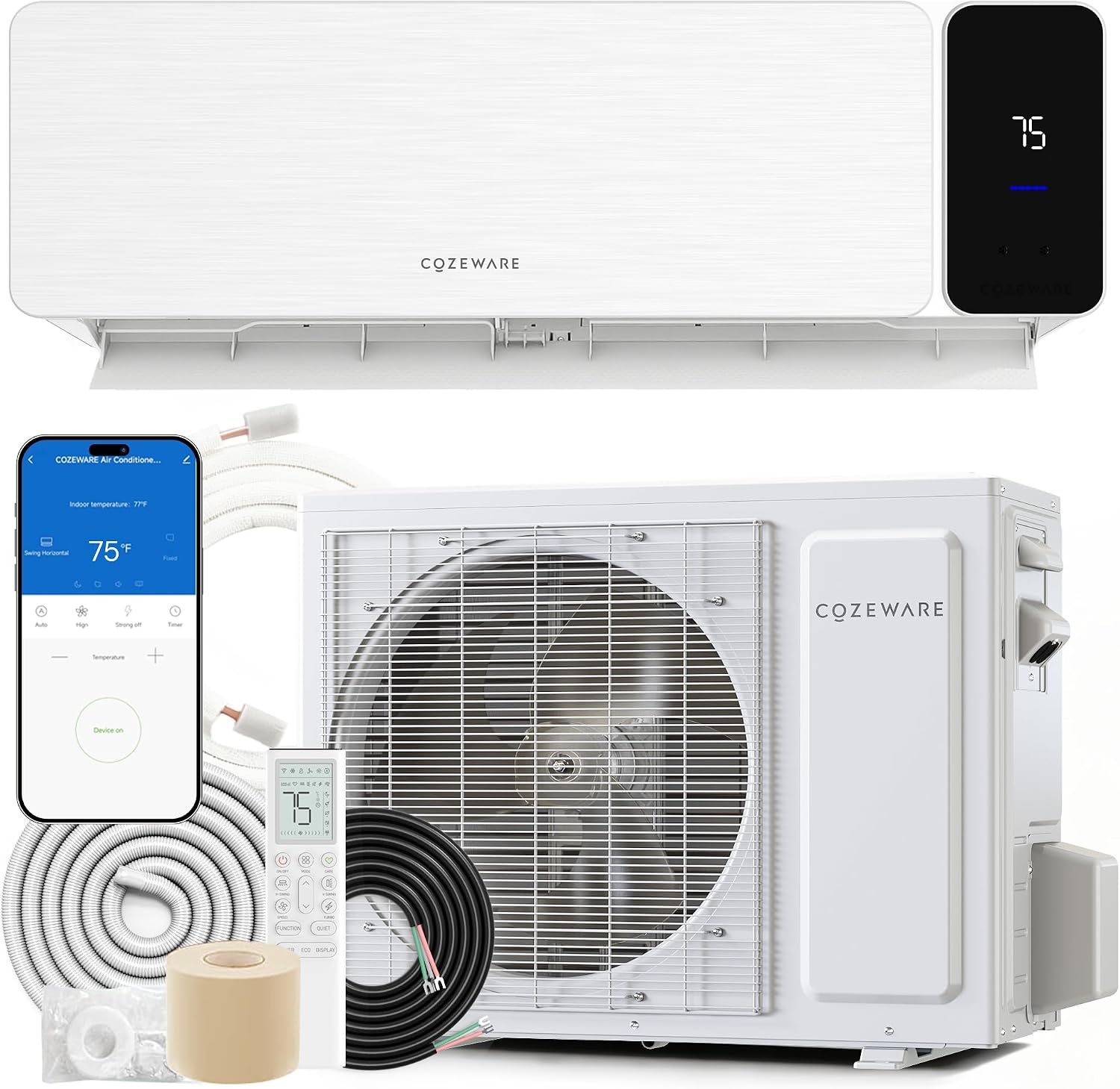
COZEWARE Visio Series 24000 BTU 20 SEER2 Smart Mini Split AC with Heat Pump (230V, 2 Ton)
$959.99 $1199.99
20% OFF
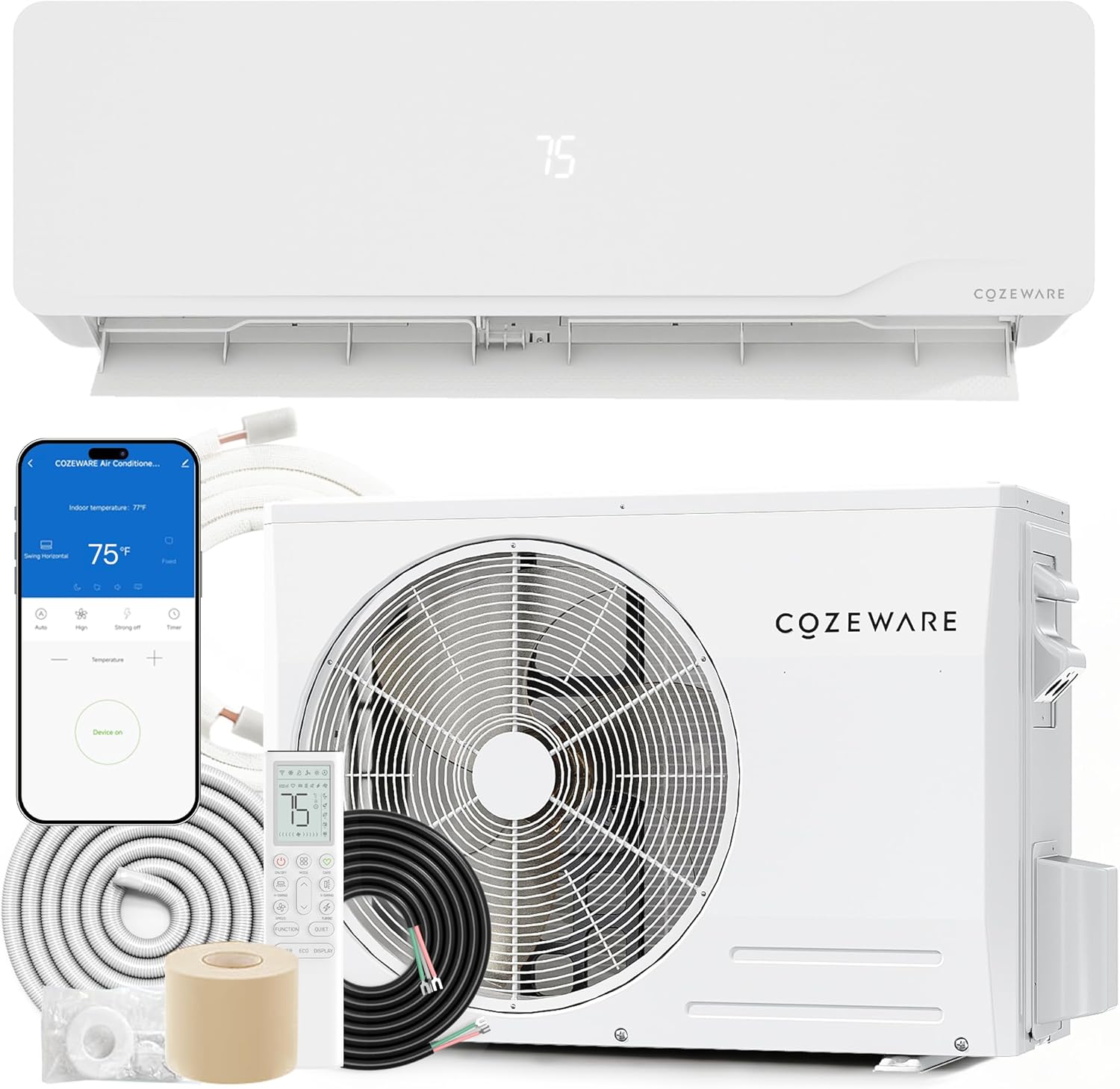
COZEWARE Visio Series 18000 BTU 20 SEER2 Smart Mini Split AC with Heat Pump (230V, 1.5 Ton)
$607.99 $759.99
20% OFF
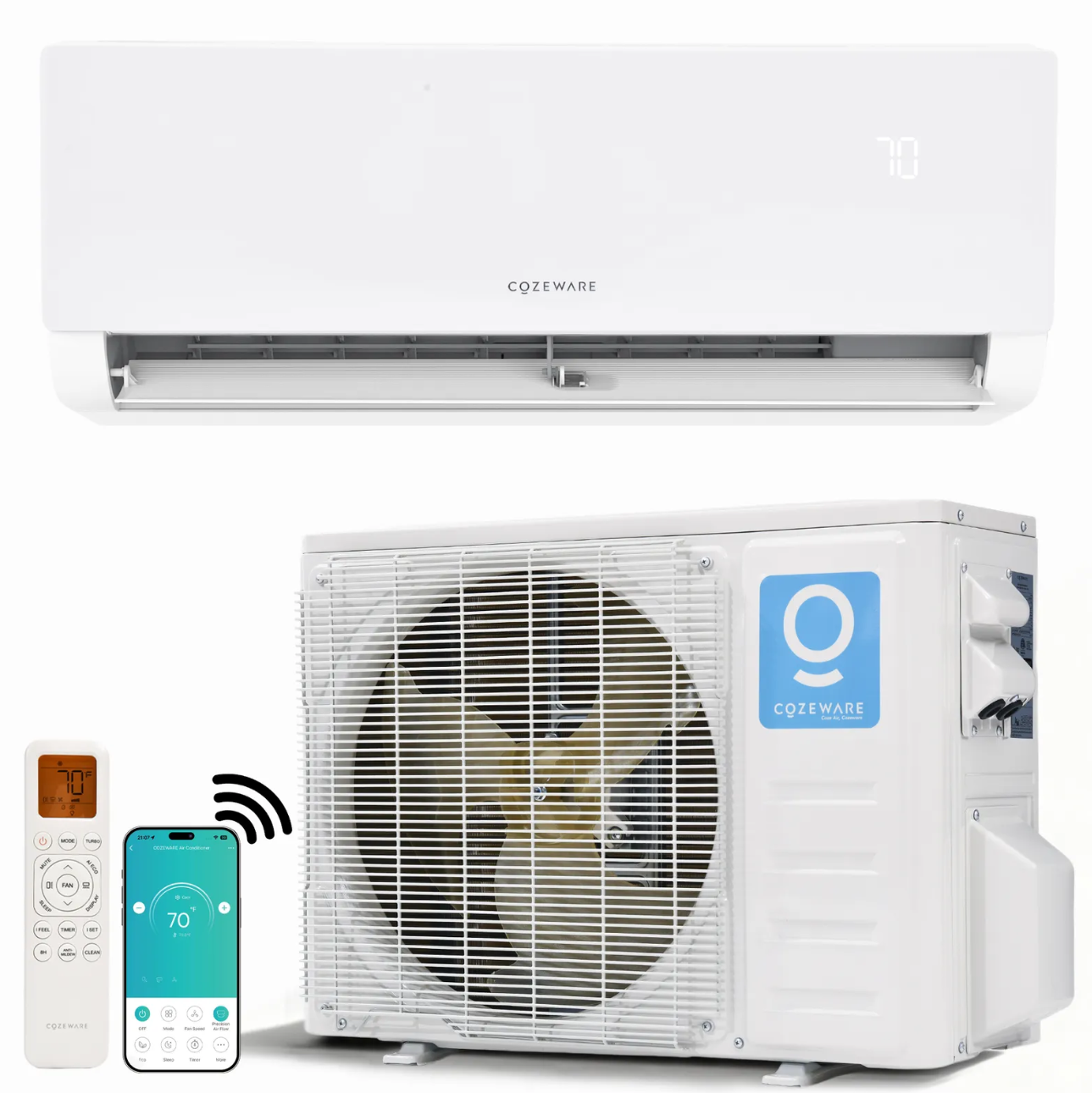
COZEWARE E-Save Series 12000 BTU 20 SEER2 Mini Split Air Conditioner (115V)
$592 $740
20% OFF
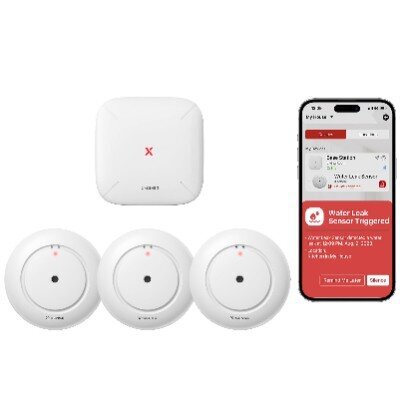
SmartHome Wi-Fi Water Leak Detector - Safeguard Your Home
$39.98 $49.99
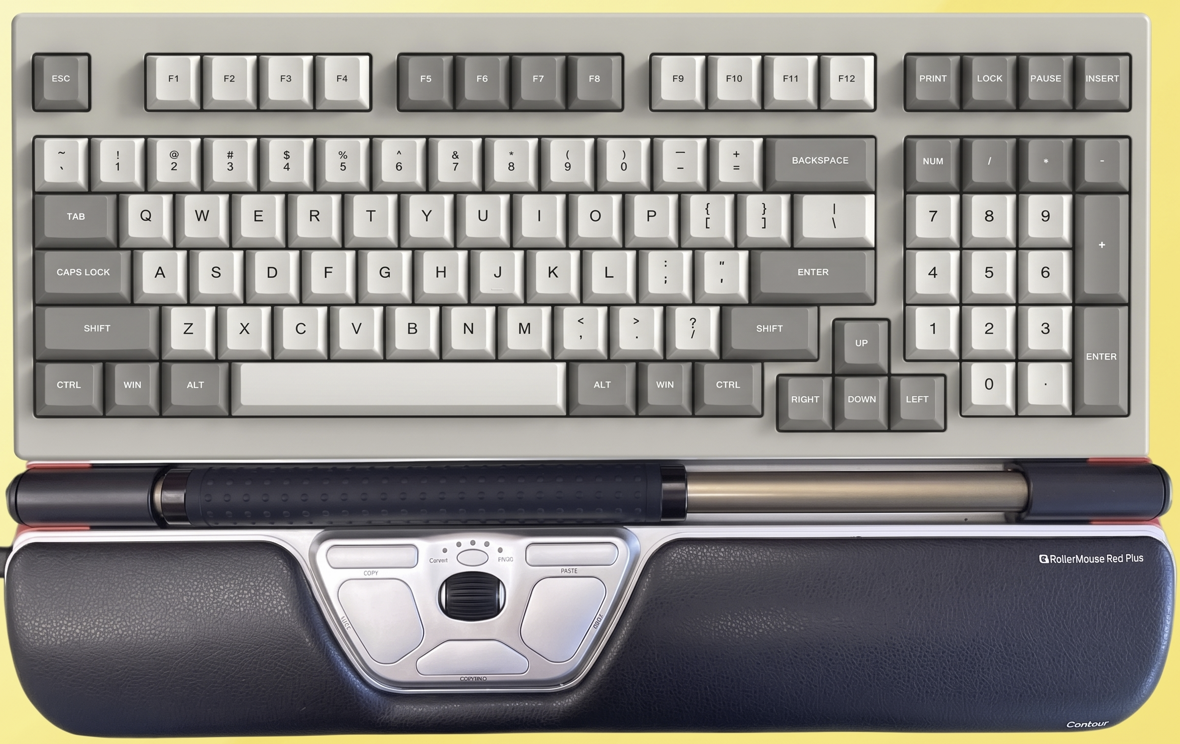
The $400 Mouse I Thought Was Ridiculously Expensive—Until It Changed How I Work
$0 $0
50% OFF

All-Weather HDPE Plastic Adirondack Chair with Cup Holder – Navy Blue
$70 $139.99
50% OFF

7-Color LED Red Light Therapy Mask for Face and Anti-Aging
$29.99 $59.99
49% OFF
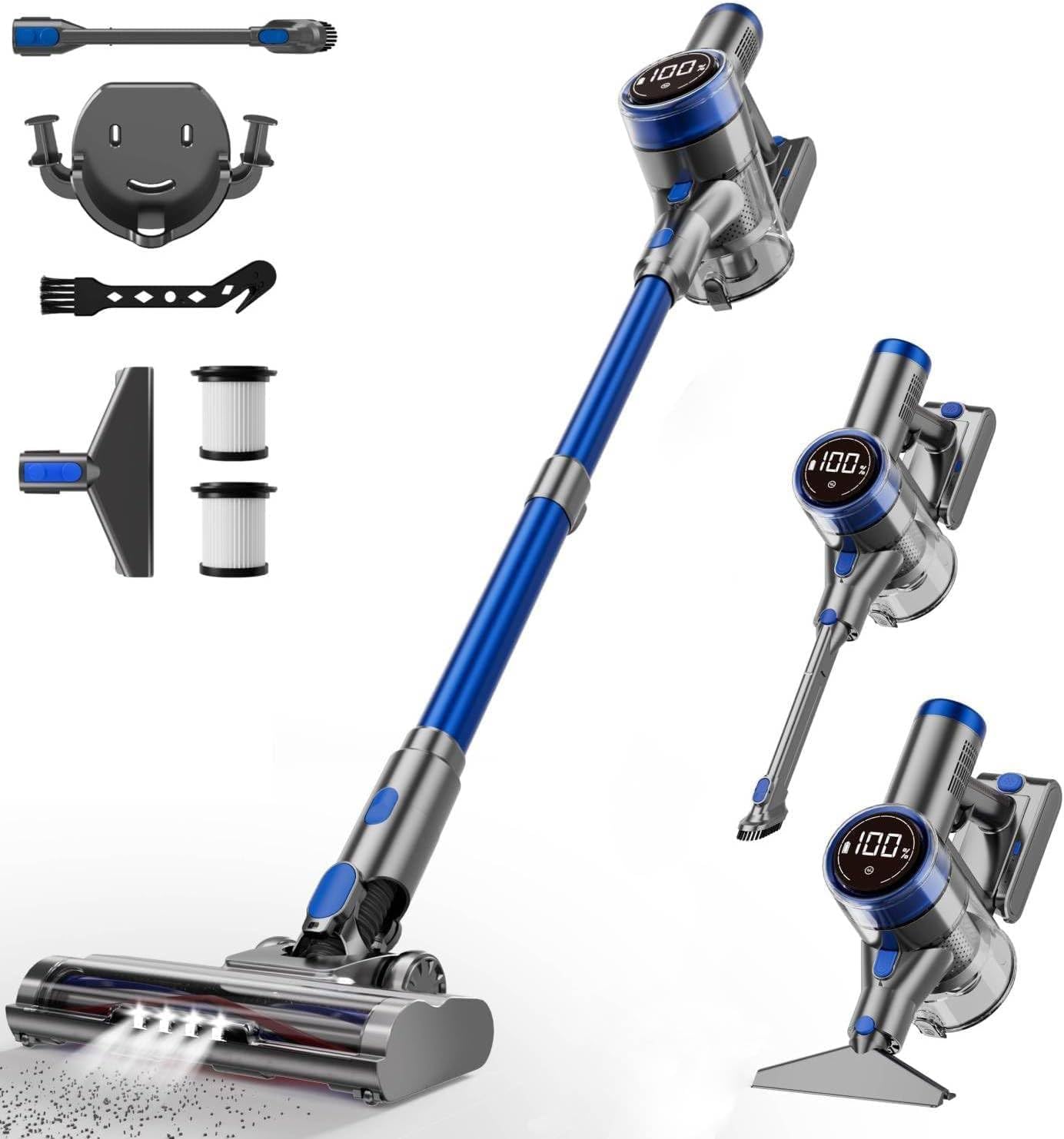
Cordless Vacuum Cleaner - 480W/45Kpa Powerful Stick Vacuum with LED Smart Touch Screen
$55.99 $109.99
20% OFF

Hypoallergenic Pet Wipes for Dogs & Cats - 400 Count Extra Large Coconut Scented Grooming Wipes
$24.79 $30.99
49% OFF
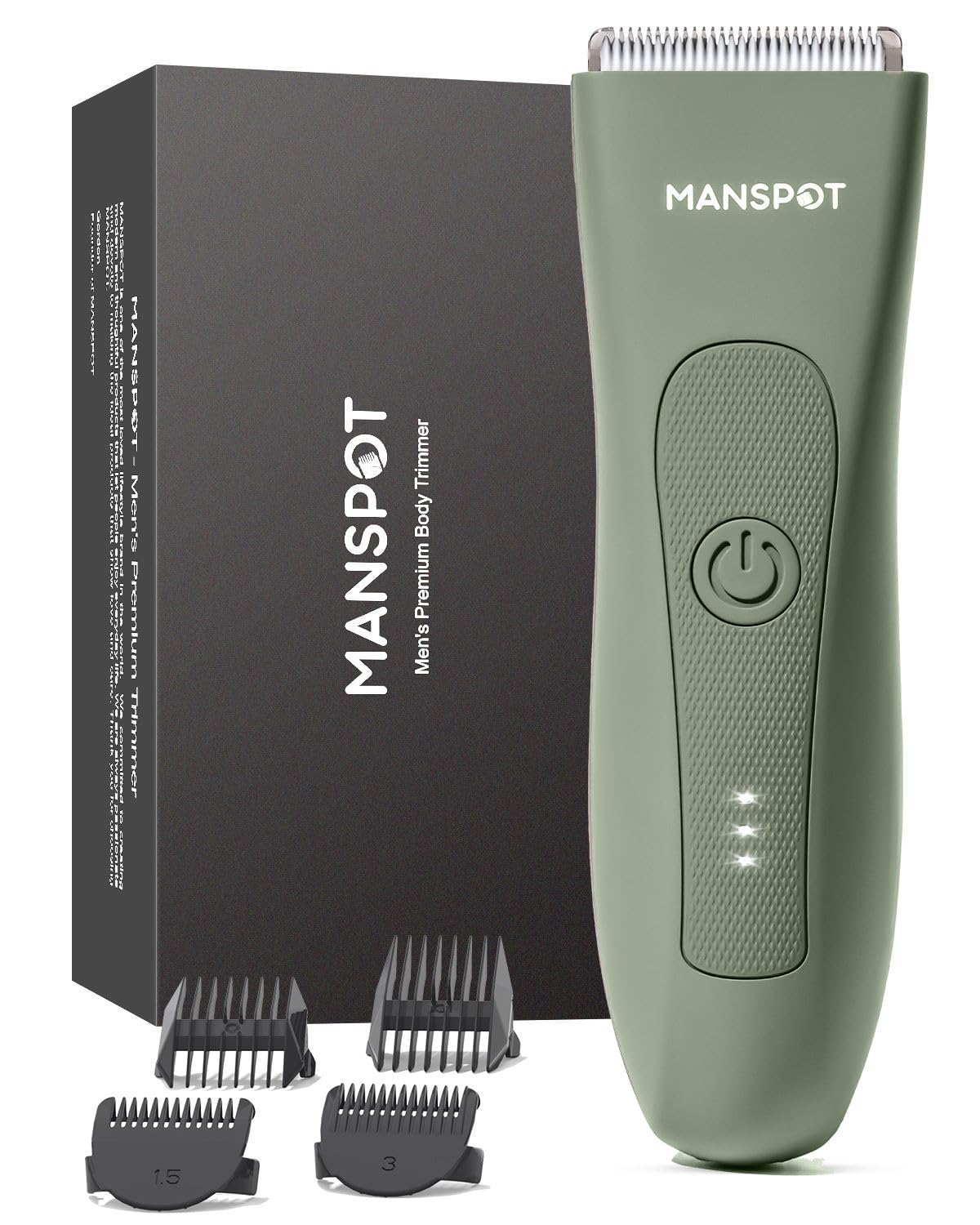
MANSPOT Electric Pubic Hair Trimmer - Waterproof Body and Groin Shaver for Men and Women (Black)
$20.39 $40
25% OFF

Lick-Safe Dog Paw and Nose Balm Stick - All-Natural Moisturizer with Coconut Oil for Dry, Cracked Pads and Snout
$11.69 $15.59
77% OFF
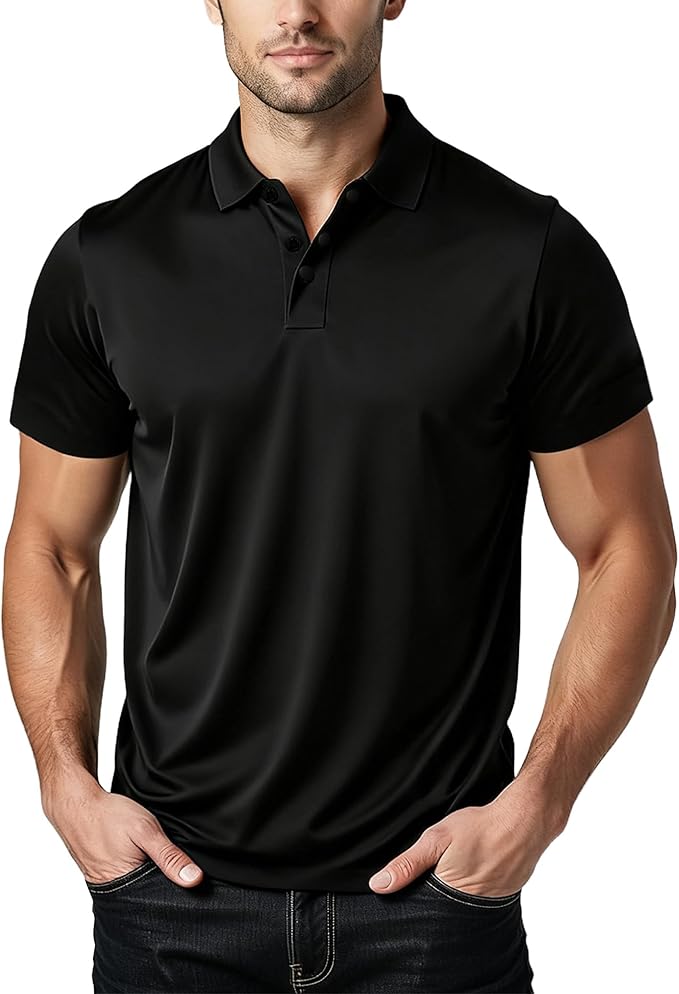
Men's Quick Dry Moisture Wicking Polo Shirt - High Elasticity Slim Fit Athletic Top (Runs Small)
$6.99 $29.99
46% OFF
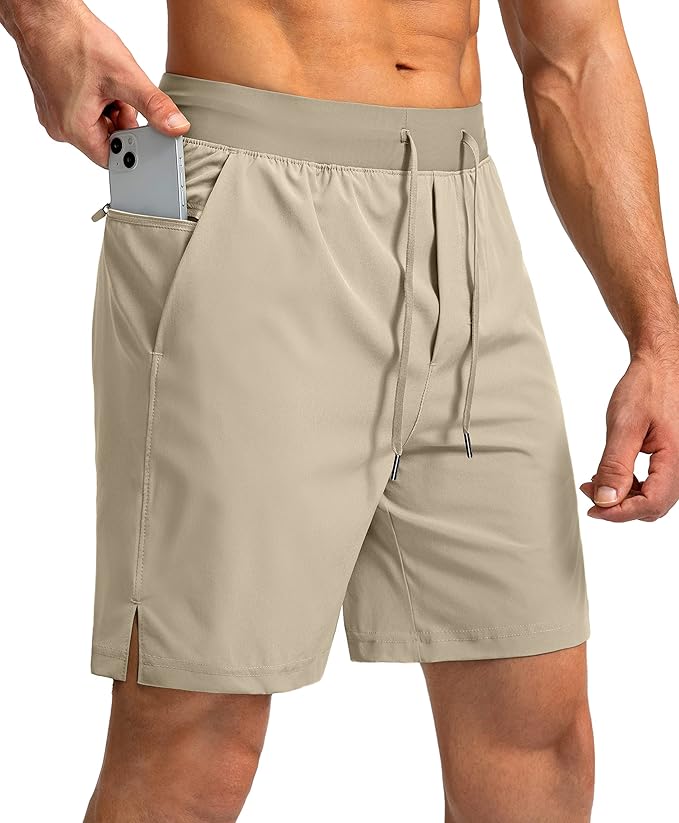
Men's Running Shorts with Zipper Pockets - Lightweight, Quick-Dry, Multi-Sport
$12.95 $23.99



-

Former Queen's chaplain: King Charles has betrayed his faith, office and subjects
-

Kate Forbes refused to compromise her Christian faith - and won
-

The restoration of the West can't happen without Christianity - and more people are realising it
-

Carl Trueman on the crisis of the West and why nationalism and cultural Christianity are not the answer
-

The challenge the Church of England faces over transgenderism
-

Faith is the key to the West’s renewal, says Os Guinness
Most Popular
News

Why C of E bishops won't oppose the Conversion Practices Bill
Orthodox Christians opposed to the Labour Government’s Conversion Practices Bill should expect no support from the 26 Church of England bishops in the House of Lords.
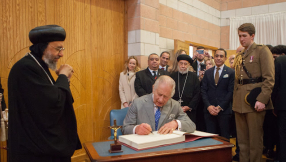
The king and the King and kings
The king may rightly defend the freedom of every faith. The Church, however, cannot treat all faiths as equally true, for Jesus himself did not.

Under-16s social media ban is ‘not a silver bullet'
The UK Evangelical Alliance says social media causes “real harm” to young people, but a government ban is no “silver bullet” for protecting them.

Former Queen's chaplain: King Charles has betrayed his faith, office and subjects
A former royal chaplain has accused King Charles III of betraying his faith, office and subjects by pledging to “protect the space for Faith within the multi-faith nation”.
The Tool That Finally Made Me Stop Second-Guessing My Own Wrenching
$0
Pleco SK01 Solar Powered Robotic Pool Skimmer with App Control (Obsidian & Ivory)
$284.99
Cordless Robotic Pool Cleaner C1 with Wall Climbing and App Control (Glossy Black)
$290.69
NEWFAST Outdoor WiFi Extender with MU-MIMO and 3 Gigabit Ports (IP66)
$47.99
NEWFAST AXE5400 Tri-Band USB WiFi 6E Adapter with 4 Antennas (NF-U357)
$44.45
COZEWARE Visio Series 12000 BTU 20 SEER2 Smart Mini Split AC with Heat Pump (230V, 1 Ton)
$431.99
COZEWARE Visio Series 9000 BTU 18 SEER2 Ductless Mini Split AC with Heat Pump (115V)
$439.99
COZEWARE Visio Series 24000 BTU 20 SEER2 Smart Mini Split AC with Heat Pump (230V, 2 Ton)
$959.99
COZEWARE Visio Series 18000 BTU 20 SEER2 Smart Mini Split AC with Heat Pump (230V, 1.5 Ton)
$607.99
COZEWARE E-Save Series 12000 BTU 20 SEER2 Mini Split Air Conditioner (115V)
$592
SmartHome Wi-Fi Water Leak Detector - Safeguard Your Home
$39.98
The $400 Mouse I Thought Was Ridiculously Expensive—Until It Changed How I Work
$0
All-Weather HDPE Plastic Adirondack Chair with Cup Holder – Navy Blue
$70
7-Color LED Red Light Therapy Mask for Face and Anti-Aging
$29.99
Cordless Vacuum Cleaner - 480W/45Kpa Powerful Stick Vacuum with LED Smart Touch Screen
$55.99
Hypoallergenic Pet Wipes for Dogs & Cats - 400 Count Extra Large Coconut Scented Grooming Wipes
$24.79
MANSPOT Electric Pubic Hair Trimmer - Waterproof Body and Groin Shaver for Men and Women (Black)
$20.39
Lick-Safe Dog Paw and Nose Balm Stick - All-Natural Moisturizer with Coconut Oil for Dry, Cracked Pads and Snout
$11.69
Men's Quick Dry Moisture Wicking Polo Shirt - High Elasticity Slim Fit Athletic Top (Runs Small)
$6.99
Men's Running Shorts with Zipper Pockets - Lightweight, Quick-Dry, Multi-Sport
$12.95