
Prayers are to be replaced by a ‘Pause for Reflection’ at Edinburgh City Council meetings.
According to the BBC, the local authority will spend 10 minutes reflecting prior to meetings of the full council.
The sessions will be led by the representatives of faith groups but also community and civic organisations.
Staff, councillors and visitors will be welcome to take part in the optional meetings.
The first Pause for Reflection was held on 28 June and led by the senior pastor of Charlotte Chapel, Pastor Paul Rees.
Lord Provost Donald Wilson agreed to the change.
He told the BBC: “Scotland’s capital is a place of tolerance, fairness and diversity and I am more than proud to stand as first citizen in such a forward-looking city.
“As a council, we have a duty to respect the beliefs, opinions and interests of all our residents, which is why this review of the current prayers at full council meetings seems entirely appropriate.
“These ‘Pause for Reflection’ sessions will be genuinely inclusive, providing a time for contemplation open to all staff, councillors and visitors who would normally be attending full council meetings.”
-

The dire American political situation: a brief overview for faithful Christians in Britain
-
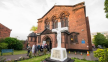
Police appeal for witnesses after head smashed off Jesus statue at church war memorial
-

Many churches lack AI policies despite widespread support among pastors, study finds
-

Poll shows support for conversion therapy ban disappears once people learn its implications
News
-

Former Crowded House pastor and wife charged with rape
-

Enoch Burke accuses Archbishop of remaining 'silent' in school trans dispute
-

'Such a blessing' - church that closed down 15 years ago opens its doors again
-

Half of Christian questions on ChatGPT are attempts to understand the Bible
-
Christians urged to speak out against 'conversion practices' bill
-
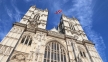
Archaeologists may have discovered identity of mystery skeleton in Westminster Abbey
Most Popular
News
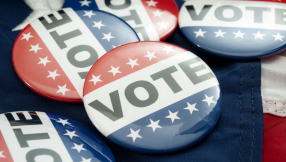
The dire American political situation: a brief overview for faithful Christians in Britain
Professor Robert AJ Gagnon argues that Christians have a moral duty to vote Republican, contending that Democratic policies pose a greater threat than Republican candidates’ failings.

Poll shows support for conversion therapy ban disappears once people learn its implications
The full implications of the law are not widely known.
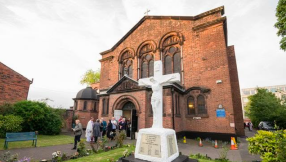
Police appeal for witnesses after head smashed off Jesus statue at church war memorial
Officers have released a CCTV image after a war memorial at St Alban’s Church in Warrington was vandalised and daubed with offensive graffiti.

Belief in ghosts and magic linked to faith and trust in science, study finds
A new study suggests that Americans who believe in God while placing strong trust in science and reason may be more likely to believe in ghosts, curses and other supernatural phenomena.





