
|PIC1|Leaders at a meeting of the world's largest ecumenical body this week emphasised the importance of staying united during a time of many changes in Christianity.
New expressions of the Christian faith, growing prominence of the global South, and increasing religious diversity are some of the factors that are contributing to a "rapidly changing ecclesial context" that is testing the bonds of Christian unity, pointed out the World Council of Churches (WCC) general secretary, the Rev Dr Samuel Kobia, on Thursday.
Kobia was speaking at the annual WCC Central Committee Meeting, which is being held Feb. 13-20, in Geneva.
Amid the changing landscape, Kobia said the WCC must deepen the fellowship of existing member churches while at the same time reaching out to broaden the ecumenical movement.
Increasingly, churches of Evangelical, Pentecostal and charismatic communities, as well as non-denominational congregations and mega churches are joining the WCC.
"The WCC will only continue to function as a privileged instrument of the wider ecumenical movement if ... openness to change is shown, and concrete steps for greater clarity of roles and improved cooperation between different actors in the ecumenical movement are taken," Kobia said.
But some members have expressed fear that the body's identity will be diluted by broadening involvement. Kobia responded, however, that the current global landscape necessitates change, despite the risk, according to WCC.
He also spoke about the need for WCC member churches to take greater ownership of the ecumenical movement, specifically WCC's programmes.
"Lack of ownership by the member churches has been the decisive weakness of WCC and the other ecumenical organisations," Kobia said. Such ownership, he added, is the key to coherence and identity.
Earlier in the week, the meeting's moderator, the Rev Dr Walter Altmann, also renewed a call for "visible unity" in the church.
Unity in Christ, Altmann said, is a gift from God, and receiving that gift and responding to it "in the koinonia of brothers and sisters in the one church" is the primary purpose of the WCC, he said.
Altmann said for 60 years and even now, the work of ecumenism toward unity remains the same.
"That has been our calling throughout those years and will continue to be our calling in the years ahead," he said.
The World Council of Churches was founded in 1948 and today brings together 347 Protestant, Orthodox, Anglican and other churches representing more than 560 million Christians in over 110 countries. The WCC also works cooperatively with the Roman Catholic Church.



-

Wycliffe celebrates ‘remarkable moment’ as Bible translation advances at rapid pace
-

Could the Church face a ‘silver uprising’?
-

From Tyndale to today: The enduring hunger for the Bible
-

500 million Christians worldwide face Bible access restrictions, report finds
-

800 years on: Why St Francis of Assisi still captivates the world
-
More than 4,200 Christians killed in Nigeria this year - report
Most Popular
News
Blackburn Cathedral puts the Bible where it belongs
Blackburn Cathedral’s celebration of William Tyndale highlights the Bible’s central place in Anglican worship.
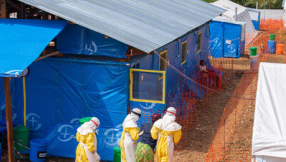
Anglican bishop reminds world that Ebola is still gripping DRC
Ignorance and poverty have compounded the effects of Ebola.

Rights groups call for review of laws impacting free speech
The government supports your right to agree with it.

Scottish Greens' call for total decriminalisation of abortion denounced
The Greens have called upon the SNP government to move forward with the recommendations of the Scottish Abortion Law Reform Expert Group.








