
The WCC International Day of Prayer For Peace on 21st September has greatly raised the profile of the recent concern for world peace and ecumenical movement. Yesterday, the WCC gladly announced the entry of 25 new accompaniers to the Ecumenical Accompaniment Programme in Palestine and Israel (EAPPI). Together with three groups from the previous year, the 28 accompaniers will be strengthened by each other.
EAPPI is an initiative of the WCC under the Ecumenical Campaign to End the Illegal Occupation of Palestine: Support a Just Peace in the Middle East. Its mission is to accompany Palestinians and Israelis in their non-violent actions and concerted advocacy efforts to end the occupation.
Accompaniers will serve a minimum of three months and continue to be placed in Bethlehem, Hebron, Jayyous, Jerusalem, Ramallah, Sawahreh / Abu Dis, and Yanoun. Teams will also be working in Nablus and Tulkarem.
In collaboration with local churches, Palestinian and Israeli NGOs, as well as Palestinian communities, the Ecumenical Accompaniers try to reduce the brutality of the Israeli occupation and improve the daily lives of both sets of people.
Local peace making partners includes:
- YMCA in both Beit Sahour and Tulkarem;
- The Women’s Centre for Legal Aid and Counselling (WCLAC) in Beit Hanina on the northern outskirts of Jerusalem near where the “separation wall” is being constructed;
- The Alternative Information Centre (AIC), a joint Israeli-Palestinian initiative; and
- The Palestinian Working Women's Society for Development (PWWSD) in Ramallah
Among the new accompaniers, there are 15 women and 10 men, ranging in age from 26 to 69, coming from seven countries: Denmark, Germany, Norway, South Africa, Sweden, the United Kingdom, and the United States. This is also the first time that the EAPPI group will include a bishop.
As the South African Council of Churches (SACC) has a strong history of political activism and ecumenical fellowship with the WCC through the Ecumenical Monitoring Programme in South Africa (EMPSA). SACC second Vice President Bishop Lunga ka Siboto of the Ethiopian Episcopal Church will be one of four accompaniers from South Africa.
Siboto is one of four ministers in the new group; the other three are ministers from the Lutheran Church in South Africa, the Baptist Church of Denmark and the Evangelical Church in Germany. Three of them have experienced the life in a divided city and country as they lived in Berlin during the time of Berlin Wall. The Israeli government has continued the construction of its “Separation Wall” despite international condemnation, and this topic should have high priority within discussions. The group will be working in Bethlehem.
Bishop Siboto said, “There was a time when we thought ours was the last struggle for liberty. Suddenly one is struck by what is happening here. If one can help to make a difference or can be a friend in solidarity, it will be a step for the good of mankind.”




-

Edinburgh University ends divinity programmes as theology faces a changing future
-

Why the Archbishop of Canterbury’s award controversy matters
-

More than one in four US Protestant churchgoers believe some biblical truths become outdated
-

Catholicism in France has 'collapsed'
-

Christian leaders issue ‘sober and urgent call’ for Western Church to prepare for disruption
-

Australia's anti-therapy laws harm the most vulnerable - Britain should not copy them
Most Popular
News

Active faith linked to happier marriages and lower divorce rates, study finds
People who regularly attend church are more likely to report happy marriages, according to a new report examining the relationship between faith and family life.
Indian churches fearing anti-conversion laws tell non-Christians: enter at your own risk
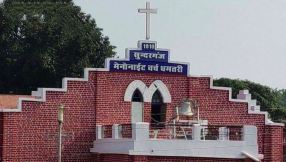
Churches in Dhamtari, a town in the central Indian state of Chhattisgarh, have put up notices warning non-Christians that they enter at their own risk, weeks after a law against religious conversion came into force in the state.

£1k bursaries to help churches develop youth and community mentoring programmes
Churches across the UK are being offered bursaries to help them establish mentoring programmes aimed at supporting young people and others in their communities.
World Evangelical Alliance celebrates 180th anniversary
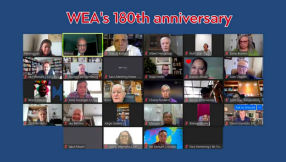
The World Evangelical Alliance (WEA) has held an online celebration to mark its 180th anniversary. Hundreds of people from more than 22 countries attended, and the event was rebroadcast to accommodate different time zones.








