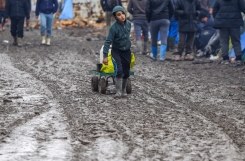
Life is a "living hell" for children in French refugee camps, and they may have been spared if the Home Office had acted faster to process their move to the UK, Unicef has warned.
A report co-produced by Unicef UK and Unicef France to be published on Thursday will reveal the "dire situation for children" living in camps such as Calais and Dunkirk, who are subject to sexual violence and forced crime by traffickers.
"It shows a frank and disturbing picture of the abuses happening to children right on our doorstep," Unicef said. "And the hard reality is that some of the children in Calais might have been spared if the Home Office had acted."
Hundreds of children, many of them unaccompanied, are currently living in camps in Northern France. At least 157 unaccompanied children in the Calais 'Jungle' camp have the legal right to live with family in the UK, and Unicef is campaigning to have them reunited by the start of the school year in September.
"We believe this could be done if the Home Secretary approved the extra resources needed for reuniting families – resources for identification, assessment, screening and processing, and transfer," Unicef said. "Just ten more officials would be enough to speed up the process for children stuck in the camps in Northern France."
Home secretary Teresa May pledged last month to speed up the process, but "people on the ground in Calais tell us nothing has changed and these children are still waiting, facing another uncertain night in a dangerous camp they repeatedly describe as a 'living hell'," Unicef said.
May is expected to face questions on the issue during Home Office Questions on Monday.
Bilal, a 16-year-old boy from Daraa in Syria, has led Unicef's campaign. He now lives with his brother in the UK, but spent months in the Calais camp before they were reunited.
"Even though the law says I can be with my brother, I ended up stuck in the Jungle in Calais for seven months. It took more than a year from escaping Syria, to finally reach my brother in the UK," he said.
"The worst part of my journey was being in Calais because most people there were subjected to violence and humiliation. Every day people would try to find ways of leaving. My friends and I tried to get onto a train to get away – I saw two friends die under that train."
According to the Guardian, an open letter written by Syrian children now living in the UK describes their "horrific" experiences in French refugee camps, and urges May to "take our friends [still living in the camps] out of danger".
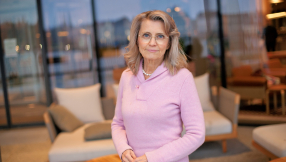
"The government has said that unaccompanied children should be brought to the UK if they have family here, yet these children's cases are moving far too slowly. It's time for the government to turn its promise into a reality now, and get these children to their families," said Unicef's UK deputy executive director, Lily Caprani.
"The children in Calais are the nearest and most visible cases of children who are fleeing conflict and making dangerous journeys in search of safety, yet have a legal right to live in safety with their families in the UK.
"I've met some of the unaccompanied children in Calais and have seen the terrible conditions they are living in. By taking immediate action for these children, the government can take a crucial first step to show it is serious about its recent commitments to refugee children."
Several bishops and dozens of rabbis last month led calls for the most vulnerable children in Europe to be fast-tracked into the UK.
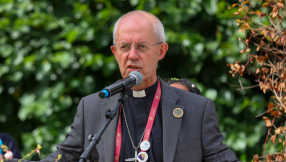
A letter in the Times signed by faith leaders including the former Archbishop of Canterbury Lord Williams offered to help as they said more than 300 children who are most at risk should be "brought to Britain by the start of the next school year".
The call came after Number 10 said on May 9 that Britain would not be able to accept any refugee children from Europe for another seven months. "It is a new scheme so we need to work with councils to get it up and running and that is why we expect we will have the first children arriving by the end of this year," said the Prime Minister's spokesman.