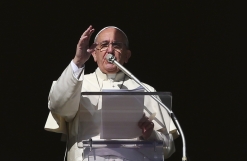
A diplomatic row is looming between France and the Holy See over the Vatican's failure to accept the new French nomination for its ambassador.
France nominated Laurent Stefanini, aged 55 and a devout Catholic, as its new Ambassador to the Holy See on 5 January. Normally, he would have been accepted within a month. When the Vatican does not want the person chosen, they are not rejected formally, but the choice is met simply with silence.
A previous selection a few years ago of Jean-Loup Kuhn-Delforge, who is gay, was also not accepted by the Vatican. France on that occasion nominated someone else and their first choice was sent to another posting.
This time, France has decided it will not back down over Stefanini, who is the personal choice of the president of France, François Hollande and who has no record of any form of gay activism. He is not married but nor does he have a partner, and is among the tiny proportion of the population of France that still attends Mass each week.
Government spokesman Stephane Le Foll told the French news agency AFP: "France has chosen its ambassador to the Vatican. We are awaiting the response from the Vatican. This choice was Stefanini and that remains the French proposal." Stefanini has even served once already in the French embassy to the Holy See, as a deputy, between 2001 and 2005.
The row will put the focus back to what Pope Francis actually meant when he responded, "Who am I to judge?" to a question about homosexuality. At the time this was taken as evidence of a relatively liberal position on the subject, but it now seems more likely that he was caught on the hop and had simply not thought his position through fully. One French journal has claimed that Pope Francis personally blocked the appointment.
If eventually accepted, Stefanini will live in Villa Bonaparte, the office home of the French ambassador to the Holy See.
According to the conservative weekly, Valeurs actuelles, the Vatican decided to reject Stefanini as long ago as March. His name was disclosed at the end of March by the satirical magazine Le Canard Enchaîné. Even though Stefanini has never made any statement about his sexuality, the story has been picked up by LGBT pressure groups as evidence that Pope Francis is more conservative on the gay issue than had been previously understood, especially in the secular media.