Climate change is a matter of life or death for millions of the world's poorest people. But could recent extreme weather in the world's wealthiest nations accelerate climate action?
There is no doubt that climate change is an increasing priority for the richest nations. Extreme weather is causing dramatic rises in home insurance in the United States. With Europe reeling from the floods in Valencia, we can no longer see climate change as a distant threat. It isn't something simply affecting poor people in Asia and Africa but a reality for everyone.
Fuelled by fresh fear from recent weather events, I have high hopes for COP29. The annual summit attended by world leaders begins on Monday in Azerbaijan. COP is the decision-making body of the United Nations on climate change. The outcomes from this summit have enormous sway over the future of our precious planet. And it's not just a talking shop. The first legally binding targets to reduce greenhouse gas emissions came out of COP. The summit has served as a rigorous monitoring system, holding countries to account.
Even if the richer nations attending COP only set out to help themselves, it is still a win. After all these are the nations responsible for the highest greenhouse gas emissions. So reducing emissions not only slows the ravages of climate change for them but for everyone. Yet, morally, we should be doing far more to help developing nations adapt to climate change. After all we are the ones historically with the far bigger carbon footprints causing the mess. We also have the broadest shoulders to help bear the costs of sorting it out.
It is my hope that world leaders will see the sheer injustice of the climate crisis. It affects every area of life in so many of the communities where we work. Yet cyclones in the US and flooding in Europe grab far more headlines. Recent flooding in Bangladesh and Myanmar has scarcely been reported in the UK. And there has been little coverage of last month's torrential monsoon rains in Nepal. The downpours caused a deadly landslide and chaos at The Leprosy Mission's Anandaban Hospital.
Heatwaves, storm surges and flooding are disproportionately felt by vulnerable communities. And when a vulnerable community is hit by extreme weather, survival becomes the only goal. We know that extreme weather blocks the treatment pathway for diseases like leprosy. We are doing everything we can to help people in some of the world's most vulnerable communities. But it is a never-ending fight. World leaders simply need to do far more to help the world's poorest people adapt to climate change.
I would love to take them to the low-lying Sunderbans in India and Bangladesh. These are areas that are increasingly being swallowed by water as a result of climate change.
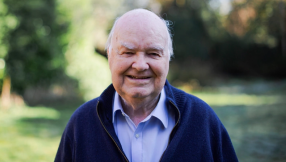
Rezaul, pictured, lives with his wife and two sons in the Bangladeshi Sunderbans. Rezaul's life has been blighted with problems exacerbated by climate change. Cyclones, rising temperatures, rising sea levels and coastal flooding mean it is no longer possible to grow crops. The soil is simply too salty. Instead people are turning to farming saltwater fish to survive.
After recovering from leprosy treatment, Rezaul took out a loan to rent a pond to farm saltwater fish. It was exactly the new start he needed and had hoped for. But Rezaul's hopes were soon dashed when Cyclone Remal made landfall in May. The storm left many people affected by leprosy homeless and without food. Rezaul's pond was flooded and he was devastated to discover he had lost all his fish. Yet he still had to repay his loan with interest.
Thankfully, my colleagues in Bangladesh heard of Rezaul's situation. They were able to support him and his family and he has been able to start saltwater fish farming again. But how long for, I wonder, until the next disaster hits? I'd like to think if those attending COP29 could somehow meet Rezaul then his story would stay with them. It could even propel them to help people like him not only survive, but thrive in our ever-changing world.
Peter Waddup is Chief Executive of The Leprosy Mission.