
WASHINGTON (Reuters) - U.S. President George W. Bush spoke to Israeli, Palestinian and Egyptian leaders on Wednesday to lay the groundwork for next week's Middle East peace conference on the creation of a Palestinian state.
The United States has invited about 40 countries, including Saudi Arabia and Syria which have no relations with the Jewish state, to the meeting which it hopes will launch negotiations to end the six-decade Israeli-Palestinian conflict.
Neither country has yet said whether it will attend and Middle East peace envoy and former British Prime Minister Tony Blair flew to Riyadh to meet Saudi King Abdullah as part of the U.S. drive to coax Arabs to come the meeting.
Saudi Arabia's participation could help Palestinian President Mahmoud Abbas compromise while also helping Israeli Prime Minister Ehud Olmert sell any deal to Israelis by holding out the prospect of a wider peace with the Arab world.
It was unclear how far the conference will go in tackling the core issues -- borders, security, settlements, the status of Jerusalem and the fate of Palestinian refugees -- that have defeated previous efforts to end the conflict.
Bush spoke to Olmert, Abbas and Egyptian President Hosni Mubarak as he began his most intense effort to resolve the conflict, which faces many obstacles.
The Palestinians are themselves divided between Abbas' Fatah movement, which governs the West Bank, and the Hamas Islamist faction, which seized control of the Gaza Strip in June and which the United States regards as a terrorist group.
Israel sought to bolster Abbas by approving a shipment of ammunition and 25 armoured trucks for his security forces in the West Bank and Israeli officials said another 25 vehicles could be sent later if his forces crack down on militants.
Israel, which controls Gaza's borders, also said flower and strawberry exports could resume from the impoverished territory to Europe. The shipments were suspended after Israel declared the Gaza Strip an enemy entity in September.
LAUNCH PAD FOR NEGOTIATIONS
U.S. Secretary of State Condoleezza Rice said the one-day meeting at the U.S. Naval Academy in Annapolis, Maryland would be a success if it simply launches peace negotiations.
Despite deep scepticism among diplomats and many officials on both sides, the United States hopes the talks could result in a deal on creating a Palestinian state before Bush leaves office in January 2009.
"The parties have said that they are going to make efforts to conclude it in this president's term," Rice told reporters. "So ... that's what we'll try and do. Nobody can guarantee that. All you can do is make your best effort."
She also said it was possible that a peace deal struck by Abbas could eventually bring along Hamas supporters if they saw a "tangible" possibility of a Palestinian state.
"It isn't the first time in either international politics or human history that a legitimate government has not controlled all of its territory and had to find a way to re-establish authority," she said of the West Bank-Gaza split.
Hamas's militant Izz el-Deen al-Qassam Brigades issued a statement putting Abbas on notice that "ceding any inch of Palestine is a national and moral crime."
Mahmoud al-Zahar, a senior Hamas leader, said the group and allied factions would hold a "National Conference to Preserve Constant Rights" in the Gaza Strip to demonstrate their opposition to any concessions by Abbas.
With the conference less than a week away, Israeli and Palestinian teams were still trying to draft a joint document that would address in general terms issues such as borders and the future of Jerusalem and Palestinian refugees.
Looking ahead to post-conference negotiations, Olmert has said he would not put any future peace deals into motion until Palestinians fulfilled their commitments under a U.S.-backed road map, including reining in militants.
The 2003 peace plan also calls on Israel to freeze all settlement activity, an obligation it has not met.
A senior Israeli official said one sticking point was over how to oversee implementation of road map obligations.
Israeli negotiators have raised objections to setting up a trilateral monitoring committee with the Palestinians and the United States, citing fears Palestinians could learn the identity of Israeli security sources.
The official said while Israel did not object to sole U.S. oversight over implementation of road map commitments, it wanted Washington's assessment to be nonbinding.
11% OFF

VitaUp Beet Root Gummies with CoQ10 & Grape Seed - Nitric Oxide Circulation Support (60 Count)
$24.91 $27.91
50% OFF

HDPE All-Weather Adirondack Chair with Built-In Cup Holder - Tool-Free Assembly (Grey)
$69.99 $139.99
60% OFF

HOMETUK Clear Plastic Storage Bins with Dividers - 3-Pack Stackable Acrylic Organizer Containers for Fridge and Pantry
$19.99 $49.99
58% OFF

G Gradual Men's Fishing Shirt - UPF 50+ Lightweight Short Sleeve Button Down with Zipper Pockets
$14.99 $35.99
55% OFF

Everyfun 60" Rectangular Platform Tree Swing - 700lbs Heavy Duty Adjustable Outdoor Swing (Colorful)
$49.99 $110.99
61% OFF

Ekouaer Women's Casual Loose Jumpsuit - One-Piece Printed Sleeveless Wide Leg Romper with Pockets
$14.99 $37.99
40% OFF
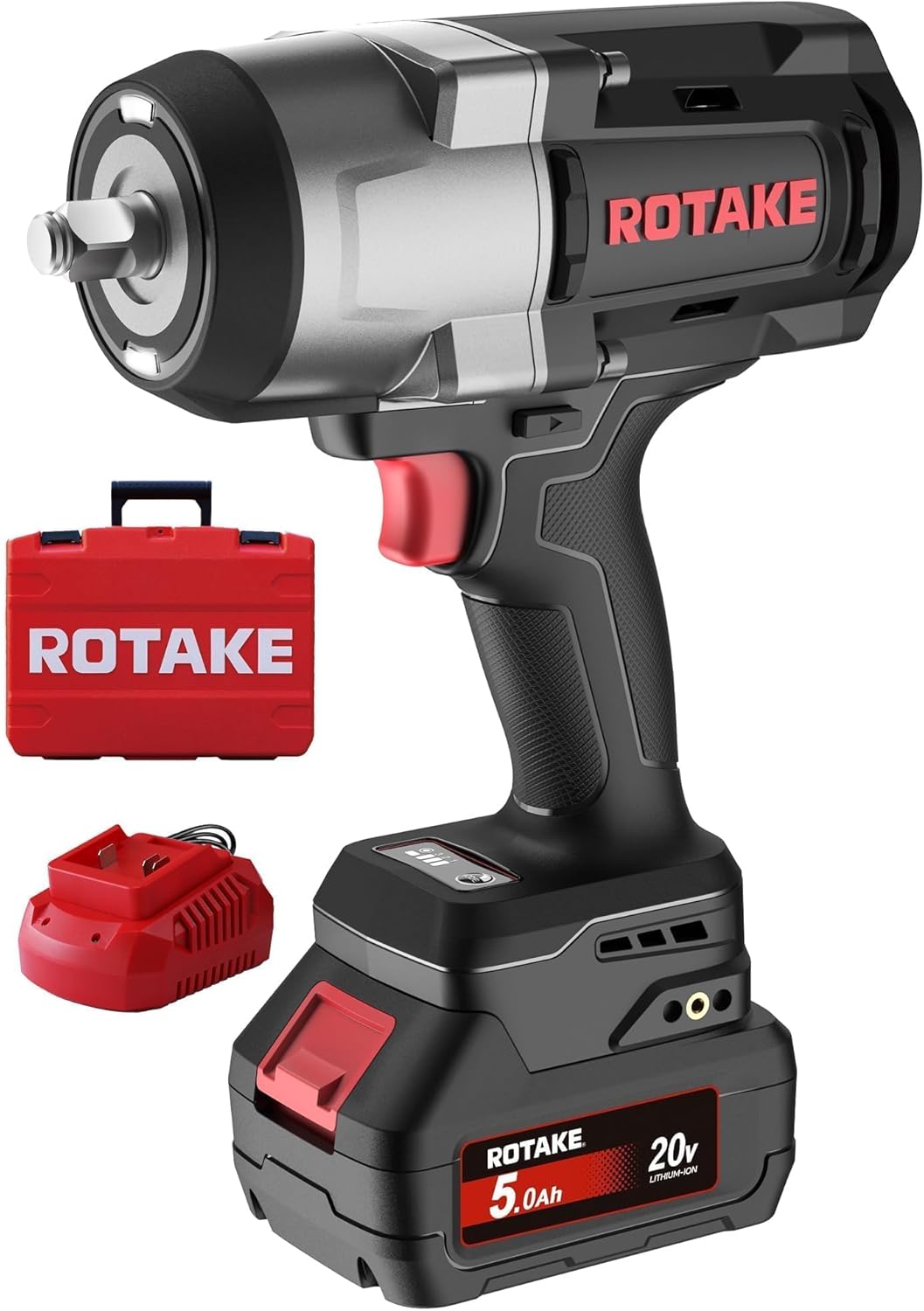
ROTAKE TB3 20V Heavy Duty 1/2" Cordless Impact Wrench Kit - 1380 Ft-Lbs Torque
$132 $219.99
36% OFF

Men's Athletic Running Shorts with Zipper Pockets - Lightweight & Quick Dry
$12.74 $19.99
61% OFF

Modern Ceiling Fan with Light and Remote - Reversible Quiet DC Motor
$69.3 $179.99
50% OFF

MOOKA H13 True HEPA Air Purifier for Home Large Room - 1076 sq ft Odor Eliminator
$39.97 $79.95
60% OFF

Ekouaer Women's Satin Silky Pajama Set - Short Sleeve Pullover Top & Wide-Leg Pants
$13.99 $34.99
55% OFF

Ekouaer 3-Piece Maternity & Nursing Pajamas Set - Short Sleeve Top with Shorts and Pants
$14.99 $32.99
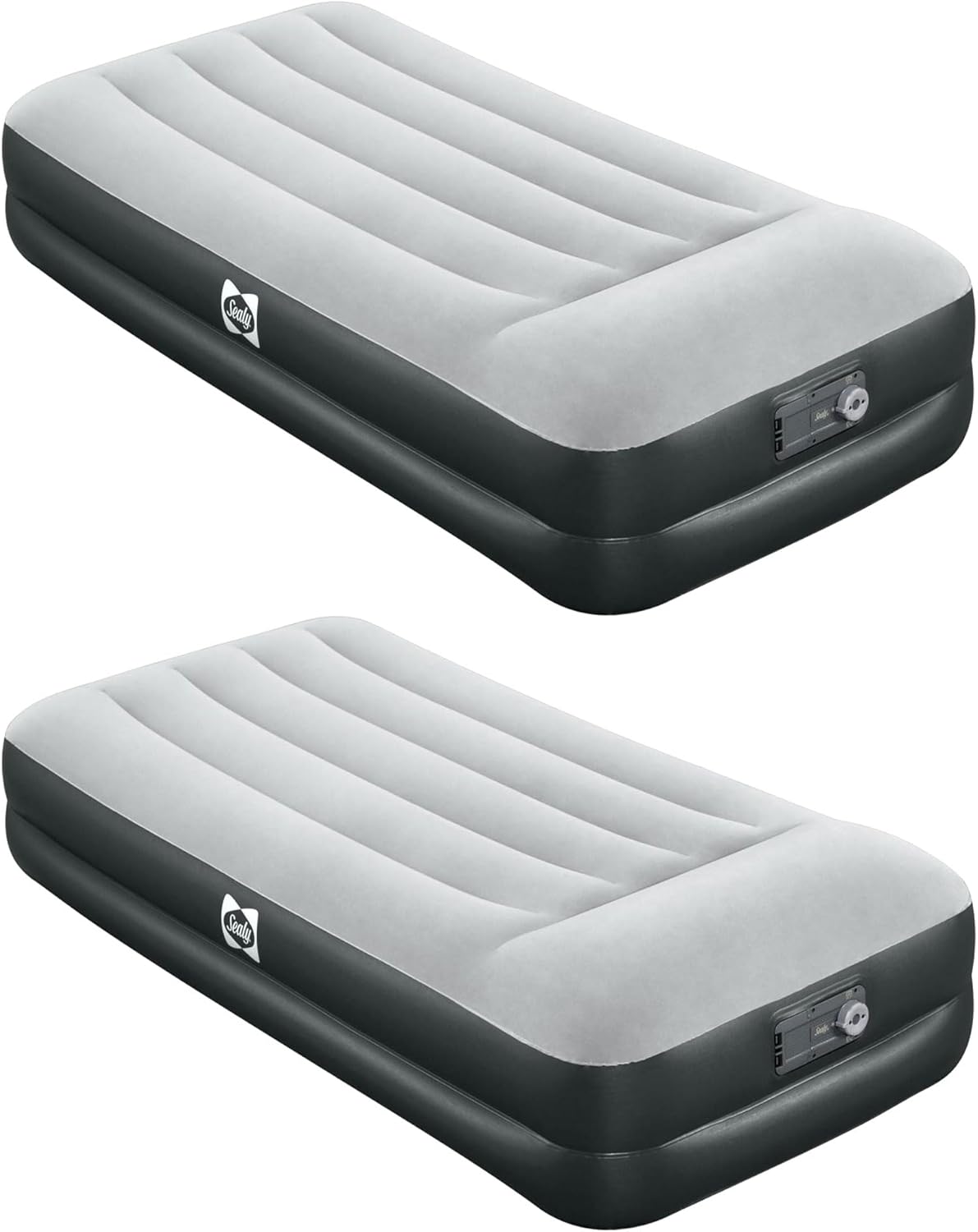
Sealy 2-Pack Tritech 16" Twin Inflatable Air Mattress with Built-in AC Pump
$0 $113.99
20% OFF

INTEX Prism Frame 20ft x 52in Above Ground Pool Set - Round Steel Frame Swimming Pool
$695.99 $869.99

Gardner Pet 43" Heavy Duty Dog Crate with Wheels - Indestructible Folding Metal Cage (Black)
$0 $149.99
12% OFF

Elegant Mid-Century Modern Bar Stools - Set of 4
$395.99 $449.99
23% OFF

Ergonomic Office Chair - Big and Tall Desk Chair with Adjustable Lumbar Support
$279.99 $363.99
26% OFF

Magnelex American Flag Windshield Sun Shade - High-Resolution UV Reflective Heat Shield (X-Large)
$19.9 $26.9
20% OFF
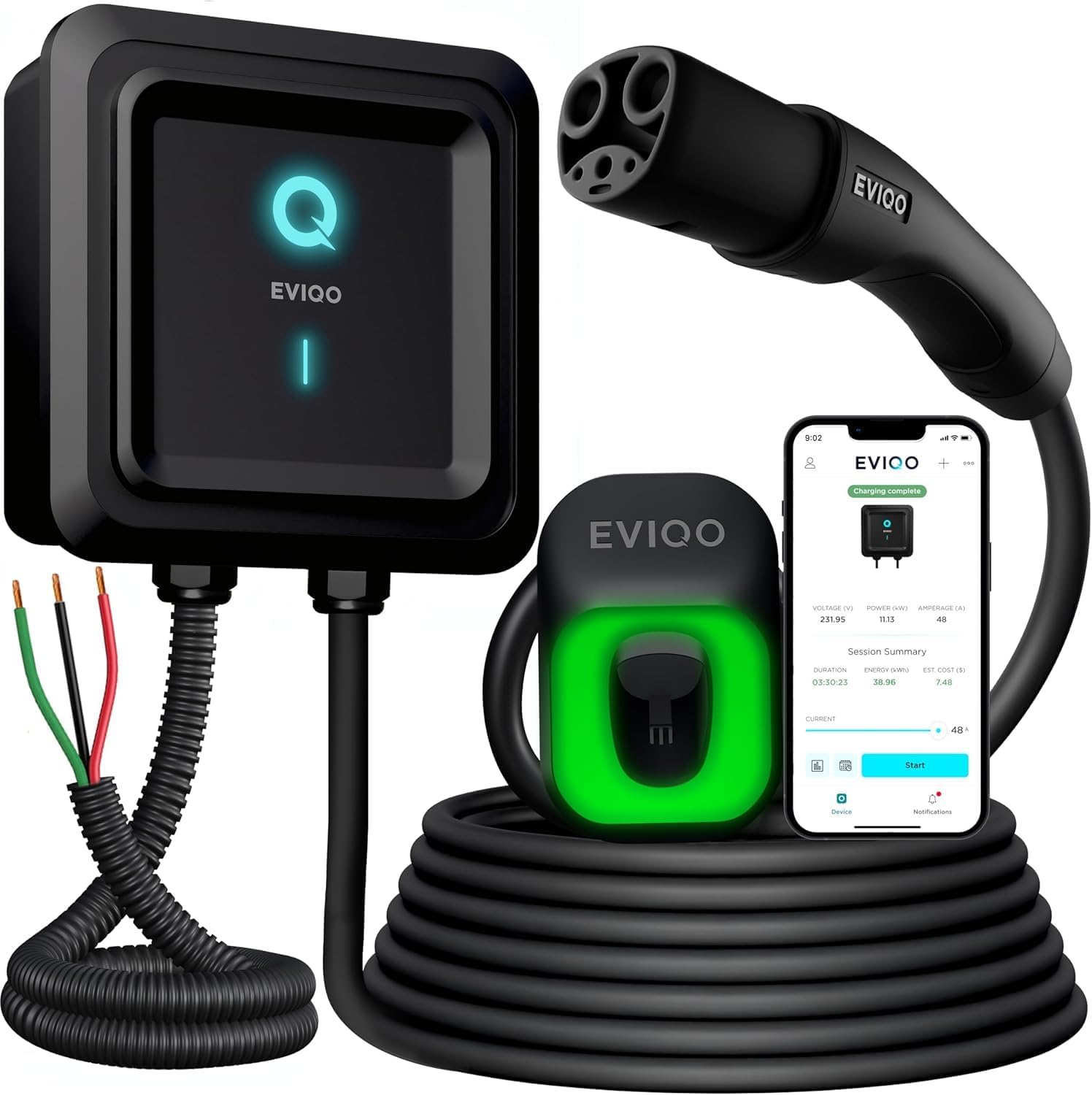
EVIQO 48 Amp NACS Level 2 EV Charger - Hardwired Smart WiFi Wall Charger for Tesla
$368.51 $458.55
50% OFF

DBFIT Air Purifier for Home Large Room
$29.99 $59.99



-

Historic Lancashire church secures £250,000 National Lottery grant for major roof repairs
-
Sunderland Minster PCC was right to push back over trans toilet sign
-

Bethel Church distances itself from Todd Bentley and Mike Bickle
-

Christian police officer reaches settlement over diversity training discrimination claim
-
Turkey's hidden Christian past: Extraordinary discoveries are rewriting the story of early Christianity
-

Report warns religious freedom protections in Mexico exist largely ‘on paper’
Most Popular
News

Pride and the Gospel: the way of self or the way of Christ?
As Christians, our understanding of pride is shaped not primarily by culture, but by Scripture.
Campaign urging greater support for Christian education
Unite for Education founder, Niel Deepnarain, said Christians must be willing to engage publicly with educational issues rather than remain silent.
Welsh reverend speaks of culture of fear over LGBT issues
Many people have already left the Church in Wales over its stance on same-sex relationships, an evangelical leader has said.

Reddit users declare small Welsh church best place in the world
Users voted to eliminate one half of a map until only one location remained.
VitaUp Beet Root Gummies with CoQ10 & Grape Seed - Nitric Oxide Circulation Support (60 Count)
$24.91
HDPE All-Weather Adirondack Chair with Built-In Cup Holder - Tool-Free Assembly (Grey)
$69.99
HOMETUK Clear Plastic Storage Bins with Dividers - 3-Pack Stackable Acrylic Organizer Containers for Fridge and Pantry
$19.99
G Gradual Men's Fishing Shirt - UPF 50+ Lightweight Short Sleeve Button Down with Zipper Pockets
$14.99
Everyfun 60" Rectangular Platform Tree Swing - 700lbs Heavy Duty Adjustable Outdoor Swing (Colorful)
$49.99
Ekouaer Women's Casual Loose Jumpsuit - One-Piece Printed Sleeveless Wide Leg Romper with Pockets
$14.99
ROTAKE TB3 20V Heavy Duty 1/2" Cordless Impact Wrench Kit - 1380 Ft-Lbs Torque
$132
Men's Athletic Running Shorts with Zipper Pockets - Lightweight & Quick Dry
$12.74
Modern Ceiling Fan with Light and Remote - Reversible Quiet DC Motor
$69.3
MOOKA H13 True HEPA Air Purifier for Home Large Room - 1076 sq ft Odor Eliminator
$39.97
Ekouaer Women's Satin Silky Pajama Set - Short Sleeve Pullover Top & Wide-Leg Pants
$13.99
Ekouaer 3-Piece Maternity & Nursing Pajamas Set - Short Sleeve Top with Shorts and Pants
$14.99
Sealy 2-Pack Tritech 16" Twin Inflatable Air Mattress with Built-in AC Pump
$0
INTEX Prism Frame 20ft x 52in Above Ground Pool Set - Round Steel Frame Swimming Pool
$695.99
Gardner Pet 43" Heavy Duty Dog Crate with Wheels - Indestructible Folding Metal Cage (Black)
$0
Elegant Mid-Century Modern Bar Stools - Set of 4
$395.99
Ergonomic Office Chair - Big and Tall Desk Chair with Adjustable Lumbar Support
$279.99
Magnelex American Flag Windshield Sun Shade - High-Resolution UV Reflective Heat Shield (X-Large)
$19.9
EVIQO 48 Amp NACS Level 2 EV Charger - Hardwired Smart WiFi Wall Charger for Tesla
$368.51
DBFIT Air Purifier for Home Large Room
$29.99