
After tropical storm Jeanne swept through the north of Haiti last weekend, at least 700 lives have been claimed in the region. Acknowledging the disastrous effect brought by the storm, a number of UK-based international aid agencies have taken prompt action to meet the needs of the thousands of victims in the flood.
Earlier this week, Oxfam sent an assessment team of experts together with the UN and other agencies to the worst affected areas. They determined the extent of the damage and the level of help needed. According to Oxfam, the town of Gonaives is the worst hit, with up to 80% of the town underwater and several hundred people dead. In other areas like Port de Paix in the North and the small island L’iles de la Tortue, the situations are also extremely serious.
During times of flood, water supplies have been contaminated, causing a threat to health. Therefore, the focus of Oxfam’s response is the provision of clean water and sanitation and promotion of good hygiene practices. Oxfam has already got water and sanitation equipment in Haiti including buckets, bladders, and tap stands for this response. Oxfam emergency water engineers from other parts of the country will travel there to assist as well. £50,000 has been set aside to cover initial costs and more will be made available if necessary.
Oxfam’s country programme manager in Haiti, Yolette Etienne explains the difficulties encountered, “Access is limited and it is difficult to assess the extent of the crisis but many people have died and others have had their homes and livelihoods destroyed and now face the threat of disease and further flooding.”
“We will concentrate as a priority on helping the people most in need now by providing clean water and sanitation to keep them alive and stop the spread of disease,” she continued.
A British Red Cross aid flight arrived in Haiti yesterday, 22nd September. The plane carried 5,000 blankets, plastic sheeting, 1,100 hygiene kits (for families of 5) and 900 kitchen sets.
Philippe Puyo Tschanz, Desk Officer for the Americas, at the British Red Cross said, “Many people have lost everything and we urgently need to provide food, shelter and clean water.”
Similar to Oxfam, the provisions of clean water has been the Red Cross’ main focus in order to prevent a public health crisis, and the Haitian Red Cross is organising the trucking of water into Gonaives.
Another important mission of the Red Cross in Haiti is to maintain proper medical services where the hospital was damaged by flood. The Red Cross has been distributing medical supplies and rehabilitating an operating theatre. Two sites have been identified for common graves and the Red Cross, working with the local authorities and the government, will be involved in the collection of bodies for identification and temporary burial.
Christian Aid have addressed the existing underlying problems - deforestation and poverty - that have exacerbated the impact of the flood.
Judith Turbyne, Christian Aid’s regional manager for Central America further explained, “Because the economic situation for many Haitians is so precarious, they rely on chopping down trees for fuel. So in the poorest areas there has been widespread deforestation.”
“Extreme poverty forces people to migrate in search of work and many are living in makeshift shelters. Parts of Haiti are very mountainous and the most vulnerable tend to live on steep hillsides or in ravines.”
Both of these geographical factors have put people into more unfavourable situations during the times of flooding, because deadly mudslides are more likely.
Therefore, rather than sending emergency aid, Christian Aid’s work is focussed on long-term development. It works with partner organisations to shore up the rural economy and discourage migration.
One project sells chickens and goats at low cost so that farmers can use them for breeding, consumption and selling. This improves both nutrition and cash flow in the household. Another key aim of the programme is to build up rural livelihoods so that people aren’t driven from their land in search of work.




-

Edinburgh University ends divinity programmes as theology faces a changing future
-

Why the Archbishop of Canterbury’s award controversy matters
-

More than one in four US Protestant churchgoers believe some biblical truths become outdated
-

Catholicism in France has 'collapsed'
-

Christian leaders issue ‘sober and urgent call’ for Western Church to prepare for disruption
-

Australia's anti-therapy laws harm the most vulnerable - Britain should not copy them
Most Popular
News

Active faith linked to happier marriages and lower divorce rates, study finds
People who regularly attend church are more likely to report happy marriages, according to a new report examining the relationship between faith and family life.
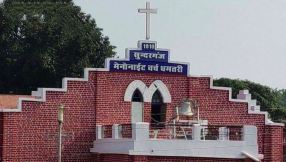
Indian churches fearing anti-conversion laws tell non-Christians: enter at your own risk
Churches in Dhamtari, a town in the central Indian state of Chhattisgarh, have put up notices warning non-Christians that they enter at their own risk, weeks after a law against religious conversion came into force in the state.

£1k bursaries to help churches develop youth and community mentoring programmes
Churches across the UK are being offered bursaries to help them establish mentoring programmes aimed at supporting young people and others in their communities.

World Evangelical Alliance celebrates 180th anniversary
The World Evangelical Alliance (WEA) has held an online celebration to mark its 180th anniversary. Hundreds of people from more than 22 countries attended, and the event was rebroadcast to accommodate different time zones.








