
|PIC1|We do it about 215 million times a day, so humans need to stop shying away from talking about sex - and the babies it makes - to help avert the global climate crisis, environmentalist and author Robert Engelman says.
With 78 million new homo sapiens arriving every year, the human race urgently needs to address population growth through debate, Engleman says in his new book, "More: Population, Nature and What Women Want".
Engleman, a programme director at Washington's Worldwatch Institute, spoke to Reuters about how to get the conversation going, and why we need to hurry, but be calm, about it.
Q: Condoms for climate change. Is that what you're saying?
A: At the risk of oversimplifying, it's possible to boil it down to say condoms to help prevent further climate change. The book is very much about relations between human numbers and the environment. And it's very much suggesting that better access to contraception, not just condoms but the whole range, is important in thinking about the environment.
Q: Why is it so hard to talk about this topic?
A: In some ways it is an ultimate taboo. People feel that there is no safe ground - even to bring it up, as an issue, it sounds as though you are telling other people how many children to have, and that is unforgivable as reproduction and having children is so sensitive and so personal.
Q: What are the taboos in this discussion, exactly?
A: Several topics come up that are unpleasant or difficult to deal with, one is abortion, one is immigration, one is racial or ethnic differences in fertility. Mostly northern Caucasian peoples are on average having fewer children than other ethnic groups, or other nationalities. That's not universally true but there's a tendency to perceive it that way. So that makes it even more sensitive. You combine sexuality, abortion, immigration and racial and ethnic differences. What sensitive issue haven't we not thrown into this mix?
Q: You suggest there simply too many humans running around emitting global-warming related carbon to be sustainable?
A: We have succeeded too well at expanding the species into every nook and cranny of the planet. In some ways we are now suffering some of the negative impacts of that very success. We discovered that we could burn coal when we ran out of forest wood. Coal launched an industrial revolution that allowed us to have the larger population we have. On one hand it's a triumph. On the other hand we wouldn't be facing a potentially catastrophically changing climate if we hadn't had to feed and care for an unprecedentedly large human population.
Q: And now we need to slow down?
A: I can't prove it, I'm not going to predict it, but we could be facing an era when we find that population doesn't grow forever, and we find that it is a finite planet. Eventually food, disease do have an effect on population by affecting death rates.
At this point, I think we would be well-advised not to keep growing. To have some population decline, not too much, not too long, would be just what the doctor ordered.
Q: You suggest that's what most women would choose?
A: There's a term that I think I invented called the demostat, like a thermostat. The idea is that women's childbearing decisions respond to their environment - when conditions are really bad they tend to have fewer children and then when conditions improve they tend to have more.
I don't think it's quite as simple as women just put their finger into the wind and say it's a good time or a bad time but I think that it's the best way to think about population; that we're most likely to arrive at a sustainable population simply by allowing women to make the decision.
Q: Meanwhile, governments worried about having too many, or too few people, should be calm, you say?
A: I call it "Zen and art of population management". Many governments have become fairly successful with this Zen approach - not telling women how many children to have, not taxing children or somehow disincentivising family, but simply making sure women had good health services by which they could make their own decisions about reproduction.
When that happened, women spontaneously grasped it, and fertility rates went down. Not because governments were telling women to have fewer children, but because they were setting up the conditions under which women could achieve the goal they had always had, which was to be able to time their pregnancy.
50% OFF

NEWFAST NF-RE523 AC1200 WiFi Extender - 1200Mbps Dual Band Signal Booster & Internet Repeater
$18.5 $36.99
48% OFF
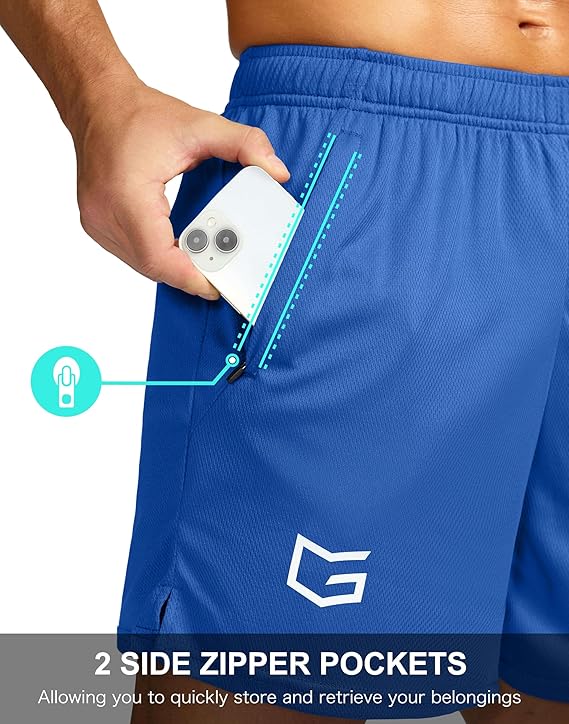
G Gradual Men's 7-inch Workout Running Shorts - Lightweight, Quick-Dry, Comfort
$12.91 $24.99
50% OFF
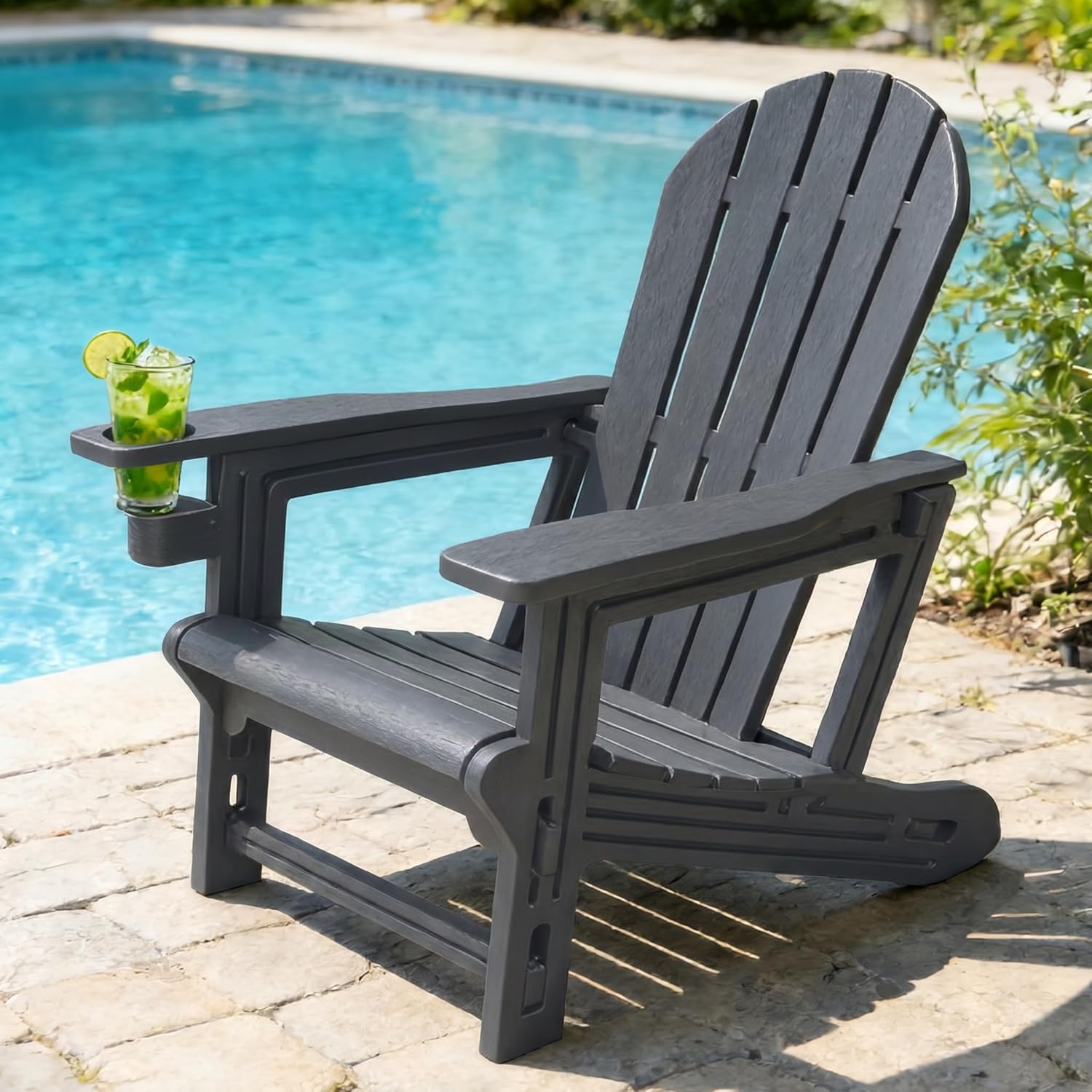
HDPE All-Weather Adirondack Chair with Built-In Cup Holder - Tool-Free Assembly (Grey)
$69.99 $139.99
60% OFF
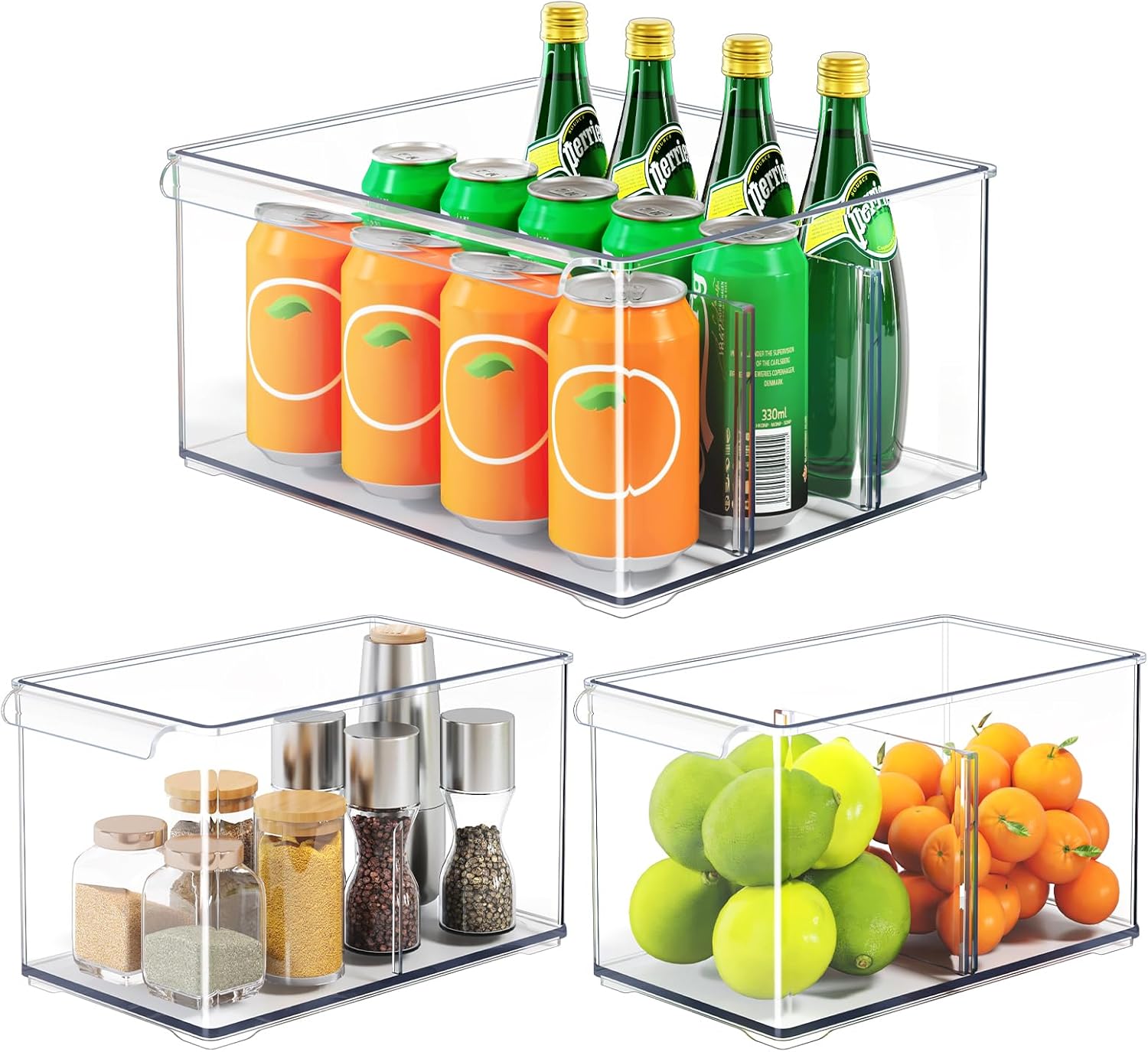
HOMETUK Clear Plastic Storage Bins with Dividers - 3-Pack Stackable Acrylic Organizer Containers for Fridge and Pantry
$19.99 $49.99
58% OFF
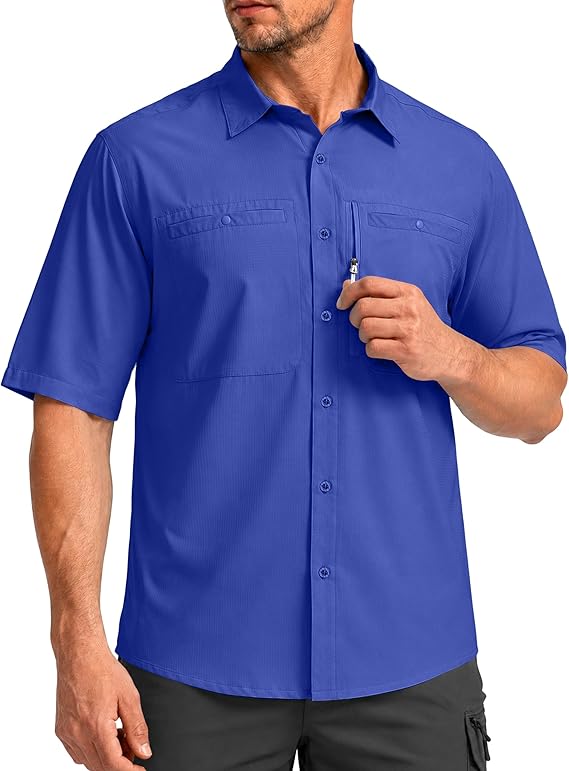
G Gradual Men's Fishing Shirt - UPF 50+ Lightweight Short Sleeve Button Down with Zipper Pockets
$14.99 $35.99
55% OFF
Everyfun 60" Rectangular Platform Tree Swing - 700lbs Heavy Duty Adjustable Outdoor Swing (Colorful)
$49.99 $110.99
61% OFF
Ekouaer Women's Casual Loose Jumpsuit - One-Piece Printed Sleeveless Wide Leg Romper with Pockets
$14.99 $37.99
40% OFF
ROTAKE TB3 20V Heavy Duty 1/2" Cordless Impact Wrench Kit - 1380 Ft-Lbs Torque
$132 $219.99
36% OFF
Men's Athletic Running Shorts with Zipper Pockets - Lightweight & Quick Dry
$12.74 $19.99
61% OFF
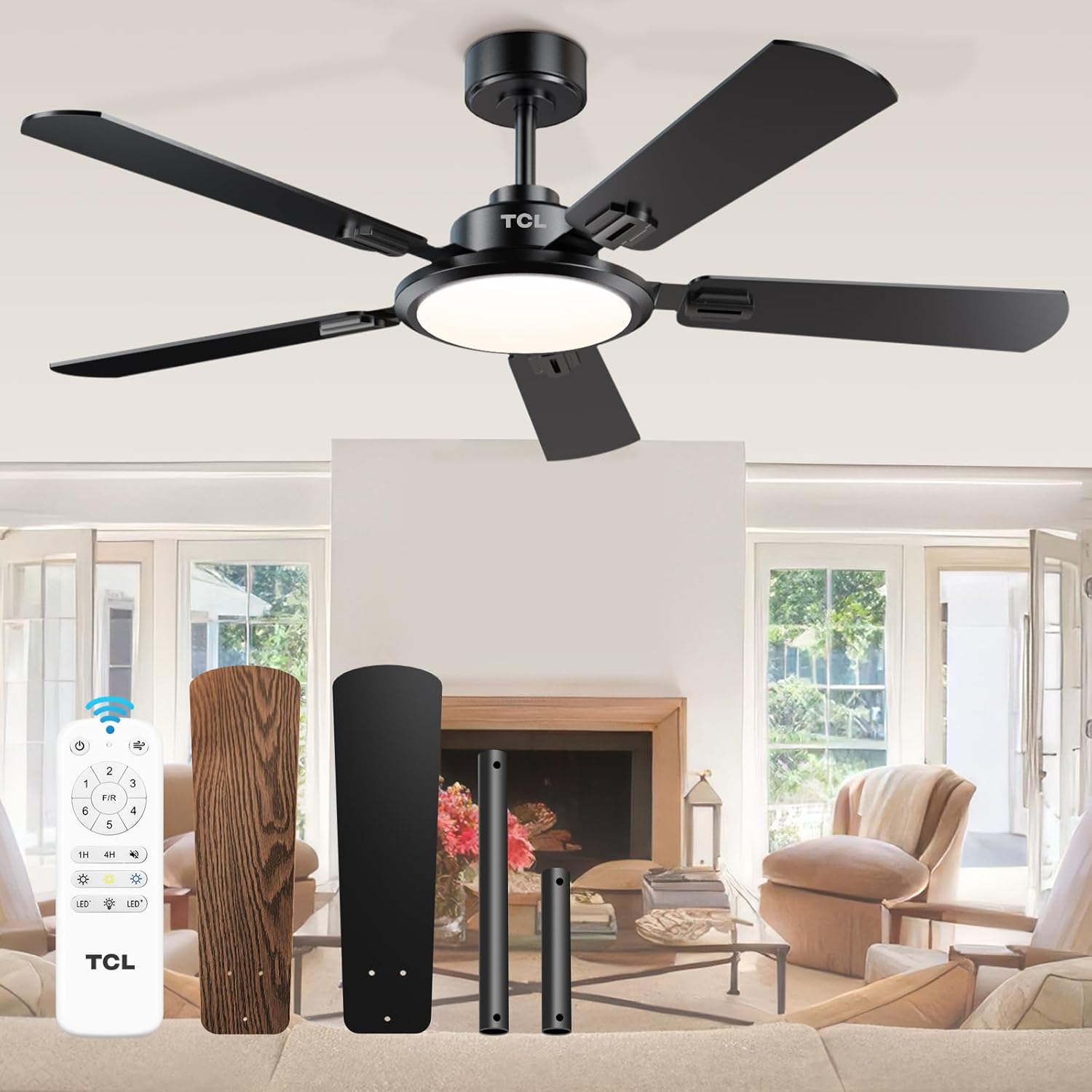
Modern Ceiling Fan with Light and Remote - Reversible Quiet DC Motor
$69.3 $179.99
50% OFF
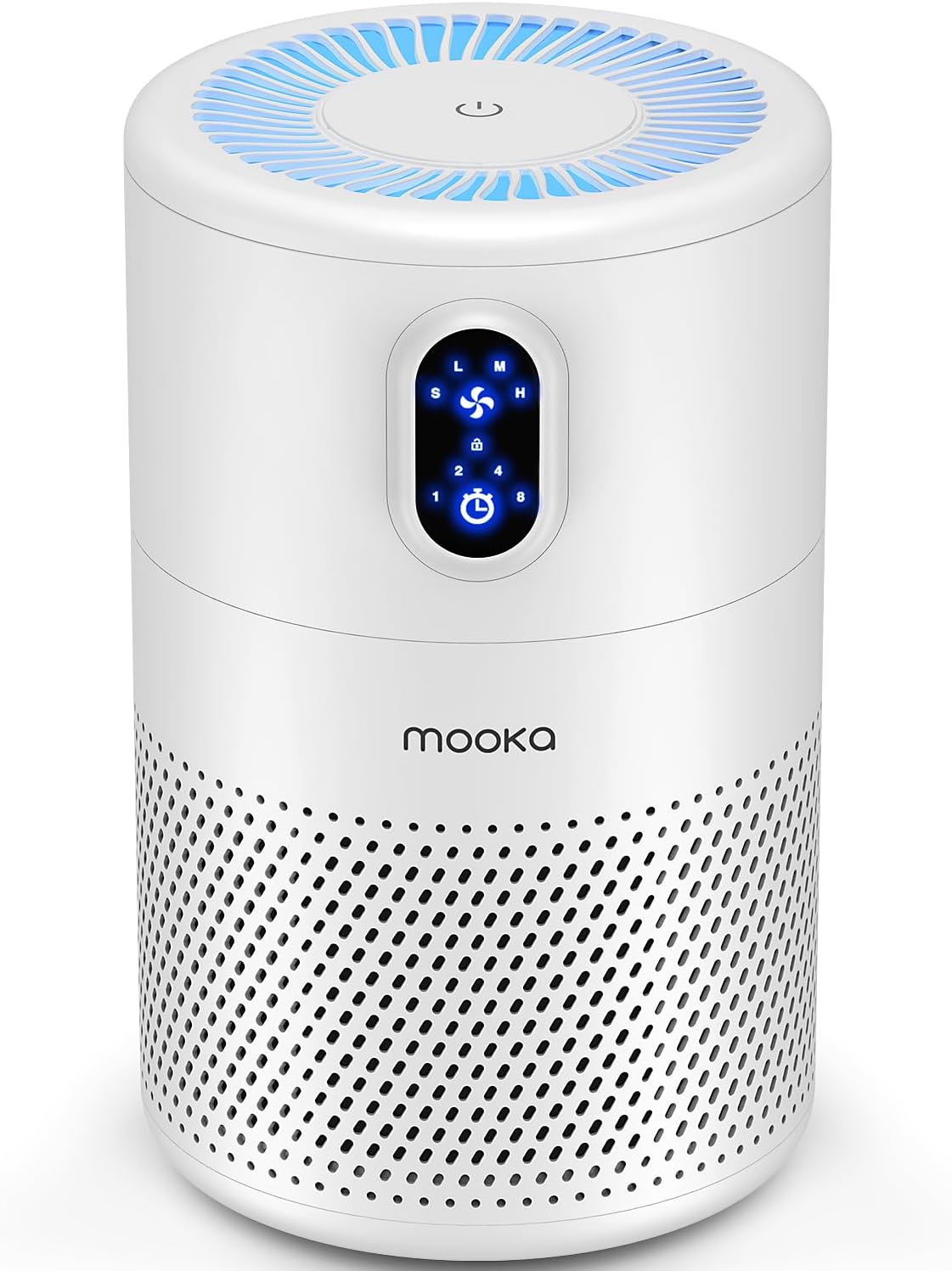
MOOKA H13 True HEPA Air Purifier for Home Large Room - 1076 sq ft Odor Eliminator
$39.97 $79.95
60% OFF

Ekouaer Women's Satin Silky Pajama Set - Short Sleeve Pullover Top & Wide-Leg Pants
$13.99 $34.99
55% OFF

Ekouaer 3-Piece Maternity & Nursing Pajamas Set - Short Sleeve Top with Shorts and Pants
$14.99 $32.99
11% OFF
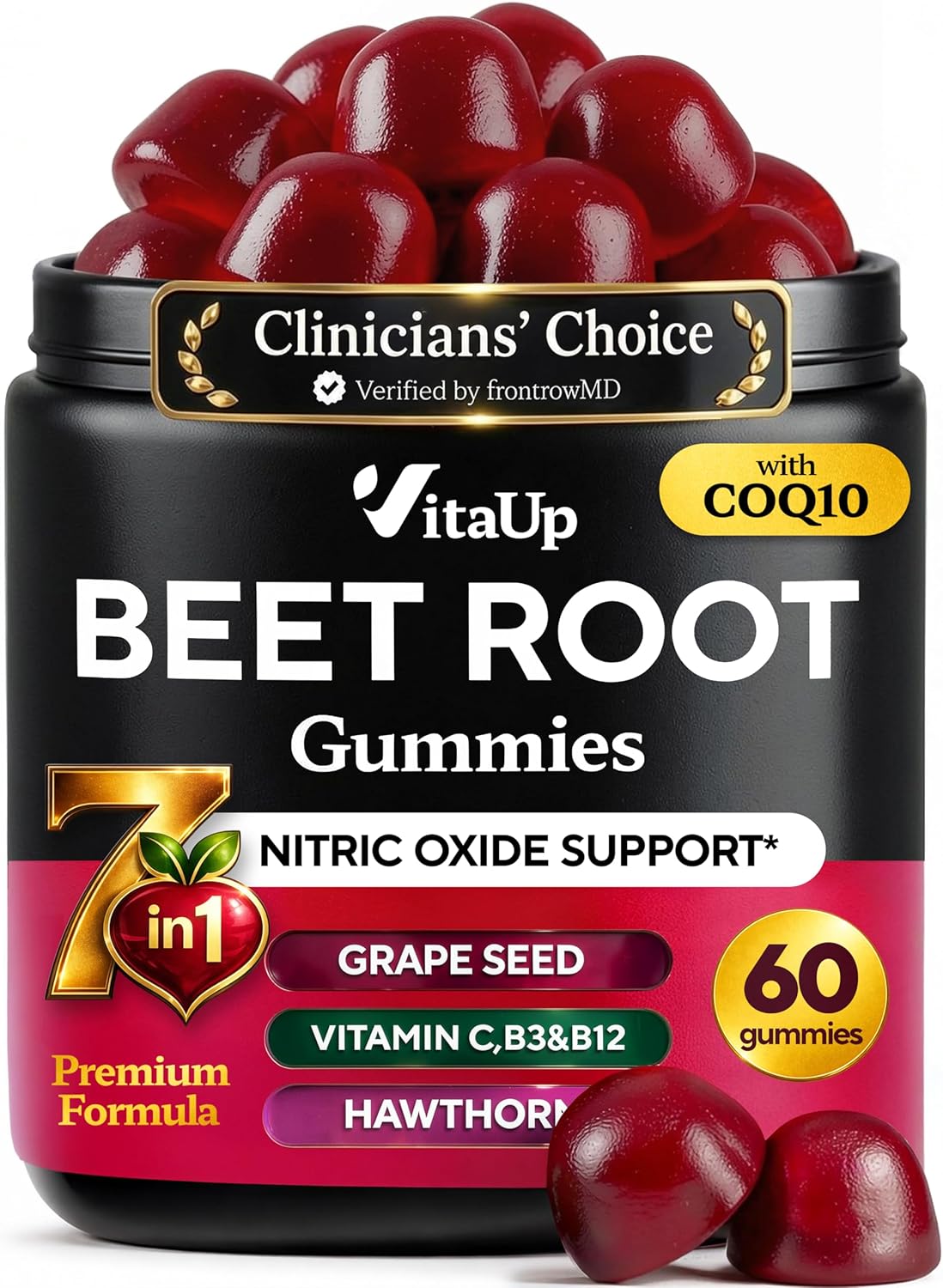
VitaUp Beet Root Gummies with CoQ10 & Grape Seed - Nitric Oxide Circulation Support (60 Count)
$24.91 $27.91
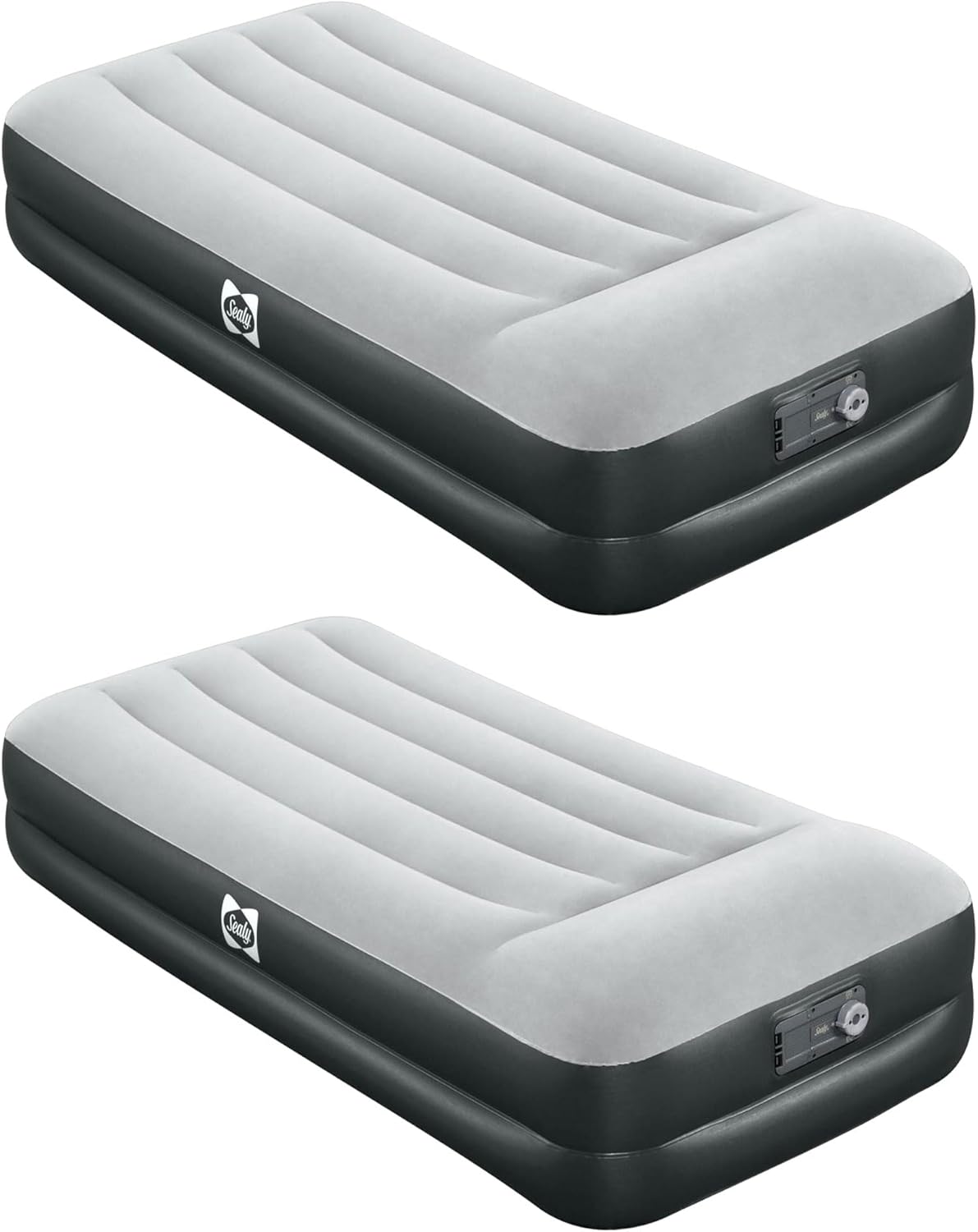
Sealy 2-Pack Tritech 16" Twin Inflatable Air Mattress with Built-in AC Pump
$0 $113.99
20% OFF
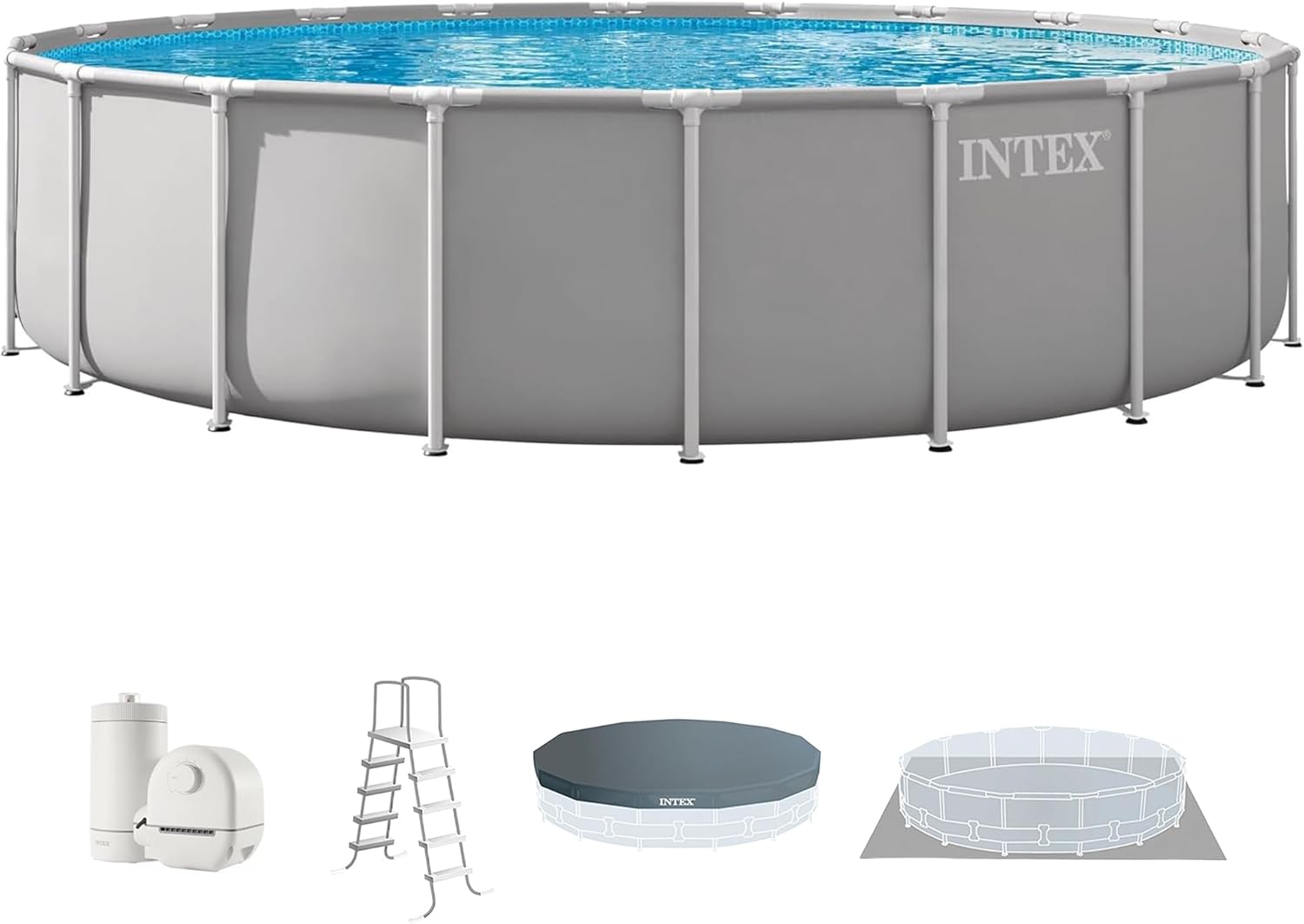
INTEX Prism Frame 20ft x 52in Above Ground Pool Set - Round Steel Frame Swimming Pool
$695.99 $869.99

Gardner Pet 43" Heavy Duty Dog Crate with Wheels - Indestructible Folding Metal Cage (Black)
$0 $149.99
12% OFF

Elegant Mid-Century Modern Bar Stools - Set of 4
$395.99 $449.99
23% OFF

Ergonomic Office Chair - Big and Tall Desk Chair with Adjustable Lumbar Support
$279.99 $363.99
26% OFF

Magnelex American Flag Windshield Sun Shade - High-Resolution UV Reflective Heat Shield (X-Large)
$19.9 $26.9




-

Historic Lancashire church secures £250,000 National Lottery grant for major roof repairs
-

Sunderland Minster PCC was right to push back over trans toilet sign
-

Report warns religious freedom protections in Mexico exist largely ‘on paper’
-

Bethel Church distances itself from Todd Bentley and Mike Bickle
-

Christian police officer reaches settlement over diversity training discrimination claim
-

Turkey's hidden Christian past: Extraordinary discoveries are rewriting the story of early Christianity
Most Popular
related articles
Just Sex?
Just Sex?
Sex diseases among over 45s rocket
Sex diseases among over 45s rocket
News
Pride and the Gospel: the way of self or the way of Christ?
As Christians, our understanding of pride is shaped not primarily by culture, but by Scripture.

Campaign urging greater support for Christian education
Unite for Education founder, Niel Deepnarain, said Christians must be willing to engage publicly with educational issues rather than remain silent.

Welsh reverend speaks of culture of fear over LGBT issues
Many people have already left the Church in Wales over its stance on same-sex relationships, an evangelical leader has said.

Reddit users declare small Welsh church best place in the world
Users voted to eliminate one half of a map until only one location remained.
NEWFAST NF-RE523 AC1200 WiFi Extender - 1200Mbps Dual Band Signal Booster & Internet Repeater
$18.5
G Gradual Men's 7-inch Workout Running Shorts - Lightweight, Quick-Dry, Comfort
$12.91
HDPE All-Weather Adirondack Chair with Built-In Cup Holder - Tool-Free Assembly (Grey)
$69.99
HOMETUK Clear Plastic Storage Bins with Dividers - 3-Pack Stackable Acrylic Organizer Containers for Fridge and Pantry
$19.99
G Gradual Men's Fishing Shirt - UPF 50+ Lightweight Short Sleeve Button Down with Zipper Pockets
$14.99
Everyfun 60" Rectangular Platform Tree Swing - 700lbs Heavy Duty Adjustable Outdoor Swing (Colorful)
$49.99
Ekouaer Women's Casual Loose Jumpsuit - One-Piece Printed Sleeveless Wide Leg Romper with Pockets
$14.99
ROTAKE TB3 20V Heavy Duty 1/2" Cordless Impact Wrench Kit - 1380 Ft-Lbs Torque
$132
Men's Athletic Running Shorts with Zipper Pockets - Lightweight & Quick Dry
$12.74
Modern Ceiling Fan with Light and Remote - Reversible Quiet DC Motor
$69.3
MOOKA H13 True HEPA Air Purifier for Home Large Room - 1076 sq ft Odor Eliminator
$39.97
Ekouaer Women's Satin Silky Pajama Set - Short Sleeve Pullover Top & Wide-Leg Pants
$13.99
Ekouaer 3-Piece Maternity & Nursing Pajamas Set - Short Sleeve Top with Shorts and Pants
$14.99
VitaUp Beet Root Gummies with CoQ10 & Grape Seed - Nitric Oxide Circulation Support (60 Count)
$24.91
Sealy 2-Pack Tritech 16" Twin Inflatable Air Mattress with Built-in AC Pump
$0
INTEX Prism Frame 20ft x 52in Above Ground Pool Set - Round Steel Frame Swimming Pool
$695.99
Gardner Pet 43" Heavy Duty Dog Crate with Wheels - Indestructible Folding Metal Cage (Black)
$0
Elegant Mid-Century Modern Bar Stools - Set of 4
$395.99
Ergonomic Office Chair - Big and Tall Desk Chair with Adjustable Lumbar Support
$279.99
Magnelex American Flag Windshield Sun Shade - High-Resolution UV Reflective Heat Shield (X-Large)
$19.9