
The evangelical churches in France recently have become more and more part of a rising Christian movement across the world. However, this exciting progress has also seen new problems develop. Churches across France have reported that they have been encountering growing administrative problems, which have arisen as the country continues to re-assess its secularist society.
Many official actions undertaken by authoritative bodies have had to be frequently protested against by the French Protestant Federation, as the decisions tend to attack the religious freedoms of Christians. However, the FPF stated that these problems were more likely to be the result of ignorance rather than a deliberate act of persecution.
France is a country deeply rooted in Catholic traditions and historically public officials only recognise religions as official if they consist of a recognised Head, such as a bishop, and partake in a recognised service such as a Mass. All other variations on these strict standards have been considered to be a sect.
Last year a French magazine released an article which stated that all evangelical churches were sects, and criticised them as simply being a political tool of the US.
French Federation President Jean-Arnold de Clermont, however has rejected many claims that religious freedom was under attack in France. He said, "Liberty of religion is intact but it is true that the ignorance of some public officials has often placed us in difficult situations. Freedom of religion is fundamental to French law. Administrative zeal or administrative rules should not bring into question this freedom of religion."
De Clermont commented that many of the problems over the past two years could be attributable to many debates that have occurred in France over the topic of secularisation: "Some officials are looking more carefully and zealously at any domain that involves religion. It's not very serious and it's marginal but it's very annoying."
Last September, religious tensions in France reached boiling point as a heated debate related to the country’s secularist traditions led to a law being created that banned Islamic headscarves and other religious symbols from schools.
In France, just 10% of the country’s population attend weekend services, however, the country’s population still consists of a Catholic majority. Muslims make up approximately 10% of the population, Protestants just 2.2% and Jews 1%.
The growth of the evangelical Protestant Church over recent times has been encouraging though. A recent census has shown a 10% growth over the past fifteen years, with evangelical Baptist, Pentecostal and many independent denominations seeing huge increases.
Religious leaders have often been called upon to gather and to help explain specifics regarding denominational movements to authorities. The French Ministry of the Interior recently called upon religious leaders, including Protestant, Catholic, Muslim and Jewish representatives to provide guidance on some religious topics. However, at the gathering the Reformed Church Pastor had to inform the officials that to gain a better balance they should have invited Lutheran evangelical representatives, as well as a number of other Protestant representatives to aid discussions.




-

Edinburgh University ends divinity programmes as theology faces a changing future
-

Why the Archbishop of Canterbury’s award controversy matters
-

More than one in four US Protestant churchgoers believe some biblical truths become outdated
-

Catholicism in France has 'collapsed'
-

Christian leaders issue ‘sober and urgent call’ for Western Church to prepare for disruption
-

Australia's anti-therapy laws harm the most vulnerable - Britain should not copy them
Most Popular
News

Active faith linked to happier marriages and lower divorce rates, study finds
People who regularly attend church are more likely to report happy marriages, according to a new report examining the relationship between faith and family life.
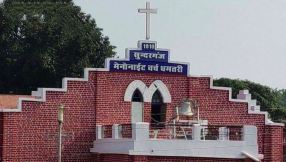
Indian churches fearing anti-conversion laws tell non-Christians: enter at your own risk
Churches in Dhamtari, a town in the central Indian state of Chhattisgarh, have put up notices warning non-Christians that they enter at their own risk, weeks after a law against religious conversion came into force in the state.

£1k bursaries to help churches develop youth and community mentoring programmes
Churches across the UK are being offered bursaries to help them establish mentoring programmes aimed at supporting young people and others in their communities.

World Evangelical Alliance celebrates 180th anniversary
The World Evangelical Alliance (WEA) has held an online celebration to mark its 180th anniversary. Hundreds of people from more than 22 countries attended, and the event was rebroadcast to accommodate different time zones.








