Churches are now squaring up to the same challenges – and opportunities – that local shops and businesses have faced for years.
It's all about the internet and how that changes everything.
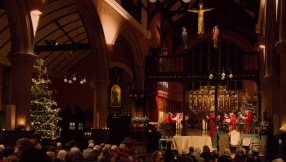
In the pre-Covid world, services were held in churches, and people went to them - or not.
Throughout the lockdowns, most churches went online. Services were recorded or streamed from church buildings, kitchens, lounges or even sheds.
Some looked amazingly slick and professional. Most simply reflected the gifts and technical skills that the church could muster.
The move online brought other changes. People used to attending their local church, dropped in online to high-profile churches in the UK or overseas. Worshippers from around the world started 'attending' services in other countries or continents.
People who had not attended church for years, or not at all, came across services online and were surprised at the variety on offer. They joined online services at different times to when they had been available live – and some watched while drinking coffee in bed.
Those who through disability had not been able to attend services could now join online alongside those who used to go, physically, each week.
A report from Anglican evangelical mission agency CPAS, published during last year's lockdown, assessed the dramatic impact that online services were having.
But now, as post-Covid normality largely returns to western countries, many churches are facing tough decisions about their online offerings.
Do we go back to services only being held in church? Or do we continue with online offerings as well?
Where technically possible, the answer must be yes – to keep going both online and in church. And with that in mind, churches and Christians are being encouraged to sign up to a Hybrid Church Charter.
Yet if churches want to encourage more people to come through our doors – and we do – we need to look at what's on offer. That means working on the warmth of welcome and the quality of worship and practical teaching.
More importantly, it's about bringing people into the presence of a God who loves them, affirms them and wants the best for them. It's about being part of a community of people who are seeking to follow God, who fail, receive forgiveness, but go on trying.
It's about church as a place where people can feel welcomed, at home, safe, and valued. A place where they are known and loved.
And, when all that is in place, it beats anything the internet can offer.
Rev Peter Crumpler is a Church of England minister in St Albans, Herts, UK, and a former communications director with the CofE.