
"Please remind the world that we are no longer at war," a high-ranking government official from Sierra Leone told an international ecumenical team visiting churches and ecumenical organisations in Liberia and Sierra Leone from 2 to 8 November.
"The world still looks at us as if we were warlords", said Sierra Leone Minister of Trade and Industry Alimamy Koroma to the delegation, which visited the two West African countries in the context of the Living Letters initiative of the World Council of Churches (WCC).
Both Liberia and Sierra Leone were devastated by civil wars in the 1990s. Liberia returned to peace and stability after the president and former warlord Charles Taylor was ousted in 2003. In neighbouring Sierra Leone, civil war officially ended in 2002.
"Living Letters" are small international ecumenical teams traveling to locations around the world where Christians strive to overcome violence. The team members, who are themselves involved in ecumenical activities and peace building in their home countries, express the solidarity of the WCC fellowship, which comprises 349 churches worldwide.
According to Koroma, the world has forgotten that these countries ended their wars some six years ago and after a shaky start now both have democratically elected governments. Liberian president Ellen Johnson-Sirleaf, elected in late 2005, is the first woman president in Africa.
The war-ravaged economies of both countries are struggling to revive but the current collapse of the world economy has created serious challenges with rising prices of food, fuel and other commodities. Moreover, Koroma said, they have been coerced into the world market and trading systems, which are inherently unjust, favouring the strong over the weak.
Sierra Leone and Liberia count among the ten poorest countries in the world, according to International Monetary Fund data on gross domestic products per capita.
Both Liberia and Sierra Leone are working steadily to consolidate the peace they have won, the Living Letters group was told. Governments, churches and civil society organisations have set in place processes for healing the memories of the war.
The wars have left behind a culture of violence that continues to have a deleterious impact on women and children. The Liberia Council of Churches and the Council of Churches in Sierra Leone work closely with UN agencies and civil society groups focusing on rehabilitation of street children, psychosocial support for sexually abused women and children, trauma counselling, supporting persons living with HIV and AIDS and breaking the stigma and teaching prevention.
Churches have been involved in inter-faith dialogue and are seeking to strengthen the voice of the faith communities in peace-making and in achieving truth and reconciliation. They have also been engaged in voter education and in election monitoring, as well as in capacity building.
The delegation also met with Sierra Leone's President Ernest Bai Koroma, who affirmed the role played by the churches in difficult times and challenged them not to give up, as the struggle is not yet over and the issues to be dealt with are many. Referring to the WCC Decade to Overcome Violence, Koroma promised that by 2011 Sierra Leone will be a "shining example where peace and justice would be realised".
The delegation leader, Bishop Dr Robert Aboagye-Mensah who is the presiding bishop of the Methodist Church in Ghana and a WCC central committee member, emphasised the enriching power of "the stories of faith, hope and courage that spring from the experiences of the people coming out of a war and rebuilding their lives". The Living Letters visit "brought the WCC closer to the churches and the peoples of these countries in a significant way", he added.
"In spite of the pain, suffering and horror of the recent civil wars in these countries, our visit revealed the peace commitments of the churches, governments and related partners to rebuild, restore and reconcile, in their countries and region," said Rev Dr Angelique Walker-Smith, from the National Baptist Convention USA.
Both the young people in the Living Letters team, Anam Gill, from the Presbyterian Church in Pakistan and James Macharia from the Presbyterian Church in East Africa, Kenya spoke of the signs of hope and faith they were able to see during the visit. As Macharia described it, "Despite the challenges, Liberia and Sierra Leone are on the move with a future of hope and promise as they are blessed with potent faith."
Through 2010 Living Letters visits will take place each year around world in the context of the WCC's Decade to Overcome Violence and in preparation for the International Ecumenical Peace Convocation which will take place in Jamaica in May 2011.
11% OFF

VitaUp Beet Root Gummies with CoQ10 & Grape Seed - Nitric Oxide Circulation Support (60 Count)
$24.91 $27.91
50% OFF
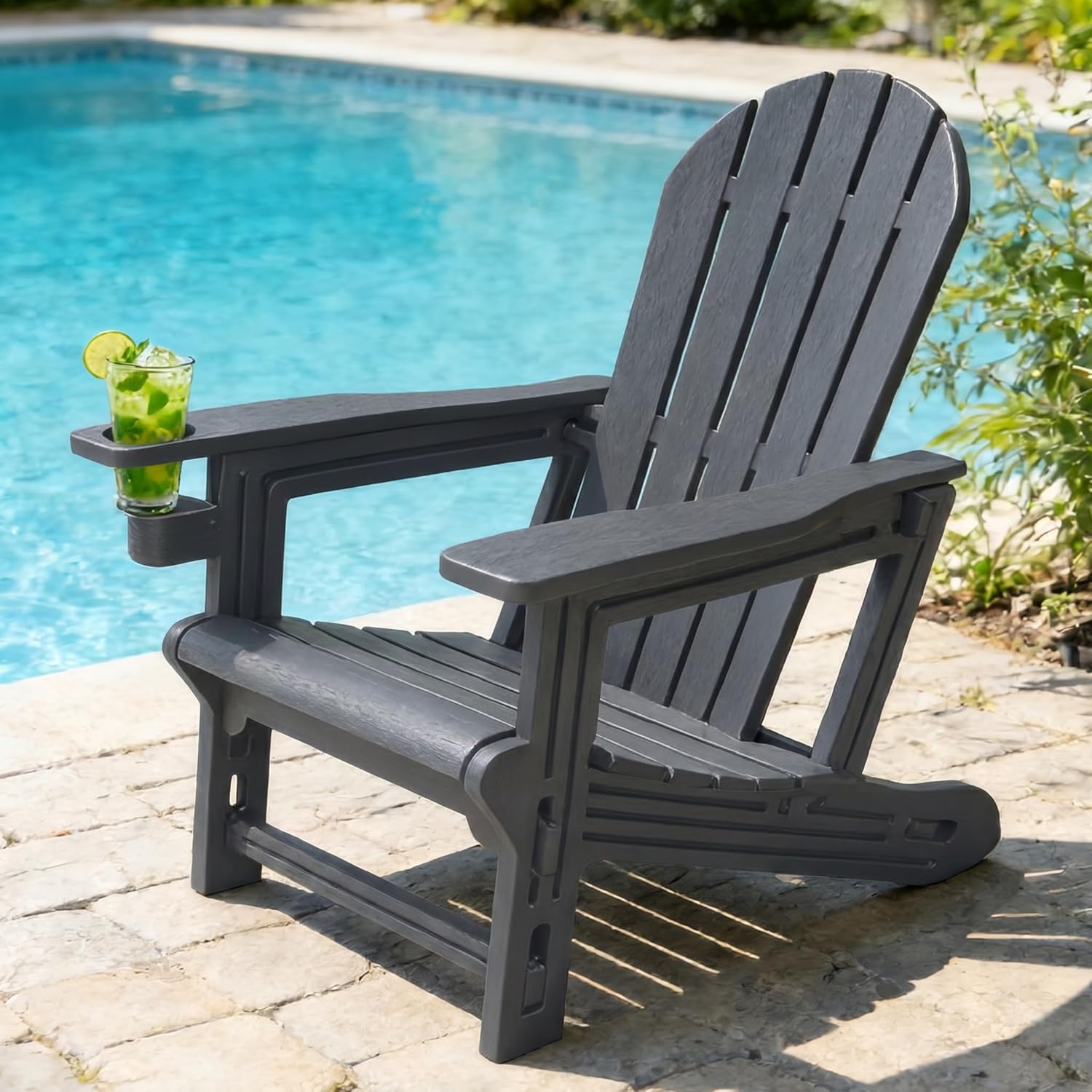
HDPE All-Weather Adirondack Chair with Built-In Cup Holder - Tool-Free Assembly (Grey)
$69.99 $139.99
60% OFF

HOMETUK Clear Plastic Storage Bins with Dividers - 3-Pack Stackable Acrylic Organizer Containers for Fridge and Pantry
$19.99 $49.99
58% OFF
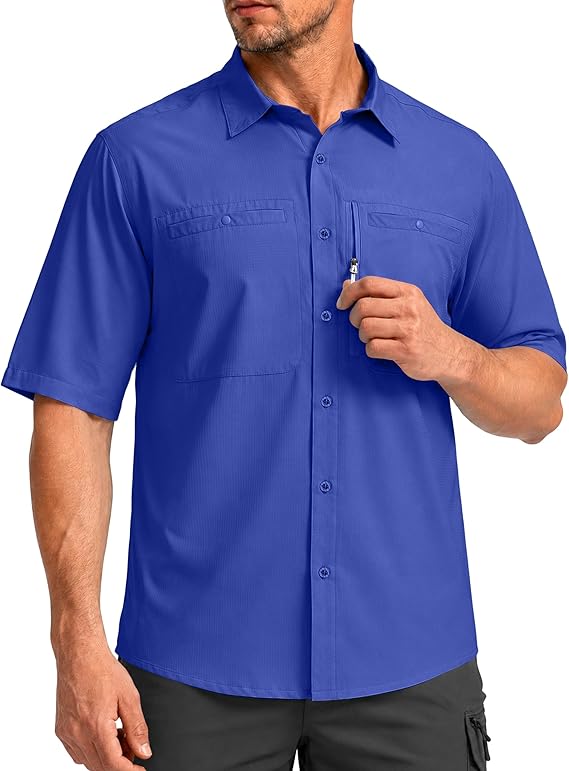
G Gradual Men's Fishing Shirt - UPF 50+ Lightweight Short Sleeve Button Down with Zipper Pockets
$14.99 $35.99
55% OFF
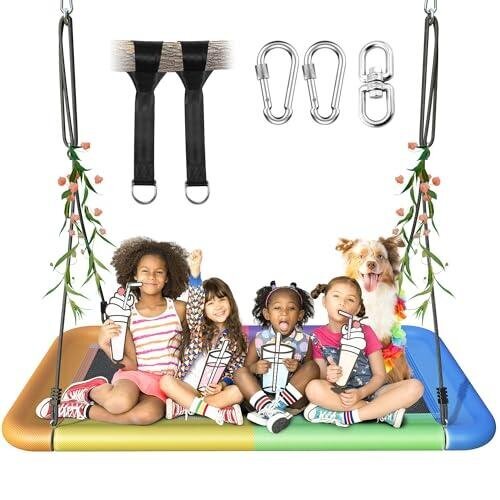
Everyfun 60" Rectangular Platform Tree Swing - 700lbs Heavy Duty Adjustable Outdoor Swing (Colorful)
$49.99 $110.99
61% OFF
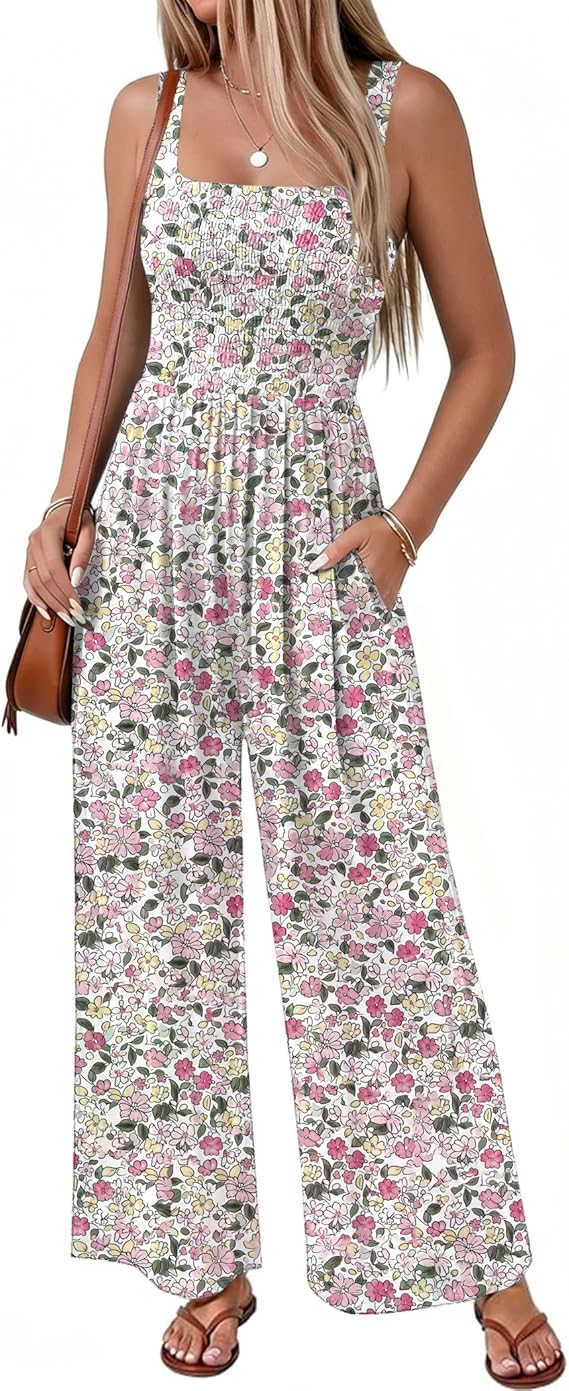
Ekouaer Women's Casual Loose Jumpsuit - One-Piece Printed Sleeveless Wide Leg Romper with Pockets
$14.99 $37.99
40% OFF
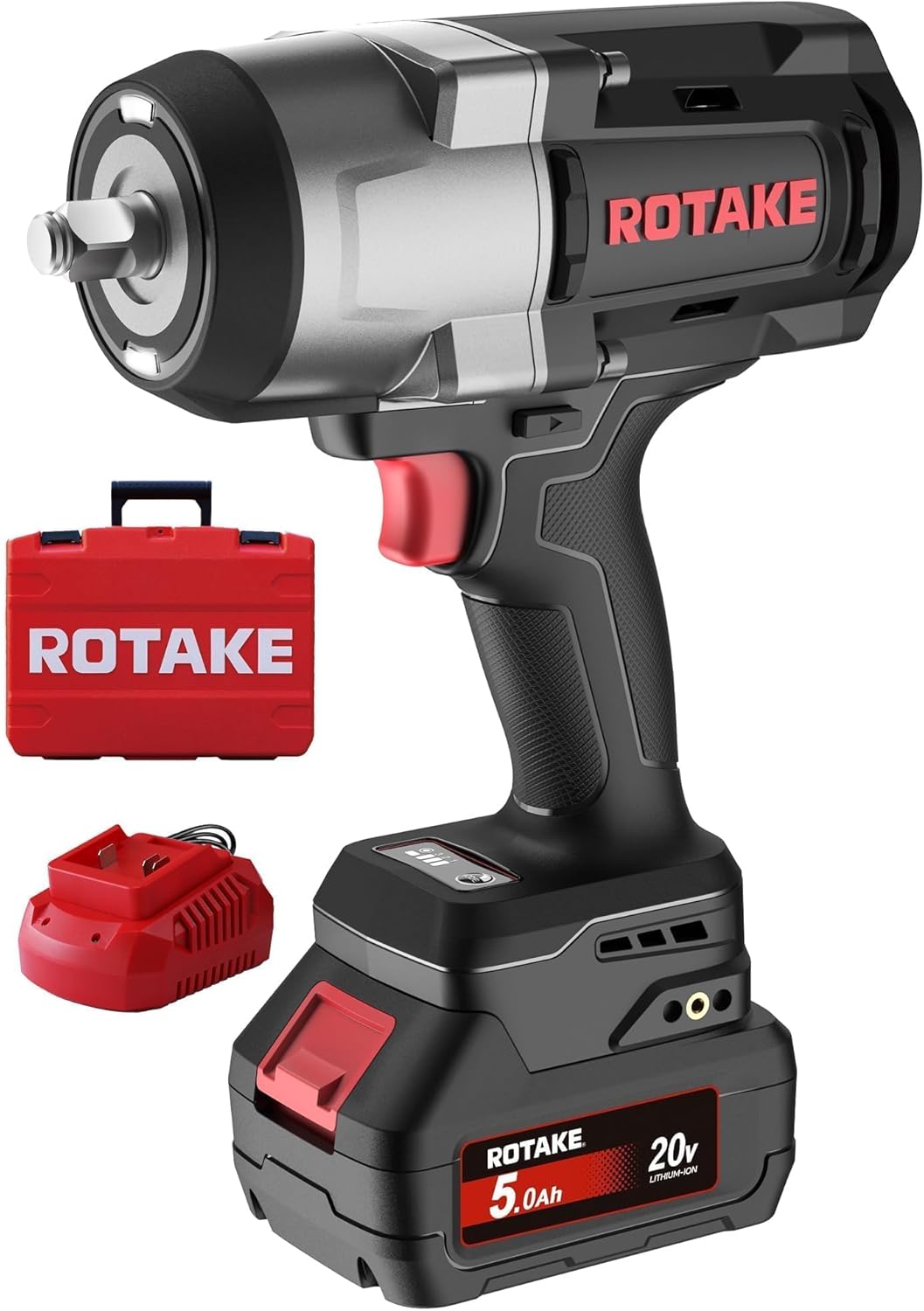
ROTAKE TB3 20V Heavy Duty 1/2" Cordless Impact Wrench Kit - 1380 Ft-Lbs Torque
$132 $219.99
36% OFF
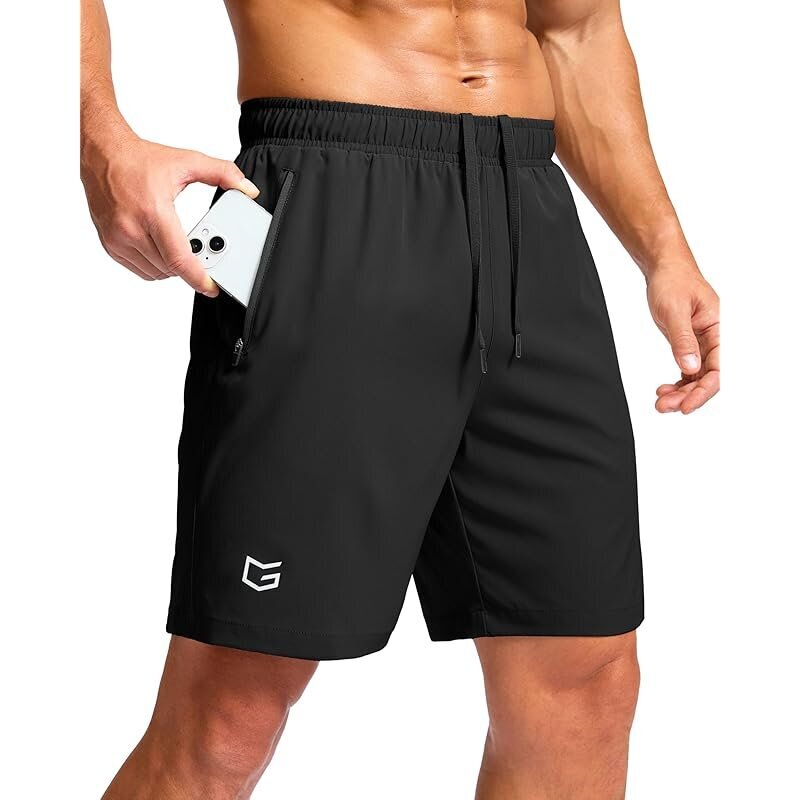
Men's Athletic Running Shorts with Zipper Pockets - Lightweight & Quick Dry
$12.74 $19.99
61% OFF
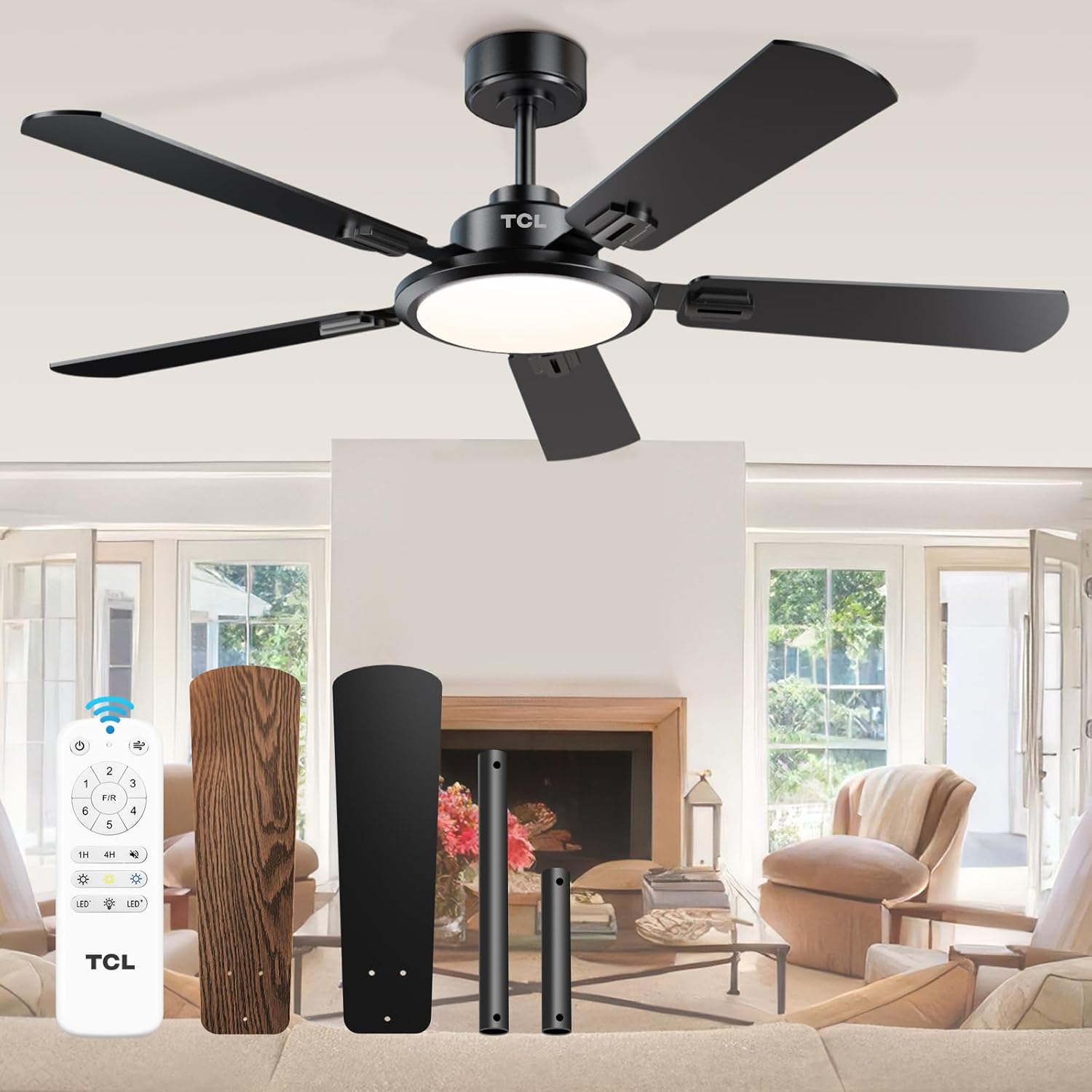
Modern Ceiling Fan with Light and Remote - Reversible Quiet DC Motor
$69.3 $179.99
50% OFF

MOOKA H13 True HEPA Air Purifier for Home Large Room - 1076 sq ft Odor Eliminator
$39.97 $79.95
60% OFF

Ekouaer Women's Satin Silky Pajama Set - Short Sleeve Pullover Top & Wide-Leg Pants
$13.99 $34.99
55% OFF

Ekouaer 3-Piece Maternity & Nursing Pajamas Set - Short Sleeve Top with Shorts and Pants
$14.99 $32.99
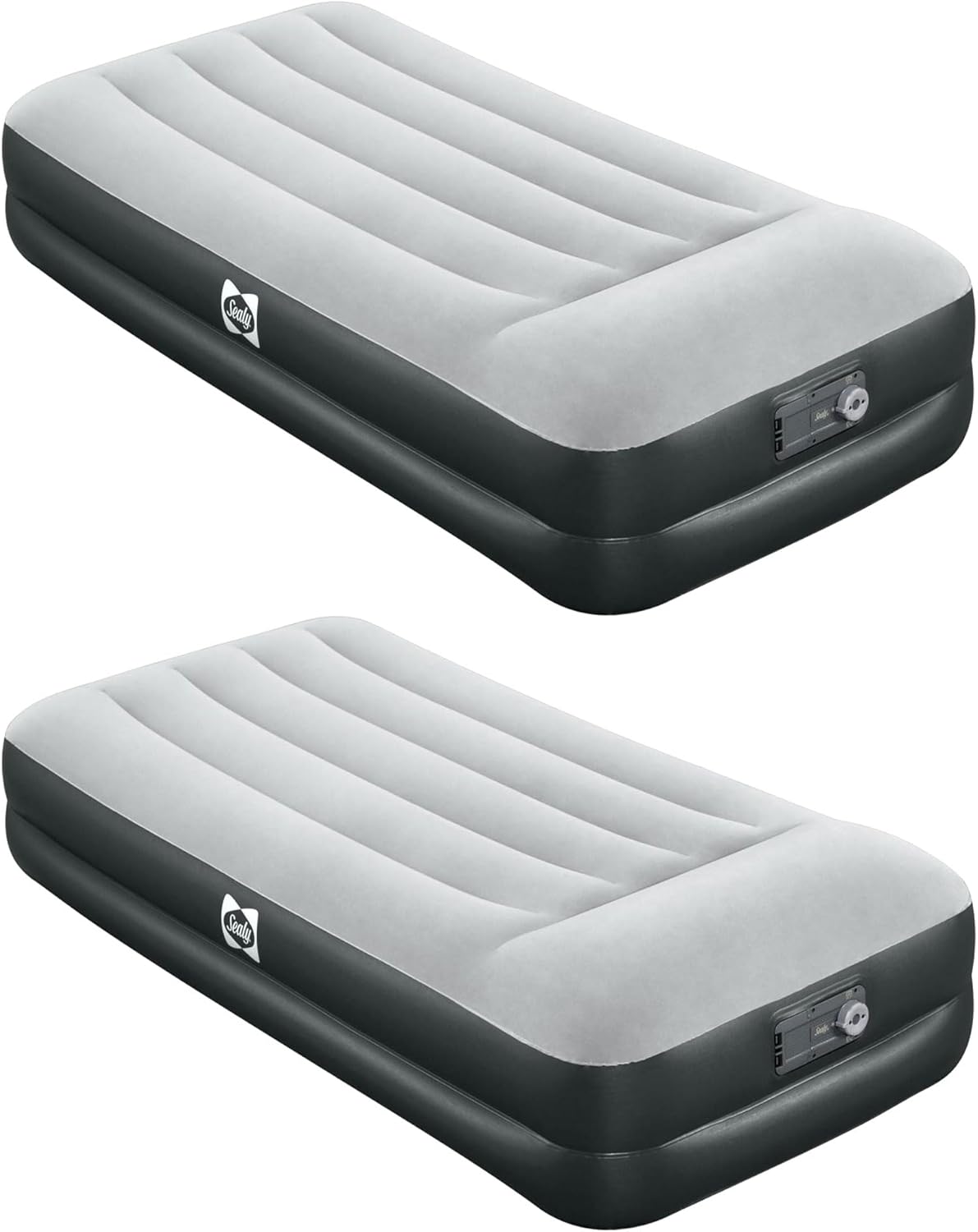
Sealy 2-Pack Tritech 16" Twin Inflatable Air Mattress with Built-in AC Pump
$0 $113.99
20% OFF
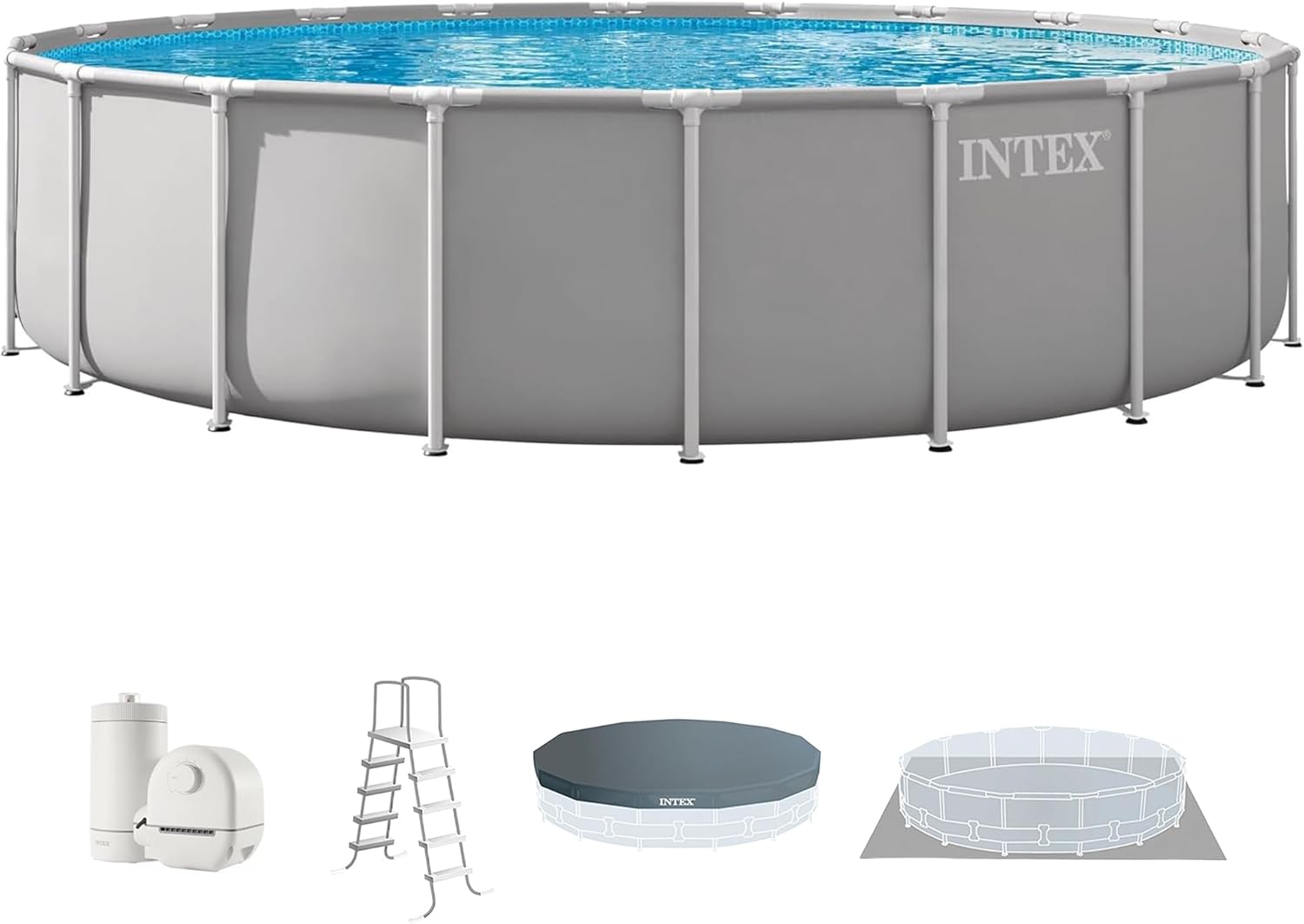
INTEX Prism Frame 20ft x 52in Above Ground Pool Set - Round Steel Frame Swimming Pool
$695.99 $869.99

Gardner Pet 43" Heavy Duty Dog Crate with Wheels - Indestructible Folding Metal Cage (Black)
$0 $149.99
12% OFF

Elegant Mid-Century Modern Bar Stools - Set of 4
$395.99 $449.99
23% OFF
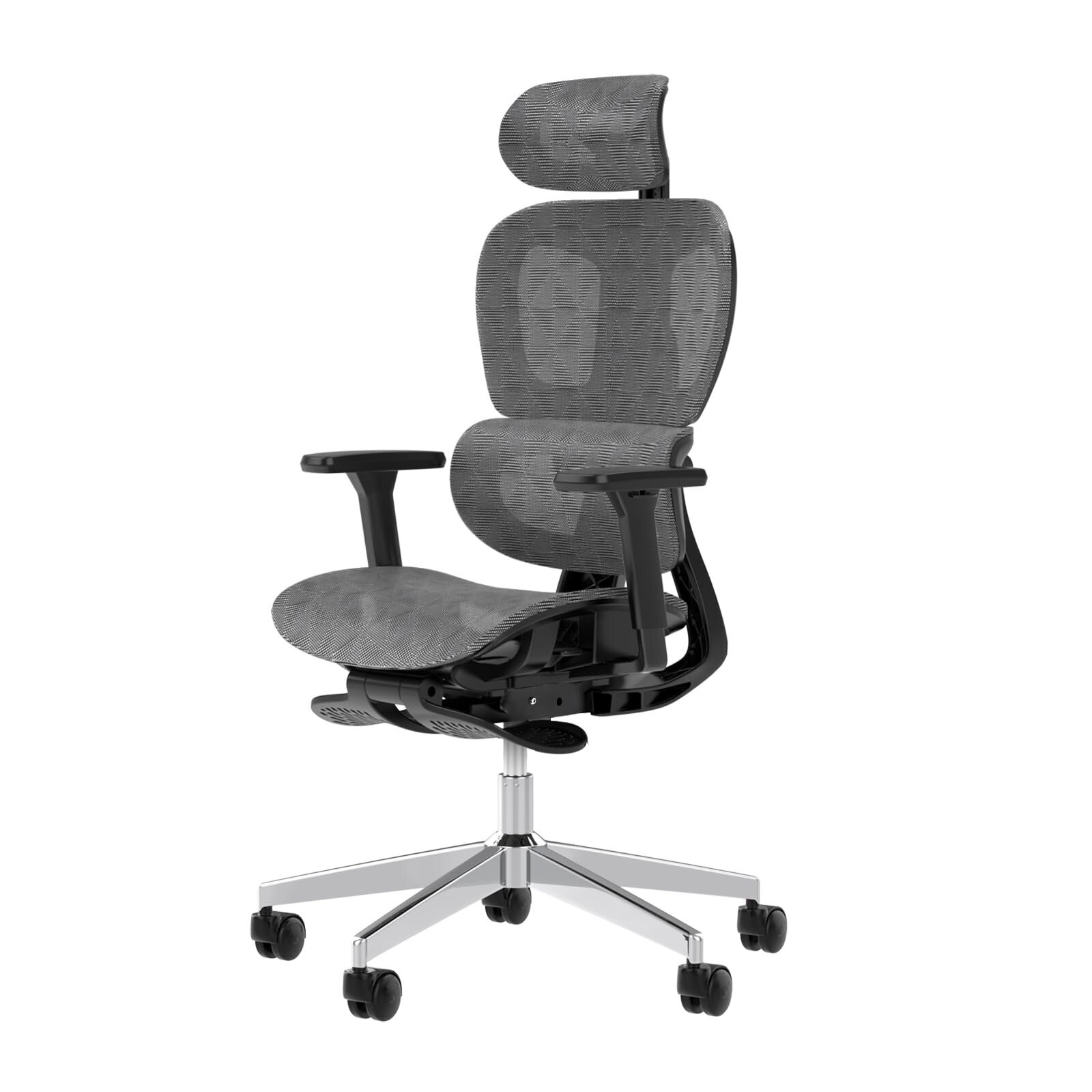
Ergonomic Office Chair - Big and Tall Desk Chair with Adjustable Lumbar Support
$279.99 $363.99
26% OFF

Magnelex American Flag Windshield Sun Shade - High-Resolution UV Reflective Heat Shield (X-Large)
$19.9 $26.9
20% OFF
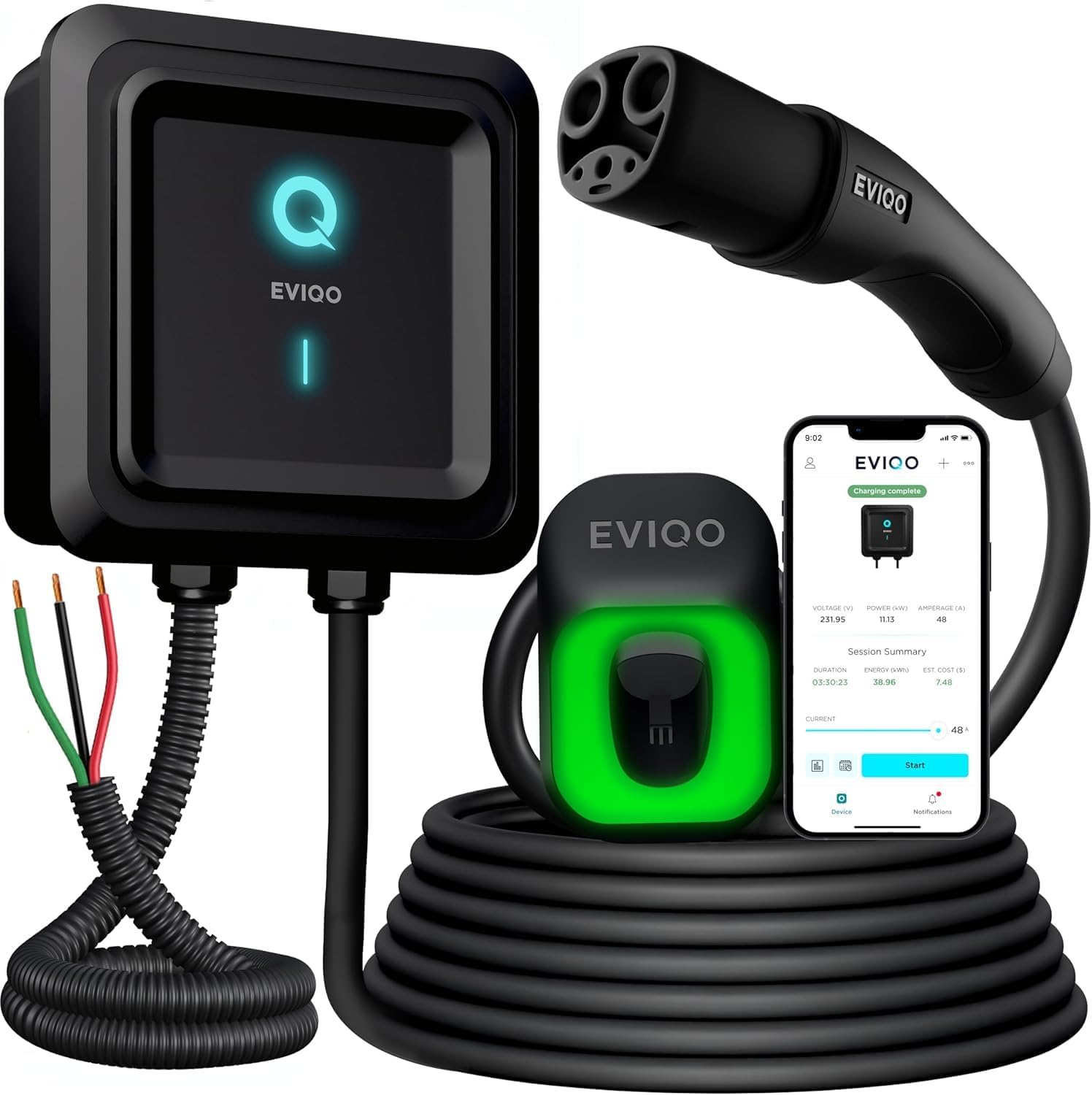
EVIQO 48 Amp NACS Level 2 EV Charger - Hardwired Smart WiFi Wall Charger for Tesla
$368.51 $458.55
50% OFF

DBFIT Air Purifier for Home Large Room
$29.99 $59.99




-
Historic Lancashire church secures £250,000 National Lottery grant for major roof repairs
-
Sunderland Minster PCC was right to push back over trans toilet sign
-

Report warns religious freedom protections in Mexico exist largely ‘on paper’
-

Bethel Church distances itself from Todd Bentley and Mike Bickle
-

Christian police officer reaches settlement over diversity training discrimination claim
-
Turkey's hidden Christian past: Extraordinary discoveries are rewriting the story of early Christianity
Most Popular
News
Pride and the Gospel: the way of self or the way of Christ?
As Christians, our understanding of pride is shaped not primarily by culture, but by Scripture.
Campaign urging greater support for Christian education
Unite for Education founder, Niel Deepnarain, said Christians must be willing to engage publicly with educational issues rather than remain silent.
Welsh reverend speaks of culture of fear over LGBT issues
Many people have already left the Church in Wales over its stance on same-sex relationships, an evangelical leader has said.
Reddit users declare small Welsh church best place in the world
Users voted to eliminate one half of a map until only one location remained.
VitaUp Beet Root Gummies with CoQ10 & Grape Seed - Nitric Oxide Circulation Support (60 Count)
$24.91
HDPE All-Weather Adirondack Chair with Built-In Cup Holder - Tool-Free Assembly (Grey)
$69.99
HOMETUK Clear Plastic Storage Bins with Dividers - 3-Pack Stackable Acrylic Organizer Containers for Fridge and Pantry
$19.99
G Gradual Men's Fishing Shirt - UPF 50+ Lightweight Short Sleeve Button Down with Zipper Pockets
$14.99
Everyfun 60" Rectangular Platform Tree Swing - 700lbs Heavy Duty Adjustable Outdoor Swing (Colorful)
$49.99
Ekouaer Women's Casual Loose Jumpsuit - One-Piece Printed Sleeveless Wide Leg Romper with Pockets
$14.99
ROTAKE TB3 20V Heavy Duty 1/2" Cordless Impact Wrench Kit - 1380 Ft-Lbs Torque
$132
Men's Athletic Running Shorts with Zipper Pockets - Lightweight & Quick Dry
$12.74
Modern Ceiling Fan with Light and Remote - Reversible Quiet DC Motor
$69.3
MOOKA H13 True HEPA Air Purifier for Home Large Room - 1076 sq ft Odor Eliminator
$39.97
Ekouaer Women's Satin Silky Pajama Set - Short Sleeve Pullover Top & Wide-Leg Pants
$13.99
Ekouaer 3-Piece Maternity & Nursing Pajamas Set - Short Sleeve Top with Shorts and Pants
$14.99
Sealy 2-Pack Tritech 16" Twin Inflatable Air Mattress with Built-in AC Pump
$0
INTEX Prism Frame 20ft x 52in Above Ground Pool Set - Round Steel Frame Swimming Pool
$695.99
Gardner Pet 43" Heavy Duty Dog Crate with Wheels - Indestructible Folding Metal Cage (Black)
$0
Elegant Mid-Century Modern Bar Stools - Set of 4
$395.99
Ergonomic Office Chair - Big and Tall Desk Chair with Adjustable Lumbar Support
$279.99
Magnelex American Flag Windshield Sun Shade - High-Resolution UV Reflective Heat Shield (X-Large)
$19.9
EVIQO 48 Amp NACS Level 2 EV Charger - Hardwired Smart WiFi Wall Charger for Tesla
$368.51
DBFIT Air Purifier for Home Large Room
$29.99