Roman Catholics seek unity with Protestants 499 years after the Reformation

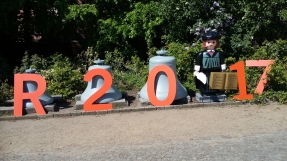
With the 500th anniversary of the start of the Reformation in 2017, Catholic Bishops in Germany have reached out to Protestants.

They've released a new report, which speaks warmly about Martin Luther – the founder of the German Reformation – while also addressing some of the key theological disputes between Catholics and Lutherans.

Bishop Gerhard Feige said the "Catholic Church may recognize today what was important in the Reformation – namely, that Sacred Scripture is the center and standard for all Christian life." Given that this was one of the main disputes at stake during the schism, this is a major olive branch from the Catholic Bishops.

He also said, "Connected with this is Martin Luther's fundamental insight that God's self-revelation in Jesus Christ for the salvation of the people is proclaimed in the Gospel – that Jesus Christ is the center of Scripture and the only mediator."

The role of Scripture and the perception that Catholics thought there were others who mediated between humans and God (than Jesus) were two of the major dividing lines between Protestants and Catholics for centuries.

With the 500th anniversary of the Reformation approaching, ecumenical efforts are stepping up. There have already been theological and doctrinal agreements between the Lutheran Church and the Roman Catholic Church over the last 40 years. Now though, it seems both churches (who between them claim more than half of all Germans as members) are preparing to put on a show of unity.

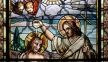
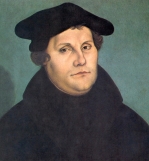
The role of Martin Luther is important. Having been a Catholic Priest, he was denounced as a heretic when he nailed his 95 Theses to the church door in Wittenberg (the event from 499 years ago which will be commemorated in 2017). Now, though, the document describes him as, "a religious pathfinder, Gospel witness and teacher of the faith."


related articles
After 500 years, can Catholics and Lutherans at last make peace?

After 500 years, can Catholics and Lutherans at last make peace?

Lutherans shouldn\'t have received Holy Communion at Vatican, says Catholic spokesman
Lutherans shouldn't have received Holy Communion at Vatican, says Catholic spokesman

Lutherans shouldn't have received Holy Communion at Vatican, says Catholic spokesman

Most German Lutherans don\'t believe Jesus is their Saviour
Most German Lutherans don't believe Jesus is their Saviour

Most German Lutherans don't believe Jesus is their Saviour

Scotland\'s great Reformer: Who was John Knox?
Scotland's great Reformer: Who was John Knox?

Scotland's great Reformer: Who was John Knox?

Martin Luther: Reformer, man of God, antisemite

Martin Luther: Reformer, man of God, antisemite

500 years after Reformation, it\'s time for reconciliation says Lutheran bishop
500 years after Reformation, it's time for reconciliation says Lutheran bishop

500 years after Reformation, it's time for reconciliation says Lutheran bishop

News
People view religious education positively, study finds

The government is consulting on plans to add RE to the national curriculum.

Archbishop of Canterbury withdraws award given to Muslim cleric who praised Bin Laden

Reform leader Nigel Farage said the decision to award Hafiz Muhammad Tahir Mehmood Ashrafi was "astonishing". 

How the new General Synod could move beyond the present disagreement over same-sex relationships

How might the next Synod make progress in the next five years based on a recognition that there are those in the Church of England who hold fundamentally opposed positions on the matter? Is there a way of allowing both sides to achieve what they want? Martin Davie argues that the answer to this question is ‘Yes.’

No part of London should become a free speech, gospel exclusion zone

Soho is not exempt from freedom of speech and Christian expression. And Christians do not lose their fundamental freedoms when they cross an invisible boundary into a neighbourhood associated with a different worldview. The streets of London belong to all of us, writes Andrea Williams.