
|PIC1|What was your impression of the meeting of the Central Committee?
This time we had some important choices to make on the next General Secretary and the venue of the next Assembly, and on how we structure the organisation and our work and so on. But some great concerns of the churches were also raised in these meetings and addressed and discussed thoroughly and public statements were issued. They are very much an expression of what is on our hearts and what we really now have to talk about together and speak into.
These public issues statements show that a great solidarity between Christians was expressed in this meeting. You have this solidarity expression of Christians in the Middle East and their role in the peace process. Particularly this issue of a just peace for the Palestinians regarding the settlements has to be focused more than before. This is an issue that is also coming from the local Christians in the area who are saying ‘we want a just peace here and you as a fellowship of churches have to help us to get there’. They say ‘these settlements are an obstacle for us’.
So that’s a big one and there is also this expression of solidarity with Christians in Pakistan and other places where they find themselves to be in a very difficult situation. Of course it is important to say that a statement like the one on Darfur and on the situation in the Democratic Republic of Congo, that’s solidarity with everybody, not only Christians. But of course it is coming to us from our Christian brothers and sisters there as a strong expression of almost despair and it is important that these cries are heard in an assembly like this. So I think it has been a good meeting showing this solidarity with Christians but also with other peoples who are in great difficulties.
Also the statement on ecojustice has been worked on for a long time and that’s one thing I am also very concerned about - how we as a global fellowship of Christians address that. How can we avoid the consequences that might come in 30, 40, 50 years? That’s mainly the question in the western part of the world. In my country we are already seeing the consequences and the question is what we should do to face those who are already experiencing the dramatic climate changes. We had here people from Pacific islands that might disappear. And we have the Bishop of Greenland who says that our indigenous people cannot do what they did any more because the ice is gone.
So this is the place to express not only principles about this or that, our policy, but it is also to express the voices from those who are experiencing the effects and that statement is now very strong because it says this is our world and in this world somebody has more responsibility than others to contribute both to providing solutions to those experiencing it now and to say that we must have greater reductions in our emissions because we can’t just look at this as an environmental issue. It is really a matter of justice as well.
Will you be doing anything specific in the run up to Copenhagen?
Yes, there are some important plans for that and the World Council of Churches agenda on this is very visible and present. This is not only an issue of what kind of political decisions have to be made. It is also a matter of very deep human questions: how shall we survive? How shall we be able to live here? Will our culture survive?
Those questions are very, very deep to people and those are also questions of faith. So I think the church has an important role here to provide a space for people to tell the truth and to cry and to pray and to ask for forgiveness. In the church we can do that without saying that we have a political solution to it, but we can just speak the truth and also pray and express our hope. I think we have to be aware of how the churches together have different roles to play in a question like that.
|PIC1|I find it very encouraging to see that churches of all kinds of confessions, not only member churches of the World Council of Churches, but also evangelical churches, Pentecostals and others, now see this climate change issue as a common Christian concern for our creation, and that God loves this creation and this world so we have to address it together. It is not only an issue for our member churches but it is a real ecumenical issue.
You must be aware that some Jewish leaders have attacked the WCC during the meeting and accused it of anti-Semitism following General Secretary Samuel Kobia’s address in which he called Israel’s occupation of Palestine a sin against God. How do you feel about their criticism?
I think it is important to say that the World Council of Churches has a clear position on condemning anti-Semitism and that the state of Israel has a legitimate right to exist within internationally agreed borders. But when Israel as a state builds settlements on a territory that is not within these borders that is a great obstacle to peace in this area and I think Jewish organisations should know that when the World Council of Churches speaks to these issues it is out of a strong desire for finding a solution for peace with justice in this area that can be sustainable for both those living in the state of Israel and the Palestinian territories. In that respect this statement should be seen as addressing something that is wrong, but something that is wrong that can be changed for the benefit of all.
Some Christians believe that the WCC is biased towards the Palestinian states and hasn’t done enough to condemn their military aggression towards Israel.
Well, the World Council of Churches has many times been very clear on condemning violence as a means for political purposes and also to condemn terrorism, so I think it is not right to say that the WCC is only addressing one side here. This is not a balanced conflict so the great power in this conflict between the Palestinians and Israelis is of course Israel and everybody can see that.
So when the WCC speaks about justice here it is to say that there is a part here that is weaker, that is occupied and that is in a situation of despair because a lot of their territory is occupied. So who should expect a balanced way of discussing this in the sense that there is equally much wrong here? But of course, as I said, any violence and terrorism is condemned.
I myself have a very good relationship with Jewish leaders in Norway and with international Jewish leaders and for me it is very important that there is a very good relationship between the World Council of Churches and Jews. Judaism is a very important religion, we have the same roots. So I really look forward to this new position to develop those relations.
One of the reasons why Korea was chosen as the venue of the next Assembly was the opportunity it offers for developing relations with evangelicals and Pentecostals. Are there plans to come into greater collaboration with them?
It is too early to speak about those plans because I haven’t been involved in any planning yet - this is what we will be working on in the coming years. But the ecclesiological landscape in Korea makes it possible to be in touch with and to have dialogue with churches that are not members of the WCC, of this tradition, but rather of the Pentecostal and evangelical traditions and definitely that will be a very important dimension.
|PIC1|The Global Christian Forum is an initiative to bring together leaders of all Christian denominations and the World Council of Churches has been very supportive of this initiative. So there is a very clear intention on the part of the World Council of Churches to widen this ecumenical space. I think for the future that has to be the case. We are all called to be one - all Christians - so we have to find ways to address that vision also in relation to these churches.
I see a lot of signals coming from these churches that they see the value of the ecumenical movement expressed particularly in the World Council of Churches more than they did before. From our church we have had theologians that have been oriented towards evangelical positions that have been members of the Central Committee here representing our church. So for us it is not an either or.
The World Council of Churches will invite churches from North Korea to attend the Assembly. Do you know which churches specifically?
It’s too early to know those details. The current General Secretary will visit North Korea in October but the question of which churches will really be left up to the South Korean churches to work out and what the WCC will do is support where we can. But it’s important to note that these churches have been in dialogue for the last 25 years so it’s not something new, it’s been ongoing.
You mentioned before that making the Roman Catholic Church a member is not the issue right now. What do you see as the biggest obstacle to fuller unity with them?
I think that the most interesting and relevant perspectives on our cooperation between the World Council of Churches and the Roman Catholic Church are the theological work related to Faith and Order. There is great interest from the Roman Catholic side to be involved and very much contribute to that work. That has to be followed up and strengthened I think.
I also think that we have several issues like the Palestine-Israeli conflict and climate change that are both very important for the Roman Catholic Church. These are the issues that Christians today have to face so I think we can find ways to have a common approach to some of these and to strengthen our efforts to give a contribution to peace and a sustainable world. That is much more important than discussing the formal structures and formalities between the two bodies and that is also my impression of how the Roman Catholic sees it.
The WCC is very committed to inter-religious dialogue. How can we as Christians work alongside other faiths without losing our Christian distinctiveness?
If we acknowledge that we are living together in a local community, in a nation, in a region, in a global context, and realise that we are all human beings, then we can see that we are facing the same challenges in regard to environmental issues, poverty, justice, war. And if we look into what our faith really is – whether we are a Muslim or a Jew or Hindu or Buddhist or Christian – then on those issues we find that we all want peace, we all want that. We have a creation in which we can live and prosper and we all want that there to be justice between rich and poor.
There are so many issues that we have to face together as human beings which I would say make it very counter productive and dangerous if we don’t find ways to work together and to try to give expression to as our common concerns. So in that sense it is not anything against my integrity as a Christian to find ways to work with people of other faiths on these issues – quite on the contrary.
That doesn’t mean to say we require a theological work where we aim to agree on all theological aspects or that we should agree to say the same prayers on these issues but I think we should be courageous Christians in the sense that we know we are called to share the Gospel while also acknowledging that that also means we have to share the Gospel of the love of God and not create conflicts between people that have to live together.
What is the first thing you are going to focus on as you take up your role as General Secretary?
Well, I have to find out what this organisation is facing now in terms of internal and external challenges and then try to get a proper understanding of that in more detail and work together with the staff so that we can address these together. That will be a high priority in the first months, to get the team together and find my role as the team leader.
Then of course we have to start planning for the next Assembly and we are in the planning process of the Peace Convocation in Jamaica in 2011 which means that those issues will also need particular attention in terms of how we develop our ideas and concepts, and how we make that event the important event it should be and we get the outcome from it that we and the world need.
The financial crisis has also impacted the WCC. How much of a consideration will that be for you in taking up your new office?
That’s part of the challenges we face as an organisation; how do we deal with the effect of the financial crisis and what it means in terms of reduced income for our organisation? Of course that is one of my responsibilities as chief executive to find the ways we deal with that together with the staff here. But there are a lot of opportunities. I don’t only see the problems, because of our constituency, our very rich legacy, but also the great expectations towards the ecumenical movement and the World Council of Churches. I have hope that there are many out there who have these expectations and want to contribute to our work.
50% OFF

NEWFAST NF-RE523 AC1200 WiFi Extender - 1200Mbps Dual Band Signal Booster & Internet Repeater
$18.5 $36.99
48% OFF

G Gradual Men's 7-inch Workout Running Shorts - Lightweight, Quick-Dry, Comfort
$12.91 $24.99
50% OFF

HDPE All-Weather Adirondack Chair with Built-In Cup Holder - Tool-Free Assembly (Grey)
$69.99 $139.99
60% OFF

HOMETUK Clear Plastic Storage Bins with Dividers - 3-Pack Stackable Acrylic Organizer Containers for Fridge and Pantry
$19.99 $49.99
58% OFF

G Gradual Men's Fishing Shirt - UPF 50+ Lightweight Short Sleeve Button Down with Zipper Pockets
$14.99 $35.99
55% OFF

Everyfun 60" Rectangular Platform Tree Swing - 700lbs Heavy Duty Adjustable Outdoor Swing (Colorful)
$49.99 $110.99
61% OFF

Ekouaer Women's Casual Loose Jumpsuit - One-Piece Printed Sleeveless Wide Leg Romper with Pockets
$14.99 $37.99
40% OFF
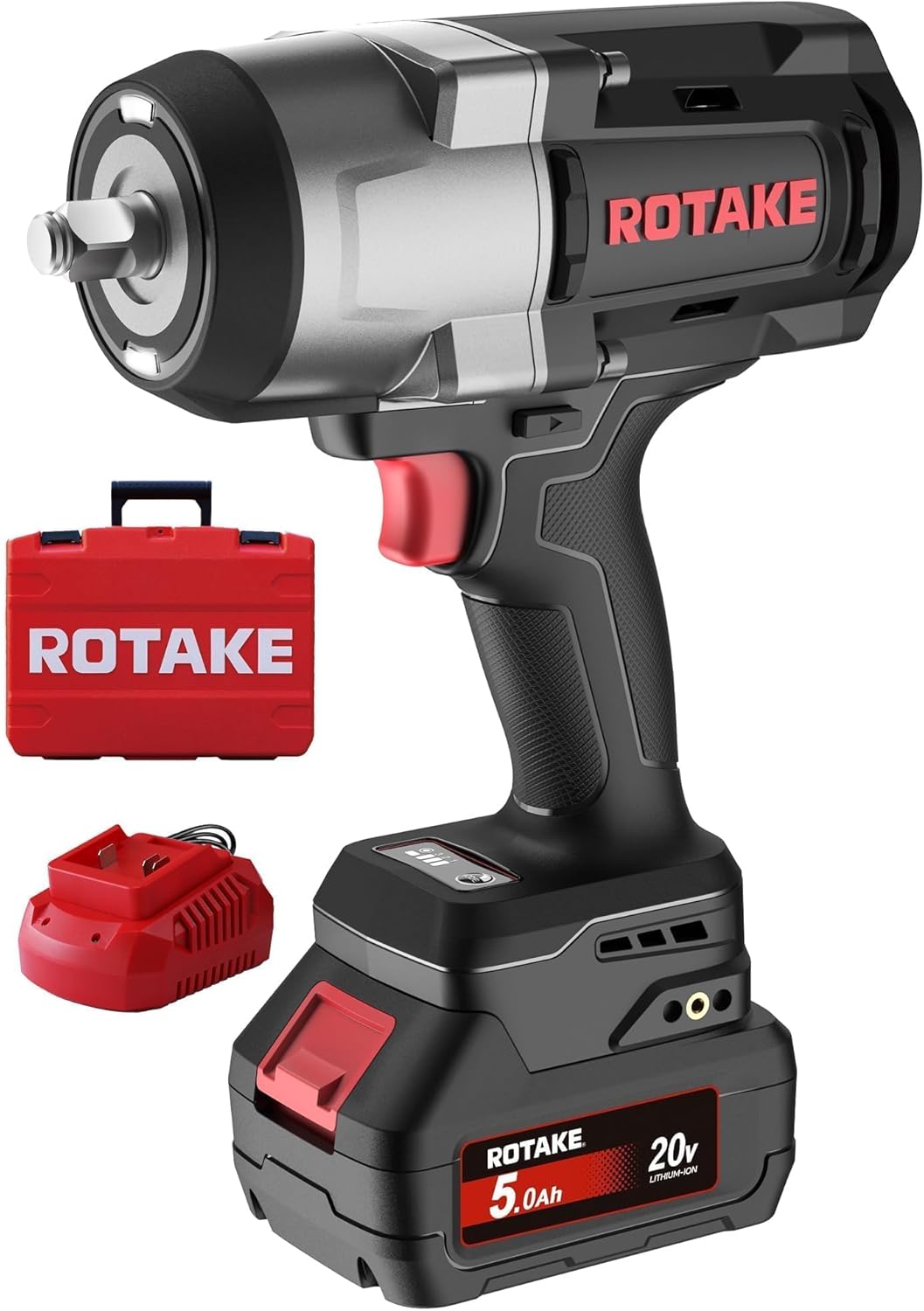
ROTAKE TB3 20V Heavy Duty 1/2" Cordless Impact Wrench Kit - 1380 Ft-Lbs Torque
$132 $219.99
36% OFF

Men's Athletic Running Shorts with Zipper Pockets - Lightweight & Quick Dry
$12.74 $19.99
61% OFF

Modern Ceiling Fan with Light and Remote - Reversible Quiet DC Motor
$69.3 $179.99
50% OFF

MOOKA H13 True HEPA Air Purifier for Home Large Room - 1076 sq ft Odor Eliminator
$39.97 $79.95
60% OFF

Ekouaer Women's Satin Silky Pajama Set - Short Sleeve Pullover Top & Wide-Leg Pants
$13.99 $34.99
55% OFF

Ekouaer 3-Piece Maternity & Nursing Pajamas Set - Short Sleeve Top with Shorts and Pants
$14.99 $32.99
11% OFF

VitaUp Beet Root Gummies with CoQ10 & Grape Seed - Nitric Oxide Circulation Support (60 Count)
$24.91 $27.91

Sealy 2-Pack Tritech 16" Twin Inflatable Air Mattress with Built-in AC Pump
$0 $113.99
20% OFF

INTEX Prism Frame 20ft x 52in Above Ground Pool Set - Round Steel Frame Swimming Pool
$695.99 $869.99

Gardner Pet 43" Heavy Duty Dog Crate with Wheels - Indestructible Folding Metal Cage (Black)
$0 $149.99
12% OFF

Elegant Mid-Century Modern Bar Stools - Set of 4
$395.99 $449.99
23% OFF

Ergonomic Office Chair - Big and Tall Desk Chair with Adjustable Lumbar Support
$279.99 $363.99
26% OFF

Magnelex American Flag Windshield Sun Shade - High-Resolution UV Reflective Heat Shield (X-Large)
$19.9 $26.9



-
Historic Lancashire church secures £250,000 National Lottery grant for major roof repairs
-
Sunderland Minster PCC was right to push back over trans toilet sign
-

Report warns religious freedom protections in Mexico exist largely ‘on paper’
-
Bethel Church distances itself from Todd Bentley and Mike Bickle
-

Christian police officer reaches settlement over diversity training discrimination claim
-
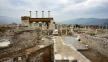
Turkey's hidden Christian past: Extraordinary discoveries are rewriting the story of early Christianity
Most Popular
News
Pride and the Gospel: the way of self or the way of Christ?
As Christians, our understanding of pride is shaped not primarily by culture, but by Scripture.
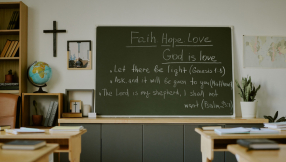
Campaign urging greater support for Christian education
Unite for Education founder, Niel Deepnarain, said Christians must be willing to engage publicly with educational issues rather than remain silent.
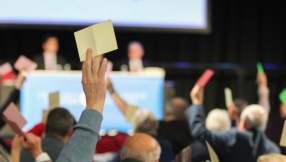
Welsh reverend speaks of culture of fear over LGBT issues
Many people have already left the Church in Wales over its stance on same-sex relationships, an evangelical leader has said.
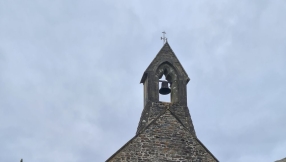
Reddit users declare small Welsh church best place in the world
Users voted to eliminate one half of a map until only one location remained.
NEWFAST NF-RE523 AC1200 WiFi Extender - 1200Mbps Dual Band Signal Booster & Internet Repeater
$18.5
G Gradual Men's 7-inch Workout Running Shorts - Lightweight, Quick-Dry, Comfort
$12.91
HDPE All-Weather Adirondack Chair with Built-In Cup Holder - Tool-Free Assembly (Grey)
$69.99
HOMETUK Clear Plastic Storage Bins with Dividers - 3-Pack Stackable Acrylic Organizer Containers for Fridge and Pantry
$19.99
G Gradual Men's Fishing Shirt - UPF 50+ Lightweight Short Sleeve Button Down with Zipper Pockets
$14.99
Everyfun 60" Rectangular Platform Tree Swing - 700lbs Heavy Duty Adjustable Outdoor Swing (Colorful)
$49.99
Ekouaer Women's Casual Loose Jumpsuit - One-Piece Printed Sleeveless Wide Leg Romper with Pockets
$14.99
ROTAKE TB3 20V Heavy Duty 1/2" Cordless Impact Wrench Kit - 1380 Ft-Lbs Torque
$132
Men's Athletic Running Shorts with Zipper Pockets - Lightweight & Quick Dry
$12.74
Modern Ceiling Fan with Light and Remote - Reversible Quiet DC Motor
$69.3
MOOKA H13 True HEPA Air Purifier for Home Large Room - 1076 sq ft Odor Eliminator
$39.97
Ekouaer Women's Satin Silky Pajama Set - Short Sleeve Pullover Top & Wide-Leg Pants
$13.99
Ekouaer 3-Piece Maternity & Nursing Pajamas Set - Short Sleeve Top with Shorts and Pants
$14.99
VitaUp Beet Root Gummies with CoQ10 & Grape Seed - Nitric Oxide Circulation Support (60 Count)
$24.91
Sealy 2-Pack Tritech 16" Twin Inflatable Air Mattress with Built-in AC Pump
$0
INTEX Prism Frame 20ft x 52in Above Ground Pool Set - Round Steel Frame Swimming Pool
$695.99
Gardner Pet 43" Heavy Duty Dog Crate with Wheels - Indestructible Folding Metal Cage (Black)
$0
Elegant Mid-Century Modern Bar Stools - Set of 4
$395.99
Ergonomic Office Chair - Big and Tall Desk Chair with Adjustable Lumbar Support
$279.99
Magnelex American Flag Windshield Sun Shade - High-Resolution UV Reflective Heat Shield (X-Large)
$19.9