
ROME - Chiara Lubich, founder of the international lay Roman Catholic Church movement Focolare and one of the most influential women in modern Catholicism, died on Friday, her movement said.
Lubich, who was 88, died at her home south of Rome after being discharged from hospital on Thursday night, in line with her wishes. She had been in frail health for years.
The Focolare Movement has more than 140,000 core members and 2.1 million adherents in 182 countries worldwide.
The movement, whose name means hearth or fireside, attempts to spread Christian values by strengthening traditional families and promoting ecumenical and inter-religious dialogue.
Lubich got her inspiration during the horrors of World War Two, when she was a school teacher. At the age of 23, she said she experienced a religious awakening and felt a call to alleviate human suffering.
She went on to found one of Catholicism's so-called "new lay movements", centred around the belief that one did not have to become a priest or nun to live a full Christian life.
She won numerous awards, including the Templeton Foundation Prize for Progress in Religion and the Unesco peace prize.
Lubich, who was influential with, and admired by, several popes, was born in the northern Italian city of Trento in 1920 and founded the movement there in 1943.
She promoted the philosophy that the Church could be built from the grass roots and not just be centred around the hierarchy.
"I thank the Lord for the testimony of her existence," Pope Benedict said in a telegram of condolence.
"I hope that all those who knew her or met her, admiring the wonders God performed through her fervent mission, follow in her footsteps, keeping her charisma alive."
Lubich was particularly close to the late Pope John Paul II, who also championed other lay movements in the Church, such as Opus Dei, the Sant' Egidio Community and Communion and Liberation.
She promoted inter-religious dialogue and once preached in a mosque in New York's Harlem neighbourhood.
Lubich founded "mini-cities" in several countries where members could live and carry out their spiritual and social vocations.
Preaching that the gospel should be put into practice in every aspect of life, Lubich won the support of Pope Paul VI in 1964 and her influence began to increase.
Born Silvia Lubich, she later took the name Chiara (Claire in Italian) out of her admiration for St. Claire of Assisi, who along with St. Francis of Assisi, sought to live the gospel in a radically different way.
The organisation's statutes dictate that her successor must be another woman.
-

Teenagers in Britain come bottom of survey for life satisfaction
-

Third of young people now turning to AI for friendship, research finds
-

Edinburgh University ends divinity programmes as theology faces a changing future
-

From Genesis to Revelation: The ambitious AI project turning the Bible into music
News
-
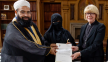
Archbishop of Canterbury withdraws award given to Muslim cleric who praised Bin Laden
-
What links Tommy Robinson, Andrew Tate and the CofE’s newest diocesan bishop?
-

Third of young people now turning to AI for friendship, research finds
-

No part of London should become a free speech, gospel exclusion zone
-

Most practising Christians are evangelical, study finds
-
How the new General Synod could move beyond the present disagreement over same-sex relationships
Most Popular
News
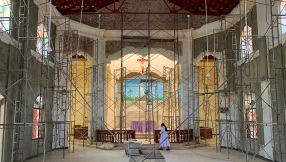
Cautious welcome as 15 men sentenced over Sri Lanka Easter Sunday bombings
Christian groups welcomed the convictions but say questions remain about who was involved.

Catholicism in France has 'collapsed'
A new report on Catholicism in France comes days ahead of Pope Leo XIV's visit.

Edinburgh University ends divinity programmes as theology faces a changing future
It marks a significant change for an institution whose history has been closely intertwined with theological education for centuries.

Lib Dems to investigate treatment of the faithful as Campanale case rumbles on
The Liberal Democrats have begun a review into how it treats people of faith within the party.








