
Hundreds of thousands of people have been left without shelter and drinking water in military-ruled Burma after a devastating cyclone tore through the Irrawaddy delta, a United Nations official said on Monday.
Aid agencies scrambled to deliver plastic sheeting, water and cooking equipment from stockpiles in the former Burma. The government says at least 351 died in the cyclone, which slammed into the delta region on Saturday before devastating Yangon.
That death toll is likely to climb as the authorities make contact with hard-hit islands and villages in the delta, the rice bowl of the impoverished Southeast Asian nation of 53 million.
"It's clear that this is a major disaster," Richard Horsey, of the United Nations disaster response office in Bangkok, told Reuters after an emergency aid meeting.
"How many people are affected? We know that it's in the six figures. We know that it's several hundred thousand needing shelter and clean drinking water, but how many hundred thousand we just don't know," he said.
The International Federation of the Red Cross said teams were trying to assess the damage and aid requirements in the five declared disaster zones where 24 million people live.
"We are issuing water purification tablets, clothing, plastic sheeting, cooking utensils and hygiene items. We're trying to mobilise portable water from local businesses," Michael Annear, head of Red Cross Southeast Asia disaster management unit.
"We're preparing to send more stuff into the country. We have not been restricted," he said.
A new policy imposed on foreign aid agencies in 2006 requires travel permits and official escorts for field trips. It also tightened rules on the transport of supplies and materials.
"That is the existing situation for international staff. The way most agencies work is they use national staff who have more freedom to move," Terje Skavdal, regional head of the U.N. office for the Coordination of Humanitarian Affairs (UNOCHA), said.
"We will have a dialogue with the government to try to get access to the people affected."
It is not know whether Myanmar, the world's largest rice exporter when it won independence from Britain in 1948, will need to import emergency rice supplies. If it does, it is likely to inflate yet further the already sky-high prices of the staple.
The World Food Programme says it has stocks of around 500,000 tonnes inside the country, but not near Yangon.
CLEAN-UP BEGINS
In the former capital, many roofs were ripped off even sturdy buildings, suggesting damage would be severe in the shanty towns that lie on the outskirts of the city of 5 million people.
State television was still off the air in Yangon and clean water was becoming scarce. Most shops had sold out of candles and batteries and there was no word when power would be restored.
In one western suburb, a group of 100 monks led efforts to clear streets littered with fallen trees and debris from battered buildings, a witness said.
"The clean-up is beginning but this will take a long time. The damage around town is intense," one Western diplomat told Reuters from Yangon, where the airport reopened on Monday.
State media said 19 people had been killed in Yangon and 222 in the delta, where weather forecasters had predicted a storm surge of as much as 12 feet (3.5 metres)
Only one in four buildings were left standing in Laputta and Kyaik Lat, two towns deep in the rice-producing region.
Some 90,000 people were homeless on the island of Haingyi, around 200 km southwest of Yangon on the fringe of the delta.
However, the carnage left by Nargis has not derailed a May 10 referendum on a new army-drafted constitution.
"The referendum is only a few days away and the people are eagerly looking forward to voting," the junta said in a statement confirming the vote would go ahead as planned.
The charter is part of a "roadmap to democracy" meant to culminate in multiparty elections in 2010, but critics say it allows the army to retain an unacceptable degree of power.
Bunkered down in their new capital, Naypyidaw, 240 miles to the north of Yangon, the junta's top brass has not formerly responded to an offer of international assistance.
But Myanmar's Minister of Social Welfare told U.N. officials help may be welcomed, depending on the terms, Skavdal said.
"I think it's a positive sign. As long as we are in dialogue it is good," he said.
Shunned by the West for its detention of democracy icon Aung San Suu Kyi and dismal human rights record, Burma has been the target of Western sanctions for years.
It receives far less foreign aid - about $2.50 per capita - than regional neighbours Cambodia ($47) and Laos ($63) and below the $14 average for low-income nations.
50% OFF
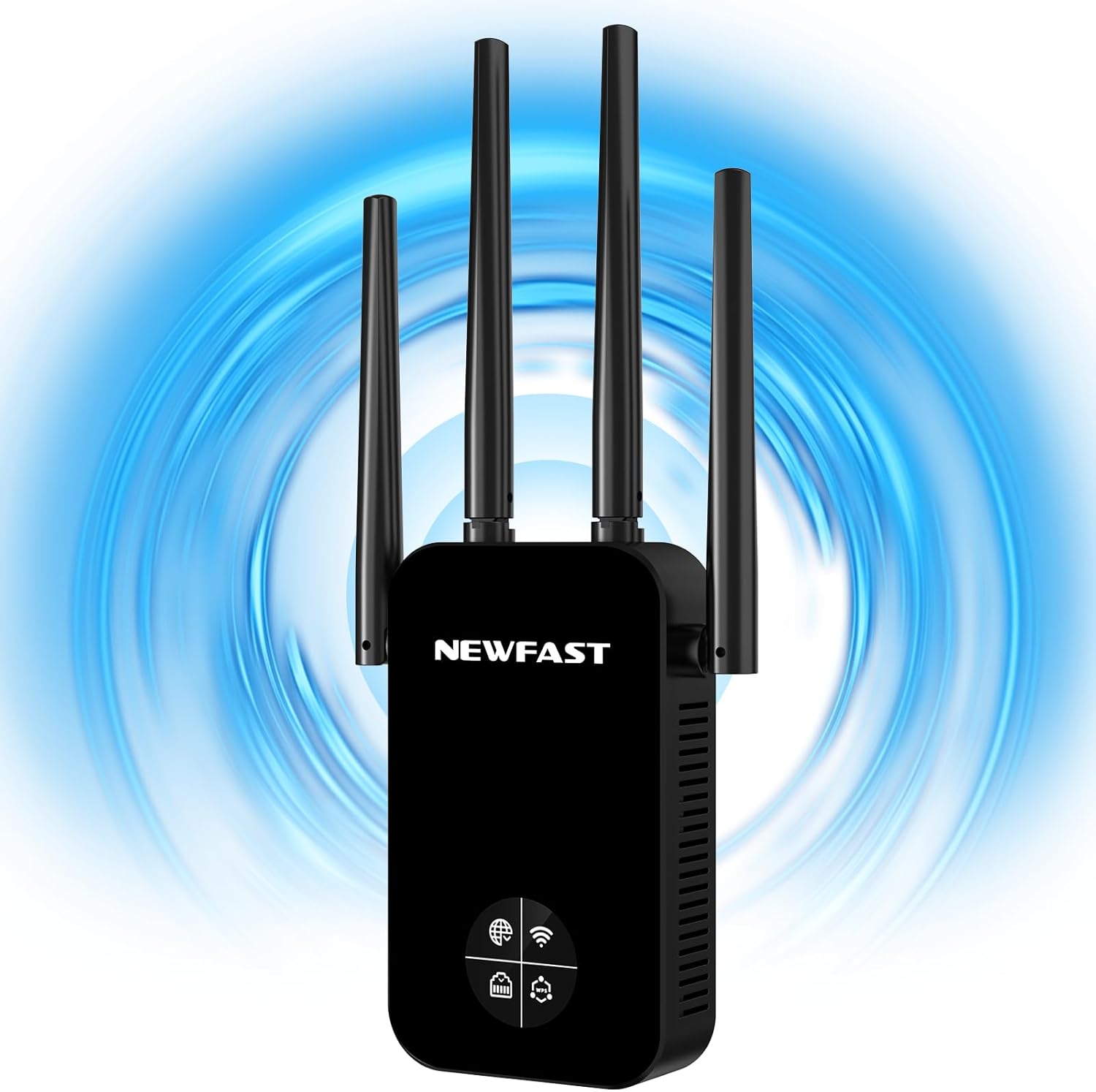
NEWFAST NF-RE523 AC1200 WiFi Extender - 1200Mbps Dual Band Signal Booster & Internet Repeater
$18.5 $36.99
48% OFF
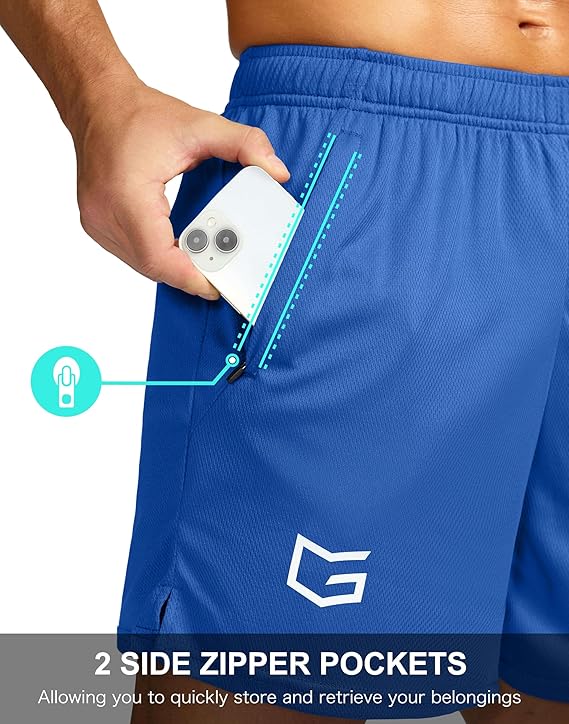
G Gradual Men's 7-inch Workout Running Shorts - Lightweight, Quick-Dry, Comfort
$12.91 $24.99
50% OFF

HDPE All-Weather Adirondack Chair with Built-In Cup Holder - Tool-Free Assembly (Grey)
$69.99 $139.99
60% OFF

HOMETUK Clear Plastic Storage Bins with Dividers - 3-Pack Stackable Acrylic Organizer Containers for Fridge and Pantry
$19.99 $49.99
58% OFF

G Gradual Men's Fishing Shirt - UPF 50+ Lightweight Short Sleeve Button Down with Zipper Pockets
$14.99 $35.99
55% OFF

Everyfun 60" Rectangular Platform Tree Swing - 700lbs Heavy Duty Adjustable Outdoor Swing (Colorful)
$49.99 $110.99
61% OFF

Ekouaer Women's Casual Loose Jumpsuit - One-Piece Printed Sleeveless Wide Leg Romper with Pockets
$14.99 $37.99
40% OFF
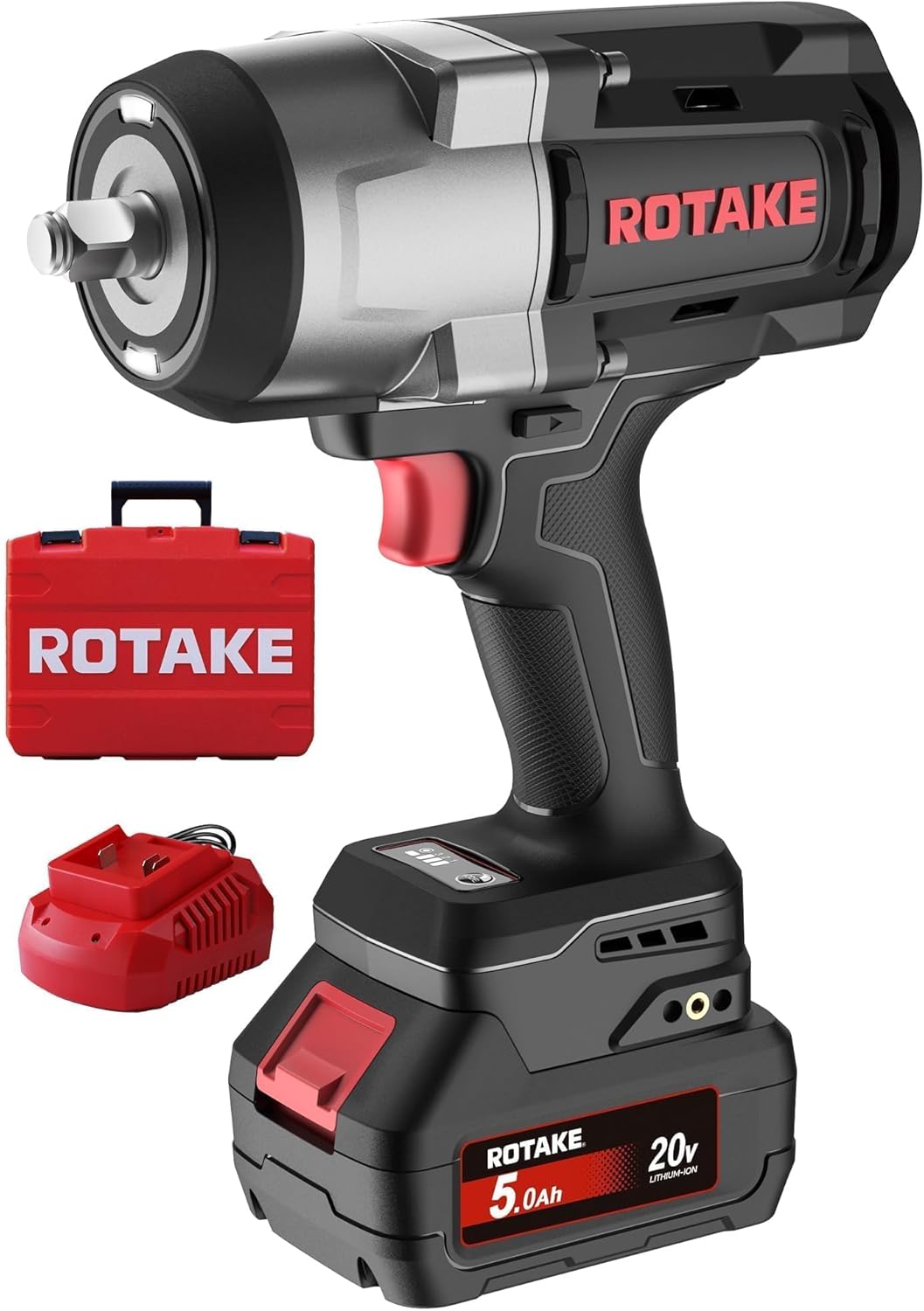
ROTAKE TB3 20V Heavy Duty 1/2" Cordless Impact Wrench Kit - 1380 Ft-Lbs Torque
$132 $219.99
36% OFF

Men's Athletic Running Shorts with Zipper Pockets - Lightweight & Quick Dry
$12.74 $19.99
61% OFF

Modern Ceiling Fan with Light and Remote - Reversible Quiet DC Motor
$69.3 $179.99
50% OFF

MOOKA H13 True HEPA Air Purifier for Home Large Room - 1076 sq ft Odor Eliminator
$39.97 $79.95
60% OFF

Ekouaer Women's Satin Silky Pajama Set - Short Sleeve Pullover Top & Wide-Leg Pants
$13.99 $34.99
55% OFF

Ekouaer 3-Piece Maternity & Nursing Pajamas Set - Short Sleeve Top with Shorts and Pants
$14.99 $32.99
11% OFF

VitaUp Beet Root Gummies with CoQ10 & Grape Seed - Nitric Oxide Circulation Support (60 Count)
$24.91 $27.91

Sealy 2-Pack Tritech 16" Twin Inflatable Air Mattress with Built-in AC Pump
$0 $113.99
20% OFF

INTEX Prism Frame 20ft x 52in Above Ground Pool Set - Round Steel Frame Swimming Pool
$695.99 $869.99

Gardner Pet 43" Heavy Duty Dog Crate with Wheels - Indestructible Folding Metal Cage (Black)
$0 $149.99
12% OFF

Elegant Mid-Century Modern Bar Stools - Set of 4
$395.99 $449.99
23% OFF

Ergonomic Office Chair - Big and Tall Desk Chair with Adjustable Lumbar Support
$279.99 $363.99
26% OFF

Magnelex American Flag Windshield Sun Shade - High-Resolution UV Reflective Heat Shield (X-Large)
$19.9 $26.9




-

Historic Lancashire church secures £250,000 National Lottery grant for major roof repairs
-

Sunderland Minster PCC was right to push back over trans toilet sign
-

Report warns religious freedom protections in Mexico exist largely ‘on paper’
-

Bethel Church distances itself from Todd Bentley and Mike Bickle
-

Christian police officer reaches settlement over diversity training discrimination claim
-
Turkey's hidden Christian past: Extraordinary discoveries are rewriting the story of early Christianity
Most Popular
News
Pride and the Gospel: the way of self or the way of Christ?
As Christians, our understanding of pride is shaped not primarily by culture, but by Scripture.
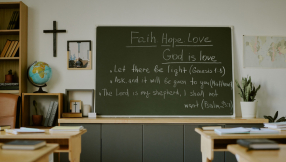
Campaign urging greater support for Christian education
Unite for Education founder, Niel Deepnarain, said Christians must be willing to engage publicly with educational issues rather than remain silent.
Welsh reverend speaks of culture of fear over LGBT issues
Many people have already left the Church in Wales over its stance on same-sex relationships, an evangelical leader has said.

Reddit users declare small Welsh church best place in the world
Users voted to eliminate one half of a map until only one location remained.
NEWFAST NF-RE523 AC1200 WiFi Extender - 1200Mbps Dual Band Signal Booster & Internet Repeater
$18.5
G Gradual Men's 7-inch Workout Running Shorts - Lightweight, Quick-Dry, Comfort
$12.91
HDPE All-Weather Adirondack Chair with Built-In Cup Holder - Tool-Free Assembly (Grey)
$69.99
HOMETUK Clear Plastic Storage Bins with Dividers - 3-Pack Stackable Acrylic Organizer Containers for Fridge and Pantry
$19.99
G Gradual Men's Fishing Shirt - UPF 50+ Lightweight Short Sleeve Button Down with Zipper Pockets
$14.99
Everyfun 60" Rectangular Platform Tree Swing - 700lbs Heavy Duty Adjustable Outdoor Swing (Colorful)
$49.99
Ekouaer Women's Casual Loose Jumpsuit - One-Piece Printed Sleeveless Wide Leg Romper with Pockets
$14.99
ROTAKE TB3 20V Heavy Duty 1/2" Cordless Impact Wrench Kit - 1380 Ft-Lbs Torque
$132
Men's Athletic Running Shorts with Zipper Pockets - Lightweight & Quick Dry
$12.74
Modern Ceiling Fan with Light and Remote - Reversible Quiet DC Motor
$69.3
MOOKA H13 True HEPA Air Purifier for Home Large Room - 1076 sq ft Odor Eliminator
$39.97
Ekouaer Women's Satin Silky Pajama Set - Short Sleeve Pullover Top & Wide-Leg Pants
$13.99
Ekouaer 3-Piece Maternity & Nursing Pajamas Set - Short Sleeve Top with Shorts and Pants
$14.99
VitaUp Beet Root Gummies with CoQ10 & Grape Seed - Nitric Oxide Circulation Support (60 Count)
$24.91
Sealy 2-Pack Tritech 16" Twin Inflatable Air Mattress with Built-in AC Pump
$0
INTEX Prism Frame 20ft x 52in Above Ground Pool Set - Round Steel Frame Swimming Pool
$695.99
Gardner Pet 43" Heavy Duty Dog Crate with Wheels - Indestructible Folding Metal Cage (Black)
$0
Elegant Mid-Century Modern Bar Stools - Set of 4
$395.99
Ergonomic Office Chair - Big and Tall Desk Chair with Adjustable Lumbar Support
$279.99
Magnelex American Flag Windshield Sun Shade - High-Resolution UV Reflective Heat Shield (X-Large)
$19.9