
It draws together the reflections of some 4,000 evangelicals from 198 countries who met in Cape Town, South Africa, last October for the Third Lausanne Congress on World Evangelisation.
Part 1 of the statement was released to delegates at the time, but today is the first time that the Cape Town Commitment has been published in full with Part 2, the Call to Action.
The first part of the Cape Town Commitment is a Trinitarian statement drawn up by senior evangelical theologians, emphasising that Christians are called to love because God first loved us.
It commits Christians to the "integral and dynamic exercise of all dimensions of mission to which God calls his church" and compassionate care for those in need and all of God's creation.
"In response to God’s boundless love for us in Christ, and out of our overflowing love for him, we rededicate ourselves, with the help of the Holy Spirit, fully to obey all that God commands, with self-denying humility, joy and courage. We renew this covenant with the Lord - the Lord we love because he first loved us," it reads.
Part 2 draws heavily from the discussions that took place at the Cape Town Congress, and stresses the most urgent priorities for evangelicals in fulfilling the task of taking the whole Gospel to the whole world.
It makes a number of specific calls, including the call to proclaim the truth through word and deed, to be ethical in evangelism, and to return to “humility, integrity and simplicity”.
Part of this return includes renouncing false gods and idols, including the idolatry of "disordered sexuality", power, success and greed.
It also emphasises the need to equip the church in walking in the ways of the Lord.
It states: "We challenge one another, as God’s people in every culture, to face up to the extent to which, consciously or unconsciously, we are caught up in the idolatries of our surrounding culture. We pray for prophetic discernment to identify and expose such false gods and their presence within the Church itself, and for the courage to repent and renounce them in the name and authority of Jesus as Lord."
Another significant aspect of the statement is its emphasis on partnerships and the need for the different parts of Christ's body to work in unity in mission.
"A divided Church has no message for a divided world. Our failure to live in reconciled unity is a major obstacle to authenticity and effectiveness in mission," it states.
"We lament the dividedness and divisiveness of our churches and organisations. We deeply and urgently long for Christians to cultivate a spirit of grace and to be obedient to Paul’s command to ‘make every effort to maintain the unity of the Spirit in the bond of peace."
The Rev Dr Doug Birdsall, Executive Chair of The Lausanne Movement, said the Cape Town Commitment was intended as a “clear and engaging declaration of belief”.
“With this as our basis, we wrestled with some of the toughest issues imaginable – within the church, in global mission strategy, and in the public arena,” he said.
“The Cape Town Commitment’s Call to Action, coming out of those discussions in South Africa, is our roadmap for the next ten years.”
The Cape Town Commitment stands in the historic line of The Lausanne Covenant and The Manila Manifesto, the former being one of the most important documents in the history of the church and serving as the statement of faith for millions of evangelicals, churches and parachurch organisations worldwide.
The statement working group of the Cape Town Commitment was led by Dr Chris Wright, International Director of Langham Partnership, and included members of the World Evangelical Alliance Theological Commission.
Dr Wright said the statement should not be regarded as a “memorial of a moment”.
“It is the conviction of a movement and the voice of a multitude. It distils a vast quantity of input from the global church,” he said.
“We profoundly hope and pray that we are hearing not just the voice of Cape Town 2010, but the voice of our Lord Jesus Christ who walked among us there.”
Lindsay Brown, International Director of the Lausanne Movement, said the statement was being offered to the worldwide church “in a humble spirit”.
He spoke of his hopes for the impact that it would have on the church today.
“We trust it will be talked about, discussed, and afforded weight as a united statement from evangelicals globally; that it will shape agendas in Christian ministry; that it will strengthen thought-leaders in the public arena; and that bold initiatives and partnerships will issue from it,” he said.
Initial responses to the statement at a meeting of evangelicals in London yesterday were positive.
Tim Gunn, pastor of Woodlands Evangelical Church in Derby, welcomed the statement.
He said: "This call to belief is totally God-centred and grace-centred. For us as representatives of the UK church, that is so healthy [to hear] as the Western church is so often dominated by 'me' and 'I'.
"This commitment keeps us where we should be as the UK church - on our knees."
Krish Kandiah encouraged churches to read the Cape Town Commitments and prayerfully ask God to speak to them about the missing elements of the church's mission.
"When we look through our old school photos, whose face do we look for first? It’s often our own face. The temptation is that looking through the long list that is the Cape Town Commitment, we look for our own missional passions and we feel excited if they are there and disappointed if they are not," he said.
"If that is our approach to the Cape Town commitment then we lose the opportunity for the prophetic voice of the global church to speak to us.
"If instead we use this list as a Missional MOT, its not the parts that we are fulfilling that we need to look at , but rather the areas that are missing that will have most significance for us."
50% OFF

Women's Oversized Henley Crewneck Sweatshirt – Faux Layered 2-in-1 Pullover, No Hood, Long Sleeve Fall Top for Office, Travel & Teacher Outfits
$14.99 $29.98
54% OFF
Coostar Men's Orthopedic Slip On Loafers – Hands-Free Casual Walking Shoes with Arch Support, Non-Slip Sole, Breathable Canvas Upper
$21.99 $47.99
60% OFF
G Gradual Boys Athletic Rash Guard Shirt – UPF 50+ Dry Fit Swim & Sports T-Shirt, Short Sleeve Crew Neck for Soccer, Baseball, Basketball & Undershirt
$7.92 $19.99
41% OFF

Mobile Rolling Clothing Rack with Wheels - Perfect for Home and Office
$20.79 $34.99
30% OFF
Lumbar Support Pillow for Car with Headrest – Memory Foam Full-Length S-Curve Back & Neck Cushion for Long Drives, Fits Cars, SUVs & Trucks
$32.89 $46.99
46% OFF
Soothfeel Men's Running Shorts with Zipper Pockets – Quick Dry Athletic Shorts in 9", 7" & 5" Inseams for Basketball, Gym & Workout
$12.91 $23.99
40% OFF
Men's Slip On Walking Shoes – Hands-Free Casual Sneakers with Arch Support, Wide Stable Base, Breathable Knit Upper, Non-Slip Traction
$29.99 $49.99
52% OFF
Pudolla Men's UPF 50+ Sun Shirt – Long Sleeve Quick Dry Hiking & Running Shirt with Thumb Holes, Lightweight Moisture-Wicking Rash Guard Base Layer
$11.99 $24.99
35% OFF
Vilanva Women's Walking Shoes – Cushioned Lightweight Running Sneakers with Slip-Resistant Sole, Breathable Woven Upper for Everyday Wear & Workouts
$35.09 $53.99
24% OFF
MUCAR 892BT AI-Assisted Bidirectional OBD2 Scan Tool with ECU Coding (8" Touchscreen)
$479 $629.99
67% OFF
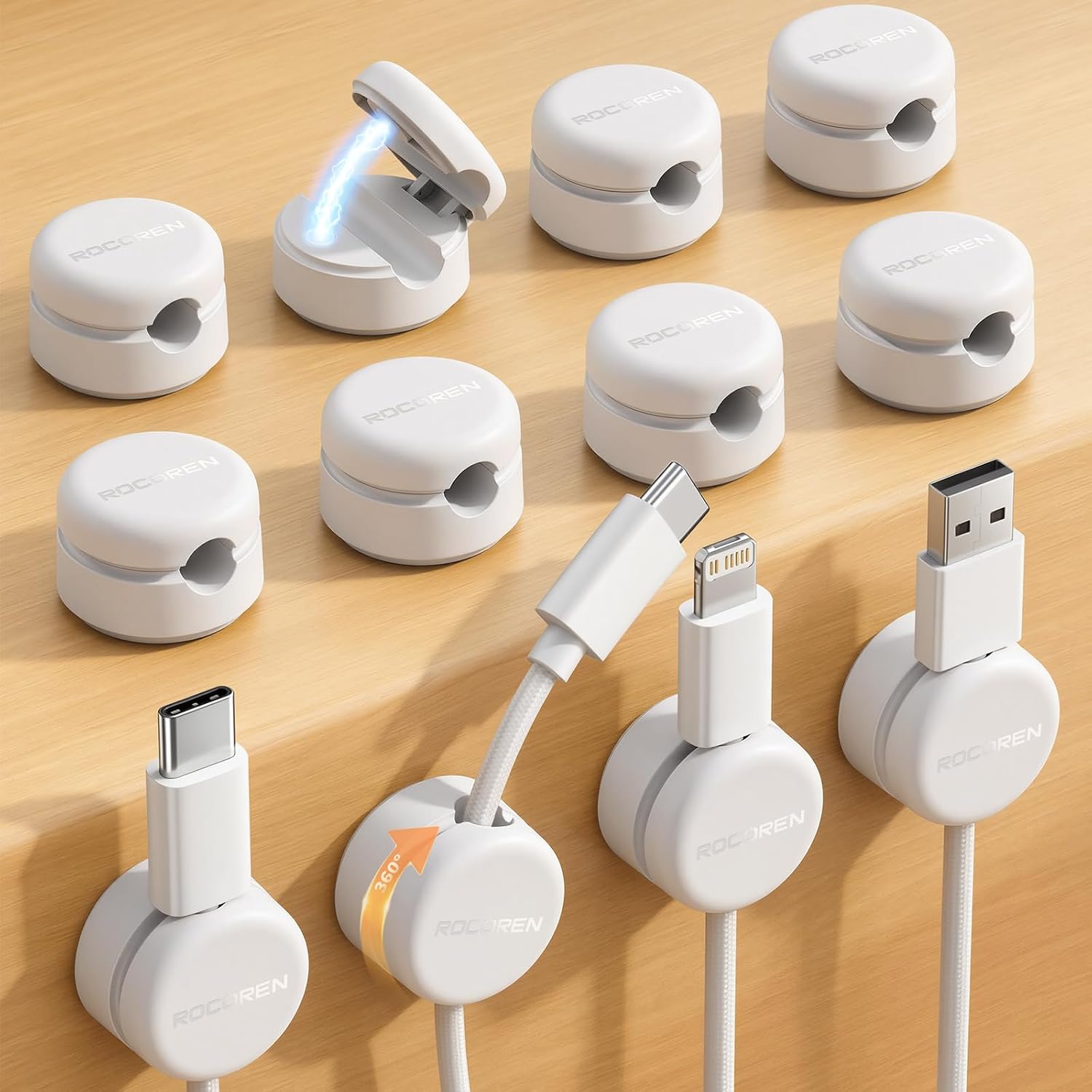
Rocoren 12-Pack Magnetic Cable Clips – 360° Rotating Cord Organizer with No-Residue Adhesive, Cord Holder for Desk, Nightstand, Wall, Car & Office, White
$6.5 $19.99
60% OFF

Red Light Therapy Mask for Face – 7-Color LED Silicone Facial Mask, Cordless Rechargeable Skincare Device with 240 LEDs for Home & Travel
$39.99 $99.99
77% OFF
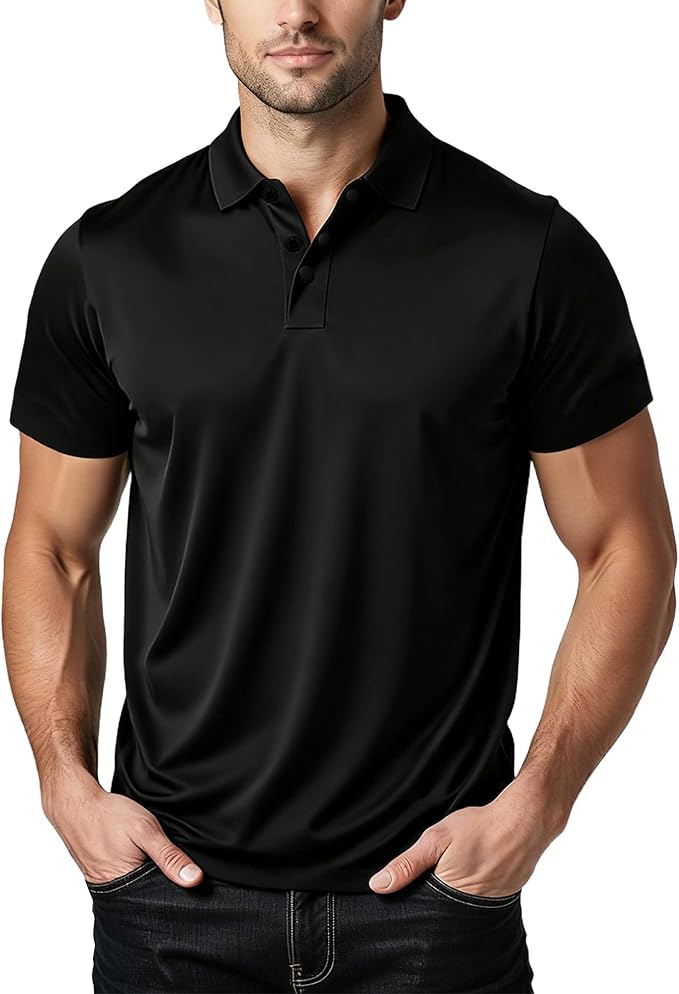
Men's Slim Fit Polo Shirt – Quick Dry Moisture Wicking, High Elasticity, Athletic Fit Polo for Golf, Tennis, Work & Casual Wear (Runs Small, Size Up)
$6.99 $29.99
28% OFF
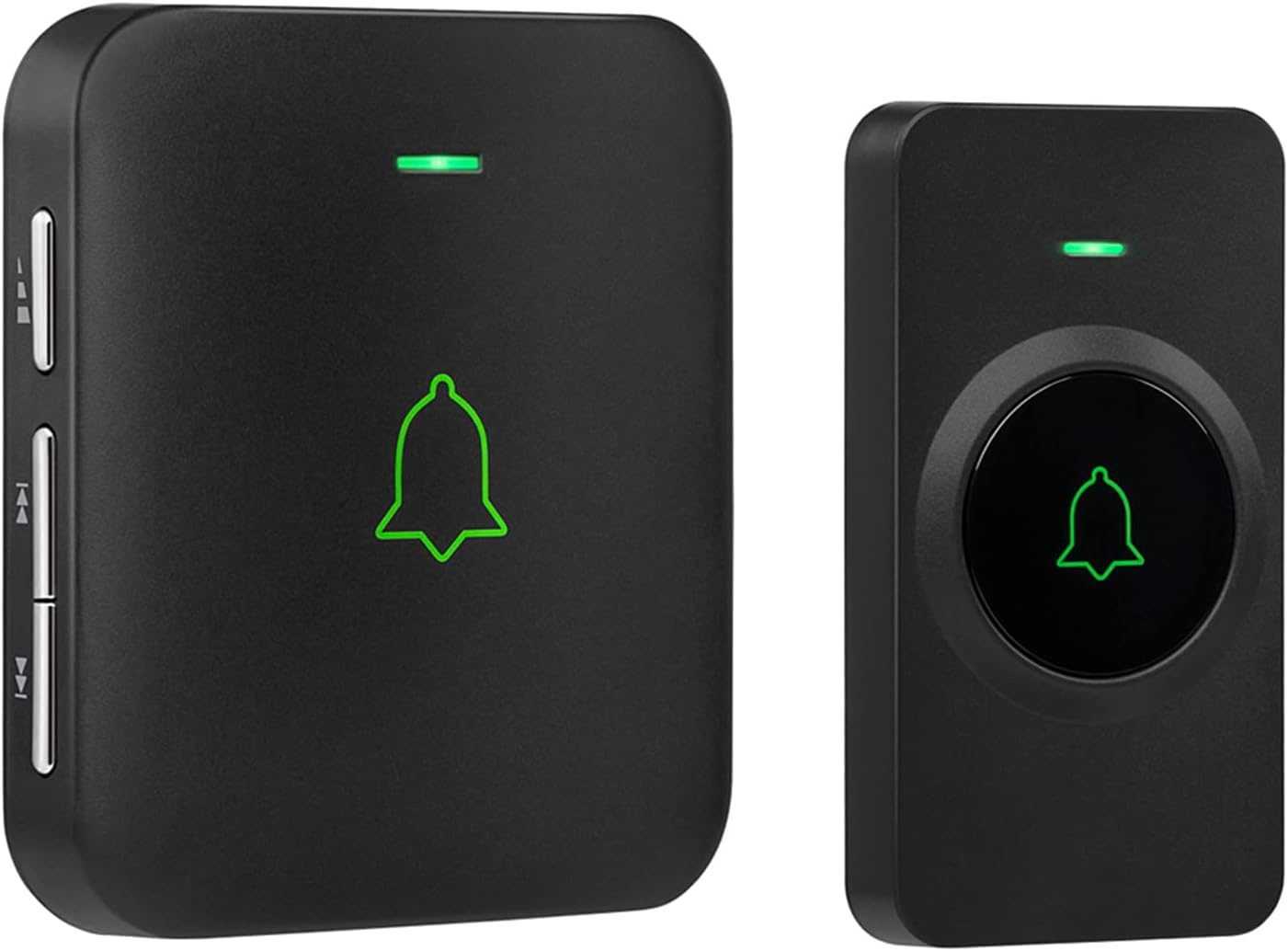
AVANTEK Wireless Doorbell CB-11 – 1000 ft Range, 1 Button + 1 Plug-In Receiver, 115 dB Volume, LED Flash, 52 Chimes, Waterproof, 3-Year Battery
$12.91 $17.99
50% OFF
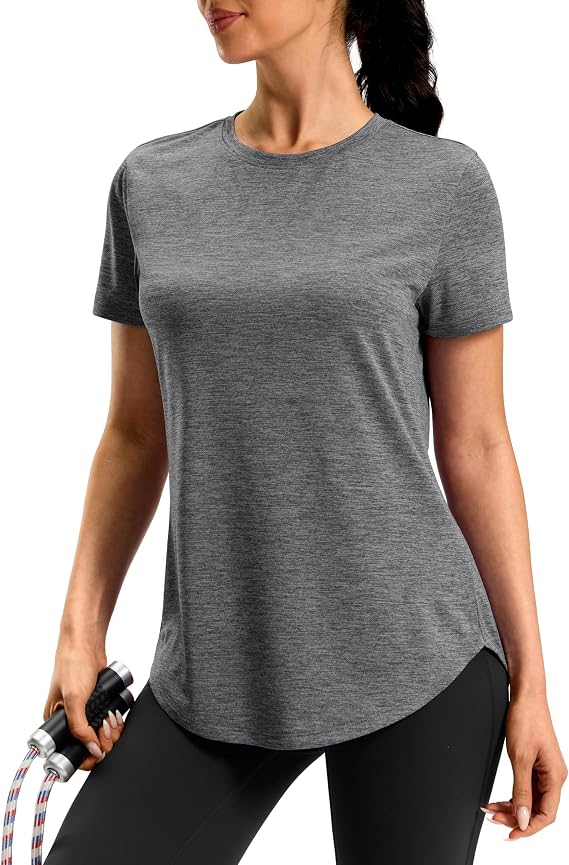
Women's Workout Shirts – Bum-Covering Length Short Sleeve Dry Fit Tops, Lightweight & Breathable for Athletic, Hiking, Running & Summer Wear
$6.99 $13.99
50% OFF
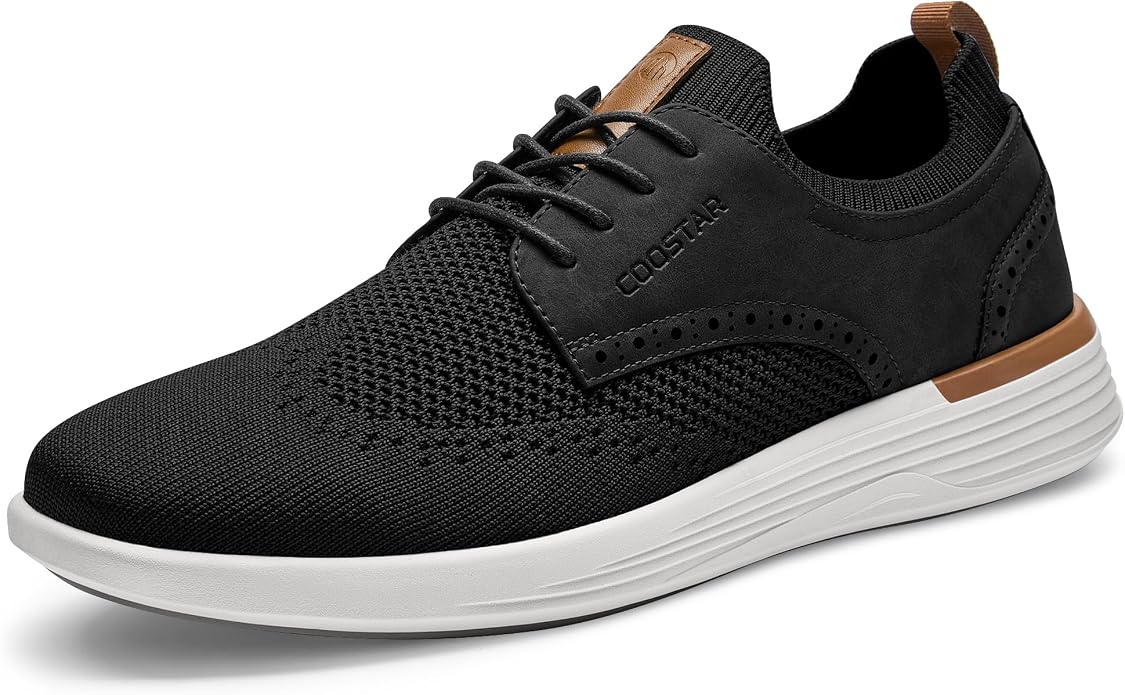
Coostar Men's Casual Dress Sneakers – Lightweight Wingtip Oxford Style with Breathable Knit Upper, Rubber Sole & Slip-On Elastic Collar, Business & Walking Shoe
$22.49 $44.99
45% OFF
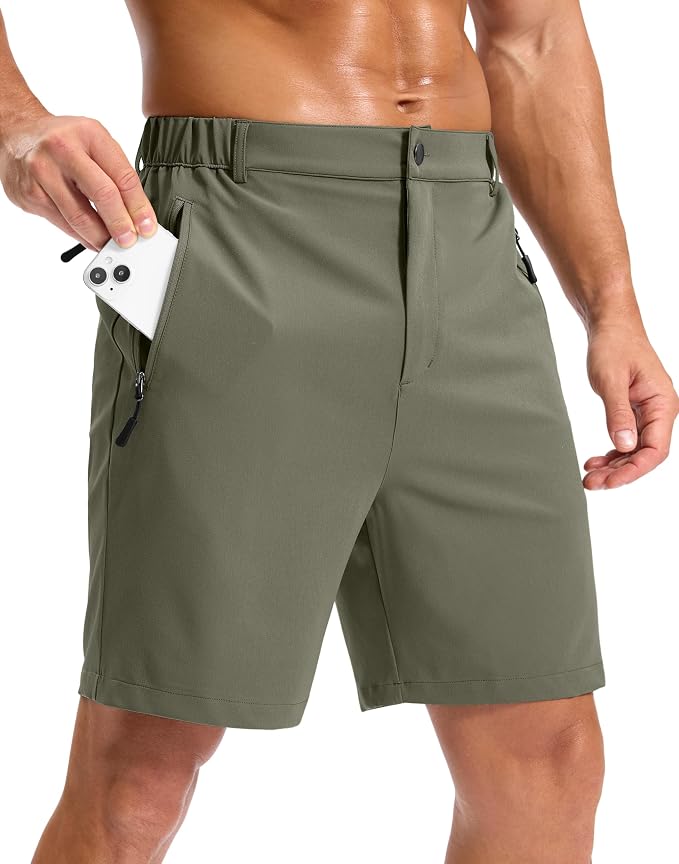
Pudolla Men's Quick Dry Hiking and Golf Shorts with 3 Zipper Pockets
$14.84 $26.99
50% OFF

Venture Pal Ceremonial Grade Matcha Green Tea Powder – First Harvest, Shade Grown, 100% Pure with No Additives, Unsweetened, Vegan & Gluten-Free, 30g Tin
$7.5 $14.99
40% OFF
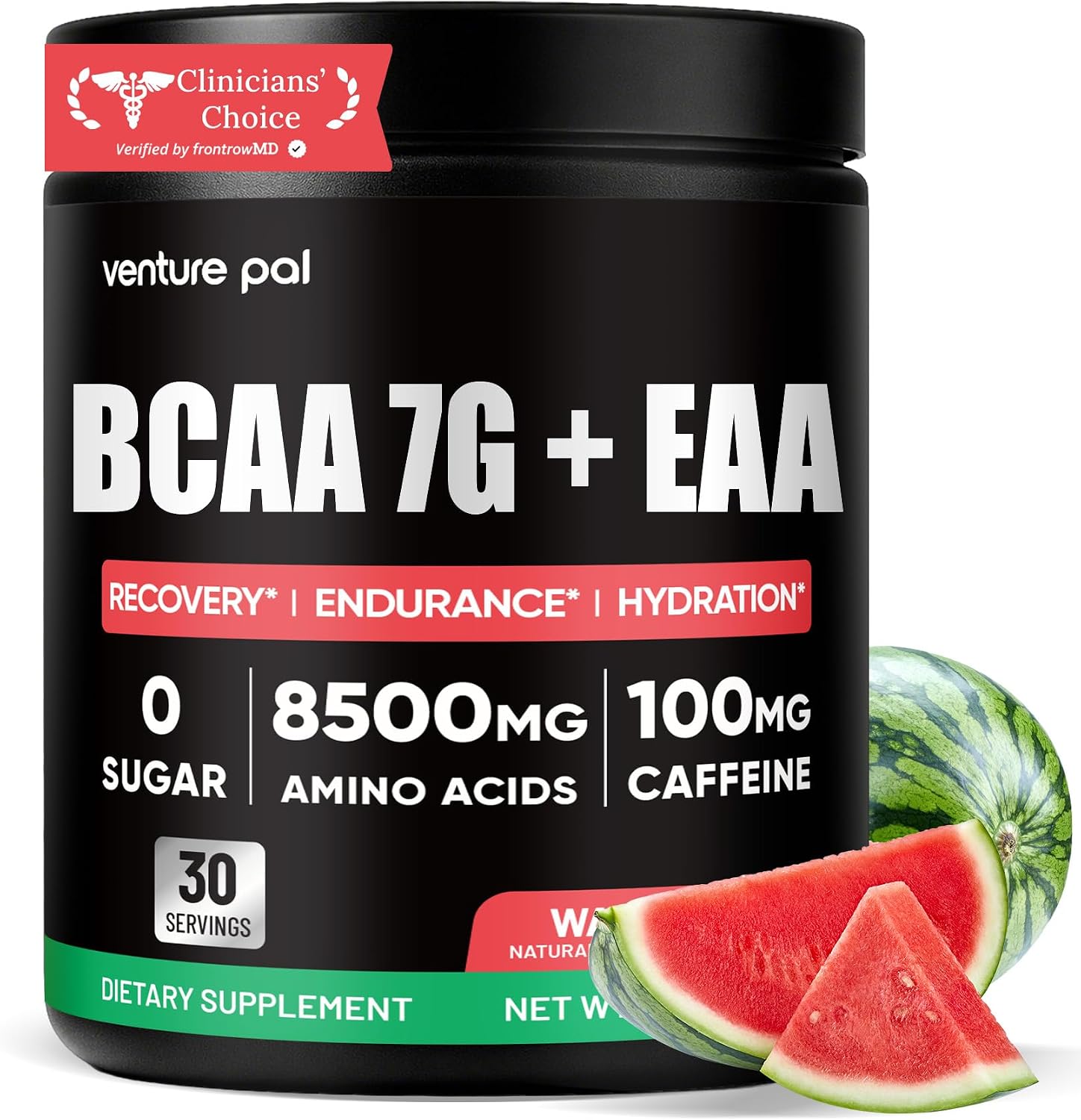
Venture Pal Sugar Free 7g BCAA + EAA Powder – 9 Essential Amino Acids with L-Glutamine, Caffeine, Electrolytes & Vitamins for Muscle Recovery, Growth & Hydration
$14.99 $24.99
30% OFF
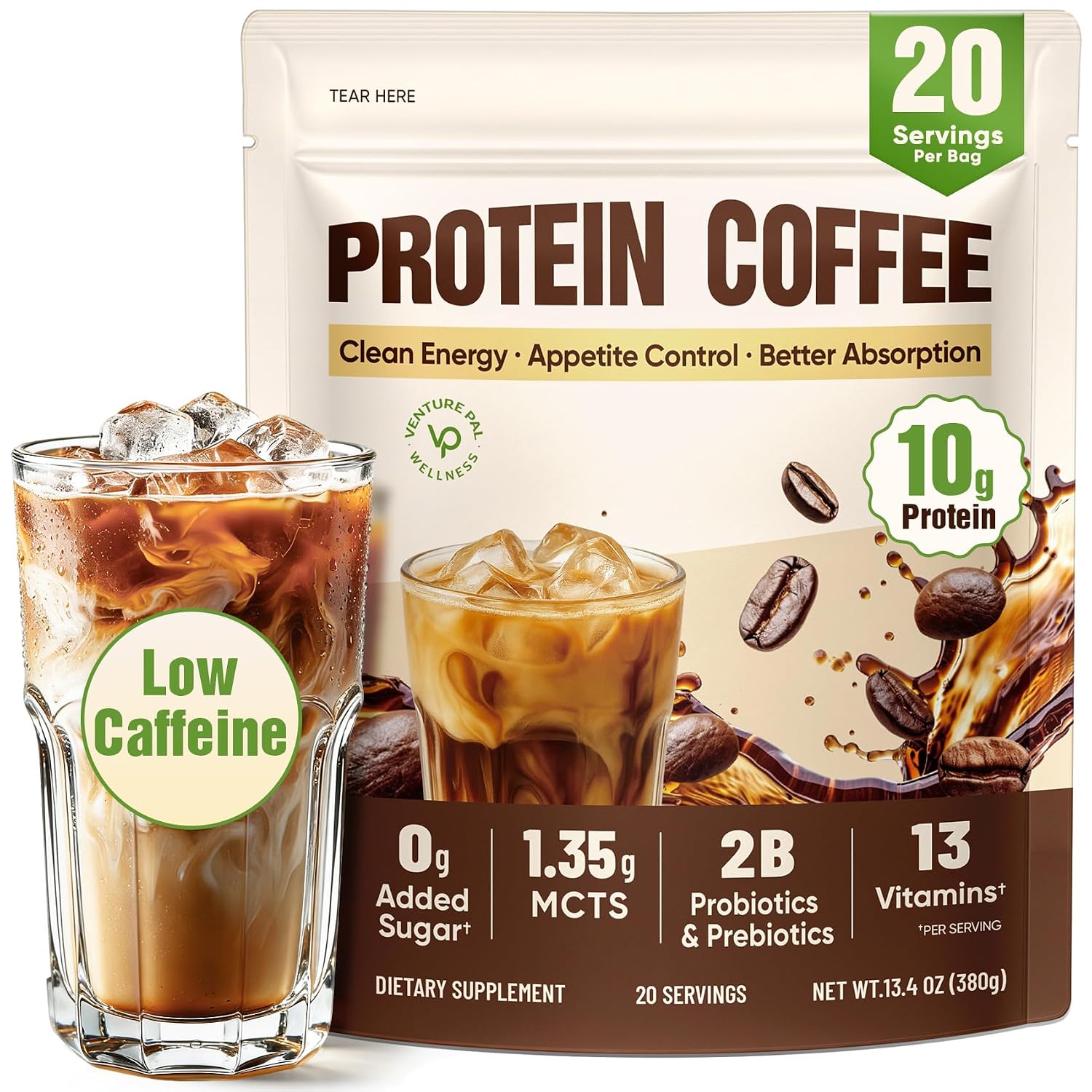
Venture Pal Sugar Free Protein Coffee – Cold Brew Mocha Instant Iced Coffee with MCT Oil, Probiotics, Fiber & 13 Vitamins, 70mg Caffeine, Keto & Gluten-Free, 20 Servings
$13.29 $18.99




-

Fundraising appeal grows for family of pastor killed at Christian festival
-

‘No easy answers,’ say church leaders after death of pastor at Christian festival
-

Pete Greig shares prophetic word: 'Prepare for war'
-

What can we learn from the US pastor who created an AI version of himself?
-

Nightclub deal with St Paul's Cathedral a 'sad reflection' on Christianity
-

‘Shout to the Lord’ songwriter Darlene Zschech says the Church is entering ‘revival days again’
Most Popular
related articles
Lausanne leader says future is bright for world Christianity
Lausanne leader says future is bright for world Christianity
News

First Cornish musical setting of the Eucharist receives cultural award
The Cornish People’s Mass, a Eucharistic service entirely in the Cornish language, has been recognised with a prestigious award for its cultural significance. This is the story …

CoE clergy feel 'undervalued, under-resourced, overworked, frustrated and vulnerable'
Church of England vicars are becoming an “endangered species” according to Save the Parish, which has just produced a major report into the current state of pastoral ministry within the Church.
Scottish bishop urges support for mothers and children, not more liberal abortion laws
Was the so-called expert group on abortion rigged from the start?

Nightclub deal with St Paul's Cathedral a 'sad reflection' on Christianity
Questionable music events in Britain's cathedrals are becoming increasingly common
Women's Oversized Henley Crewneck Sweatshirt – Faux Layered 2-in-1 Pullover, No Hood, Long Sleeve Fall Top for Office, Travel & Teacher Outfits
$14.99
Coostar Men's Orthopedic Slip On Loafers – Hands-Free Casual Walking Shoes with Arch Support, Non-Slip Sole, Breathable Canvas Upper
$21.99
G Gradual Boys Athletic Rash Guard Shirt – UPF 50+ Dry Fit Swim & Sports T-Shirt, Short Sleeve Crew Neck for Soccer, Baseball, Basketball & Undershirt
$7.92
Mobile Rolling Clothing Rack with Wheels - Perfect for Home and Office
$20.79
Lumbar Support Pillow for Car with Headrest – Memory Foam Full-Length S-Curve Back & Neck Cushion for Long Drives, Fits Cars, SUVs & Trucks
$32.89
Soothfeel Men's Running Shorts with Zipper Pockets – Quick Dry Athletic Shorts in 9", 7" & 5" Inseams for Basketball, Gym & Workout
$12.91
Men's Slip On Walking Shoes – Hands-Free Casual Sneakers with Arch Support, Wide Stable Base, Breathable Knit Upper, Non-Slip Traction
$29.99
Pudolla Men's UPF 50+ Sun Shirt – Long Sleeve Quick Dry Hiking & Running Shirt with Thumb Holes, Lightweight Moisture-Wicking Rash Guard Base Layer
$11.99
Vilanva Women's Walking Shoes – Cushioned Lightweight Running Sneakers with Slip-Resistant Sole, Breathable Woven Upper for Everyday Wear & Workouts
$35.09
MUCAR 892BT AI-Assisted Bidirectional OBD2 Scan Tool with ECU Coding (8" Touchscreen)
$479
Rocoren 12-Pack Magnetic Cable Clips – 360° Rotating Cord Organizer with No-Residue Adhesive, Cord Holder for Desk, Nightstand, Wall, Car & Office, White
$6.5
Red Light Therapy Mask for Face – 7-Color LED Silicone Facial Mask, Cordless Rechargeable Skincare Device with 240 LEDs for Home & Travel
$39.99
Men's Slim Fit Polo Shirt – Quick Dry Moisture Wicking, High Elasticity, Athletic Fit Polo for Golf, Tennis, Work & Casual Wear (Runs Small, Size Up)
$6.99
AVANTEK Wireless Doorbell CB-11 – 1000 ft Range, 1 Button + 1 Plug-In Receiver, 115 dB Volume, LED Flash, 52 Chimes, Waterproof, 3-Year Battery
$12.91
Women's Workout Shirts – Bum-Covering Length Short Sleeve Dry Fit Tops, Lightweight & Breathable for Athletic, Hiking, Running & Summer Wear
$6.99
Coostar Men's Casual Dress Sneakers – Lightweight Wingtip Oxford Style with Breathable Knit Upper, Rubber Sole & Slip-On Elastic Collar, Business & Walking Shoe
$22.49
Pudolla Men's Quick Dry Hiking and Golf Shorts with 3 Zipper Pockets
$14.84
Venture Pal Ceremonial Grade Matcha Green Tea Powder – First Harvest, Shade Grown, 100% Pure with No Additives, Unsweetened, Vegan & Gluten-Free, 30g Tin
$7.5
Venture Pal Sugar Free 7g BCAA + EAA Powder – 9 Essential Amino Acids with L-Glutamine, Caffeine, Electrolytes & Vitamins for Muscle Recovery, Growth & Hydration
$14.99
Venture Pal Sugar Free Protein Coffee – Cold Brew Mocha Instant Iced Coffee with MCT Oil, Probiotics, Fiber & 13 Vitamins, 70mg Caffeine, Keto & Gluten-Free, 20 Servings
$13.29