
With a third of federal waters in the Gulf of Mexico now closed to fishing and leaked oil continuing to spread, local churches are banding together Sunday for a day of prayer.
They're calling it the Oil Spill Day of Prayer and participants include The Wesleyan Church, the Church of Nazarene and Southern Baptists.
"The current oil spill is not only causing harm to the coast, marsh lands, the gulf and the future of oil exploration but to the economic future of many [states]," said Dr Dan Berry, the South Coastal district superintendent of The Wesleyan Church.
"This is a case of denominations coming together, saying we are desperate."
Some 23 million to 47 million gallons of oil have spilled into the Gulf since the Deepwater Horizon drilling rig exploded April 20 and sank. It is the worst oil leak in US history.
President Obama vowed to stand with the people of the Gulf Coast and deliver a strong response to the man-made disaster.
In his weekly address Saturday, Obama spoke from Grand Isle, Louisiana, and informed the American public that 17,000 national guard troops were being deployed to aid in the response. More than 20,000 people are working around the clock to protect the waters and coastlines, hundreds of top scientists and engineers from around the world have been employed and more than 1,900 vessels are assisting in the cleanup. Additionally, more than 4.3 million feet of boom have been deployed to contain the spill.
"In short, this is the largest response to an environmental disaster of its kind in the history of the country," Obama said.
After speaking with frustrated local residents and small business owners including those in the oyster and shrimp industry, Obama said the spill has damaged livelihoods and upended whole communities.
"The fury people feel is not just about the money they've lost. They've been through tough times before," he noted.
"It's about the wrenching recognition that this time their lives may never be the same. These folks work hard ... But now because of a man-made catastrophe, one that's not their fault and beyond their control, their lives have been thrown into turmoil. It's brutally unfair; it's wrong."
BP placed a cap over the well on Thursday and reported that it is making some progress in collecting the oil.
Nevertheless, the leak is steadily creeping to Florida's beaches and the Gulf Coast states still have a massive cleanup effort ahead of them.
Churches see prayer as their only hope.
"Men have tried for weeks to stop the flow of oil and to date, all has failed," Berry noted.
"We need to call on God to stop the flow now. Our God stopped the flow of water for Israel to cross the Red Sea and He can cease the flow from this ruptured well."
-

New pilgrimage route follows in the footsteps of the Manx Bible translators
-

Survey finds Gen Z most likely to identify as religious
-

Christian social worker returns to Court of Appeal in dispute over withdrawn job offer
-

Australia's anti-therapy laws harm the most vulnerable - Britain should not copy them
News
-

Edinburgh University ends divinity programmes as theology faces a changing future
-

What links Tommy Robinson, Andrew Tate and the CofE’s newest diocesan bishop?
-

Third of young people now turning to AI for friendship, research finds
-

Why the Archbishop of Canterbury’s award controversy matters
-

Catholicism in France has 'collapsed'
-

From Genesis to Revelation: The ambitious AI project turning the Bible into music
Most Popular
News

Why New Age spirituality isn’t neutral
The problem is not the recognition that there is more to life than what we can see; Christianity agrees that there is. The question is where we go looking for answers.
More than one in four US Protestant churchgoers believe some biblical truths become outdated
US Protestant churchgoers who hold evangelical beliefs are more likely than their non-evangelical counterparts to express confidence in the Bible and its continuing authority, according to new research from Lifeway Research.

Cost of living crisis is ‘busting family budgets and increasing social isolation for children’ - report
Rising living costs are forcing many UK parents to reduce activities for their children and, in some cases, use child benefits to cover household essentials, according to new research from Child Poverty Action Group (CPAG).
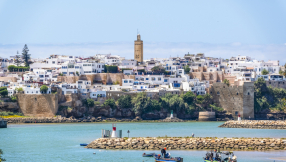
Religious freedom in Morocco is ‘substantively limited’, report warns
A new report has questioned Morocco’s claims to religious tolerance, arguing that laws relating to Ramadan observance, burial and conversion continue to limit freedom of religion despite constitutional protections.








