
|PIC1|The growth of non-Western Christianity across Africa is largely due to the New Pentecostal Churches. Upwardly-mobile youth are drawn to their dynamic worship styles and pursuit of wealth and success. The prosperity gospel has found fertile soil as it resonates with tribal religion. Prosperity promoters raise serious theological concerns. The gospel of Jesus Christ neither glorifies poverty nor prosperity.
For thousands of believers in Ghana, “Jericho Hour” is the place to be on a Thursday morning. Founded in 1998, this prayer meeting—where “giant solutions await your giant problems”—is hosted by Archbishop Nicholas Duncan-Williams in the Prayer Cathedral on Accra’s Spintex Road. Three thousand make their way there to pray for breakthroughs in business, for international travel, for a suitable spouse, and, when experiencing setbacks, for vengeance on those spiritually responsible.
It is part of a wider movement founded by Duncan-Williams in 1979. His African mentor was the late Benson Idahosa of Nigeria, who conferred upon himself the titles of “Professor” and “Archbishop.” Duncan-Williams’s personal transition from “Pastor” through unauthenticated “Rev. Dr.” to “Bishop” and now “Archbishop” is no less intriguing.
Duncan-Williams’s 26-year marriage ended in divorce in 2005 after much-publicized efforts at reconciliation mediated by the American pastor T. D. Jakes. In 2008 he married a wealthy African-American diplomat turned entrepreneur, and lives in Accra in a home which is widely described as palatial. Such lavish displays of wealth are usually the domain of politicians, who are believed to achieve their material success by stealing from the public purse. Rumor about the sources of the couple’s wealth is probably inevitable.
The marks of faith
The New Pentecostal Churches (NPCs) of Africa emphasize prosperity. In this new type of Christianity, success and wealth are the only genuine marks of faith.
Preachers quote 3 John 2: “Dear friend, I pray that you may enjoy good health and that all may go well with you, even as your soul is getting along well.” Abraham, rich in cattle, sheep, and gold (Genesis 13:2), is commonly cited, with special emphasis on his willingness to pay tithes to Melchizedek. Since the Apostle Paul himself tells us that “the blessing of Abraham” has come to the Gentiles (Galatians 3:14), why shouldn’t Christians walk in similar wealth and influence, they ask?
The message of prosperity resonates with traditional African religious ideas because of the belief in mystical causality. Prayer vigils and healing camps are viewed as the Christian equivalent of traditional shrines. Prayers, like offerings, become ritual actions that are supposed to make things happen.
When prosperity is lacking, the explanation given is failure to pay a tithe to the church, or it may be linked to demonic forces, curses, and witchcraft perpetrated by envious family members. Churches offer “anointing for vengeance” to help dismantle such spiritual traps. Services in charismatic churches include imprecatory prayers of sometimes alarming vengefulness.
The ritualized exchange of tithes and blessings is very similar to the traditional orientation of religious sacrifices. Amounts demanded can be very specific. In a high-energy revival meeting at Ghana’s Charismatic Evangelistic Ministry, an evangelist recently asked everyone to give US$240 for “God is going to provide a 24-hour miracle in the lives of those with the ability to pay.” Apparently the rate was ten dollars per hour. I left the service wondering how the pastor felt God viewed those without that sort of money.
Little to offer the poor
On the whole I take a positive view of charismatic Christianity. Pastor Mensa Otabil of Ghana’s International Central Gospel Church exhorts people to do something about impoverished circumstances; one hears encouraging testimonies, like the member who bought a car from three months’ savings when he stopped drinking.
Because of its emphasis on material wealth, charismatic Christianity in Africa has largely remained an urban phenomenon. Its message has little to offer young people who peddle chewing gum, candies, banana, peanuts and fried pastries just to survive. For all Africans, religion leads to power, strength and abundance. The NPCs aggressively pursue what can only be called North American levels of materialism – they grew out of the Word of Faith movement of American televangelists like Kenneth and Gloria Copeland and Kenneth Hagin.
It is not uncommon for pastors who want a better vehicle to disguise their purchase. They claim God has directed them to give their old vehicle to a fellow church member. A few days after the ‘divine direction’ is carried out, a more luxurious vehicle appears, and members proudly point to this as visible proof of God’s blessing on their life and ministry.
These churches have little to offer the poor, and little theological room for wrestling with the hard issues of the cost of discipleship, failure, pain, and disappointment. One church in Ghana changed its name from ‘Calvary Road’ to ‘Harvesters International’ because the word ‘Calvary’ resonated too negatively. Until recently, some charismatic Christians would not even celebrate Good Friday because, in their minds, it was associated with pain and suffering.
The prosperity gospel offers positives, possibilities and success. To seek for these things is not out of place. “The house of the Lord” has always been the place where people seek his intervention for their spiritual and material needs. But as the previous article laid out, there is much teaching in Scripture on godly concern for the poor and marginalized. For the NPCs, poverty signals either that they lack the faith ascribed to Jabez or that they are not faithfully tithing.
Many Africans see international travel as a gateway to riches (and many prosperity preachers, like Duncan-Williams, have residences in the West and arrange for their children to be born in Western hospitals, especially where this will secure dual citizenship).
So NPC prophets specialize in praying for visas for supplicants. Not long ago one such prophet appeared early in the morning at the Italian Embassy in Accra, preaching to visa applicants in the long queue, assuring them of God’s power secure visas. He anointed each plastic envelope containing supporting documents with olive oil for what he referred to as “favor in the eyes of the consular officer”. It is not uncommon to hear about visions in which pastors see angels distributing KLM and British Airways tickets to members of their congregation. Within some of these churches, prayers for international travel now rank second only to healing.
Grace through suffering
Scripture consistently warns that the pursuit of worldly interests can cause us to neglect the deeper values of the kingdom of God. The “blessing of Abraham” (Galatians 3:14) is often invoked to justify prayers for material wealth, but I have never yet heard a prosperity preacher include the second half of the verse, “so that by faith we might receive the promise of the Spirit.” The gospel of Jesus Christ, with its promises of liberation, deliverance, forgiveness, grace and restoration, can never be a gospel of poverty.
Preachers like Duncan-Williams have argued that as the robe of Jesus was seamless and the soldiers gambled for it, “Jesus must have worn designer robes”. Even the donkey on which Jesus rode to Jerusalem has been re-invented in sermons as the Cadillac or Mercedes-Benz of the times. This is simply the sacrelization of human greed and covetousness. Jesus responded to that sort of attitude when he told the disciples, following the request of James and John for privileged places in the kingdom, “It shall not be so among you.”
One rarely hears of those who have failed in spite of their tithes and offerings. Or of those whose testimonies consist of grace and more grace, for example to continue in a marriage where one spouse is an alcoholic, or to cope in the face of painful loss.
God’s purpose in difficult situations is not always to take us out of them but to take us through them. In the words of the psalmist, ‘Even though I walk through the valley of the shadow of death, I will fear no evil for you are with me’ (Psalm 23:4); and ‘My flesh and my heart may fail, but God is the strength of my heart and my portion forever’ (Psalm 73:26). The Apostle Paul himself had a “thorn in the flesh” that was not taken away. He lived with it not by “naming and claiming,” but by grace.
Tom Smail has written in The Cross and the Spirit, “we can easily come to see ourselves as living in a world of supernatural power that leads us from triumph to triumph, where the weak, desolate sufferer of Calvary has been left far behind.” The NPCs will have some distance to travel before they truly present Jesus Christ and his cross. In the words of Bernard of Clairvaux: “Jesu, thou joy of loving hearts / Thou fount of life, thou light of men; / From the best bliss that earth imparts, / We turn unfilled to thee again.”
Kwabena Asamoah-Gyadu is associate professor of Pentecostal/charismatic theology and African Christianity at Trinity Theological Seminary, Legon, Accra, Ghana. He has served as visiting scholar in the U.S. at Harvard Divinity School (2004) and Luther Seminary (2007).
50% OFF

NEWFAST NF-RE523 AC1200 WiFi Extender - 1200Mbps Dual Band Signal Booster & Internet Repeater
$18.5 $36.99
48% OFF

G Gradual Men's 7-inch Workout Running Shorts - Lightweight, Quick-Dry, Comfort
$12.91 $24.99
50% OFF
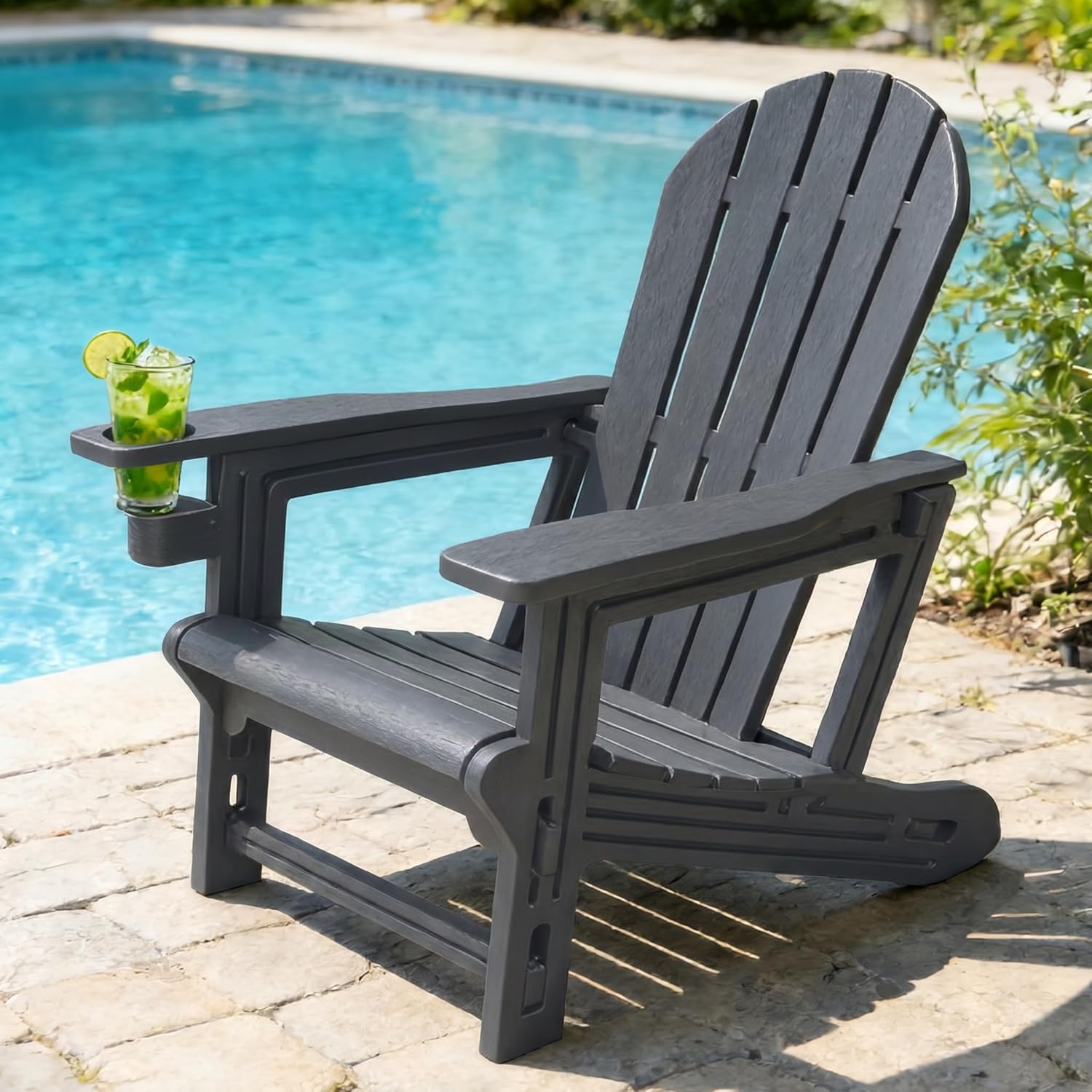
HDPE All-Weather Adirondack Chair with Built-In Cup Holder - Tool-Free Assembly (Grey)
$69.99 $139.99
60% OFF

HOMETUK Clear Plastic Storage Bins with Dividers - 3-Pack Stackable Acrylic Organizer Containers for Fridge and Pantry
$19.99 $49.99
58% OFF
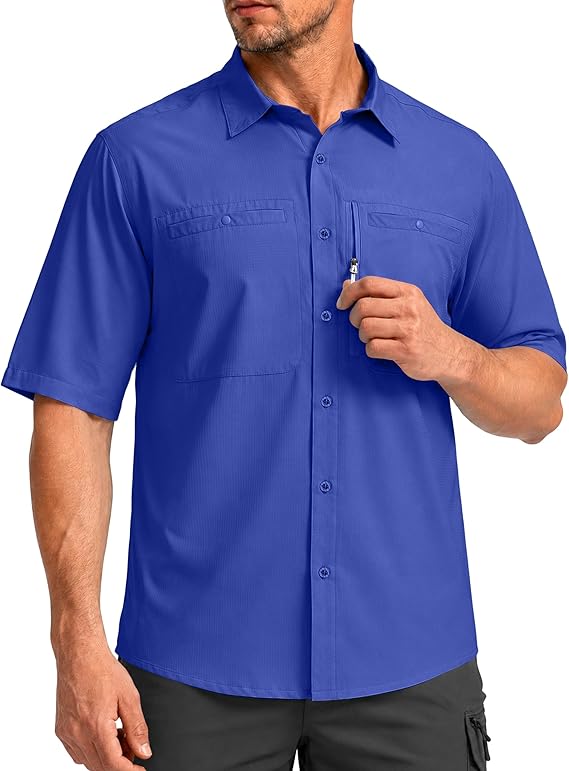
G Gradual Men's Fishing Shirt - UPF 50+ Lightweight Short Sleeve Button Down with Zipper Pockets
$14.99 $35.99
55% OFF
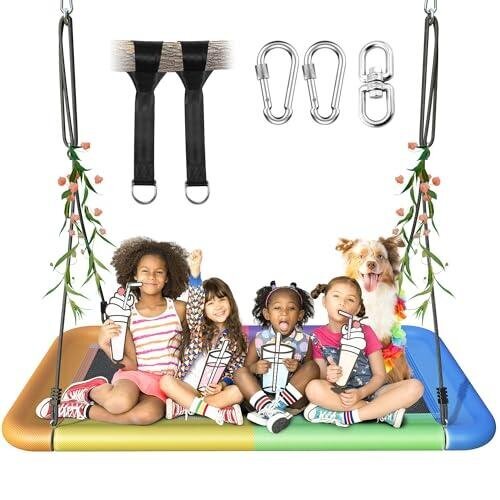
Everyfun 60" Rectangular Platform Tree Swing - 700lbs Heavy Duty Adjustable Outdoor Swing (Colorful)
$49.99 $110.99
61% OFF
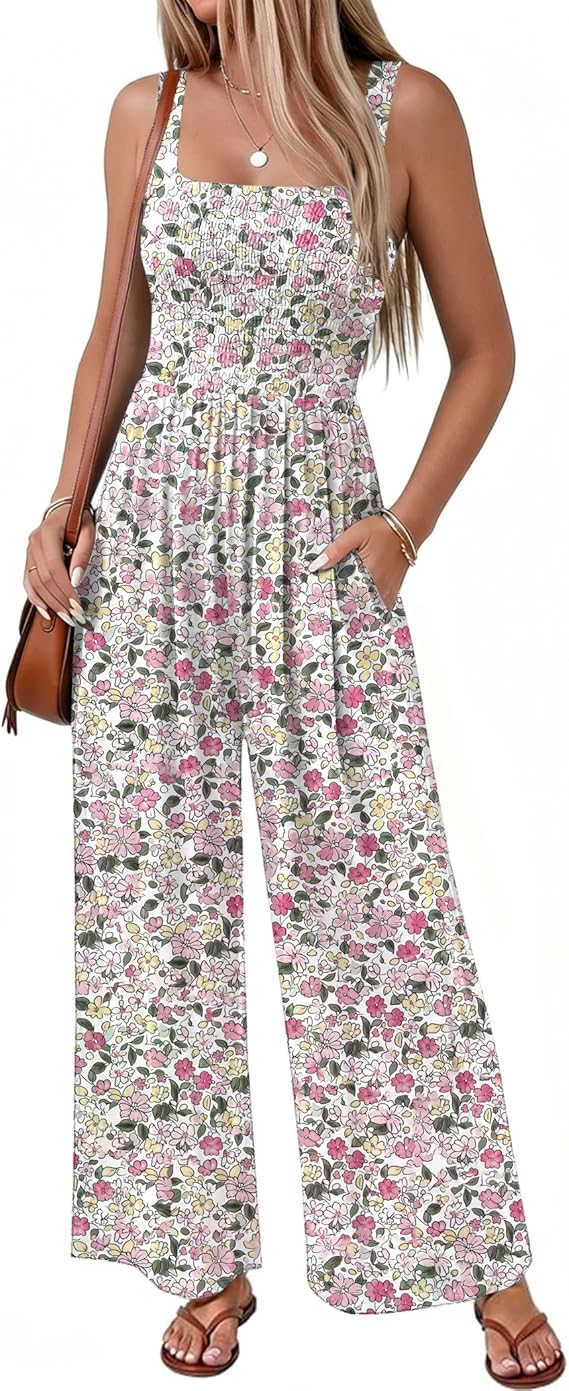
Ekouaer Women's Casual Loose Jumpsuit - One-Piece Printed Sleeveless Wide Leg Romper with Pockets
$14.99 $37.99
40% OFF
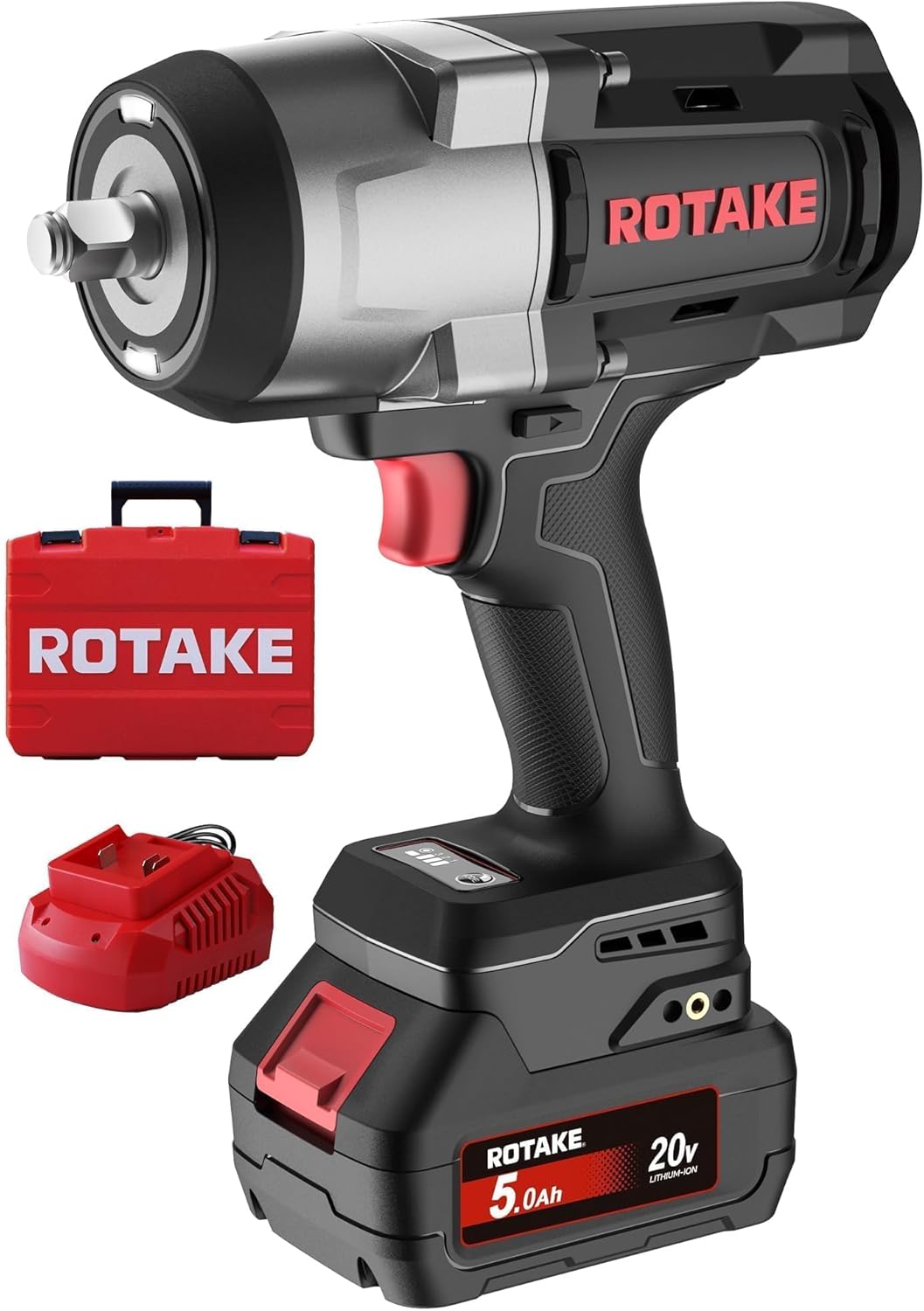
ROTAKE TB3 20V Heavy Duty 1/2" Cordless Impact Wrench Kit - 1380 Ft-Lbs Torque
$132 $219.99
36% OFF

Men's Athletic Running Shorts with Zipper Pockets - Lightweight & Quick Dry
$12.74 $19.99
61% OFF
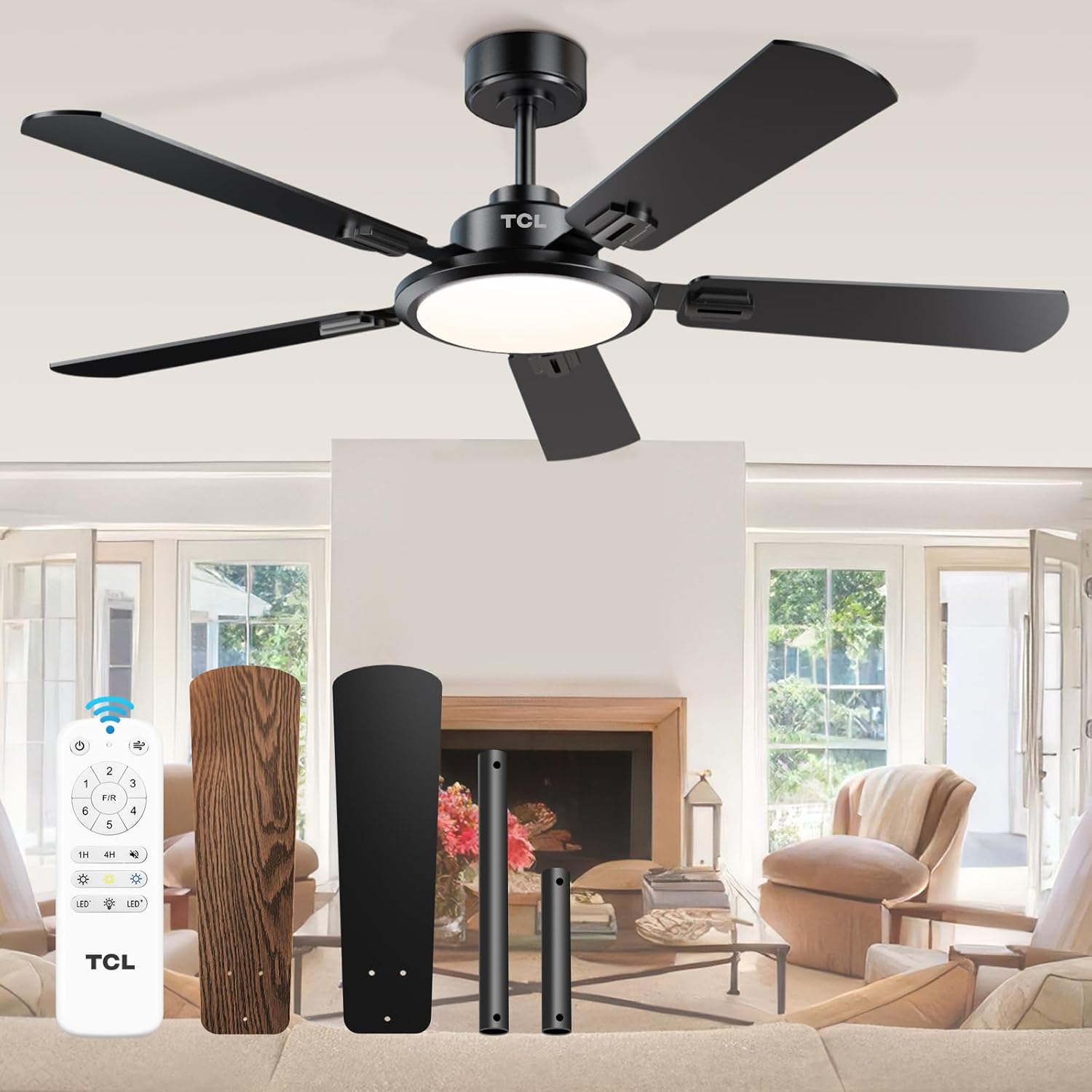
Modern Ceiling Fan with Light and Remote - Reversible Quiet DC Motor
$69.3 $179.99
50% OFF

MOOKA H13 True HEPA Air Purifier for Home Large Room - 1076 sq ft Odor Eliminator
$39.97 $79.95
60% OFF

Ekouaer Women's Satin Silky Pajama Set - Short Sleeve Pullover Top & Wide-Leg Pants
$13.99 $34.99
55% OFF

Ekouaer 3-Piece Maternity & Nursing Pajamas Set - Short Sleeve Top with Shorts and Pants
$14.99 $32.99
11% OFF
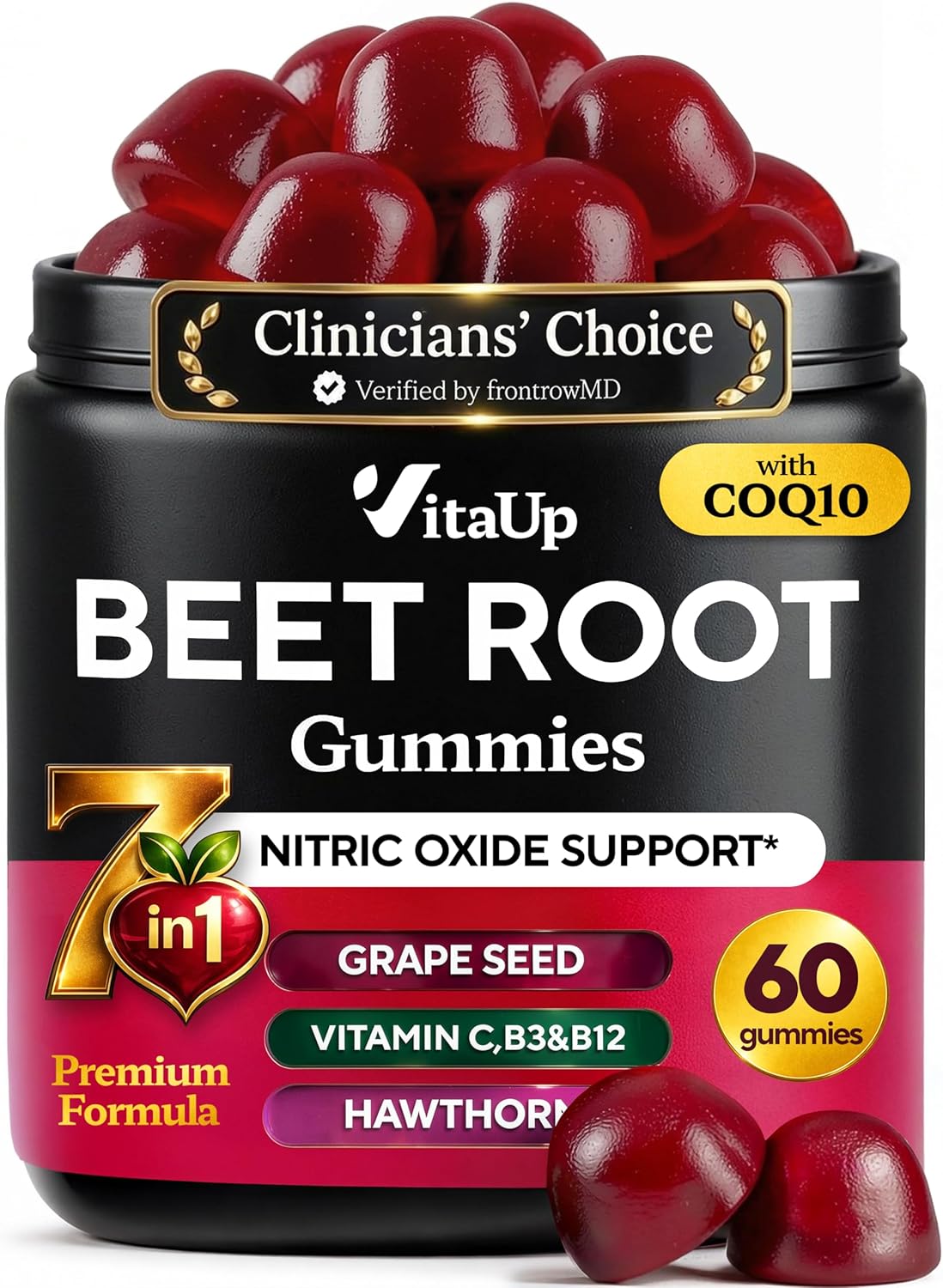
VitaUp Beet Root Gummies with CoQ10 & Grape Seed - Nitric Oxide Circulation Support (60 Count)
$24.91 $27.91
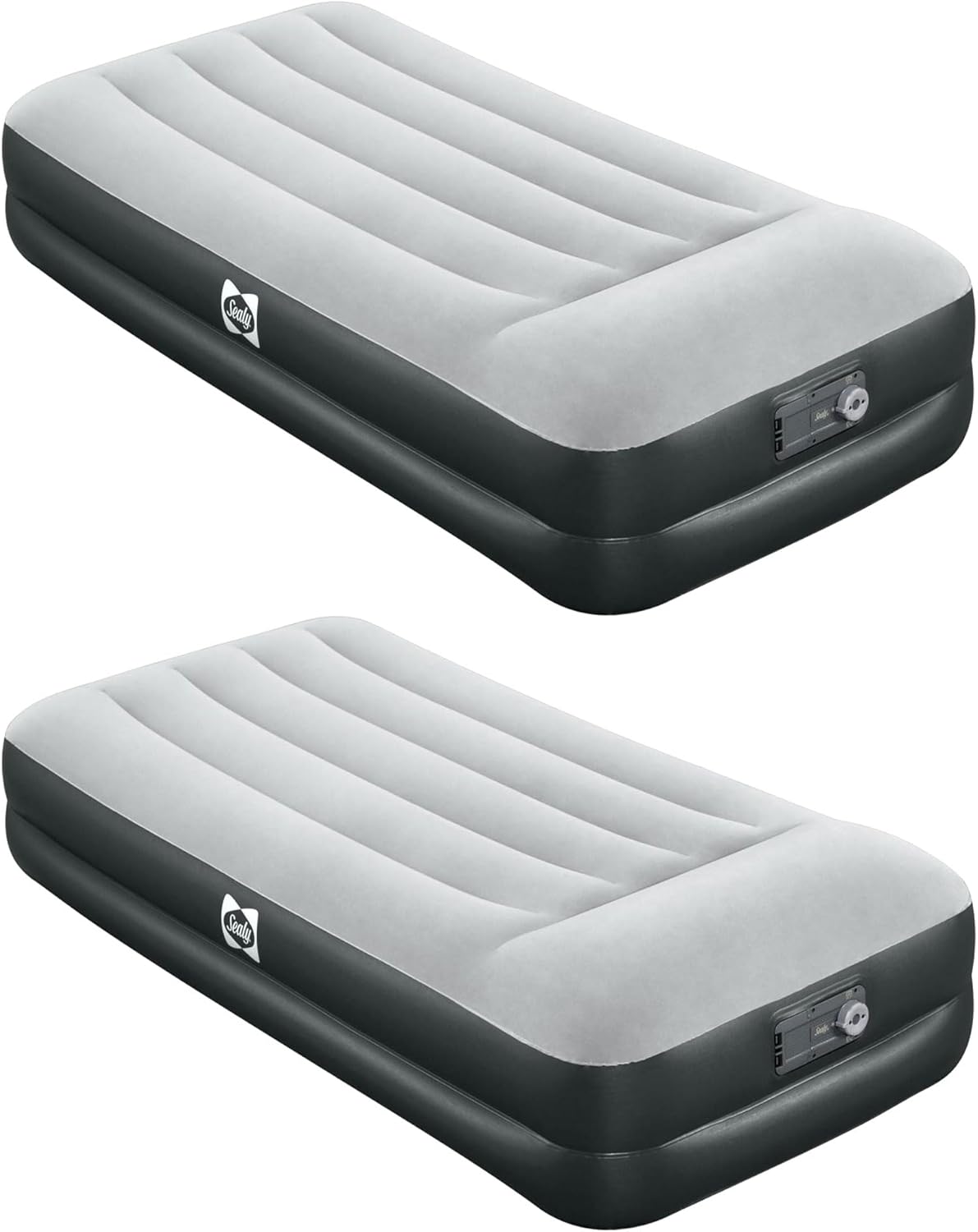
Sealy 2-Pack Tritech 16" Twin Inflatable Air Mattress with Built-in AC Pump
$0 $113.99
20% OFF
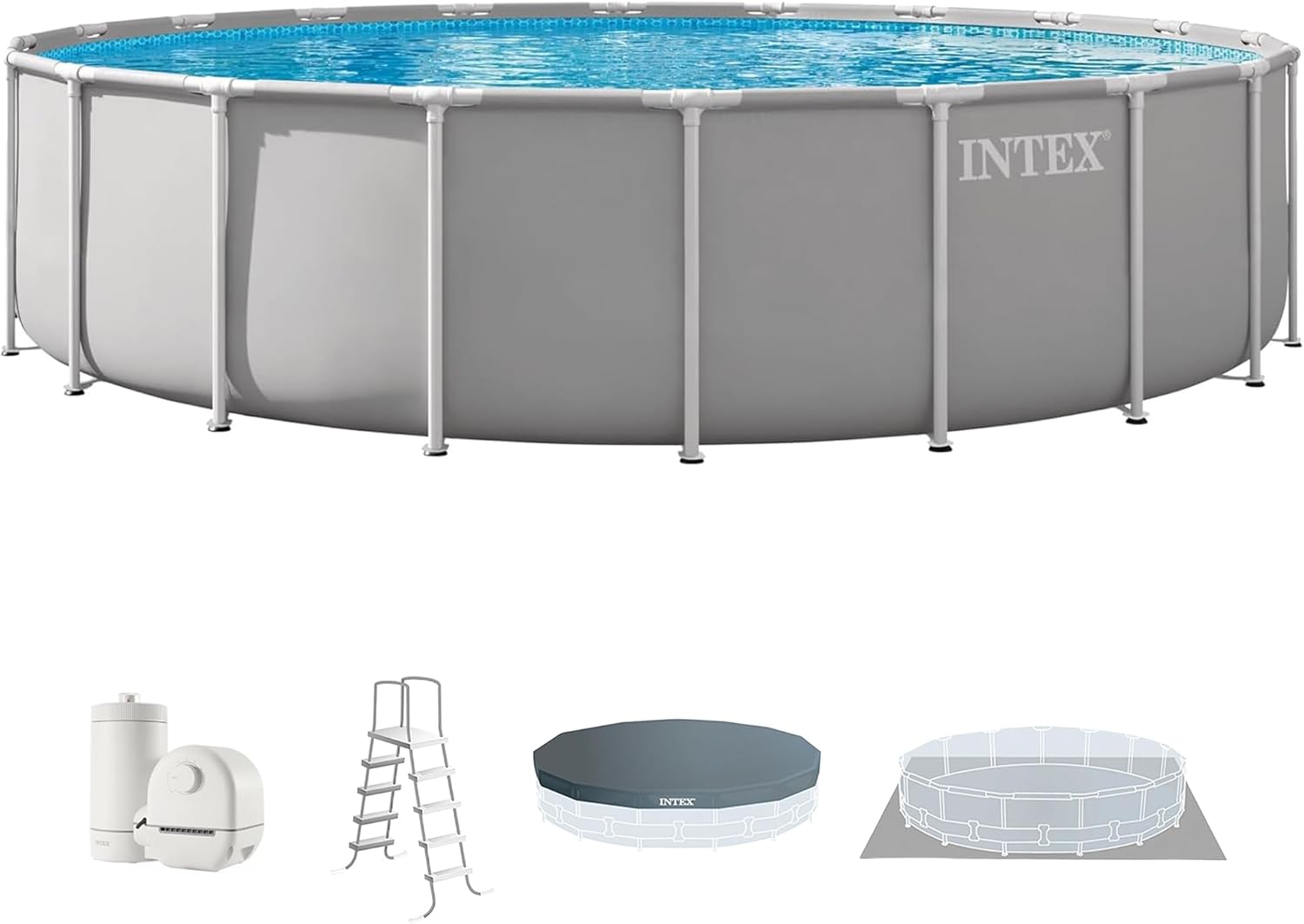
INTEX Prism Frame 20ft x 52in Above Ground Pool Set - Round Steel Frame Swimming Pool
$695.99 $869.99

Gardner Pet 43" Heavy Duty Dog Crate with Wheels - Indestructible Folding Metal Cage (Black)
$0 $149.99
12% OFF

Elegant Mid-Century Modern Bar Stools - Set of 4
$395.99 $449.99
23% OFF
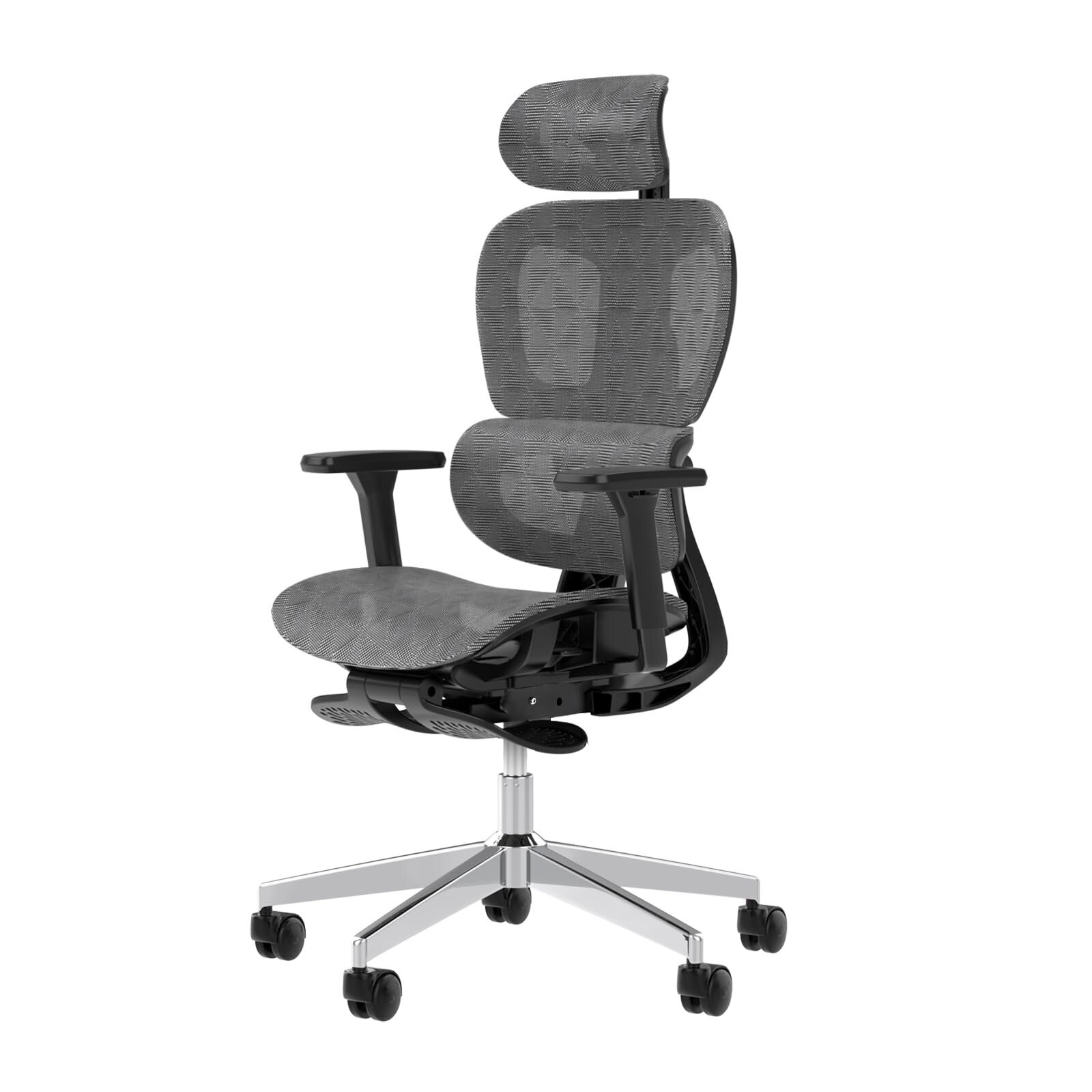
Ergonomic Office Chair - Big and Tall Desk Chair with Adjustable Lumbar Support
$279.99 $363.99
26% OFF

Magnelex American Flag Windshield Sun Shade - High-Resolution UV Reflective Heat Shield (X-Large)
$19.9 $26.9




-
Historic Lancashire church secures £250,000 National Lottery grant for major roof repairs
-

Sunderland Minster PCC was right to push back over trans toilet sign
-

Report warns religious freedom protections in Mexico exist largely ‘on paper’
-

Bethel Church distances itself from Todd Bentley and Mike Bickle
-

Christian police officer reaches settlement over diversity training discrimination claim
-
Turkey's hidden Christian past: Extraordinary discoveries are rewriting the story of early Christianity
Most Popular
News
Pride and the Gospel: the way of self or the way of Christ?
As Christians, our understanding of pride is shaped not primarily by culture, but by Scripture.
Campaign urging greater support for Christian education
Unite for Education founder, Niel Deepnarain, said Christians must be willing to engage publicly with educational issues rather than remain silent.

Welsh reverend speaks of culture of fear over LGBT issues
Many people have already left the Church in Wales over its stance on same-sex relationships, an evangelical leader has said.
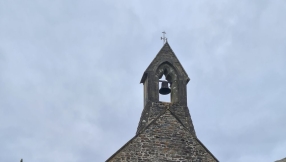
Reddit users declare small Welsh church best place in the world
Users voted to eliminate one half of a map until only one location remained.
NEWFAST NF-RE523 AC1200 WiFi Extender - 1200Mbps Dual Band Signal Booster & Internet Repeater
$18.5
G Gradual Men's 7-inch Workout Running Shorts - Lightweight, Quick-Dry, Comfort
$12.91
HDPE All-Weather Adirondack Chair with Built-In Cup Holder - Tool-Free Assembly (Grey)
$69.99
HOMETUK Clear Plastic Storage Bins with Dividers - 3-Pack Stackable Acrylic Organizer Containers for Fridge and Pantry
$19.99
G Gradual Men's Fishing Shirt - UPF 50+ Lightweight Short Sleeve Button Down with Zipper Pockets
$14.99
Everyfun 60" Rectangular Platform Tree Swing - 700lbs Heavy Duty Adjustable Outdoor Swing (Colorful)
$49.99
Ekouaer Women's Casual Loose Jumpsuit - One-Piece Printed Sleeveless Wide Leg Romper with Pockets
$14.99
ROTAKE TB3 20V Heavy Duty 1/2" Cordless Impact Wrench Kit - 1380 Ft-Lbs Torque
$132
Men's Athletic Running Shorts with Zipper Pockets - Lightweight & Quick Dry
$12.74
Modern Ceiling Fan with Light and Remote - Reversible Quiet DC Motor
$69.3
MOOKA H13 True HEPA Air Purifier for Home Large Room - 1076 sq ft Odor Eliminator
$39.97
Ekouaer Women's Satin Silky Pajama Set - Short Sleeve Pullover Top & Wide-Leg Pants
$13.99
Ekouaer 3-Piece Maternity & Nursing Pajamas Set - Short Sleeve Top with Shorts and Pants
$14.99
VitaUp Beet Root Gummies with CoQ10 & Grape Seed - Nitric Oxide Circulation Support (60 Count)
$24.91
Sealy 2-Pack Tritech 16" Twin Inflatable Air Mattress with Built-in AC Pump
$0
INTEX Prism Frame 20ft x 52in Above Ground Pool Set - Round Steel Frame Swimming Pool
$695.99
Gardner Pet 43" Heavy Duty Dog Crate with Wheels - Indestructible Folding Metal Cage (Black)
$0
Elegant Mid-Century Modern Bar Stools - Set of 4
$395.99
Ergonomic Office Chair - Big and Tall Desk Chair with Adjustable Lumbar Support
$279.99
Magnelex American Flag Windshield Sun Shade - High-Resolution UV Reflective Heat Shield (X-Large)
$19.9