
The deteriorating and much sought-after Dead Sea scrolls are being digitalised and will be made available to the public and researchers on the Internet, Israel authorities announced this past week.
Israel Antiquities Authority, the keeper of the scrolls, said it has begun the two-year process to digitally photograph every fragment of the more than 2,000-year-old ancient text.
High-tech digital technology will not only help preserve the manuscripts and make it available to a wider audience, but will also help reveal text that is not visible to the naked eye.
"Just by applying the latest infrared technologies and shooting at very high detail, lots of resolution, we are already opening up new characters from the scrolls that are either extremely indistinct or you just couldn't see them before," said Simon Tanner, director of King's Digital Consultancy Services, according to CNN.
Tanner is on the team in charge of the digital project, which includes Greg Bearman - a retired scientist with NASA's Jet Propulsion Laboratory. Bearman pioneered archaeological digital imaging.
"To switch over to digital is really the way to go, and people were resistant to it initially, because it was a new way of doing stuff," Bearman said. "They want their light table and their magnifying glass."
But with digital imaging, he said, "You can see where the ink has broken away and you can see the texture of the animal skin, so you can see more detail than you can see with the naked eye."
The Dead Sea Scrolls are the oldest written record of the Bible's Old Testament found to date, and include texts that reveal the life of early Christians in the Holy land.
Some were initially discovered in 1947 by a Bedouin shepherd in a cave in the Judean Desert while searching for a lost sheep or goat. The scrolls were found wrapped in linen inside earthenware jars. More scrolls were then found in 11 caves.
"They show the connection between Christianity, Judaism and how everything evolved from the God - the God is one God," said Shor, head of treatment and conservation at the Antiquities Authority. "The scrolls are meant to bring us all together."
The scrolls have only once been photographed in the 1950s, but some of the images have disintegrated, the Antiquity Authority informed.
In the past, people complained that only a handful of scholars could examine the scrolls.
Now, Shor says that the digitalised scrolls can be available in its entirety online to everyone.
"The Bible is sacred to us and to you and to all the monotheistic religions, and therefore [the scrolls] are national treasures and world treasures, and therefore it is our duty to preserve them at least for 2,000 years more," she said.
50% OFF

UBoter E10 Cordless Robotic Pool Vacuum with Dual-Layer Filtration and Auto Parking
$149.5 $299.99
68% OFF

OMOTON Magnetic Golf Cart Phone Mount with 5.6-Inch Extendable Arm and 1/4" Thread
$12.99 $39.99
50% OFF

G Gradual Women's High Waisted Wide Leg Yoga Capri Pants with Pockets
$15 $29.99
50% OFF
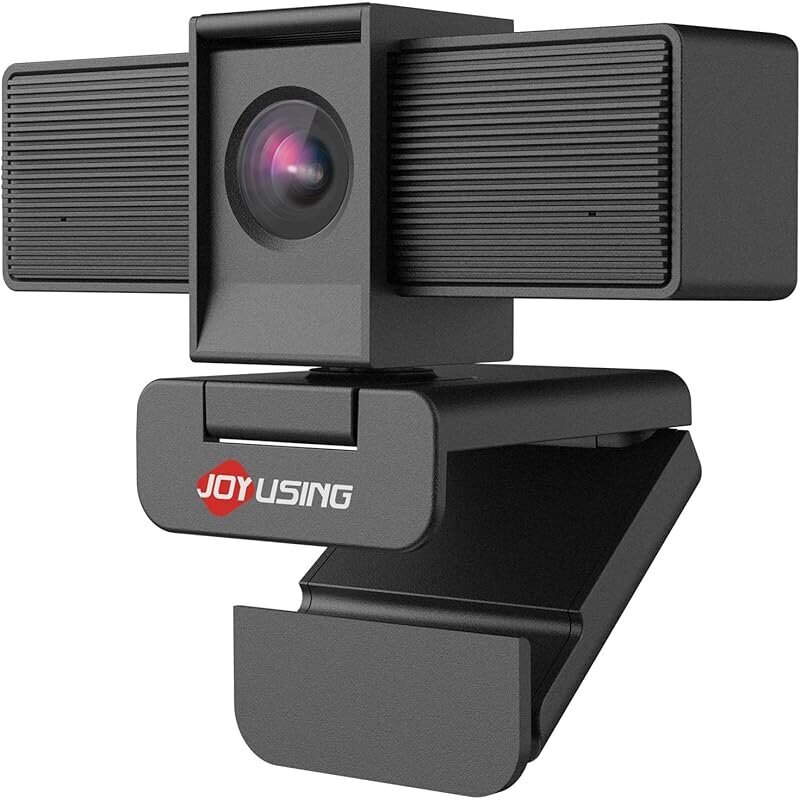
JOYUSING Flip600S 4K Webcam for PC with Tripod - High-Def Clarity
$19.99 $39.99
50% OFF

Hawaiian Floral Summer Porch Goose Outfit with Wind-Resistant Sun Hat
$9.99 $19.99
24% OFF

MUCAR 892BT AI-Assisted Bidirectional OBD2 Scan Tool with ECU Coding (8" Touchscreen)
$478.79 $629.99
77% OFF

NOVETE Smart Countertop Reverse Osmosis Water Filter System with UV & Cooling (CRF0A-Qi)
$99.99 $429.99
36% OFF
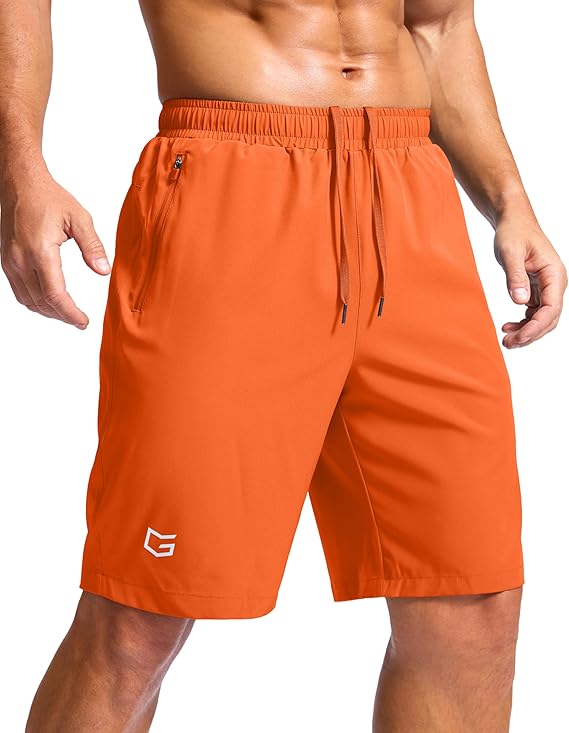
G Gradual Men's Quick Dry Athletic Running Shorts with Zipper Pockets
$12.74 $19.99
17% OFF

X-Sense 10-Year Sealed Battery Combination Smoke and CO Detector (6-Pack, SC06-W)
$225.21 $269.99
50% OFF

18K Gold Plated Initial Pendant Necklace with Reinforced Box Chain
$6.49 $12.99
50% OFF

6-Inch Desktop Pottery Wheel Kit for Beginners with 2.2lb Air Dry Clay
$44.99 $89.98
50% OFF

Portable Folding LED Book Light Night Lamp with Floral Print Cover
$11.99 $23.99
26% OFF

Magnelex American Flag Windshield Sun Shade - High-Resolution UV Reflective Heat Shield (X-Large)
$19.9 $26.9
50% OFF

TailSphere 12-in-1 Turkey Tail Mushroom Immune Support Chews for Dogs (90 Count)
$13.49 $26.99
50% OFF

Aegend Kids Swim Goggles for Toddlers 3-8 with Anti-Fog and No-Hair-Pull Strap
$4.49 $8.99
73% OFF
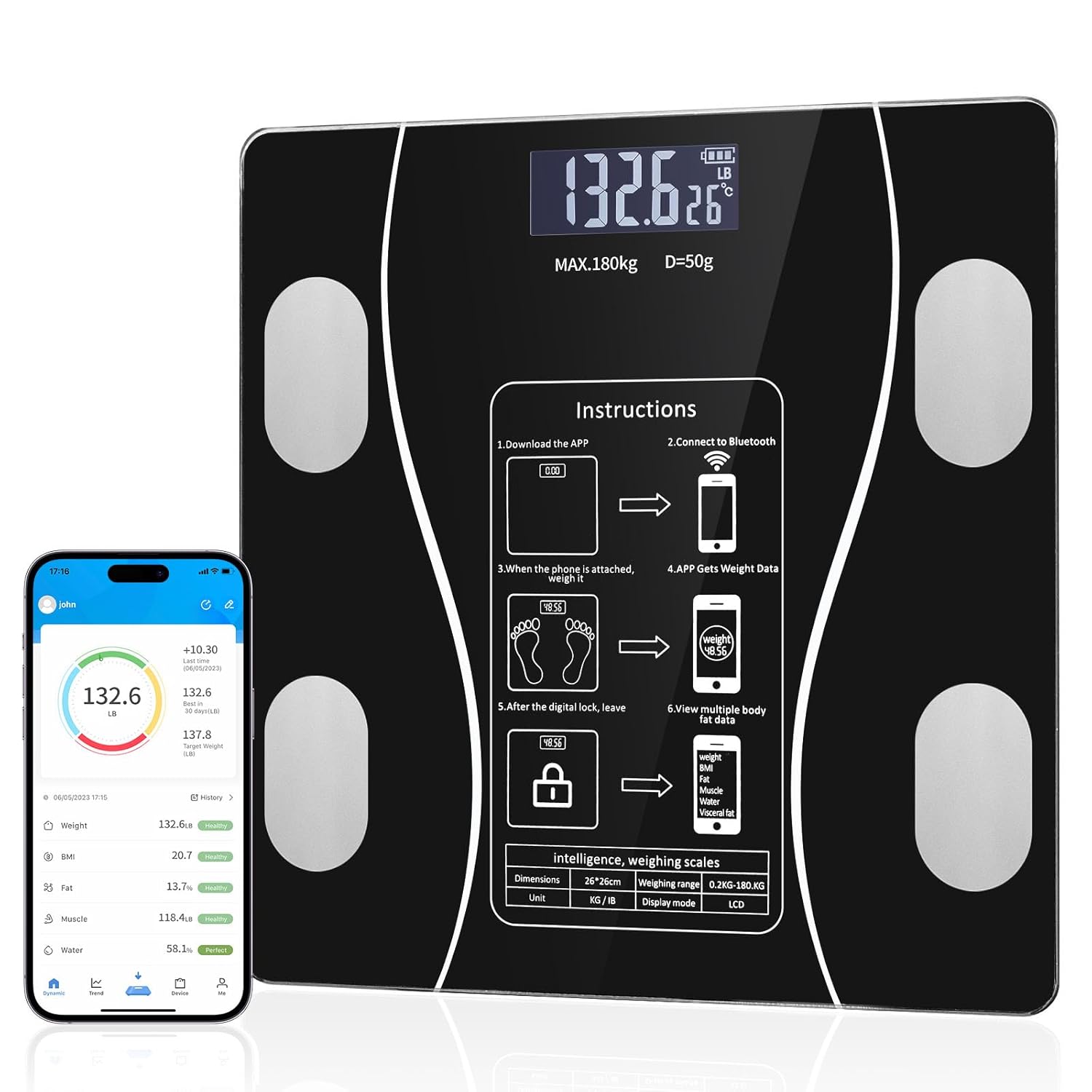
Smart Bluetooth Body Fat Scale with LED Display and Body Composition Analyzer
$21.58 $79.96
73% OFF
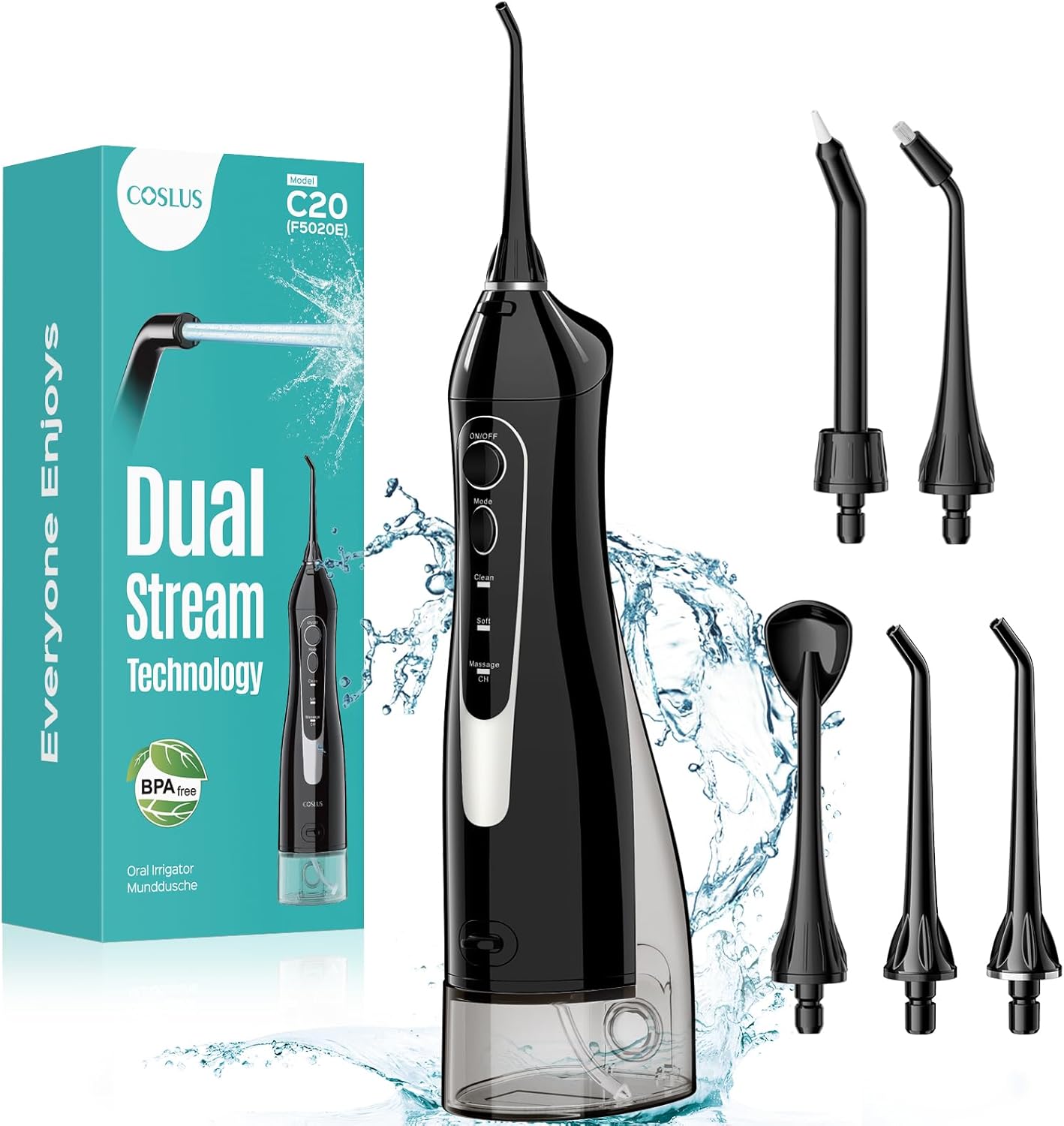
COSLUS C20 Portable Cordless Water Dental Flosser and Oral Irrigator
$7.99 $29.99
29% OFF
Pleco SK01 Solar Powered Robotic Pool Skimmer with App Control (Obsidian & Ivory)
$284.99 $399.99
52% OFF
Cordless Robotic Pool Cleaner C1 with Wall Climbing and App Control (Glossy Black)
$290.69 $599.99
52% OFF
NEWFAST Outdoor WiFi Extender with MU-MIMO and 3 Gigabit Ports (IP66)
$47.99 $99.99
-

Young people are turning to AI more than pastors with their spiritual questions
-

Archbishop of Canterbury meets Chief Rabbi to discuss Jewish community's 'pain' over engagement with pro-Palestinian document
-

Church of England urged to put struggling parishes first in face of 'existential crisis'
-

Why is the Church of England so afraid of ex-gay testimonies?
News
-

Why is the Church of England so afraid of ex-gay testimonies?
-

Worship leader Brian Doerksen dies from stage 4 cancer
-

Erling Haaland buys historic Christian manuscript, donates it to local library
-

Archbishop of Canterbury meets Chief Rabbi to discuss Jewish community's 'pain' over engagement with pro-Palestinian document
-

Mel Gibson warned Passion screenwriter 'Satan's going to come after you'
-

Church of England's justification for slavery reparations is 'a complete joke', says MP
Most Popular
News

Vietnam accused of demonising religious minorities following arrests
Vietnam continues to raise the spectre of a defunct militant group.

Government wedding reforms could open the door to forced marriages, says coalition
The Coalition fears the headline measures of weddings on beaches and in forests may be a smokescreen for something more sinister.

Marriage linked to greater family stability and lower poverty risk, report finds
Parents who marry have a significantly lower chance of separating than those who do not, regardless of income, according to new research.

Education, job and marriage linked to greater financial security among young men
Finish school, get a job, get married - once considered the normal milestones of life - are the key to financial stability among young men, research has found.
UBoter E10 Cordless Robotic Pool Vacuum with Dual-Layer Filtration and Auto Parking
$149.5
OMOTON Magnetic Golf Cart Phone Mount with 5.6-Inch Extendable Arm and 1/4" Thread
$12.99
G Gradual Women's High Waisted Wide Leg Yoga Capri Pants with Pockets
$15
JOYUSING Flip600S 4K Webcam for PC with Tripod - High-Def Clarity
$19.99
Hawaiian Floral Summer Porch Goose Outfit with Wind-Resistant Sun Hat
$9.99
MUCAR 892BT AI-Assisted Bidirectional OBD2 Scan Tool with ECU Coding (8" Touchscreen)
$478.79
NOVETE Smart Countertop Reverse Osmosis Water Filter System with UV & Cooling (CRF0A-Qi)
$99.99
G Gradual Men's Quick Dry Athletic Running Shorts with Zipper Pockets
$12.74
X-Sense 10-Year Sealed Battery Combination Smoke and CO Detector (6-Pack, SC06-W)
$225.21
18K Gold Plated Initial Pendant Necklace with Reinforced Box Chain
$6.49
6-Inch Desktop Pottery Wheel Kit for Beginners with 2.2lb Air Dry Clay
$44.99
Portable Folding LED Book Light Night Lamp with Floral Print Cover
$11.99
Magnelex American Flag Windshield Sun Shade - High-Resolution UV Reflective Heat Shield (X-Large)
$19.9
TailSphere 12-in-1 Turkey Tail Mushroom Immune Support Chews for Dogs (90 Count)
$13.49
Aegend Kids Swim Goggles for Toddlers 3-8 with Anti-Fog and No-Hair-Pull Strap
$4.49
Smart Bluetooth Body Fat Scale with LED Display and Body Composition Analyzer
$21.58
COSLUS C20 Portable Cordless Water Dental Flosser and Oral Irrigator
$7.99
Pleco SK01 Solar Powered Robotic Pool Skimmer with App Control (Obsidian & Ivory)
$284.99
Cordless Robotic Pool Cleaner C1 with Wall Climbing and App Control (Glossy Black)
$290.69
NEWFAST Outdoor WiFi Extender with MU-MIMO and 3 Gigabit Ports (IP66)
$47.99