
We, the Christian and Muslim leaders and scholars gathered for the Conference on A Common Word and Future Muslim-Christian Engagement from 12 to 15 October 2008AD/1429AH, give thanks to Almighty God for the opportunity to meet together and grow in mutual understanding, trust and friendship.
We wish to express our particular gratitude to the His Grace the Archbishop of Canterbury, Dr Rowan Williams, for convening the conference in partnership with the Cambridge Inter-Faith Programme and the Royal Aal Al-Bayt Foundation, and for hosting us at Lambeth Palace.
We are grateful too for the extraordinarily generous hospitality offered by the Colleges and University of Cambridge. We are especially appreciative of Emmanuel College's hosting our opening lectures and dinner, Jesus College for offering facilities for our plenary and group discussions and providing meals, Clare College for dinner and fine
music, as well as the great number of students and staff of the Colleges who never tired of offering cheerful assistance.
We are conscious that our meeting represented the most significant gathering of international Muslim leaders ever to take place in the United Kingdom, matched by a similarly wide diversity of traditions and geographical backgrounds amongst the Christian participants. We were greatly stimulated by the opening addresses to the conference by the Archbishop and His Excellency Dr Ali Gomaa, the Grand Mufti of Egypt, and the responses to their addresses by His Eminence Dr Mustafa Ceri?,
the Grand Mufti of Bosnia Herzegovina and His Beatitude Gregorios III, Melkite Greek-Catholic Patriarch of Antioch & All the East, of Alexandria and of Jerusalem.
We live in an increasingly global world that brings with it increased interdependence. The closer we are drawn together by this globalisation and interdependence, the more urgent is the need to understand and respect one another in order to find a way out of our troubles. Meeting at a time of great turbulence in the world financial system our hearts go out to the many people throughout the world whose lives and livelihood are affected by the current crisis. When a crisis of this magnitude occurs, we are all tempted to think solely of ourselves and our families and ignore the treatment of minorities and the less fortunate. In this conference we are celebrating the shared values of love of God and love of neighbour, the basis of A Common Word, whilst
reflecting self-critically on how often we fall short of these standards. We believe that the divine commandment to love our neighbour should prompt all people to act with compassion towards others, to fulfil their duty of helping to alleviate misery and hardship. It is out of an understanding of shared values that we urge world leaders and our faithful everywhere to act together to ensure that the burden of this financial crisis, and also the global environmental crisis, does not fall unevenly on the weak and the poor. We must seize the opportunity for implementing a more equitable global economic system that also respects our role as stewards of the earth's resources.
Our gathering was timed to coincide with the first anniversary of A Common Word Between Us and You. We unanimously welcomed this letter from Muslim leaders and scholars and the Archbishop's letter A Common Word for the Common Good, noting both their historic, ground-breaking nature and the collegial processes from which they issued. The generous spirit that characterises both letters allowed us, carefully and honestly, to begin exploring areas of potential agreement as well as some of the
difficult issues which have sometimes become the focus for misunderstanding and hostility. We discussed our understanding of scripture, shared moral values, respect for foundational figures, religious freedom and religiously motivated violence.
As we were meeting together, we were deeply troubled to learn of the situation in Mosul (Iraq) where threats to the Christian community have further added to the tragic Iraqi refugee situation. These threats undermine the centuries-old tradition of local Muslims protecting and nourishing the Christian community, and must stop. We are profoundly conscious of the terrible suffering endured by Iraqi people of every creed in recent years and wish to express our solidarity with them. We find no justification in Islam or Christianity for those promoting the insecurity or perpetrating the violence evident in parts of Iraq. We call upon the religious, political and community leaders to do all in their power to promote the return of all persons and communities, including the ancient Christian communities, and ensure a stable environment in which all citizens can flourish. We unequivocally declare that, in Iraq as anywhere else in the world, no person or community should be persecuted or threatened on account of their religious faith. We must all have a particular concern for religious minorities in our midst. We pray that Iraq may find peace and that our two religions may work together to overcome divisions in society, demonstrating faithfulness to the dual commandment to love God and love neighbour.
One of the most moving elements of our encounter has been the opportunity to study together passages from our scriptures. We have felt ourselves to have been together before God and this has given us each a greater appreciation for the richness of the other's heritage as well as an awareness of the potential value in being joined by Jewish believers in a journey of mutual discovery and attentiveness to the texts we hold sacred. We wish to repeat the experience of a shared study of scriptural texts as one of the ways in which we can come, concretely, to develop our understanding of how the other understands and lives their own faith. We commend this experience to others.
Looking towards the future, mindful of the crucial importance of education and inspired by our presence in a great seat of learning, we have also been keen to identify specific ways in which our encounter might be broadened and deepened. We have, therefore, committed ourselves to the following over the coming year:
* To identify and promote the use of educational materials, for all age-groups and in the widest possible range of languages, that we accept as providing a fair reflection of our faiths
* To build a network of academic institutions, linking scholars, students and academic resources, with various committees and teams which can work on shared values
* To identify funds to facilitate exchanges between those training for roles of leadership within our religious communities
* To translate significant texts from our two traditions for the
use of the other.
As we prepare to return, each to our own countries and contexts, we resolve to act on the oft-repeated desire to find the means of ensuring that the two letters we have discussed and the wonderful fruits of our time together are spread amongst our co-religionists; that the spirit of collaboration, mutual respect and desire for greater understanding may be the mark of our relationship for the benefit of all humankind.
To God be the glory for that which has been achieved in these days together, and may God guide us in the right path as we carry forward the work begun.
50% OFF

NEWFAST NF-RE523 AC1200 WiFi Extender - 1200Mbps Dual Band Signal Booster & Internet Repeater
$18.5 $36.99
48% OFF
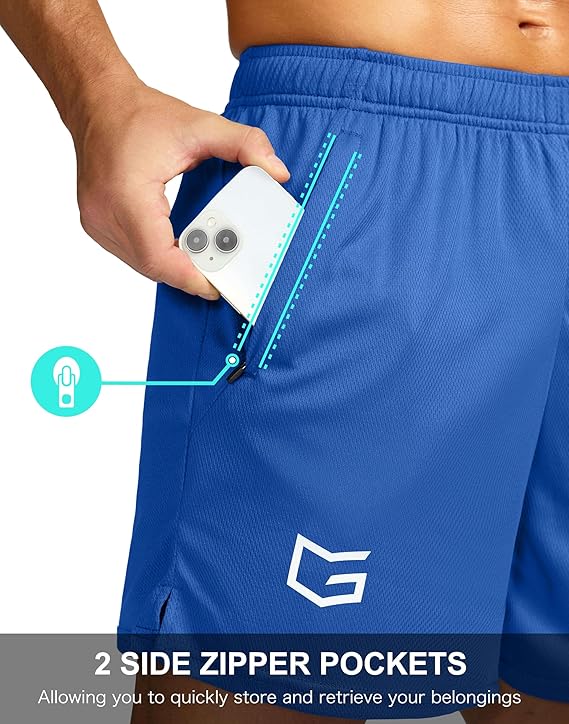
G Gradual Men's 7-inch Workout Running Shorts - Lightweight, Quick-Dry, Comfort
$12.91 $24.99
50% OFF

HDPE All-Weather Adirondack Chair with Built-In Cup Holder - Tool-Free Assembly (Grey)
$69.99 $139.99
60% OFF

HOMETUK Clear Plastic Storage Bins with Dividers - 3-Pack Stackable Acrylic Organizer Containers for Fridge and Pantry
$19.99 $49.99
58% OFF

G Gradual Men's Fishing Shirt - UPF 50+ Lightweight Short Sleeve Button Down with Zipper Pockets
$14.99 $35.99
55% OFF

Everyfun 60" Rectangular Platform Tree Swing - 700lbs Heavy Duty Adjustable Outdoor Swing (Colorful)
$49.99 $110.99
61% OFF

Ekouaer Women's Casual Loose Jumpsuit - One-Piece Printed Sleeveless Wide Leg Romper with Pockets
$14.99 $37.99
40% OFF

ROTAKE TB3 20V Heavy Duty 1/2" Cordless Impact Wrench Kit - 1380 Ft-Lbs Torque
$132 $219.99
36% OFF

Men's Athletic Running Shorts with Zipper Pockets - Lightweight & Quick Dry
$12.74 $19.99
61% OFF

Modern Ceiling Fan with Light and Remote - Reversible Quiet DC Motor
$69.3 $179.99
50% OFF

MOOKA H13 True HEPA Air Purifier for Home Large Room - 1076 sq ft Odor Eliminator
$39.97 $79.95
60% OFF

Ekouaer Women's Satin Silky Pajama Set - Short Sleeve Pullover Top & Wide-Leg Pants
$13.99 $34.99
55% OFF

Ekouaer 3-Piece Maternity & Nursing Pajamas Set - Short Sleeve Top with Shorts and Pants
$14.99 $32.99
11% OFF

VitaUp Beet Root Gummies with CoQ10 & Grape Seed - Nitric Oxide Circulation Support (60 Count)
$24.91 $27.91

Sealy 2-Pack Tritech 16" Twin Inflatable Air Mattress with Built-in AC Pump
$0 $113.99
20% OFF

INTEX Prism Frame 20ft x 52in Above Ground Pool Set - Round Steel Frame Swimming Pool
$695.99 $869.99

Gardner Pet 43" Heavy Duty Dog Crate with Wheels - Indestructible Folding Metal Cage (Black)
$0 $149.99
12% OFF

Elegant Mid-Century Modern Bar Stools - Set of 4
$395.99 $449.99
23% OFF

Ergonomic Office Chair - Big and Tall Desk Chair with Adjustable Lumbar Support
$279.99 $363.99
26% OFF

Magnelex American Flag Windshield Sun Shade - High-Resolution UV Reflective Heat Shield (X-Large)
$19.9 $26.9




-
Historic Lancashire church secures £250,000 National Lottery grant for major roof repairs
-

Sunderland Minster PCC was right to push back over trans toilet sign
-

Report warns religious freedom protections in Mexico exist largely ‘on paper’
-

Bethel Church distances itself from Todd Bentley and Mike Bickle
-

Christian police officer reaches settlement over diversity training discrimination claim
-
Turkey's hidden Christian past: Extraordinary discoveries are rewriting the story of early Christianity
Most Popular
News
Pride and the Gospel: the way of self or the way of Christ?
As Christians, our understanding of pride is shaped not primarily by culture, but by Scripture.
Campaign urging greater support for Christian education
Unite for Education founder, Niel Deepnarain, said Christians must be willing to engage publicly with educational issues rather than remain silent.

Welsh reverend speaks of culture of fear over LGBT issues
Many people have already left the Church in Wales over its stance on same-sex relationships, an evangelical leader has said.
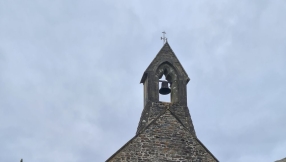
Reddit users declare small Welsh church best place in the world
Users voted to eliminate one half of a map until only one location remained.
NEWFAST NF-RE523 AC1200 WiFi Extender - 1200Mbps Dual Band Signal Booster & Internet Repeater
$18.5
G Gradual Men's 7-inch Workout Running Shorts - Lightweight, Quick-Dry, Comfort
$12.91
HDPE All-Weather Adirondack Chair with Built-In Cup Holder - Tool-Free Assembly (Grey)
$69.99
HOMETUK Clear Plastic Storage Bins with Dividers - 3-Pack Stackable Acrylic Organizer Containers for Fridge and Pantry
$19.99
G Gradual Men's Fishing Shirt - UPF 50+ Lightweight Short Sleeve Button Down with Zipper Pockets
$14.99
Everyfun 60" Rectangular Platform Tree Swing - 700lbs Heavy Duty Adjustable Outdoor Swing (Colorful)
$49.99
Ekouaer Women's Casual Loose Jumpsuit - One-Piece Printed Sleeveless Wide Leg Romper with Pockets
$14.99
ROTAKE TB3 20V Heavy Duty 1/2" Cordless Impact Wrench Kit - 1380 Ft-Lbs Torque
$132
Men's Athletic Running Shorts with Zipper Pockets - Lightweight & Quick Dry
$12.74
Modern Ceiling Fan with Light and Remote - Reversible Quiet DC Motor
$69.3
MOOKA H13 True HEPA Air Purifier for Home Large Room - 1076 sq ft Odor Eliminator
$39.97
Ekouaer Women's Satin Silky Pajama Set - Short Sleeve Pullover Top & Wide-Leg Pants
$13.99
Ekouaer 3-Piece Maternity & Nursing Pajamas Set - Short Sleeve Top with Shorts and Pants
$14.99
VitaUp Beet Root Gummies with CoQ10 & Grape Seed - Nitric Oxide Circulation Support (60 Count)
$24.91
Sealy 2-Pack Tritech 16" Twin Inflatable Air Mattress with Built-in AC Pump
$0
INTEX Prism Frame 20ft x 52in Above Ground Pool Set - Round Steel Frame Swimming Pool
$695.99
Gardner Pet 43" Heavy Duty Dog Crate with Wheels - Indestructible Folding Metal Cage (Black)
$0
Elegant Mid-Century Modern Bar Stools - Set of 4
$395.99
Ergonomic Office Chair - Big and Tall Desk Chair with Adjustable Lumbar Support
$279.99
Magnelex American Flag Windshield Sun Shade - High-Resolution UV Reflective Heat Shield (X-Large)
$19.9