
A new wave of religious freedom is sweeping across Libya, say Christians in the north African country, after three decades of restrictions against the tiny Christian population.
"People are respecting us. They accept us. We are free," says Roman Catholic Bishop Giovanni Martinelli, who is based in Tripoli, the capital of predominantly Muslim Libya.
The 1969 revolution that brought Libyan leader Muammar Qadhafi to power led to church buildings being confiscated and then closed down. Catholics were allowed to keep only two churches, one in Tripoli and the other in Benghazi.
The formal name of the country is the Great Socialist People's Libyan Arab Jamahiriya, but human rights organisations say the country is authoritarian.
"The biggest church was a cathedral, but was turned into a mosque. They took all the churches with the revolution," recalls Martinelli.
But now there are Greek Orthodox, Coptic Orthodox, and Anglican communities, says Bishop Martinelli, a Franciscan monk.
The international community imposed sanctions against Libya in the early 1990s after it was accused of involvement in the bombing of a US airliner over the Scottish town of Lockerbie in 1988. The UN Security Council lifted the sanctions in 2003 when the country accepted responsibility for the attack and agreed to pay compensation to the families of the victims.
During the period of sanctions, the Vatican quietly continued a dialogue with Tripoli. "The sanctions were political," recounts Martinelli, who was jailed by the Libyan authorities in 1986 when the United States bombed Tripoli.
Most worshippers are Africans, mainly illegal migrants, and Asians, and Martinelli now celebrates three services in different languages every Friday, whilst the Muslims go to their mosques. There are Christian services in Korean and English in the morning, and in the afternoon there is a service in Philipino for the Philippine community. On Sunday the Mass is in Arabic.
Recently, and in a spirit of ecumenism, the bishop allowed a Catholic church, which the secular authorities had closed and taken over after the revolution, to be given to the Anglican community in Libya.
The church building dates back to the 17th century. It was rededicated on 9 March, having been restored as part of a project to renovate the old City of Tripoli by a committee set up to protect the local heritage.
Still, the Anglicans can now only repaint the church, and must not add anything to the building. They are not even allowed to erect a cross.
Nevertheless, Anglican, Catholic and Orthodox bishops took part together in the rededication service attended by 300 people, including officials of the "Da'wa Islamiya" (Islamic Call Society).
Simon Martin, an Anglican evangelist, said, "We see this as hand of God."
50% OFF
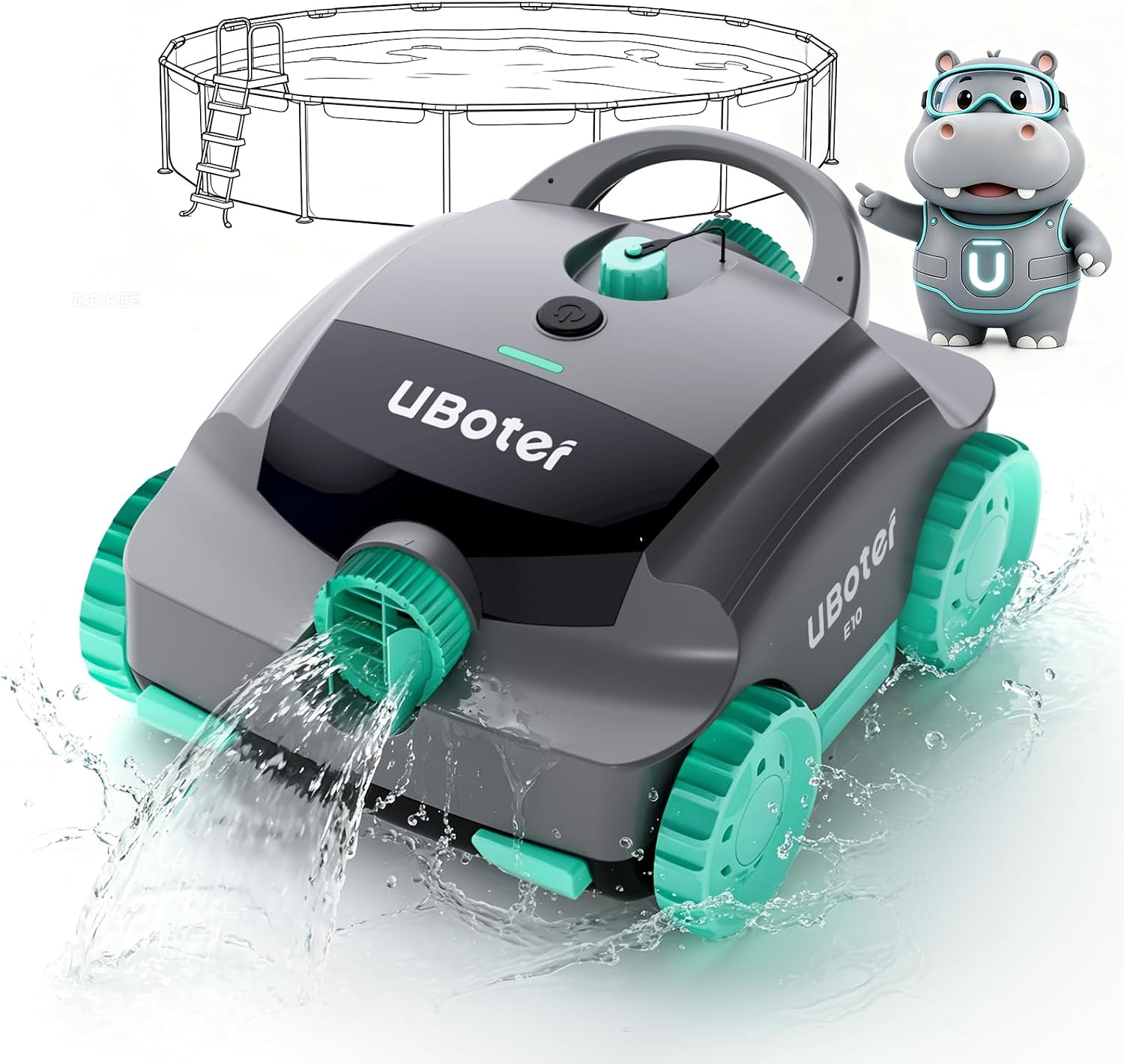
UBoter E10 Cordless Robotic Pool Vacuum with Dual-Layer Filtration and Auto Parking
$149.5 $299.99
68% OFF

OMOTON Magnetic Golf Cart Phone Mount with 5.6-Inch Extendable Arm and 1/4" Thread
$12.99 $39.99
13% OFF
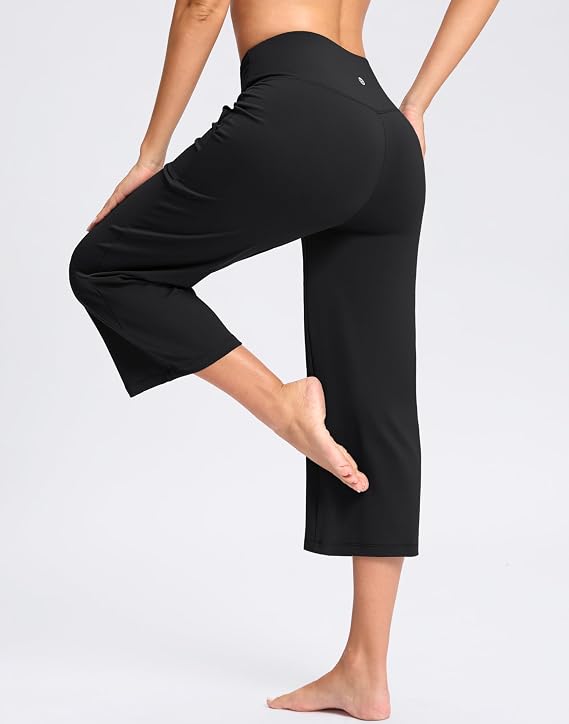
G Gradual Women's High Waisted Wide Leg Yoga Capri Pants with Pockets
$25.99 $29.99
50% OFF
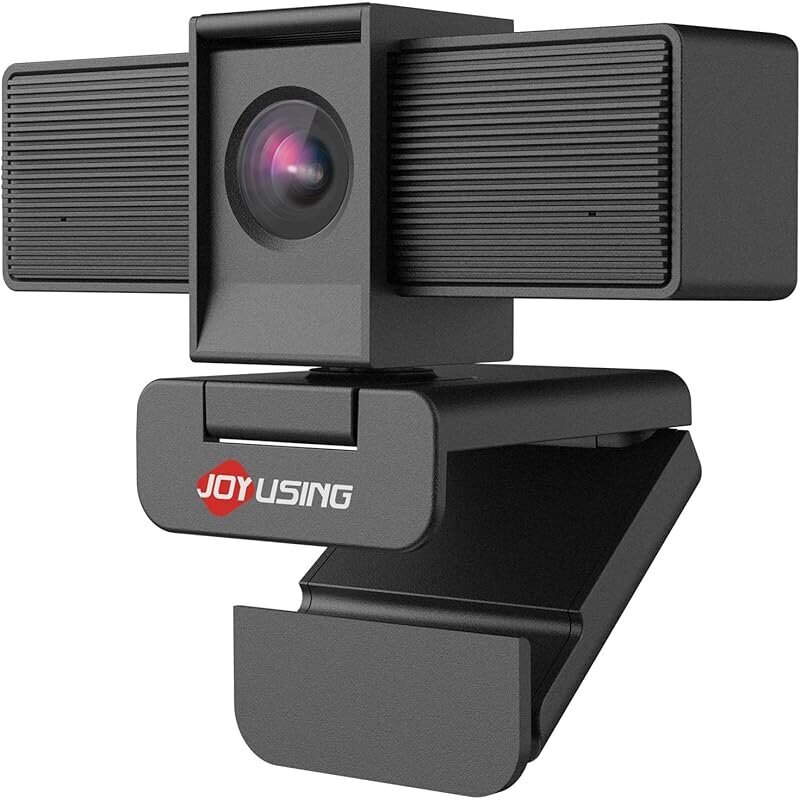
JOYUSING Flip600S 4K Webcam for PC with Tripod - High-Def Clarity
$19.99 $39.99
50% OFF
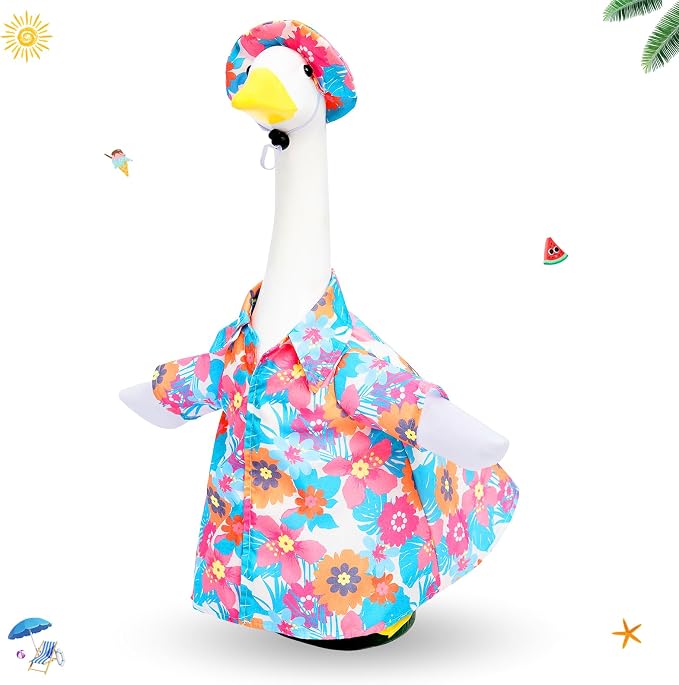
Hawaiian Floral Summer Porch Goose Outfit with Wind-Resistant Sun Hat
$9.99 $19.99
24% OFF
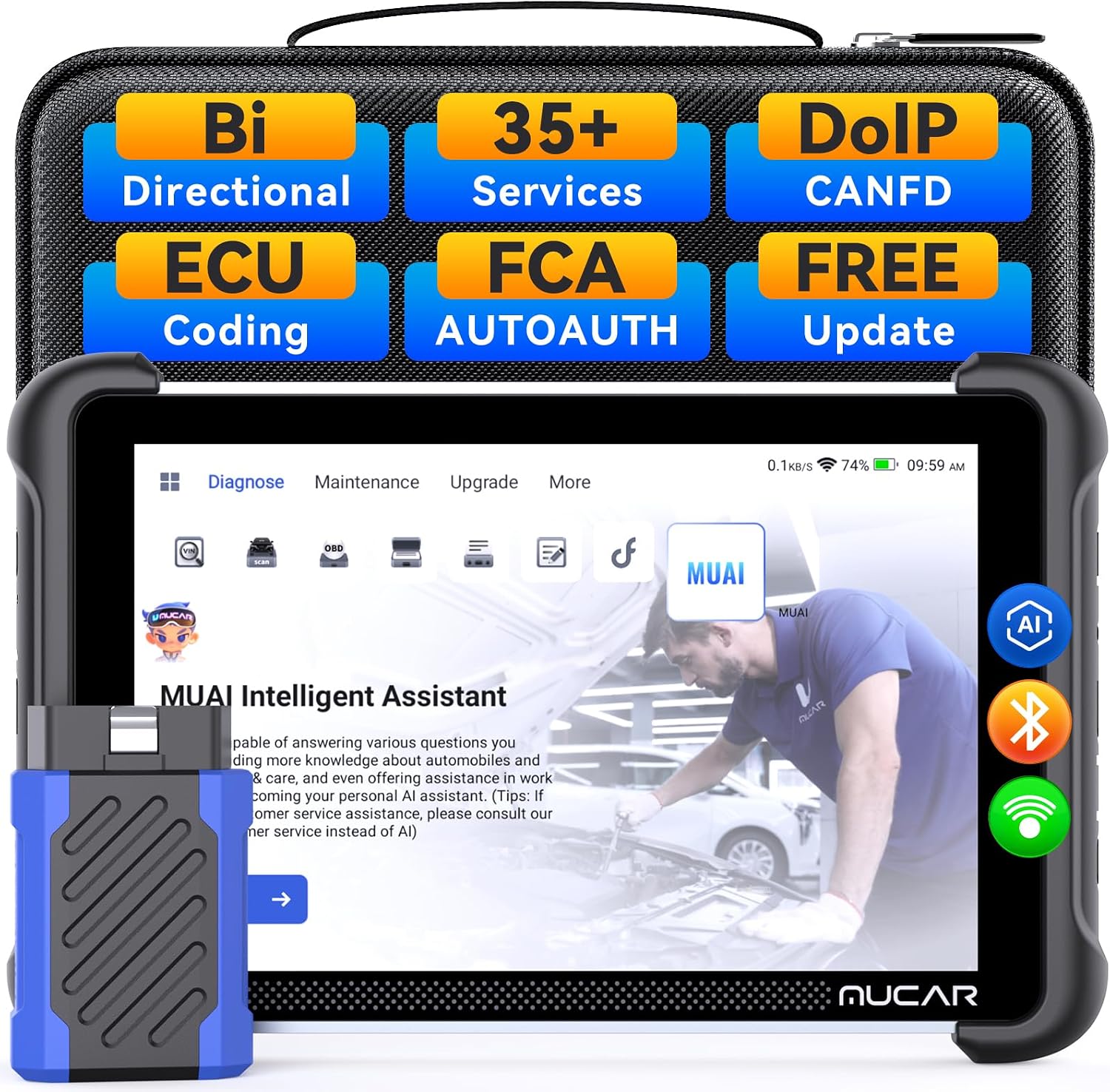
MUCAR 892BT AI-Assisted Bidirectional OBD2 Scan Tool with ECU Coding (8" Touchscreen)
$478.79 $629.99
77% OFF
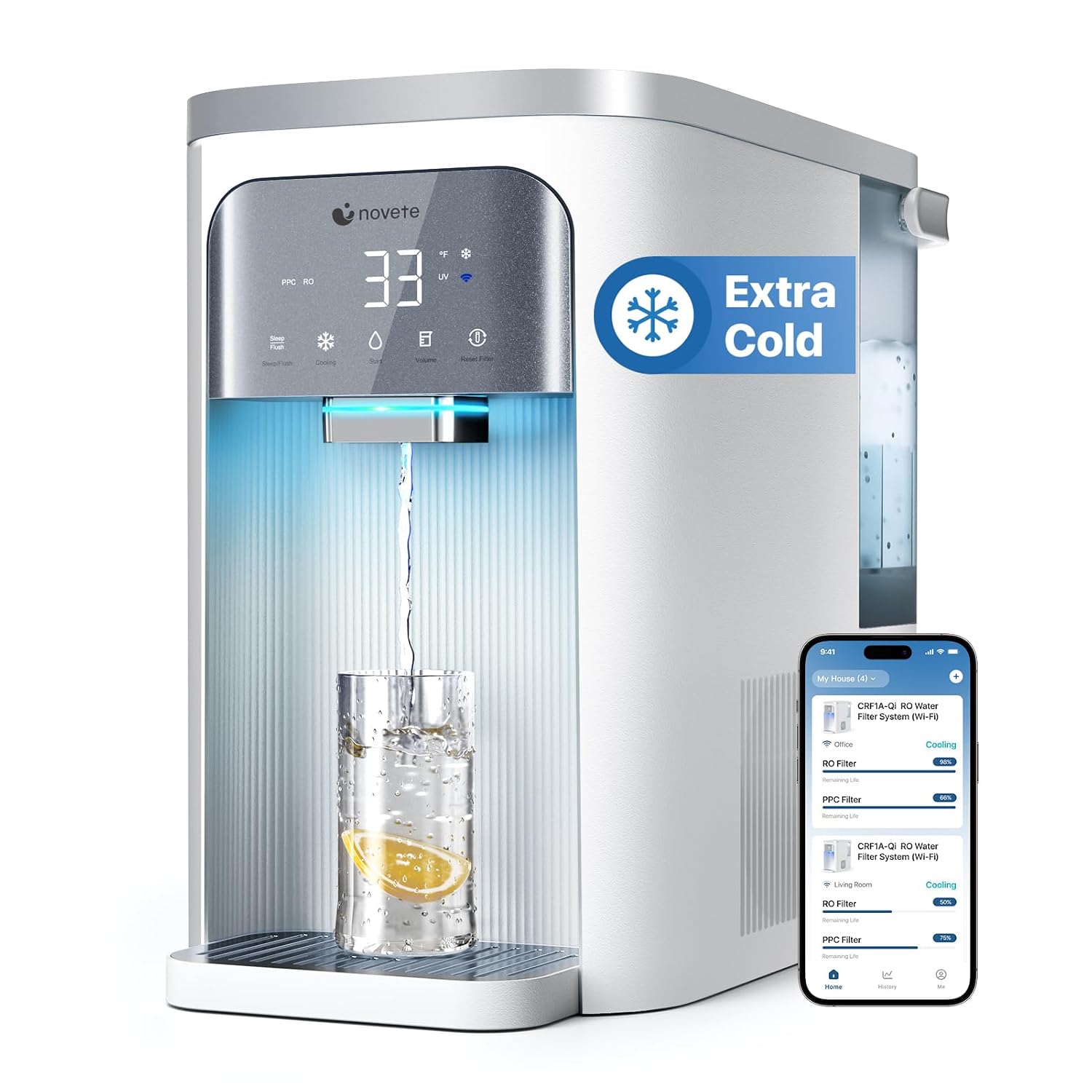
NOVETE Smart Countertop Reverse Osmosis Water Filter System with UV & Cooling (CRF0A-Qi)
$99.99 $429.99
36% OFF
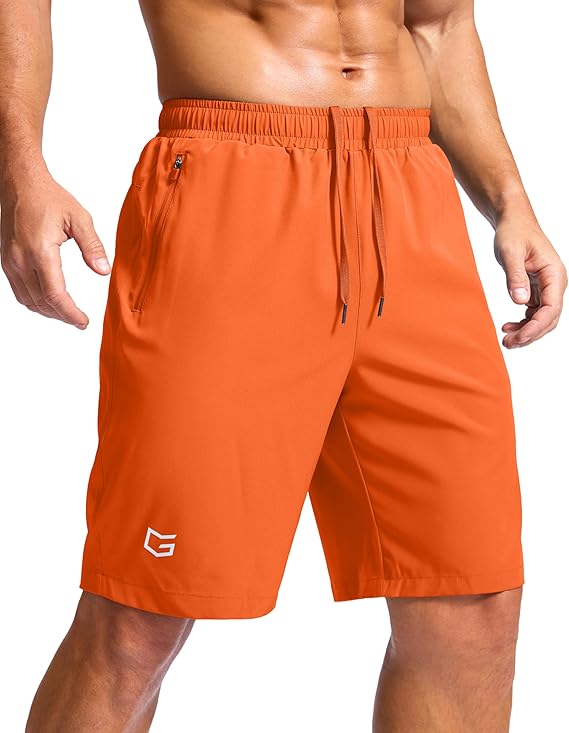
G Gradual Men's Quick Dry Athletic Running Shorts with Zipper Pockets
$12.74 $19.99
17% OFF
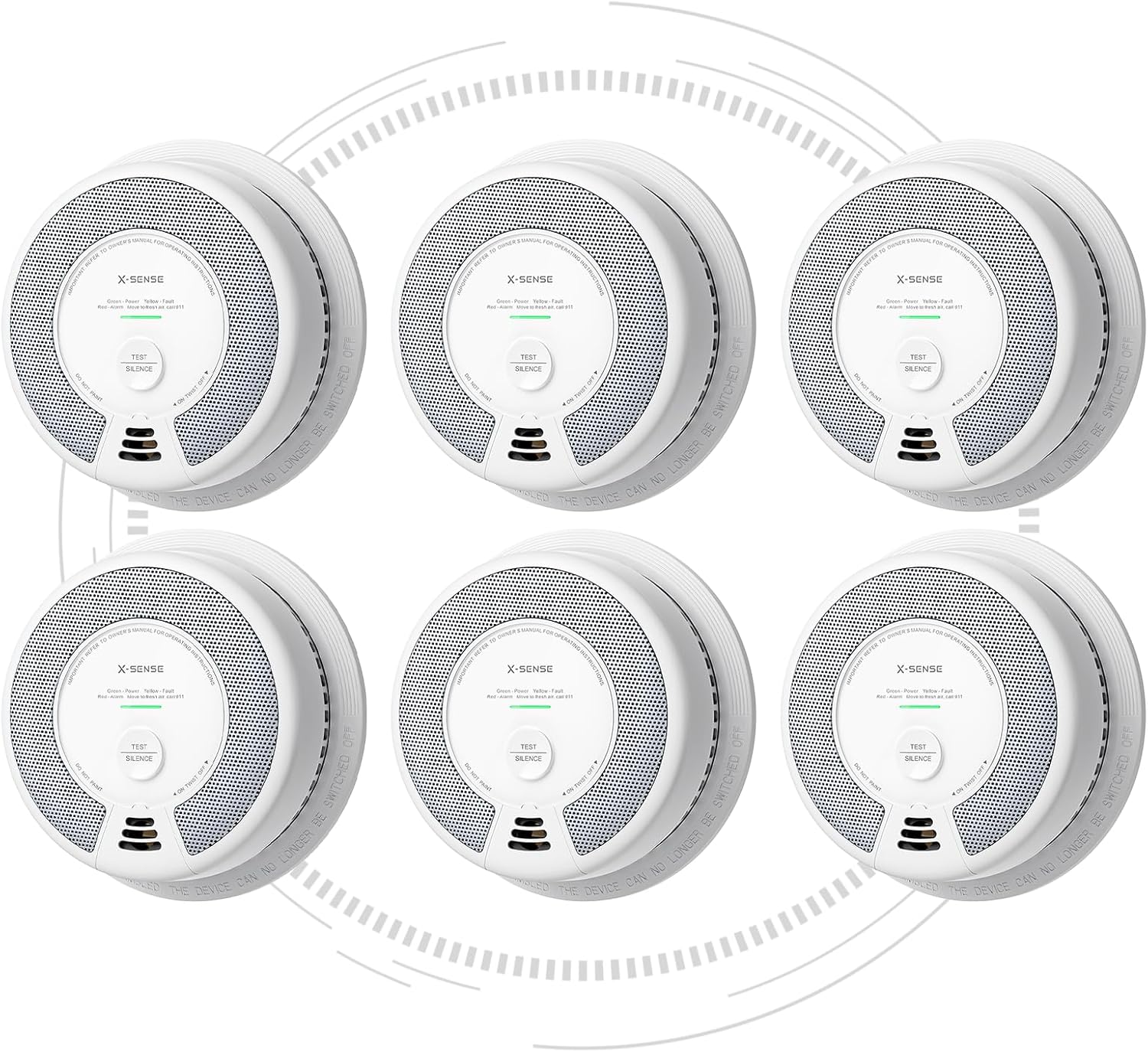
X-Sense 10-Year Sealed Battery Combination Smoke and CO Detector (6-Pack, SC06-W)
$225.21 $269.99
50% OFF
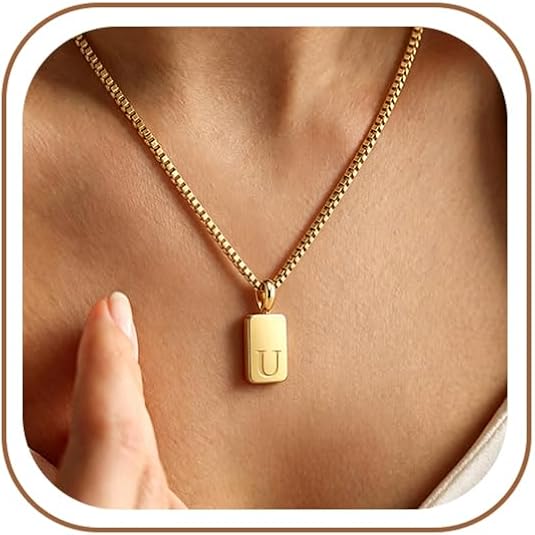
18K Gold Plated Initial Pendant Necklace with Reinforced Box Chain
$6.49 $12.99
50% OFF
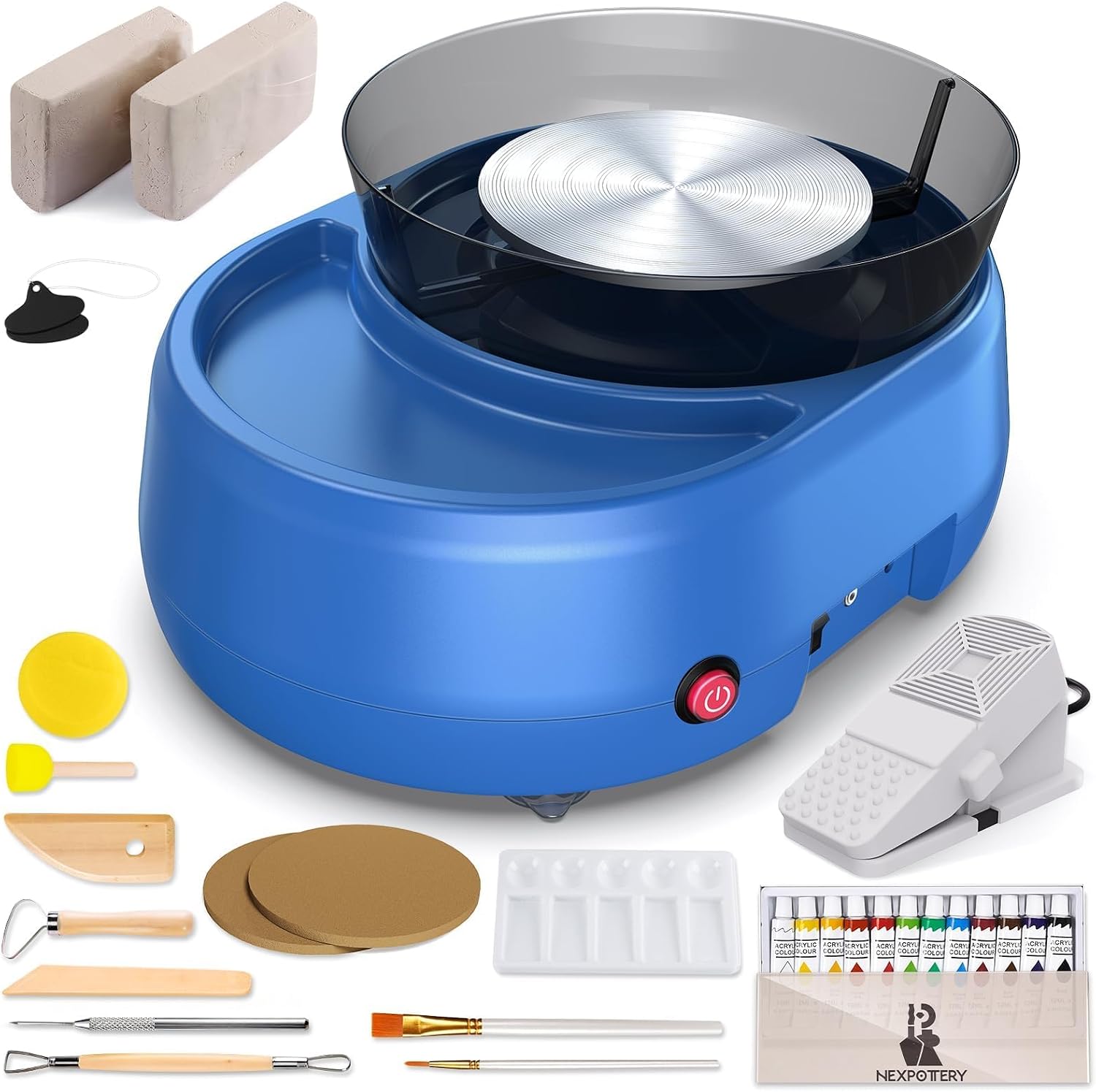
6-Inch Desktop Pottery Wheel Kit for Beginners with 2.2lb Air Dry Clay
$44.99 $89.98
50% OFF
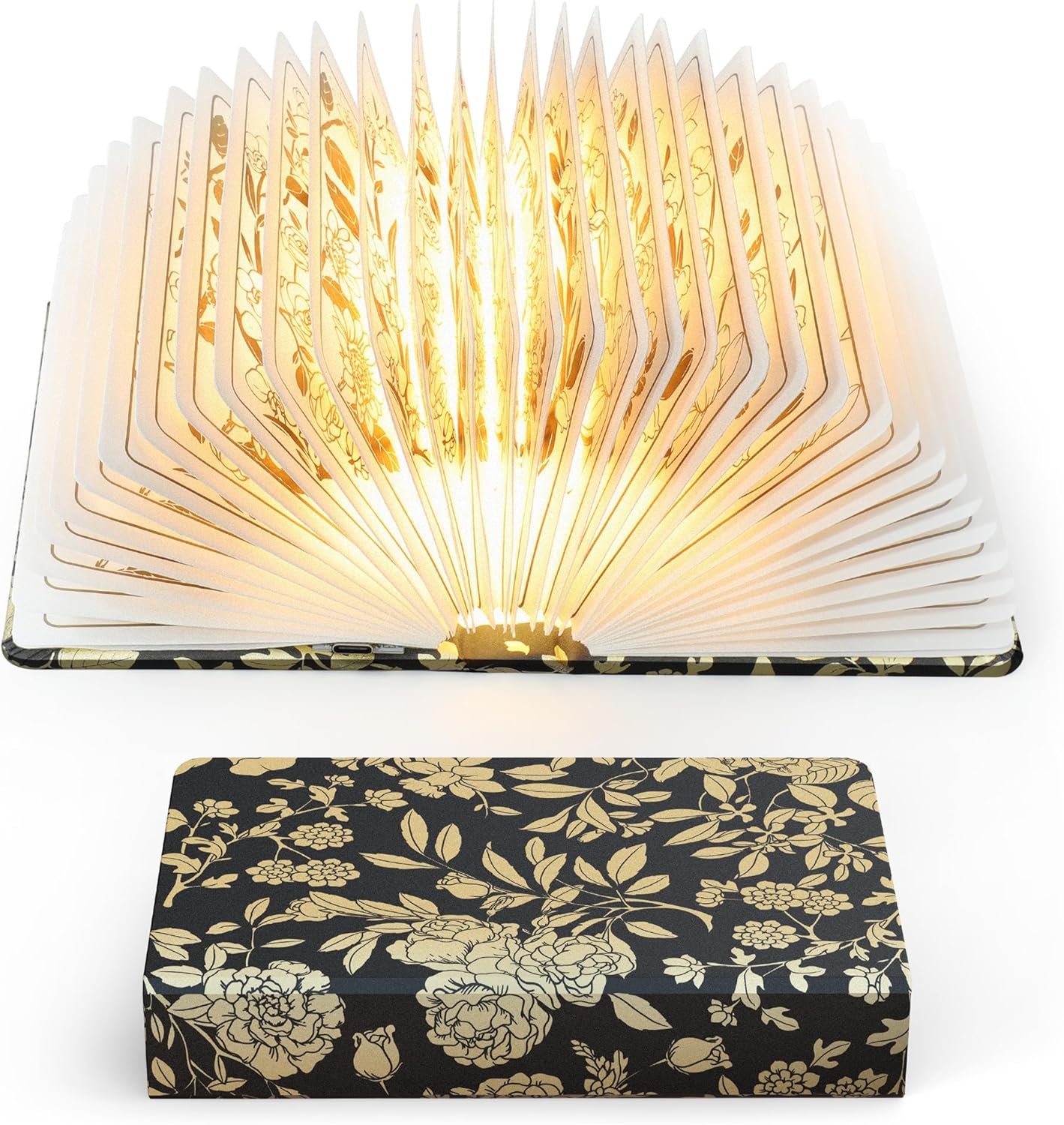
Portable Folding LED Book Light Night Lamp with Floral Print Cover
$11.99 $23.99
26% OFF

Magnelex American Flag Windshield Sun Shade - High-Resolution UV Reflective Heat Shield (X-Large)
$19.9 $26.9
50% OFF

TailSphere 12-in-1 Turkey Tail Mushroom Immune Support Chews for Dogs (90 Count)
$13.49 $26.99
50% OFF
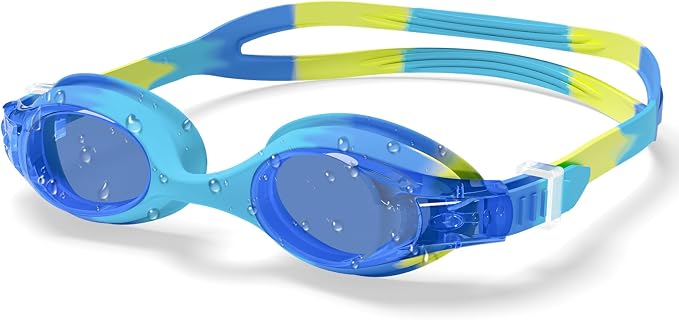
Aegend Kids Swim Goggles for Toddlers 3-8 with Anti-Fog and No-Hair-Pull Strap
$4.49 $8.99
73% OFF
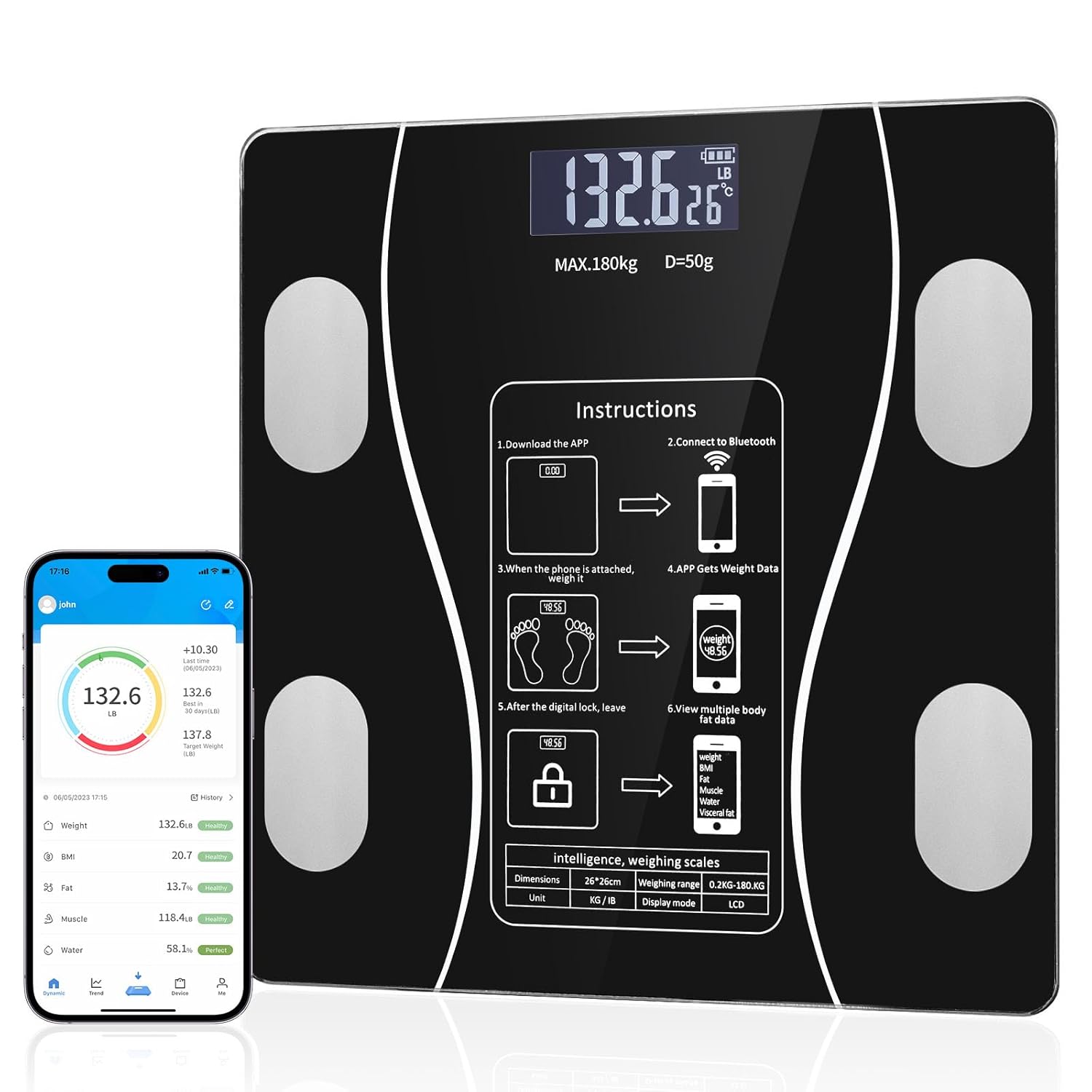
Smart Bluetooth Body Fat Scale with LED Display and Body Composition Analyzer
$21.58 $79.96
73% OFF
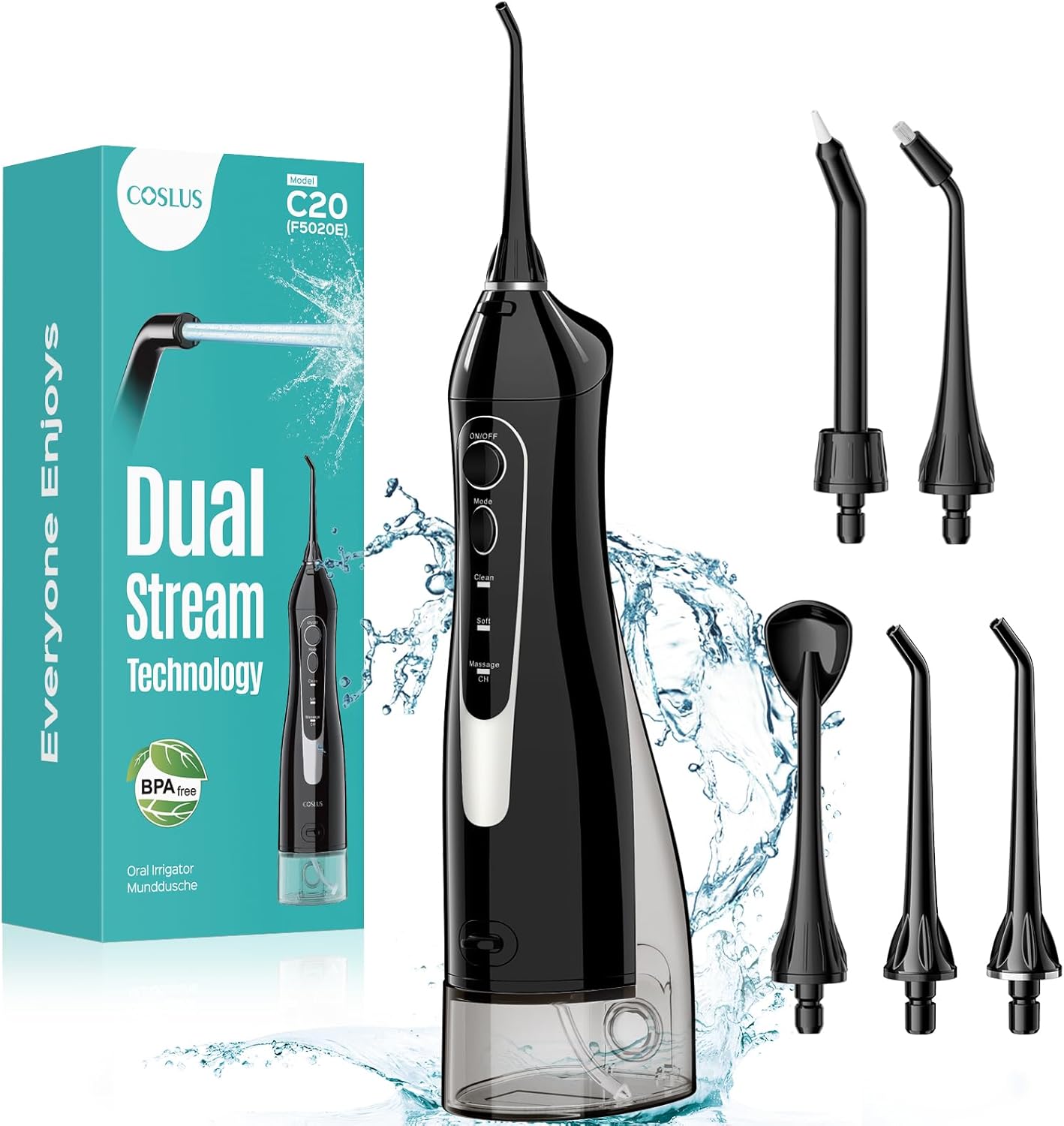
COSLUS C20 Portable Cordless Water Dental Flosser and Oral Irrigator
$7.99 $29.99
29% OFF
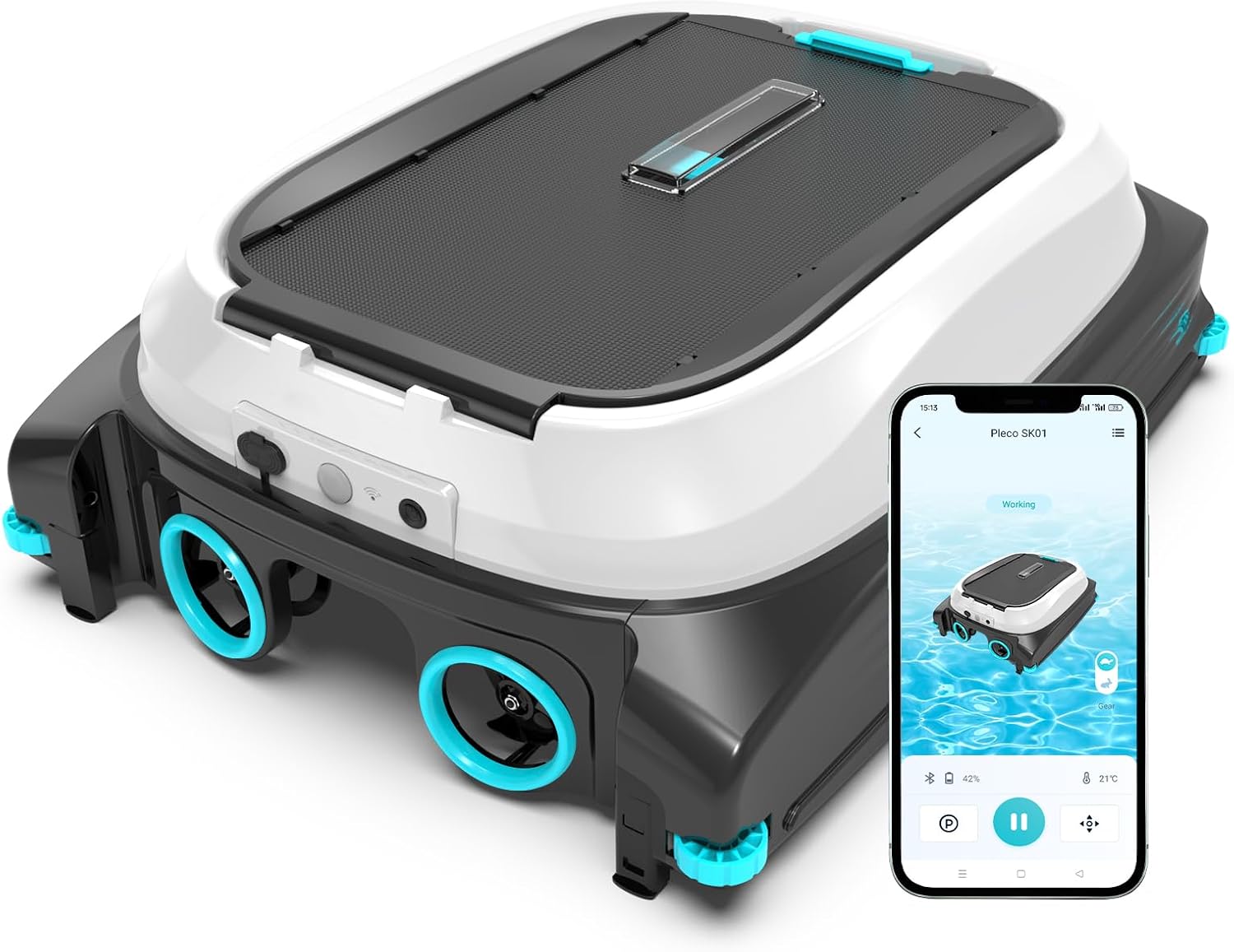
Pleco SK01 Solar Powered Robotic Pool Skimmer with App Control (Obsidian & Ivory)
$284.99 $399.99
52% OFF
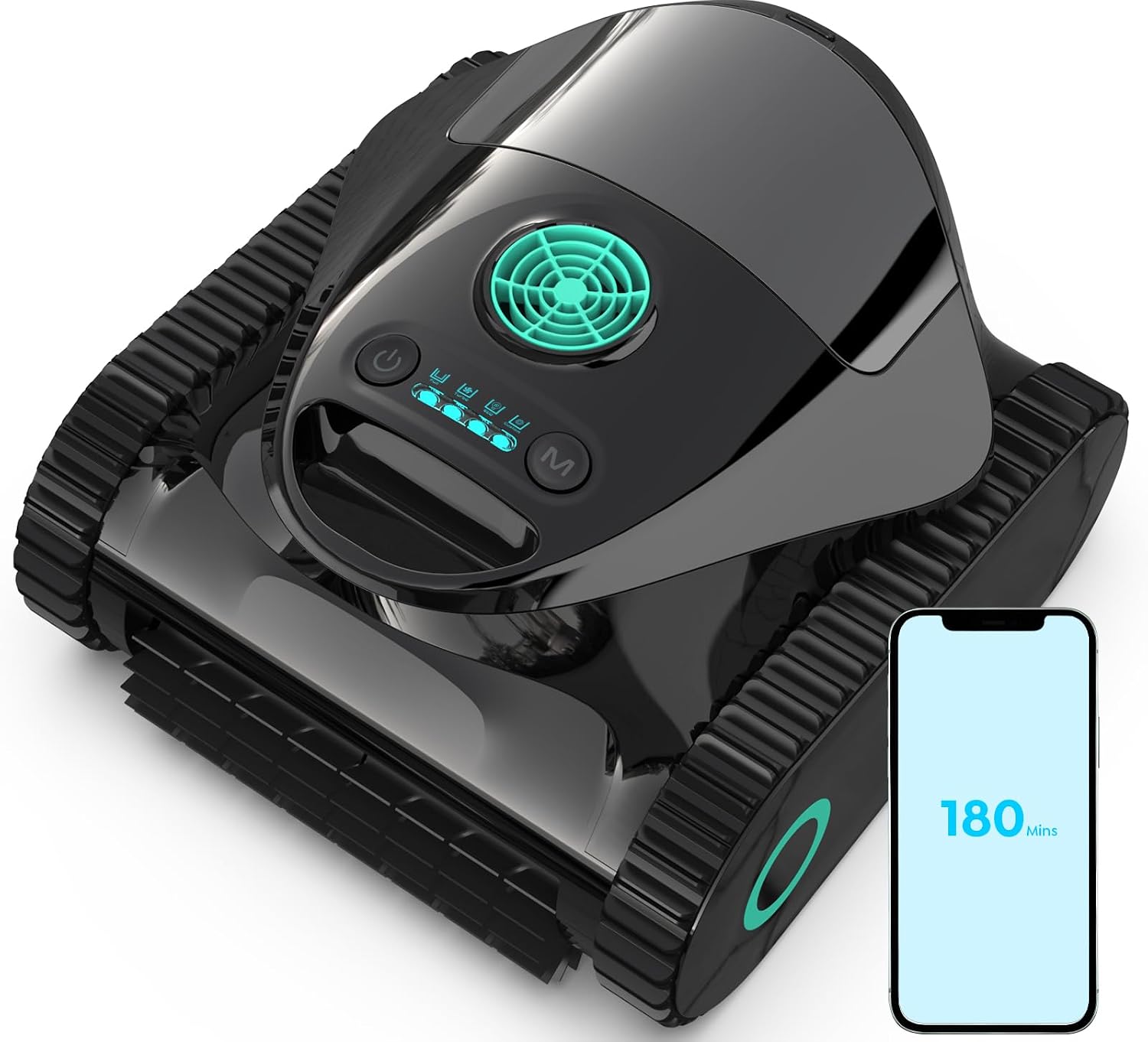
Cordless Robotic Pool Cleaner C1 with Wall Climbing and App Control (Glossy Black)
$290.69 $599.99
52% OFF
NEWFAST Outdoor WiFi Extender with MU-MIMO and 3 Gigabit Ports (IP66)
$47.99 $99.99
-
Young adults are finding faith online but it's personal relationships that are bringing them to church, report finds
-
Archbishop of Canterbury meets Chief Rabbi to discuss Jewish community's 'pain' over engagement with pro-Palestinian document
-
The story of St Maughold, patron saint of the Isle of Man
-
Why is the Church of England so afraid of ex-gay testimonies?
News
-
Worship leader Brian Doerksen dies from stage 4 cancer
-

Amnesty International is 'anti-Christian'
-

Erling Haaland buys historic Christian manuscript, donates it to local library
-

New guidance published to help churches use AI wisely
-

Church of England engagement with pro-Palestine document will add to rising antisemitism, says Bishop of Blackburn
-
Why is the Church of England so afraid of ex-gay testimonies?
Most Popular
News
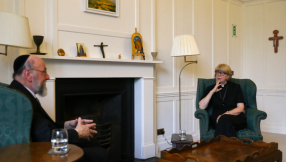
Archbishop of Canterbury meets Chief Rabbi to discuss Jewish community's 'pain' over engagement with pro-Palestinian document
The Church of England General Synod vote to "hear" the controversial Kairos II document dismayed the Jewish community as well as some Christians who launched their own declaration against it.
Why is the Church of England so afraid of ex-gay testimonies?
Is it really the case that the existence of former homosexuals will not be acknowledged by the Church of England?
Retired bishop forcibly disappeared in Nicaragua
The current whereabouts of the bishop remains unclear
Appeal for aid as DRC Ebola death toll reaches 1,000
Misinformation and lack of awareness have added to the challenges of tackling the disease.
UBoter E10 Cordless Robotic Pool Vacuum with Dual-Layer Filtration and Auto Parking
$149.5
OMOTON Magnetic Golf Cart Phone Mount with 5.6-Inch Extendable Arm and 1/4" Thread
$12.99
G Gradual Women's High Waisted Wide Leg Yoga Capri Pants with Pockets
$25.99
JOYUSING Flip600S 4K Webcam for PC with Tripod - High-Def Clarity
$19.99
Hawaiian Floral Summer Porch Goose Outfit with Wind-Resistant Sun Hat
$9.99
MUCAR 892BT AI-Assisted Bidirectional OBD2 Scan Tool with ECU Coding (8" Touchscreen)
$478.79
NOVETE Smart Countertop Reverse Osmosis Water Filter System with UV & Cooling (CRF0A-Qi)
$99.99
G Gradual Men's Quick Dry Athletic Running Shorts with Zipper Pockets
$12.74
X-Sense 10-Year Sealed Battery Combination Smoke and CO Detector (6-Pack, SC06-W)
$225.21
18K Gold Plated Initial Pendant Necklace with Reinforced Box Chain
$6.49
6-Inch Desktop Pottery Wheel Kit for Beginners with 2.2lb Air Dry Clay
$44.99
Portable Folding LED Book Light Night Lamp with Floral Print Cover
$11.99
Magnelex American Flag Windshield Sun Shade - High-Resolution UV Reflective Heat Shield (X-Large)
$19.9
TailSphere 12-in-1 Turkey Tail Mushroom Immune Support Chews for Dogs (90 Count)
$13.49
Aegend Kids Swim Goggles for Toddlers 3-8 with Anti-Fog and No-Hair-Pull Strap
$4.49
Smart Bluetooth Body Fat Scale with LED Display and Body Composition Analyzer
$21.58
COSLUS C20 Portable Cordless Water Dental Flosser and Oral Irrigator
$7.99
Pleco SK01 Solar Powered Robotic Pool Skimmer with App Control (Obsidian & Ivory)
$284.99
Cordless Robotic Pool Cleaner C1 with Wall Climbing and App Control (Glossy Black)
$290.69
NEWFAST Outdoor WiFi Extender with MU-MIMO and 3 Gigabit Ports (IP66)
$47.99