
BONDANG, South Korea - Around 300 missionaries, leading missiologists, and denominational leaders met to discuss future strategies for Chinese missions during a recent conference held in South Korea.
The three-day "China Mission 2007" conference, which was hosted by the China Mission Association, was held last week under the theme "Rise, China Churches".
"God's great hope is in China," said the Rev Thomas Wang, a prominent Chinese evangelical leader, at the conference's opening ceremony last Monday. "We will be able to learn about effective China mission through this event."
Wang added that "Korea is the greatest mission country in Asia", and if the Chinese church is to "gain victory, it is through unity of Korean and Chinese churches".
Emphasising the shared heritage of Korean and Chinese Christians, honorary-speaker Linz Ping mentioned that the first Western missionary to Korea was actually planning to go to China, but instead went to Korea upon the request of Robert Morrison, the first Christian Protestant missionary in China.
International Unity
Throughout the conference, speakers emphasised the need for Christians of both nations to learn from one another.
Wang urged the Korean church to widen its understanding of Chinese history as well as to learn the difference between house churches and the government-controlled Three-Self Church.
The evangelist also reminded the audience that the ultimate goal of Chinese mission is not only to bring the gospel to China, but to engage Chinese missionaries and Chinese churches for world missions.
"As the country with the fastest growth rate of Christians, China will continue to grow under foundation of numerous martyrs whom have spilled their blood throughout the past," said the Rev Kim Seung-sahm, Secretary General of the Korea World Missions Association (KWMA).
Security was tight throughout the conference as many of the attendants were members of the "underground" church in China.
The main meeting area was tightly-monitored, and only people issued with a nametag and photo ID were allowed entrance. Recording equipment including cameras and camcorders were strictly prohibited.
All participants at the conference were also asked to identify themselves as "brothers" or "sisters" rather then using their official title.
Over 50 Chinese Christians from overseas also attended the event.
"I always had a great interest in China mission and I came here with a great expectation of having an indirect experience of China mission," stated "Brother Jung" from the Church of Love.
"I attended because I wanted to receive grace and vision," commented another believer identifying himself as "Brother Sung".
A Christian named "Do", who is preparing for a mission trip to China, said that he hoped to quickly learn mission strategies for China.
"The feeling and hope I had for China while I was studying theology in Taiwan and language in New Zealand is revived," he added. "I think I will be challenged."
200 Years of Chinese Missions
The missions conference also featured a photo exhibition marking the 200th anniversary of the arrival of Robert Morrison, the Scottish missionary who is credited with printing the first Chinese-language Bible in addition to being the first Christian Protestant missionary in China.
A significant number of photographs from the exhibition came from the personal collection of honorary speakers Linz Ping, the Rev Thomas Wang and Lee Young-chul of KWMA, alongside those of many representatives from overseas Chinese churches.
The exhibition displayed 180 pictures covering 200 years of China missions, which also showcased the life of Robert Morrison and his work in China, alongside those of other pioneering missionaries.
Rare pictures of Hudson Taylor - regarded as the father of the "Inland Mission" movement in China - also found their place among those representing his brainchild, the China Inland Mission.
Also on display through the conference were booths set up by ten major mission organisations - including Young Disciples of Jesus, China Gospel Ministry, Chinese Language Mission Ministry, WEC (Worldwide Evangelisation Crusade) International, and Hope International.
Special lectures at the conference were led by Yu Byoung-gook, WEC Korea representative; Linz Ping, professor of Graduate School of Religion at Chung Yuan Christian University in Taiwan; Ben Yun Po, underground house church leader and author of the poem "Nameless Missionary"; Wi Pu, a Chinese scholar; Lee Byoung-wook, professor and author of "Doctor Evangelist King"; and the Rev Lee Jae-hwan, event commission representative.
Christian Today Correspondents in South Korea contributed to this report.
50% OFF

NEWFAST NF-RE523 AC1200 WiFi Extender - 1200Mbps Dual Band Signal Booster & Internet Repeater
$18.5 $36.99
48% OFF
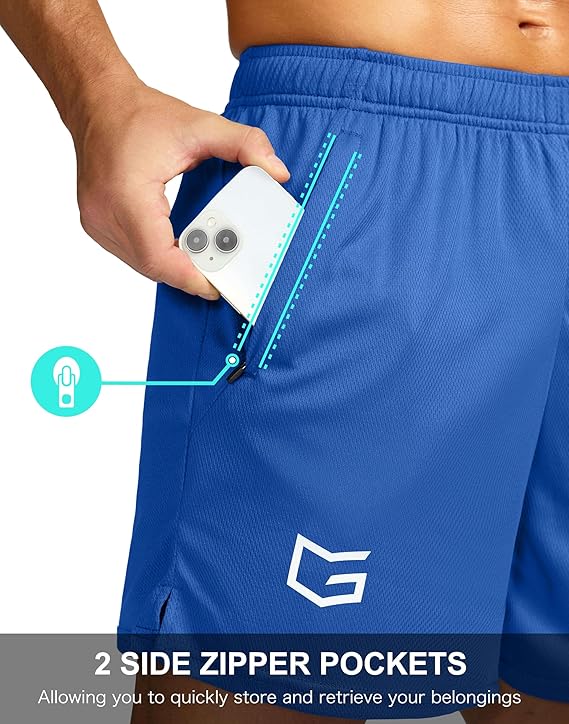
G Gradual Men's 7-inch Workout Running Shorts - Lightweight, Quick-Dry, Comfort
$12.91 $24.99
50% OFF

HDPE All-Weather Adirondack Chair with Built-In Cup Holder - Tool-Free Assembly (Grey)
$69.99 $139.99
60% OFF

HOMETUK Clear Plastic Storage Bins with Dividers - 3-Pack Stackable Acrylic Organizer Containers for Fridge and Pantry
$19.99 $49.99
58% OFF

G Gradual Men's Fishing Shirt - UPF 50+ Lightweight Short Sleeve Button Down with Zipper Pockets
$14.99 $35.99
55% OFF

Everyfun 60" Rectangular Platform Tree Swing - 700lbs Heavy Duty Adjustable Outdoor Swing (Colorful)
$49.99 $110.99
61% OFF

Ekouaer Women's Casual Loose Jumpsuit - One-Piece Printed Sleeveless Wide Leg Romper with Pockets
$14.99 $37.99
40% OFF
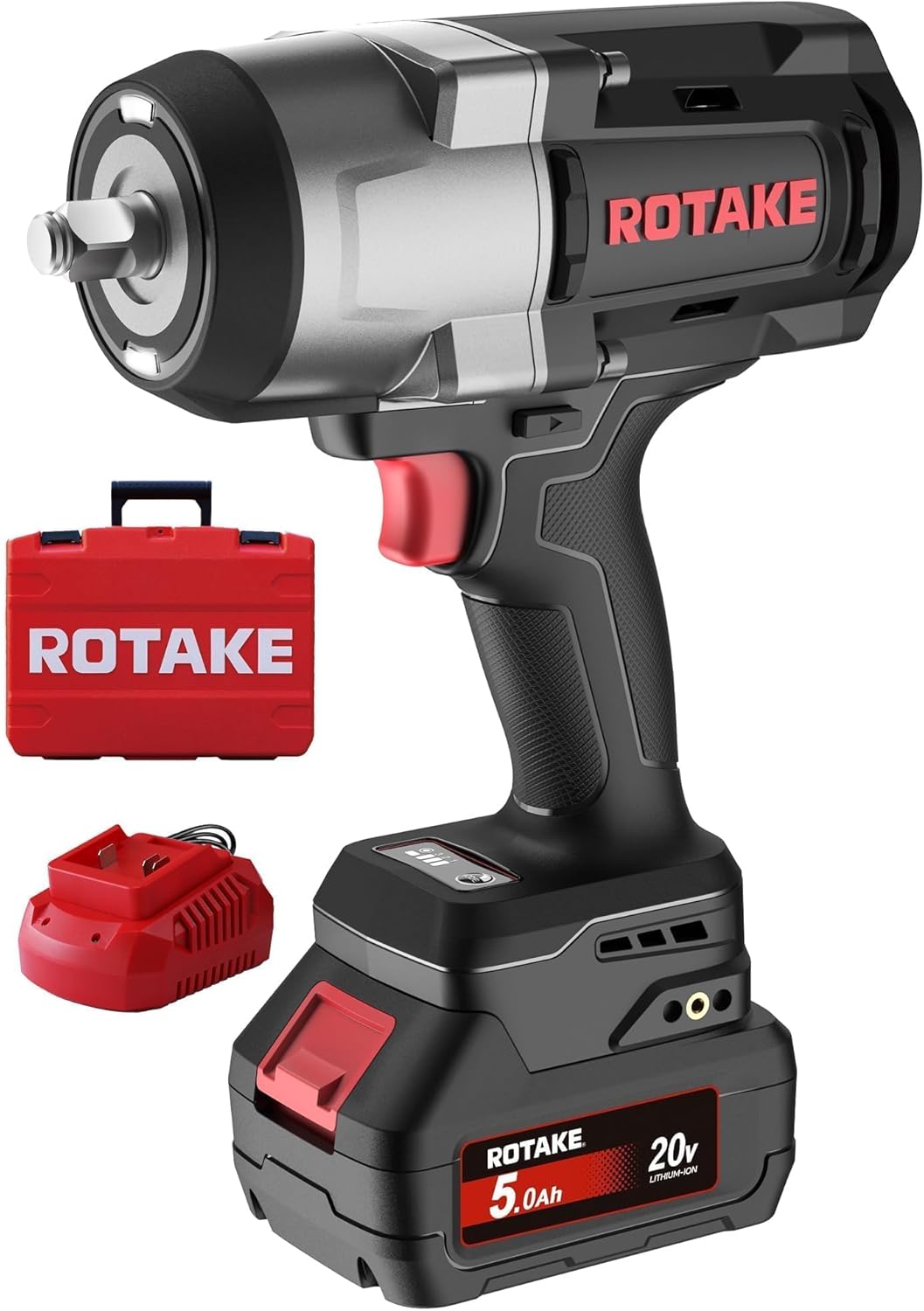
ROTAKE TB3 20V Heavy Duty 1/2" Cordless Impact Wrench Kit - 1380 Ft-Lbs Torque
$132 $219.99
36% OFF

Men's Athletic Running Shorts with Zipper Pockets - Lightweight & Quick Dry
$12.74 $19.99
61% OFF

Modern Ceiling Fan with Light and Remote - Reversible Quiet DC Motor
$69.3 $179.99
50% OFF

MOOKA H13 True HEPA Air Purifier for Home Large Room - 1076 sq ft Odor Eliminator
$39.97 $79.95
60% OFF

Ekouaer Women's Satin Silky Pajama Set - Short Sleeve Pullover Top & Wide-Leg Pants
$13.99 $34.99
55% OFF

Ekouaer 3-Piece Maternity & Nursing Pajamas Set - Short Sleeve Top with Shorts and Pants
$14.99 $32.99
11% OFF

VitaUp Beet Root Gummies with CoQ10 & Grape Seed - Nitric Oxide Circulation Support (60 Count)
$24.91 $27.91

Sealy 2-Pack Tritech 16" Twin Inflatable Air Mattress with Built-in AC Pump
$0 $113.99
20% OFF

INTEX Prism Frame 20ft x 52in Above Ground Pool Set - Round Steel Frame Swimming Pool
$695.99 $869.99

Gardner Pet 43" Heavy Duty Dog Crate with Wheels - Indestructible Folding Metal Cage (Black)
$0 $149.99
12% OFF

Elegant Mid-Century Modern Bar Stools - Set of 4
$395.99 $449.99
23% OFF

Ergonomic Office Chair - Big and Tall Desk Chair with Adjustable Lumbar Support
$279.99 $363.99
26% OFF

Magnelex American Flag Windshield Sun Shade - High-Resolution UV Reflective Heat Shield (X-Large)
$19.9 $26.9




-

Historic Lancashire church secures £250,000 National Lottery grant for major roof repairs
-

Sunderland Minster PCC was right to push back over trans toilet sign
-

Report warns religious freedom protections in Mexico exist largely ‘on paper’
-

Bethel Church distances itself from Todd Bentley and Mike Bickle
-

Christian police officer reaches settlement over diversity training discrimination claim
-
Turkey's hidden Christian past: Extraordinary discoveries are rewriting the story of early Christianity
Most Popular
News

Pride and the Gospel: the way of self or the way of Christ?
As Christians, our understanding of pride is shaped not primarily by culture, but by Scripture.
Campaign urging greater support for Christian education
Unite for Education founder, Niel Deepnarain, said Christians must be willing to engage publicly with educational issues rather than remain silent.

Welsh reverend speaks of culture of fear over LGBT issues
Many people have already left the Church in Wales over its stance on same-sex relationships, an evangelical leader has said.
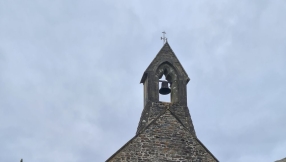
Reddit users declare small Welsh church best place in the world
Users voted to eliminate one half of a map until only one location remained.
NEWFAST NF-RE523 AC1200 WiFi Extender - 1200Mbps Dual Band Signal Booster & Internet Repeater
$18.5
G Gradual Men's 7-inch Workout Running Shorts - Lightweight, Quick-Dry, Comfort
$12.91
HDPE All-Weather Adirondack Chair with Built-In Cup Holder - Tool-Free Assembly (Grey)
$69.99
HOMETUK Clear Plastic Storage Bins with Dividers - 3-Pack Stackable Acrylic Organizer Containers for Fridge and Pantry
$19.99
G Gradual Men's Fishing Shirt - UPF 50+ Lightweight Short Sleeve Button Down with Zipper Pockets
$14.99
Everyfun 60" Rectangular Platform Tree Swing - 700lbs Heavy Duty Adjustable Outdoor Swing (Colorful)
$49.99
Ekouaer Women's Casual Loose Jumpsuit - One-Piece Printed Sleeveless Wide Leg Romper with Pockets
$14.99
ROTAKE TB3 20V Heavy Duty 1/2" Cordless Impact Wrench Kit - 1380 Ft-Lbs Torque
$132
Men's Athletic Running Shorts with Zipper Pockets - Lightweight & Quick Dry
$12.74
Modern Ceiling Fan with Light and Remote - Reversible Quiet DC Motor
$69.3
MOOKA H13 True HEPA Air Purifier for Home Large Room - 1076 sq ft Odor Eliminator
$39.97
Ekouaer Women's Satin Silky Pajama Set - Short Sleeve Pullover Top & Wide-Leg Pants
$13.99
Ekouaer 3-Piece Maternity & Nursing Pajamas Set - Short Sleeve Top with Shorts and Pants
$14.99
VitaUp Beet Root Gummies with CoQ10 & Grape Seed - Nitric Oxide Circulation Support (60 Count)
$24.91
Sealy 2-Pack Tritech 16" Twin Inflatable Air Mattress with Built-in AC Pump
$0
INTEX Prism Frame 20ft x 52in Above Ground Pool Set - Round Steel Frame Swimming Pool
$695.99
Gardner Pet 43" Heavy Duty Dog Crate with Wheels - Indestructible Folding Metal Cage (Black)
$0
Elegant Mid-Century Modern Bar Stools - Set of 4
$395.99
Ergonomic Office Chair - Big and Tall Desk Chair with Adjustable Lumbar Support
$279.99
Magnelex American Flag Windshield Sun Shade - High-Resolution UV Reflective Heat Shield (X-Large)
$19.9