
Researcher Paul Bickley has accused both sides in the AV debate of making “spurious” claims about changing the voting system.
On May 5, the nation will head to the polls to vote on whether or not Britain’s ‘first past the post’ voting system should be replaced by the ‘alternative vote’, or AV.
Under the current system, voters are asked to choose just one candidate and the winning candidate is the one who secures the most votes.
With AV, voters list the candidates in order of preference, with the least popular eliminated one by one and the votes redistributed among second preferences until someone receives more than 50 per cent of the vote.
Bickley, senior researcher at the think tank Theos, said the ‘Yes’ and ‘No’ campaigns were “guilty of making spurious claims and of seeking to draw their energy from public anger against politicians”.
Writing for the London Institute of Contemporary Christianity, he suggested that the first past the post and the AV systems are more similar than people realise.
“What neither campaign admits is that the systems are very similar – close cousins, if not siblings: both operate on the basis of single member constituencies, and therefore suffer from many of the same advantages and disadvantages,” he said.
Contrary to the claims of AV supporters, Bickley said an AV system would not eliminate ‘safe seats’ because they are a “product not of voting systems but of entrenched and predictable voting patterns”.
AV supporters claim that the system would mean MPs have to work harder to secure half the vote, thereby reducing the number of safe seats, or MPs with ‘jobs for life’.
The ‘No’ campaign claims that AV would be damaging for politics because it would lead to more hung parliaments and ‘backroom deals’.
Bickley pointed to grey areas in both systems.
“Neither system makes a virtue of proportionality, nor gives space to smaller parties who attract a significant number of votes spread thinly (the Green Party or UKIP, for example),” he said.
“Hung parliaments are marginally more likely under AV, but are no certainty - especially when the Liberal Democrats perform poorly.”
Bickley is the co-author of a new report to help voters understand the AV referendum, ‘Counting on reform’.
Although both campaigns have enlisted celebrities to woo votes, he said public interest in the AV referendum remained “stubbornly unlit”.
He added that the debate was symbolic of a fundamental disagreement about how a democracy could achieve the legitimate exercise of power and be held to account.
He concluded: “The question at play in the debate is not just whether to say yes or no to AV, but what vision of democracy is more realistic, coherent, or consistent? And perhaps, we might add, which is more Christian?”



-

Edinburgh University ends divinity programmes as theology faces a changing future
-

Why the Archbishop of Canterbury’s award controversy matters
-

More than one in four US Protestant churchgoers believe some biblical truths become outdated
-

Catholicism in France has 'collapsed'
-

Christian leaders issue ‘sober and urgent call’ for Western Church to prepare for disruption
-

Australia's anti-therapy laws harm the most vulnerable - Britain should not copy them
Most Popular
News

Active faith linked to happier marriages and lower divorce rates, study finds
People who regularly attend church are more likely to report happy marriages, according to a new report examining the relationship between faith and family life.
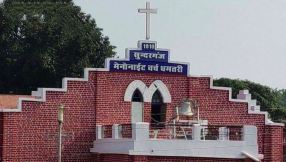
Indian churches fearing anti-conversion laws tell non-Christians: enter at your own risk
Churches in Dhamtari, a town in the central Indian state of Chhattisgarh, have put up notices warning non-Christians that they enter at their own risk, weeks after a law against religious conversion came into force in the state.

£1k bursaries to help churches develop youth and community mentoring programmes
Churches across the UK are being offered bursaries to help them establish mentoring programmes aimed at supporting young people and others in their communities.
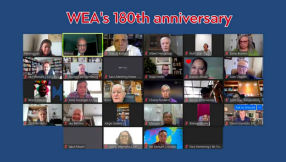
World Evangelical Alliance celebrates 180th anniversary
The World Evangelical Alliance (WEA) has held an online celebration to mark its 180th anniversary. Hundreds of people from more than 22 countries attended, and the event was rebroadcast to accommodate different time zones.








