
The World Council of Churches has announced that decisions at its 9th Assembly next year in Porto Alegre will take place using consensus voting. Specially designed ‘indicator cards’ will be one of the new initiatives introduced at the assembly, and will see blue and orange cards be given to delegates to vote with on issues.
|PIC1|The new scheme will see the old parliamentary majority voting method thrown out, as the delegates come together for the historical gathering to decide the future direction and focus of the WCC works for the next 8 years.
The changes have not been embraced by all however. Many who have expressed their support for the alterations have stated their expectancy of a fundamental renewal of dialogue within the fellowship of churches and the work culture, report the WCC. On the other hand, those opposed to the variation have said they are afraid that controversial questions will be left out so that the consensus will not be endangered.
A WCC Committee member from the Religious Society of Friends in the USA, Eden Grace told, “On the contrary, I hope that more controversial issues will be heard. No-one needs to fear to be trapped in a vote any longer.”
In fact, the Religious Society of Friends has used the consensus model for voting for over 300 years, and Grace testified, “The consensus model is about a spirit of open listening. We don't just accumulate more messages in favour than against. We work towards a common mind, seeking the mind of Christ.”
Many have stated that the consensus model should not just be looked at simply as a change in procedure, but a new building of a culture in which all members can have a place.
An Orthodox US lawyer and central committee member from the Greek Orthodox Patriarchate of Antioch and all the East, USA, Anne Glynn-Mackoul said, “Debating in the parliamentary style creates an atmosphere of ‘for or against' rather than supporting co-operative listening and thinking.”|QUOTE|
Grace and Glynn-Mackoul were members of a Special Commission on Orthodox Participation in the WCC. It was established by the 8th WCC Assembly in Harare in 1998 to address Orthodox concerns with the direct priorities of the council.
The Special Commission put forward a number of proposals in 2002, and among them was the consensus model, and in February of this year the WCC Central Committee adopted the suggestion with a unanimous vote in favour.
The WCC has made sure that the consensus model cannot be abused and used as a simple power of veto to every single member. A majority of 85% will still be enough to enforce on a final vote in a deadlock situation. The only situation that is not possible is when a matter arises that puts the self-understanding of a member church into question.
To allow delegates to understand the new measures more efficiently, the WCC will be providing a manual on the consensus procedure, and a training sessions will be held to prepare committee moderators before the assembly.
|TOP|The manual states that when delegates follow a hearing with “warmth towards an idea or acceptance of it”, they can signal this to the moderator with an orange card. The blue card shows “coolness or disapproval”.
In addition, if both cards are crossed in front of the chest while a speaker is still at the microphone, this silently indicates to the moderator that prolonging debate is not seen as helpful by the delegates.
Rev. Dr D'Arcy Wood, former president of the Uniting Church in Australia, where the consensus model was introduced ten years ago testified, “Our model is more free-flowing and flexible. More people are included in the 'wording' of decisions. This leads to much higher levels of satisfaction, and more ownership of decisions. More people have become actively involved in the implementation.”
The WCC has stated that this is exactly what it wishes to achieve in its decision-making process at the assembly in the future. A WCC press release states, “The diversity of contributions will not, it is hoped, separate churches, but enrich the fellowship and the life of every church.”
49% OFF
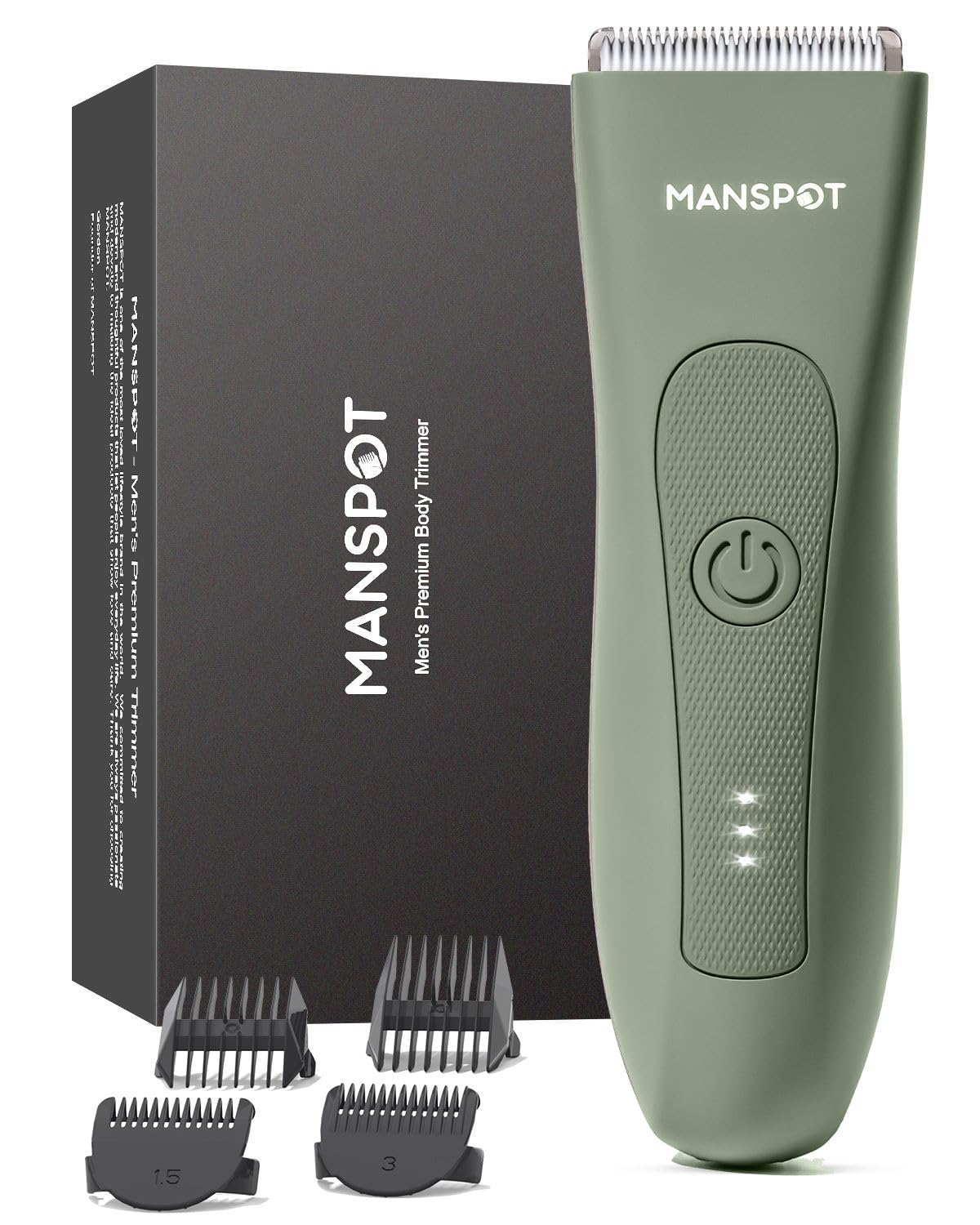
MANSPOT Electric Pubic Hair Trimmer - Waterproof Body and Groin Shaver for Men and Women (Black)
$20.39 $40
25% OFF

Lick-Safe Dog Paw and Nose Balm Stick - All-Natural Moisturizer with Coconut Oil for Dry, Cracked Pads and Snout
$11.69 $15.59
77% OFF
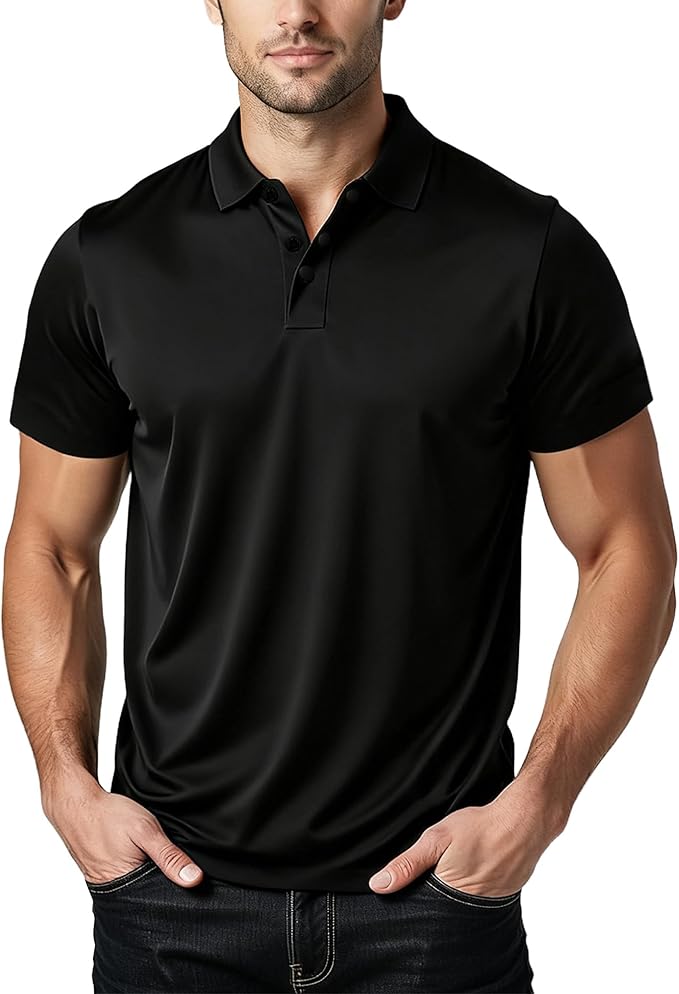
Men's Quick Dry Moisture Wicking Polo Shirt - High Elasticity Slim Fit Athletic Top (Runs Small)
$6.99 $29.99
46% OFF
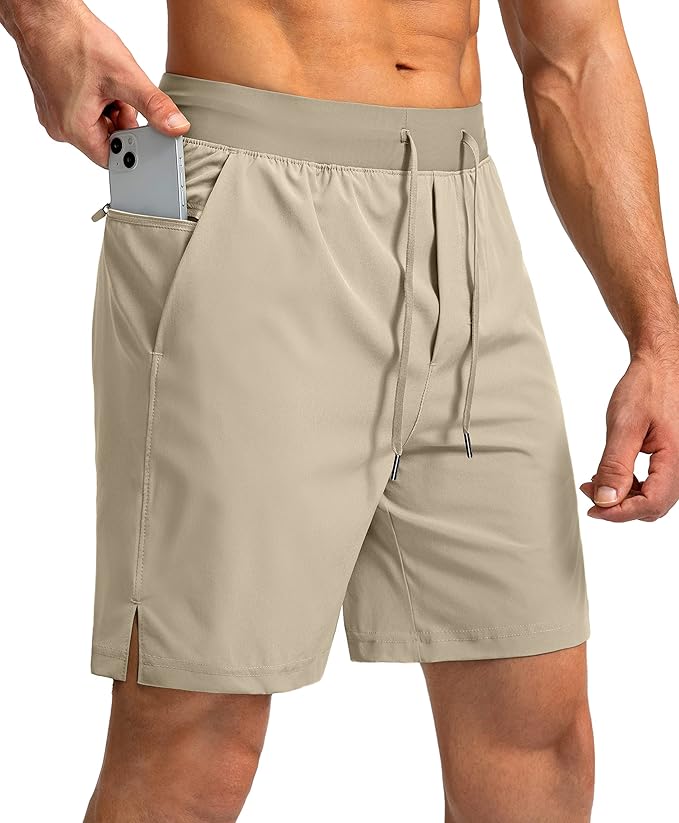
Men's Running Shorts with Zipper Pockets - Lightweight, Quick-Dry, Multi-Sport
$12.95 $23.99
50% OFF

NEWFAST NF-RE523 AC1200 WiFi Extender - 1200Mbps Dual Band Signal Booster & Internet Repeater
$18.5 $36.99
48% OFF

G Gradual Men's 7-inch Workout Running Shorts - Lightweight, Quick-Dry, Comfort
$12.91 $24.99
30% OFF
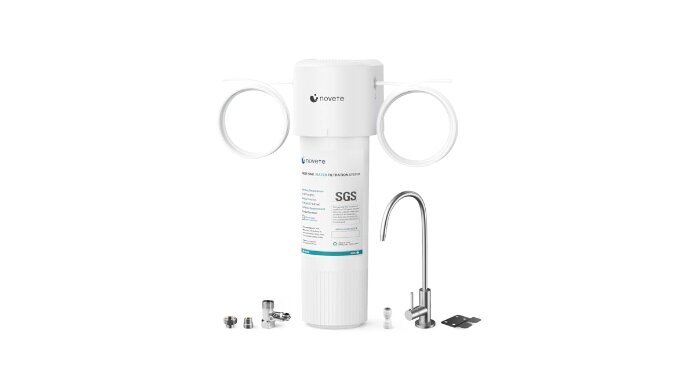
NOVETE Under Sink Water Filter - 3 Years, 30,000 Gallons, High-Efficiency Filtration
$41.99 $59.99
50% OFF

HDPE All-Weather Adirondack Chair with Built-In Cup Holder - Tool-Free Assembly (Grey)
$69.99 $139.99
60% OFF

HOMETUK Clear Plastic Storage Bins with Dividers - 3-Pack Stackable Acrylic Organizer Containers for Fridge and Pantry
$19.99 $49.99
58% OFF

G Gradual Men's Fishing Shirt - UPF 50+ Lightweight Short Sleeve Button Down with Zipper Pockets
$14.99 $35.99
55% OFF

Everyfun 60" Rectangular Platform Tree Swing - 700lbs Heavy Duty Adjustable Outdoor Swing (Colorful)
$49.99 $110.99
61% OFF

Ekouaer Women's Casual Loose Jumpsuit - One-Piece Printed Sleeveless Wide Leg Romper with Pockets
$14.99 $37.99
36% OFF

Men's Athletic Running Shorts with Zipper Pockets - Lightweight & Quick Dry
$12.74 $19.99
61% OFF

Modern Ceiling Fan with Light and Remote - Reversible Quiet DC Motor
$69.3 $179.99
50% OFF

MOOKA H13 True HEPA Air Purifier for Home Large Room - 1076 sq ft Odor Eliminator
$39.97 $79.95
40% OFF
X-Sense XS01-WX Smart Smoke Alarm - 2.4 GHz Wi-Fi Photoelectric Fire Detector with Mobile App Alerts
$65.99 $109.99
11% OFF

VitaUp Beet Root Gummies with CoQ10 & Grape Seed - Nitric Oxide Circulation Support (60 Count)
$24.91 $27.91
Sealy 2-Pack Tritech 16" Twin Inflatable Air Mattress with Built-in AC Pump
$0 $113.99
20% OFF
INTEX Prism Frame 20ft x 52in Above Ground Pool Set - Round Steel Frame Swimming Pool
$695.99 $869.99

Gardner Pet 43" Heavy Duty Dog Crate with Wheels - Indestructible Folding Metal Cage (Black)
$0 $149.99




-

Diary of a CEO’s Steven Bartlett and John Lennox discuss AI, faith and the search for meaning
-

Belfast churches 'heartbroken' over unrest
-

Is there a two-tier Britain?
-

Churches must disciple well and listen well in response to rise of Christian nationalism
-

Biblical models and the creation of King Arthur
-

Welsh reverend speaks of culture of fear over LGBT issues
Most Popular
related articles
WCC Calls for Better World at International Day of Prayer for Peace
WCC Calls for Better World at International Day of Prayer for Peace
World Evangelical Alliance Praises Worldwide Prayer Movements
World Evangelical Alliance Praises Worldwide Prayer Movements
WCC Praises ‘Unique Contribution’ of Ethiopian Christians
WCC Praises ‘Unique Contribution’ of Ethiopian Christians
WCC Network on Uprooted Peoples Speaks for Asylum Seekers & Migrants to UN
WCC Network on Uprooted Peoples Speaks for Asylum Seekers & Migrants to UN
News
Gloucester churches come together to bless River Avon amid pollution concerns
It is part of a broader campaign against river pollution as concerns remain about the amount of untreated sewage in the Avon.

Life beyond burnout: how Christians can grow in the desert seasons
Christian Today speaks to author and Anglican priest Tish Harrison Warren about growth in desert seasons and why the Church shouldn’t treat all spiritual weariness as a problem to fix.

Iranian-born bishop stands in solidarity with Britain's Jews
2025 had the second highest number of antisemitic incidents on record.

Bishops protest Israeli arrest of another Palestinian Christian
An Evangelical Lutheran has been accused of "promoting terrorist activities".
MANSPOT Electric Pubic Hair Trimmer - Waterproof Body and Groin Shaver for Men and Women (Black)
$20.39
Lick-Safe Dog Paw and Nose Balm Stick - All-Natural Moisturizer with Coconut Oil for Dry, Cracked Pads and Snout
$11.69
Men's Quick Dry Moisture Wicking Polo Shirt - High Elasticity Slim Fit Athletic Top (Runs Small)
$6.99
Men's Running Shorts with Zipper Pockets - Lightweight, Quick-Dry, Multi-Sport
$12.95
NEWFAST NF-RE523 AC1200 WiFi Extender - 1200Mbps Dual Band Signal Booster & Internet Repeater
$18.5
G Gradual Men's 7-inch Workout Running Shorts - Lightweight, Quick-Dry, Comfort
$12.91
NOVETE Under Sink Water Filter - 3 Years, 30,000 Gallons, High-Efficiency Filtration
$41.99
HDPE All-Weather Adirondack Chair with Built-In Cup Holder - Tool-Free Assembly (Grey)
$69.99
HOMETUK Clear Plastic Storage Bins with Dividers - 3-Pack Stackable Acrylic Organizer Containers for Fridge and Pantry
$19.99
G Gradual Men's Fishing Shirt - UPF 50+ Lightweight Short Sleeve Button Down with Zipper Pockets
$14.99
Everyfun 60" Rectangular Platform Tree Swing - 700lbs Heavy Duty Adjustable Outdoor Swing (Colorful)
$49.99
Ekouaer Women's Casual Loose Jumpsuit - One-Piece Printed Sleeveless Wide Leg Romper with Pockets
$14.99
Men's Athletic Running Shorts with Zipper Pockets - Lightweight & Quick Dry
$12.74
Modern Ceiling Fan with Light and Remote - Reversible Quiet DC Motor
$69.3
MOOKA H13 True HEPA Air Purifier for Home Large Room - 1076 sq ft Odor Eliminator
$39.97
X-Sense XS01-WX Smart Smoke Alarm - 2.4 GHz Wi-Fi Photoelectric Fire Detector with Mobile App Alerts
$65.99
VitaUp Beet Root Gummies with CoQ10 & Grape Seed - Nitric Oxide Circulation Support (60 Count)
$24.91
Sealy 2-Pack Tritech 16" Twin Inflatable Air Mattress with Built-in AC Pump
$0
INTEX Prism Frame 20ft x 52in Above Ground Pool Set - Round Steel Frame Swimming Pool
$695.99
Gardner Pet 43" Heavy Duty Dog Crate with Wheels - Indestructible Folding Metal Cage (Black)
$0