
Civilians in eastern Congo are facing an increased risk of rape and forced labour as a result of internationally backed military operations against rebel groups, according to new research released today by aid agency Oxfam.
The survey of 816 people living in 24 communities in North and South Kivu revealed that 60 per cent of those surveyed feel less safe than last year, with women and boys feeling particularly at risk. The survey covered areas affected by the Amani Leo (‘Peace Today’) offensive – supported by the UN – against the Democratic Liberation Forces of Rwanda (FDLR) and other rebel groups.
Some 75 per cent of women surveyed said that they felt in more danger than a year ago, with this rising to 99 per cent in the parts of South Kivu at the centre of Amani Leo operations. Likewise, 65 per cent of boys surveyed said they were less safe, with this rising to 100 per cent in areas where operations were ongoing. Women said that rape had increased in 20 of the 24 communities surveyed, while boys said schools were often raided to provide forced labour.
Respondents in 19 out of 24 communities said that despite the offensive the FDLR and other militias were still responsible for extreme acts of violence including rape and the burning of villages. In some areas the offensive had led to increasingly brutal FDLR reprisal attacks on civilians.
The Congolese army was also identified as a main perpetrator, with soldiers a threat to civilians in 23 of the 24 communities surveyed. Although 11 communities mentioned examples of soldiers protecting people, such as by conducting night patrols and securing the release of people abducted by the FDLR, only one community had faced no abuses from soldiers. In some areas, crimes committed by the army were so extreme – killing, torture, burning houses and gang rape – as to be indistinguishable from the worst excesses of the FDLR.
Three quarters of communities reported looting, with soldiers taking everything from cash and mobile phones to livestock and food. A separate survey in Kabare, South Kivu, found that 15 army checkpoints in the area may be making as much as $18,000 a month through extortion.
Despite the anger felt at such abuses, many civilians also said the Congolese army lived in pitiful conditions – often deployed without rations, and wages paid irregularly or stolen by commanders.
“It’s shameful for a government soldier to have to beg, so instead they steal,” said one respondent. All communities said that if soldiers were paid on time it would improve the security of civilians. The Congolese government introduced a zero tolerance policy for abuses by its troops last July, but as the survey reveals, people still feel there is widespread impunity and no functioning system of justice or reparation.
Marcel Stoessel, Head of Oxfam in Congo, said: “The military operations are having a devastating effect on Congolese communities, who are being attacked from all sides.
"The army is supposed to protect people, but until real root and branch military reform takes place the risks this offensive poses to communities are just too high.
"Deploying troops without pay or rations virtually guarantees abuse against civilians, and turning a blind eye while soldiers commit crimes just encourages others to commit more. It’s clear that those affected by these abuses are crying out for army reform.”
Such behaviour is extremely alarming given the recent calls for United Nations peacekeepers to leave the country. The UN Security Council will review the current configuration of troops this October. Oxfam said that while peacekeepers are not a long-term solution, they are still needed until the Congolese army can offer better protection to civilians.
The results of the survey suggested that the operations have had mixed results in addressing the threat of the FDLR. In some areas FDLR attacks were now less frequent but increasingly brutal when they happened. In the Petit Nord region the FDLR justified burning down a village “because you chased us away”.
In the northern part of South Kivu abductions have become so common that entire villages were said to have relocated. Communities spoke of increasing instances of women being abducted, repeatedly raped and then only released after a ransom is paid. One community reported 16 girls abducted and raped by the FDLR in three months.
Three quarters of communities surveyed were against continuing the Amani Leo military action, instead calling for political solutions such as integrating militia fighters into the army, and opening up political space in Rwanda to allow FDLR rebels not involved in the genocide to return.
The offensive is also having a grave impact on local youth and education. The survey found that sections of the army often targeted schools to find boys able to porter their goods. Classes have been suspended or schools have had to relocate to reduce the risk to students. Those who tried to resist faced beatings and even murder. Boys said they were also frequently accused of being militia fighters, with simply sporting a tattoo enough to get young men beaten up, arrested or even murdered as a suspected rebel.
73% OFF
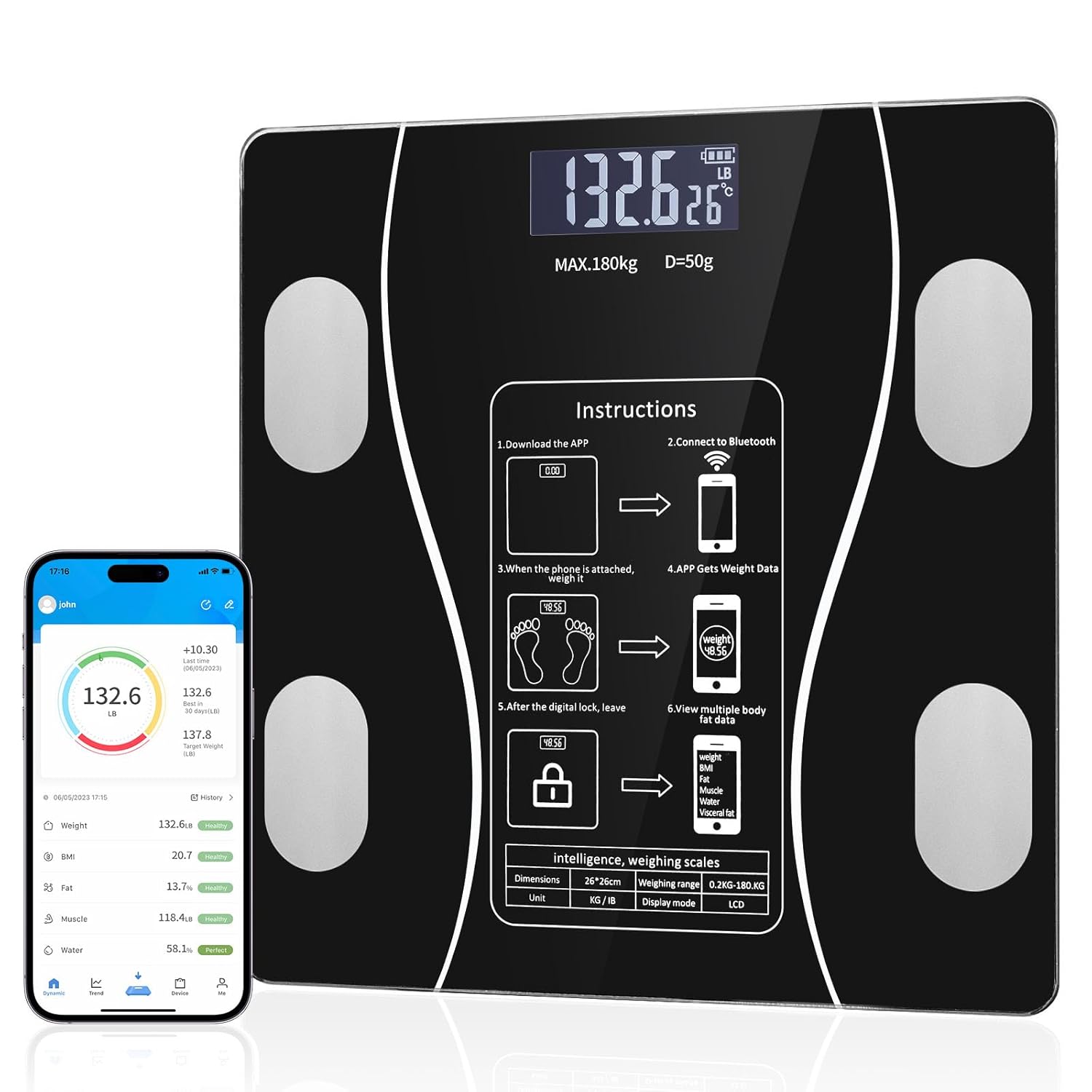
Smart Bluetooth Body Fat Scale with LED Display and Body Composition Analyzer
$21.58 $79.96
73% OFF
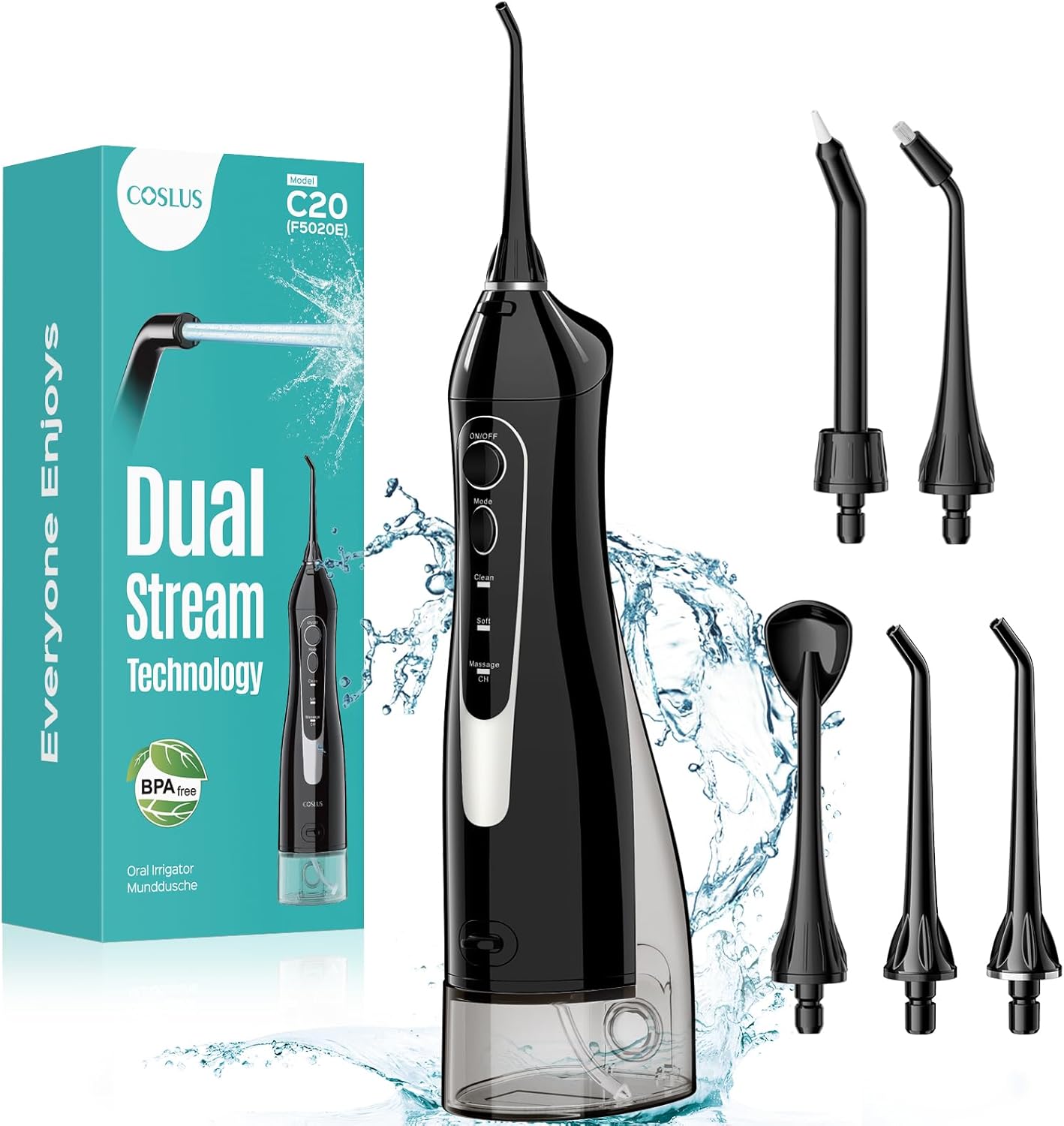
COSLUS C20 Portable Cordless Water Dental Flosser and Oral Irrigator
$7.99 $29.99
29% OFF
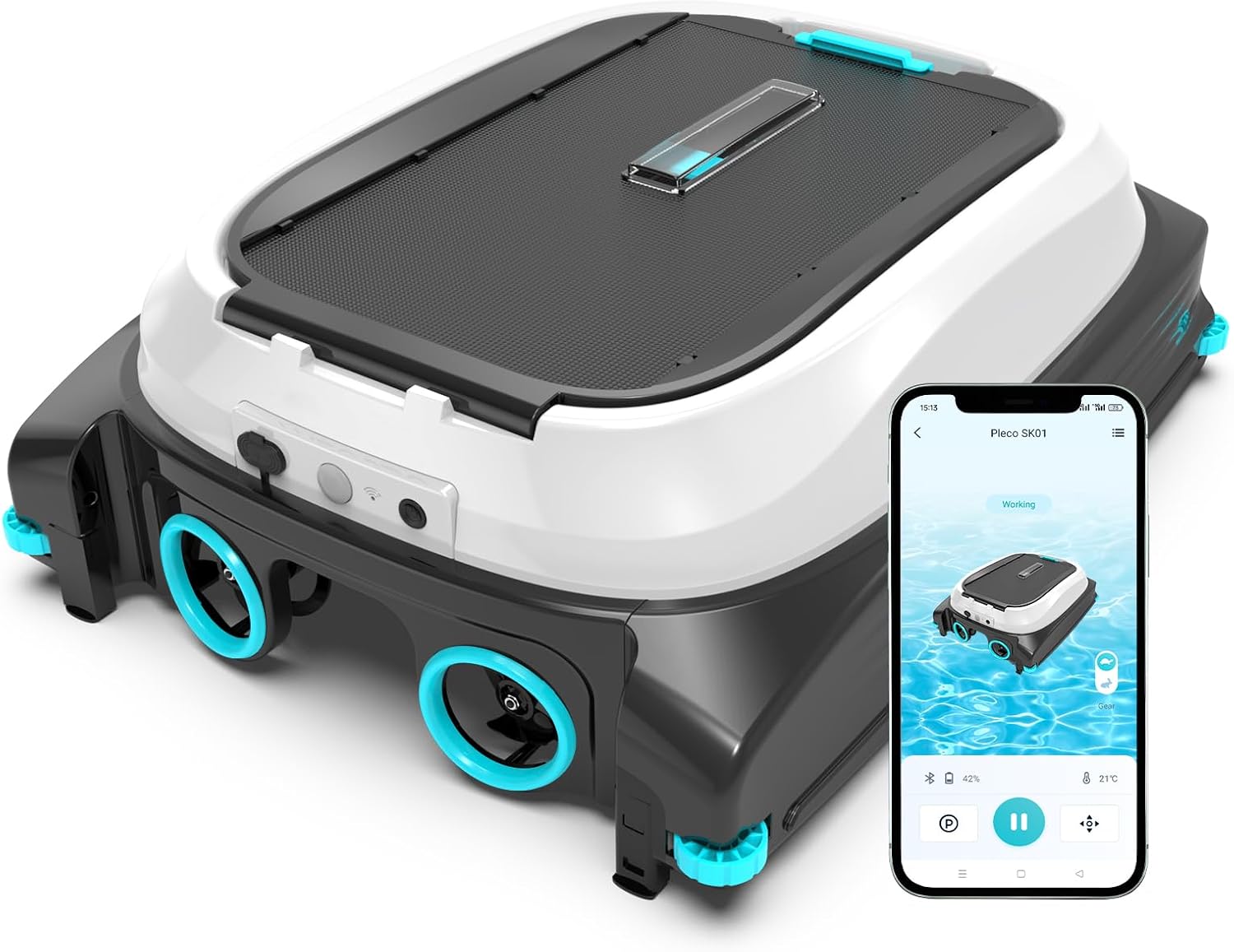
Pleco SK01 Solar Powered Robotic Pool Skimmer with App Control (Obsidian & Ivory)
$284.99 $399.99
52% OFF
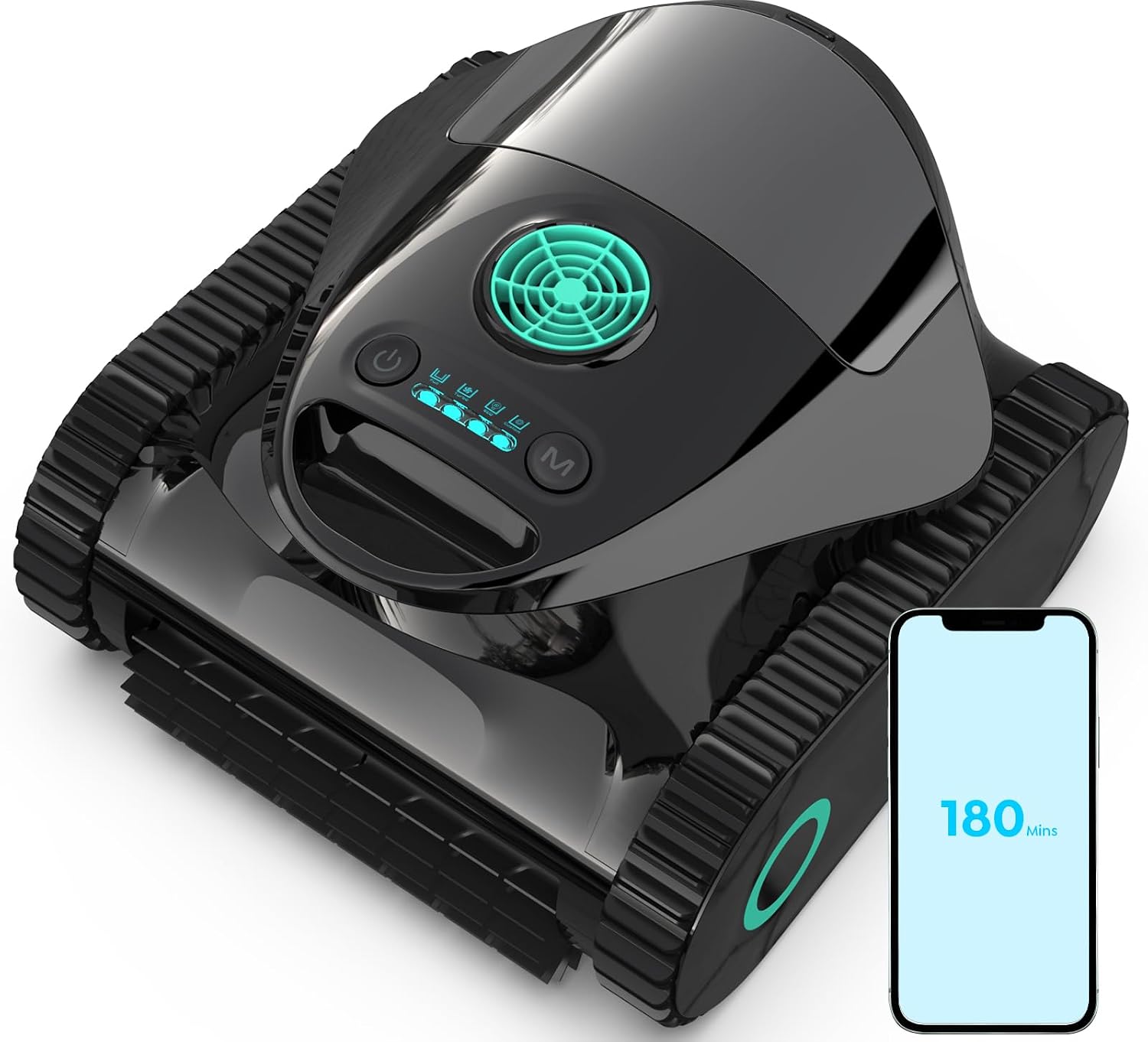
Cordless Robotic Pool Cleaner C1 with Wall Climbing and App Control (Glossy Black)
$290.69 $599.99
52% OFF
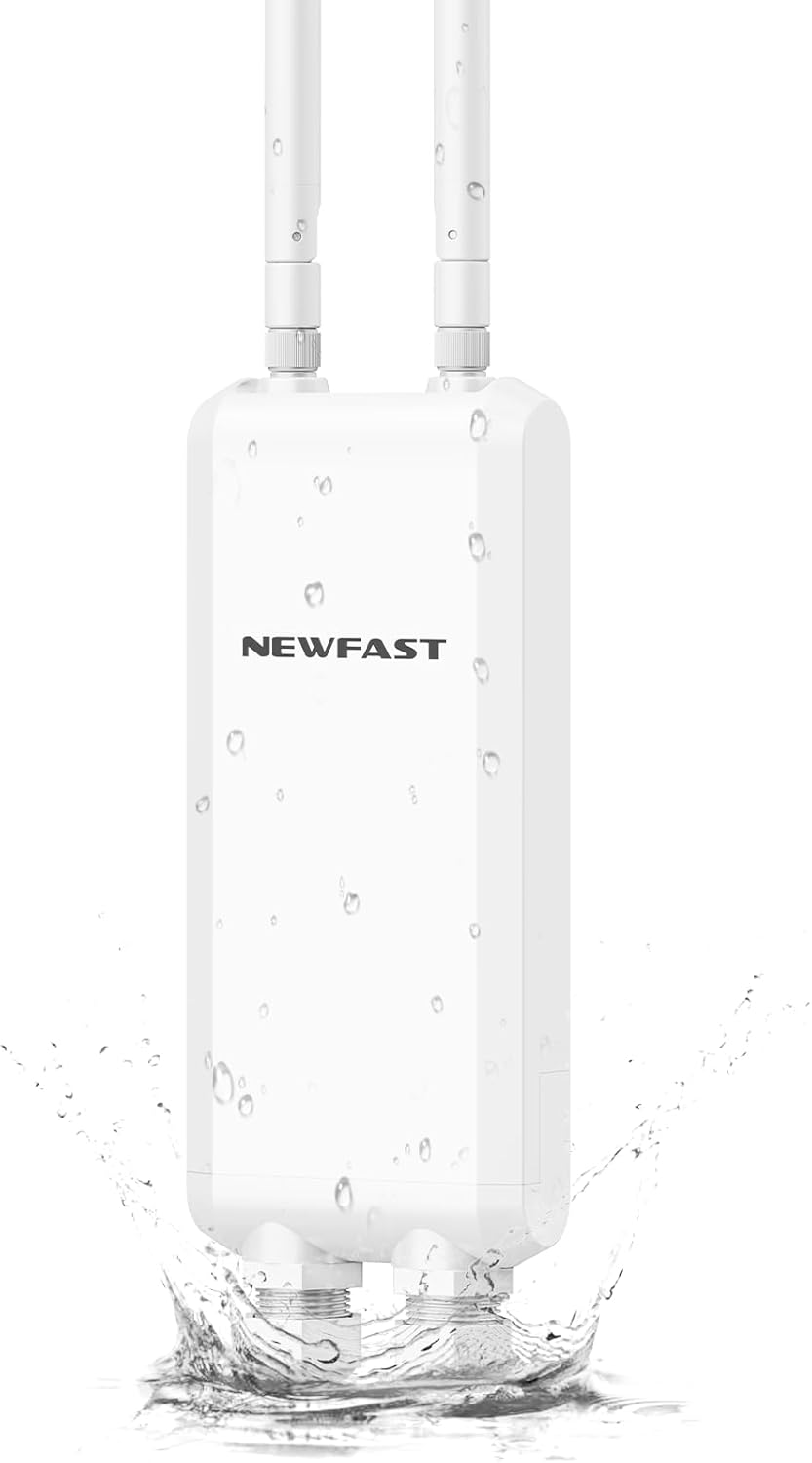
NEWFAST Outdoor WiFi Extender with MU-MIMO and 3 Gigabit Ports (IP66)
$47.99 $99.99
51% OFF
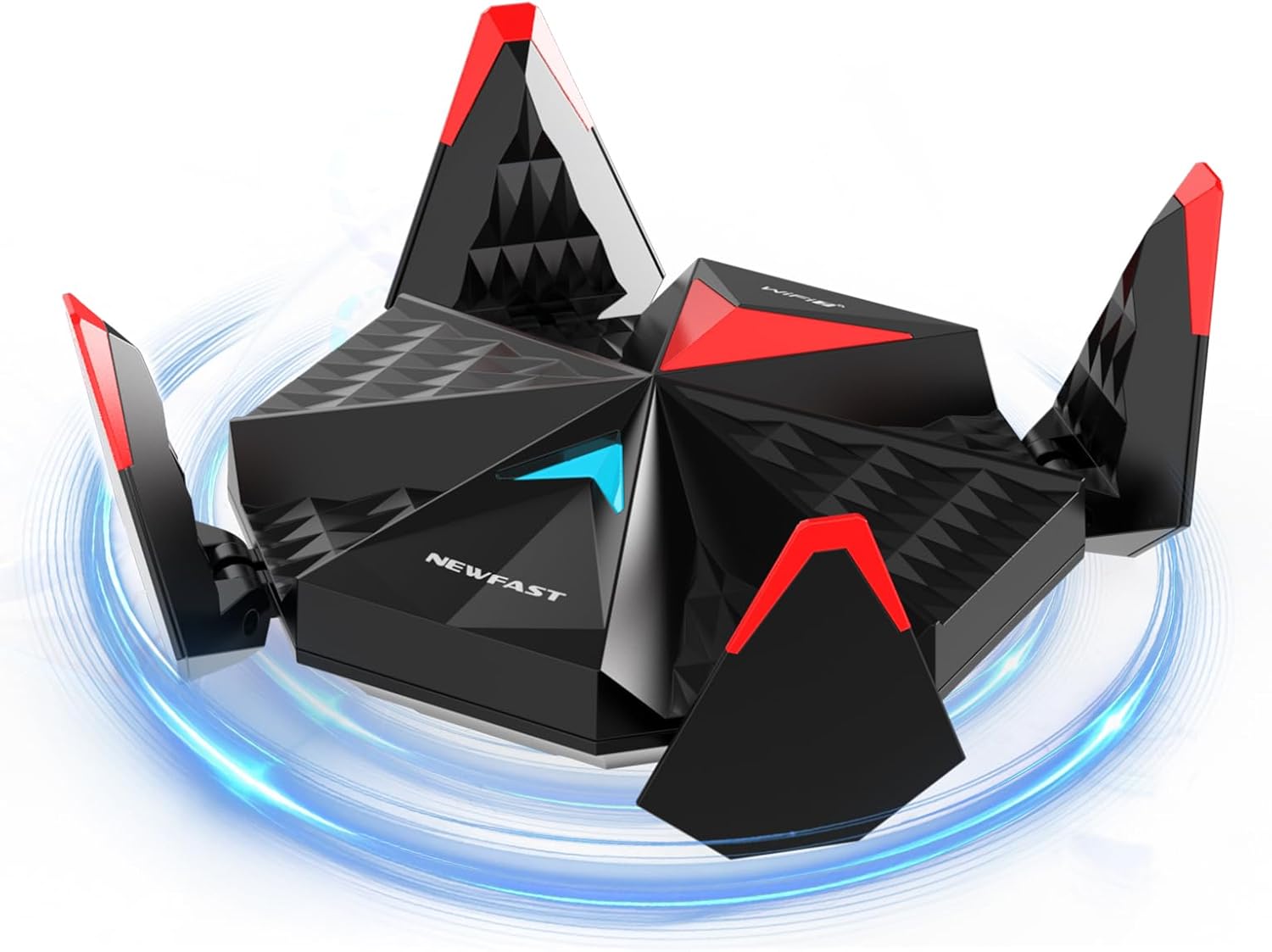
NEWFAST AXE5400 Tri-Band USB WiFi 6E Adapter with 4 Antennas (NF-U357)
$44.45 $89.99
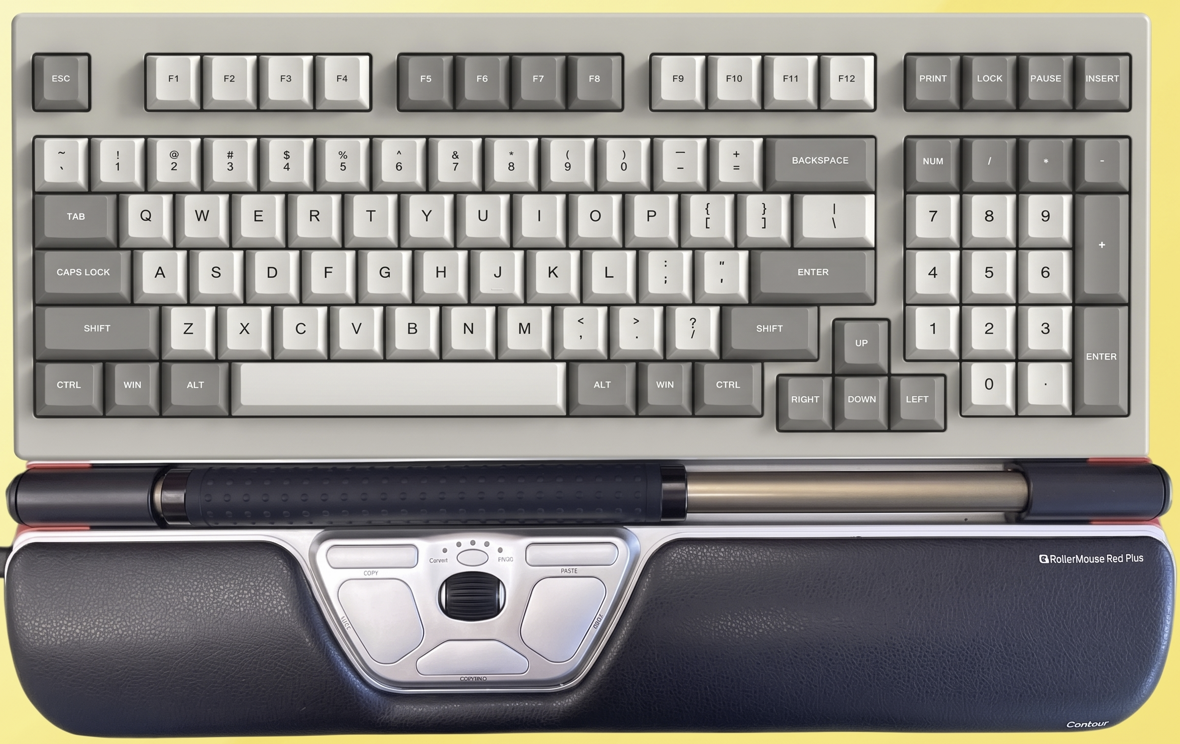
The $400 Mouse I Thought Was Ridiculously Expensive—Until It Changed How I Work
$0 $0
50% OFF

All-Weather HDPE Plastic Adirondack Chair with Cup Holder – Navy Blue
$70 $139.99
50% OFF

7-Color LED Red Light Therapy Mask for Face and Anti-Aging
$29.99 $59.99
49% OFF
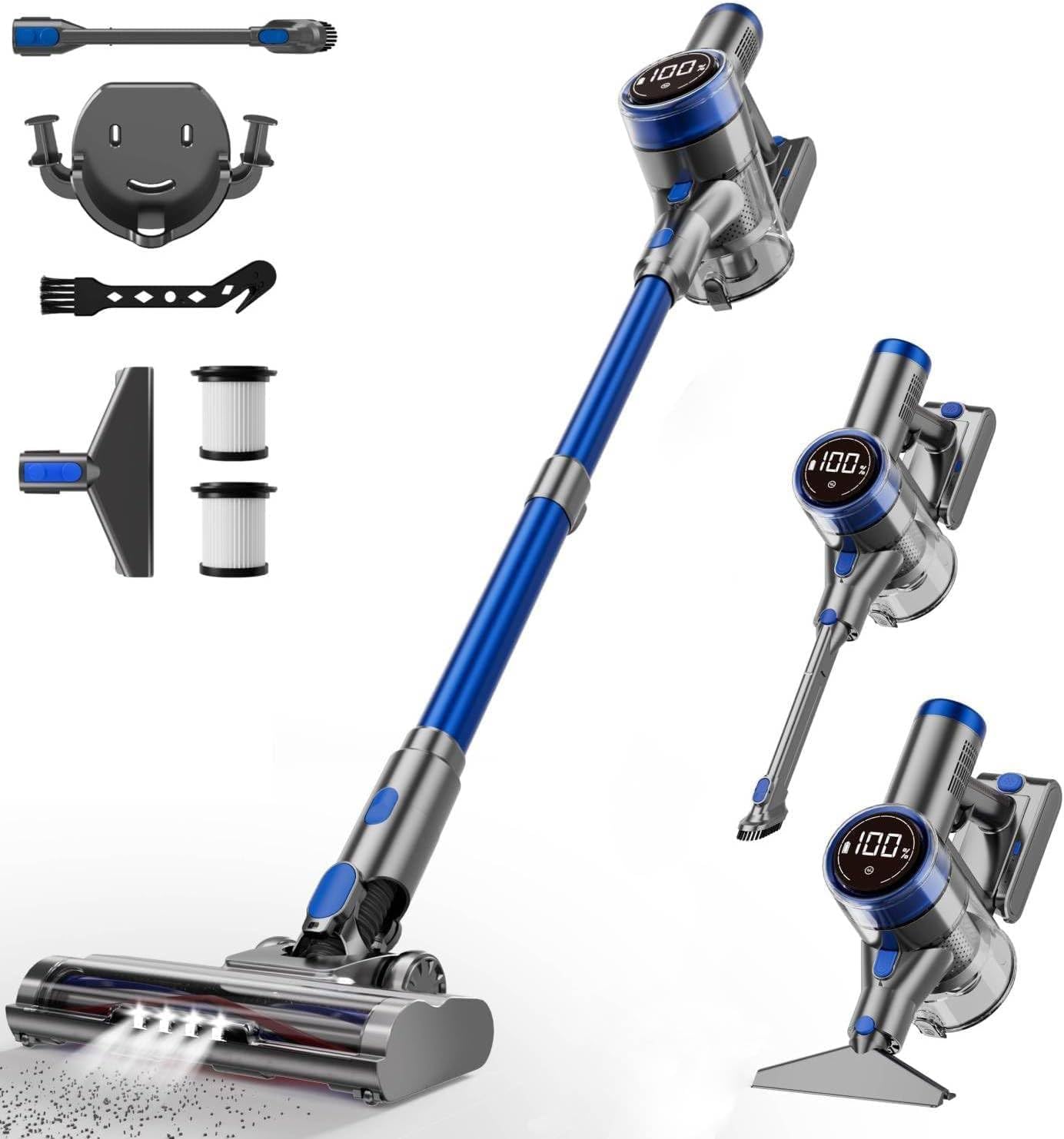
Cordless Vacuum Cleaner - 480W/45Kpa Powerful Stick Vacuum with LED Smart Touch Screen
$55.99 $109.99
20% OFF

Hypoallergenic Pet Wipes for Dogs & Cats - 400 Count Extra Large Coconut Scented Grooming Wipes
$24.79 $30.99
49% OFF
MANSPOT Electric Pubic Hair Trimmer - Waterproof Body and Groin Shaver for Men and Women (Black)
$20.39 $40
25% OFF

Lick-Safe Dog Paw and Nose Balm Stick - All-Natural Moisturizer with Coconut Oil for Dry, Cracked Pads and Snout
$11.69 $15.59
77% OFF
Men's Quick Dry Moisture Wicking Polo Shirt - High Elasticity Slim Fit Athletic Top (Runs Small)
$6.99 $29.99
50% OFF

NEWFAST NF-RE523 AC1200 WiFi Extender - 1200Mbps Dual Band Signal Booster & Internet Repeater
$18.5 $36.99
50% OFF

HDPE All-Weather Adirondack Chair with Built-In Cup Holder - Tool-Free Assembly (Grey)
$69.99 $139.99
61% OFF

Ekouaer Women's Casual Loose Jumpsuit - One-Piece Printed Sleeveless Wide Leg Romper with Pockets
$14.99 $37.99
36% OFF

Men's Athletic Running Shorts with Zipper Pockets - Lightweight & Quick Dry
$12.74 $19.99

Sealy 2-Pack Tritech 16" Twin Inflatable Air Mattress with Built-in AC Pump
$0 $113.99
20% OFF

INTEX Prism Frame 20ft x 52in Above Ground Pool Set - Round Steel Frame Swimming Pool
$695.99 $869.99




-

Former Queen's chaplain: King Charles has betrayed his faith, office and subjects
-

Christian teacher Enoch Burke released from prison after High Court order
-

Why C of E bishops won't oppose the Conversion Practices Bill
-

One in three pregnancies now result in abortion as England and Wales reach record high
-

Evangelicals announce month of prayer as Church of England debates same-sex relationships
-

The Archbishops must not let safeguarding be weaponised to shut down debate
Most Popular
News

Presbyterian Church of Wales considers 'do or die' reforms
Very few members of the denomination are below 25 years old.

Church in Venezuela 'overwhelmed' after after devastating earthquakes
Last week's earthquakes have only added to the challenges already faced by oppressed Christians in Venezuela with some reporting disparities in access to humanitarian assistance.

Grooming gang victims have paid a heavy price for Britain's institutional cowardice
We must acknowledge, without fear or favour, ethnic and religious patterns behind criminal acts of abuse, and take robust action to stop them.

July 4, 1776: The founding of a Christian nation?
The American Declaration of Independence, of 1776, was a truly historic event.
Smart Bluetooth Body Fat Scale with LED Display and Body Composition Analyzer
$21.58
COSLUS C20 Portable Cordless Water Dental Flosser and Oral Irrigator
$7.99
Pleco SK01 Solar Powered Robotic Pool Skimmer with App Control (Obsidian & Ivory)
$284.99
Cordless Robotic Pool Cleaner C1 with Wall Climbing and App Control (Glossy Black)
$290.69
NEWFAST Outdoor WiFi Extender with MU-MIMO and 3 Gigabit Ports (IP66)
$47.99
NEWFAST AXE5400 Tri-Band USB WiFi 6E Adapter with 4 Antennas (NF-U357)
$44.45
The $400 Mouse I Thought Was Ridiculously Expensive—Until It Changed How I Work
$0
All-Weather HDPE Plastic Adirondack Chair with Cup Holder – Navy Blue
$70
7-Color LED Red Light Therapy Mask for Face and Anti-Aging
$29.99
Cordless Vacuum Cleaner - 480W/45Kpa Powerful Stick Vacuum with LED Smart Touch Screen
$55.99
Hypoallergenic Pet Wipes for Dogs & Cats - 400 Count Extra Large Coconut Scented Grooming Wipes
$24.79
MANSPOT Electric Pubic Hair Trimmer - Waterproof Body and Groin Shaver for Men and Women (Black)
$20.39
Lick-Safe Dog Paw and Nose Balm Stick - All-Natural Moisturizer with Coconut Oil for Dry, Cracked Pads and Snout
$11.69
Men's Quick Dry Moisture Wicking Polo Shirt - High Elasticity Slim Fit Athletic Top (Runs Small)
$6.99
NEWFAST NF-RE523 AC1200 WiFi Extender - 1200Mbps Dual Band Signal Booster & Internet Repeater
$18.5
HDPE All-Weather Adirondack Chair with Built-In Cup Holder - Tool-Free Assembly (Grey)
$69.99
Ekouaer Women's Casual Loose Jumpsuit - One-Piece Printed Sleeveless Wide Leg Romper with Pockets
$14.99
Men's Athletic Running Shorts with Zipper Pockets - Lightweight & Quick Dry
$12.74
Sealy 2-Pack Tritech 16" Twin Inflatable Air Mattress with Built-in AC Pump
$0
INTEX Prism Frame 20ft x 52in Above Ground Pool Set - Round Steel Frame Swimming Pool
$695.99