
On 10th May in the early morning, the World Council of Churches (WCC) Conference on World Mission and Evangelism (CWME) for all churches across the globe began in Athens, Greece. Over 600 delegates from Protestant, Roman Catholic, Anglican, Evangelical and Orthodox Churches in 105 countries plus another 100 advisers and media gathered at the Agios Andreas Recreational Centre in Attiki, which was once the site of the Olympic Games in 2004.
According to Simon Barrows of Ekklesia, who is representing the Churches' Commission on Mission of Churches Together in Britain and Ireland at CWME, a moving ceremony was held to mark the opening of conference.
A 25-foot high Cross arrived by boat from the city of Jerusalem at the beach near the conference venue and was received with prayers for peace with justice by representatives of churches from across the globe.
The olivewood Cross represents both the historic presence of the Gospel in the war-torn Israel-Palestine region and the call for worldwide support for peace building and for solidarity with the small Christian community, writes Simon Barrows.
The CWME moderator, Rev Ruth Bottoms from the Baptist Union of the Great Britain hosted the opening plenary this morning at 9:00am (BST). The Archbishop of Athens and all of Greece, His Beatitude Christodoulos, delivered a welcome address on behalf of the Church of Greece. A message was also received from the Vatican, on behalf of Pope Benedict XVI.
WCC general secretary, the Rev Dr Samuel Kobia, then issued an opening address. He highlighted the manipulation of religious identities "for narrow nationalistic and economic ends".
Kobia encouraged all participants to focus on a theme of healing and reconciliation and to highlight peace and non-violence as gospel imperatives.
In his remarks, Kobia suggested that "mission carries a heavy historical baggage, having played a part in fostering division and conflict - between peoples, and even between families of churches...So perhaps the time has come for confession, and repentance."
Kobia reaffirmed that there is a shift of the demographic centre of Christianity from the North to the South and it has "spiritual, moral, theological, (and) missiological implications", therefore the vision of Christians must undergo a corresponding conversion.
"Forms of expressing our faith that grew out of European culture are no longer normative... mission nowadays are borne by brothers and sisters who have received gifts of the Spirit that were never monopolised by European or North American intermediaries."
The second and thematic part of the opening plenary focused on the main theme of the conference, pneumatology and mission, with addresses from two different theological perspectives by Kirsteen Kim of the United Reformed Church, honourary lecturer at the University of Birmingham, UK, and Wonsuk Ma, a Korean Pentecostal missionary and theologian, living in the Philippines.
The theme "Come, Holy Spirit, Heal and Reconcile!" has been fully explained by short speeches with strong references to the Bible.
The CWME is running from 9th-16th May. Further updates will continuously follow throughout the week.



-

Edinburgh University ends divinity programmes as theology faces a changing future
-

Why the Archbishop of Canterbury’s award controversy matters
-

More than one in four US Protestant churchgoers believe some biblical truths become outdated
-

Catholicism in France has 'collapsed'
-

Christian leaders issue ‘sober and urgent call’ for Western Church to prepare for disruption
-

Australia's anti-therapy laws harm the most vulnerable - Britain should not copy them
Most Popular
News

Active faith linked to happier marriages and lower divorce rates, study finds
People who regularly attend church are more likely to report happy marriages, according to a new report examining the relationship between faith and family life.
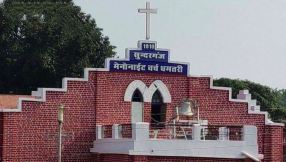
Indian churches fearing anti-conversion laws tell non-Christians: enter at your own risk
Churches in Dhamtari, a town in the central Indian state of Chhattisgarh, have put up notices warning non-Christians that they enter at their own risk, weeks after a law against religious conversion came into force in the state.

£1k bursaries to help churches develop youth and community mentoring programmes
Churches across the UK are being offered bursaries to help them establish mentoring programmes aimed at supporting young people and others in their communities.
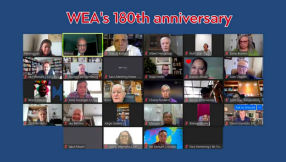
World Evangelical Alliance celebrates 180th anniversary
The World Evangelical Alliance (WEA) has held an online celebration to mark its 180th anniversary. Hundreds of people from more than 22 countries attended, and the event was rebroadcast to accommodate different time zones.








