
VIENNA - Mankind is to blame for climate change but governments still have time to slow accelerating damage at moderate cost if they act quickly, a draft U.N. report shows.
Underlining the need for speed, it says a European Union goal of holding temperature rises to a maximum 2 Celsius (3.6 Fahrenheit) above pre-industrial times is almost out of reach.
The 21-page study, due for release in November, lays out possible responses to global warming but cautions that some impacts are already inevitable, such as a gradual rise in sea levels that is set to last for centuries.
The report gives a first overview of 3,000 pages of research by the U.N.'s climate panel already published in three instalments this year about the science, the likely impacts and the costs of slowing climate change.
The authoritative summary, obtained by Reuters and meant to guide governments in working out how to slow warming, reiterates that humans are to blame for climate change but that clean technologies are available to offset the most harmful emissions.
"Most of the observed increase in globally averaged temperatures since the mid-20th century is very likely due to the observed increase in anthropogenic (from human activities) greenhouse gas concentrations," it says.
"Very likely" means at least 90 percent probability, up from 66 percent in a previous report by the U.N.'s Intergovernmental Panel on Climate Change (IPCC) in 2001 when the link was only judged "likely". The IPCC draws on work by 2,500 scientists.
The report shows a table indicating worsening damage such as bleached corals, coastal flooding, increasing costs of treating disease, deaths from heatwaves and rising risks of extinctions of species of animals and plants.
But it says: "Many impacts can be avoided, reduced or delayed" by cutting greenhouse gas emissions.
FOSSIL FUELS
Among options to offset warming, blamed mainly on greenhouse gases from burning fossil fuels, are energy efficiency, wider use of renewable energies, carbon markets or burying carbon dioxide from coal-fired power plants.
The report indicates that the cost of such initiatives would be manageable for the world economy.
Global gross domestic product (GDP) in 2030 would be reduced by up to 3 percent in the most stringent case that would require emissions to peak within about 15 years. Other less tough goals would mean only a fractional loss of GDP by 2030.
The report will be issued in Valencia, Spain, on Nov. 17 after review by governments, along with an even shorter 5-page summary. The draft is dated May 15 -- an updated version has been written this month to take account of government suggestions, scientists said.
"Warming of the climate is now unequivocal, as is now evident from observations of increases in global average air and ocean temperatures, widespread melting of snow and ice and rising global mean sea level," the summary begins.
The report reiterates best estimates that temperatures will rise by 1.8 to 4.0 Celsius (3 to 7 Fahrenheit) this century and that sea levels will rise by between 18 and 59 centimetres.
But it says ocean levels are likely to keep rising "for many centuries" even if greenhouse gases are stabilised, because water expands as it heats up. The deep oceans will keep heating up as warmth filters down from the surface.
Under a range of scenarios, such thermal expansion of the oceans alone would bring sea level rises of 0.4 to 3.7 metres in coming centuries, without counting any melting of ice in glaciers or in the vast Greenland or Antarctic ice sheets.
About 1,000 delegates from 158 nations are meeting in Vienna this week to discuss ways to extend the U.N.'s Kyoto Protocol for fighting warming beyond 2012 and to widen it to include outsiders such as the United States and developing nations.
49% OFF
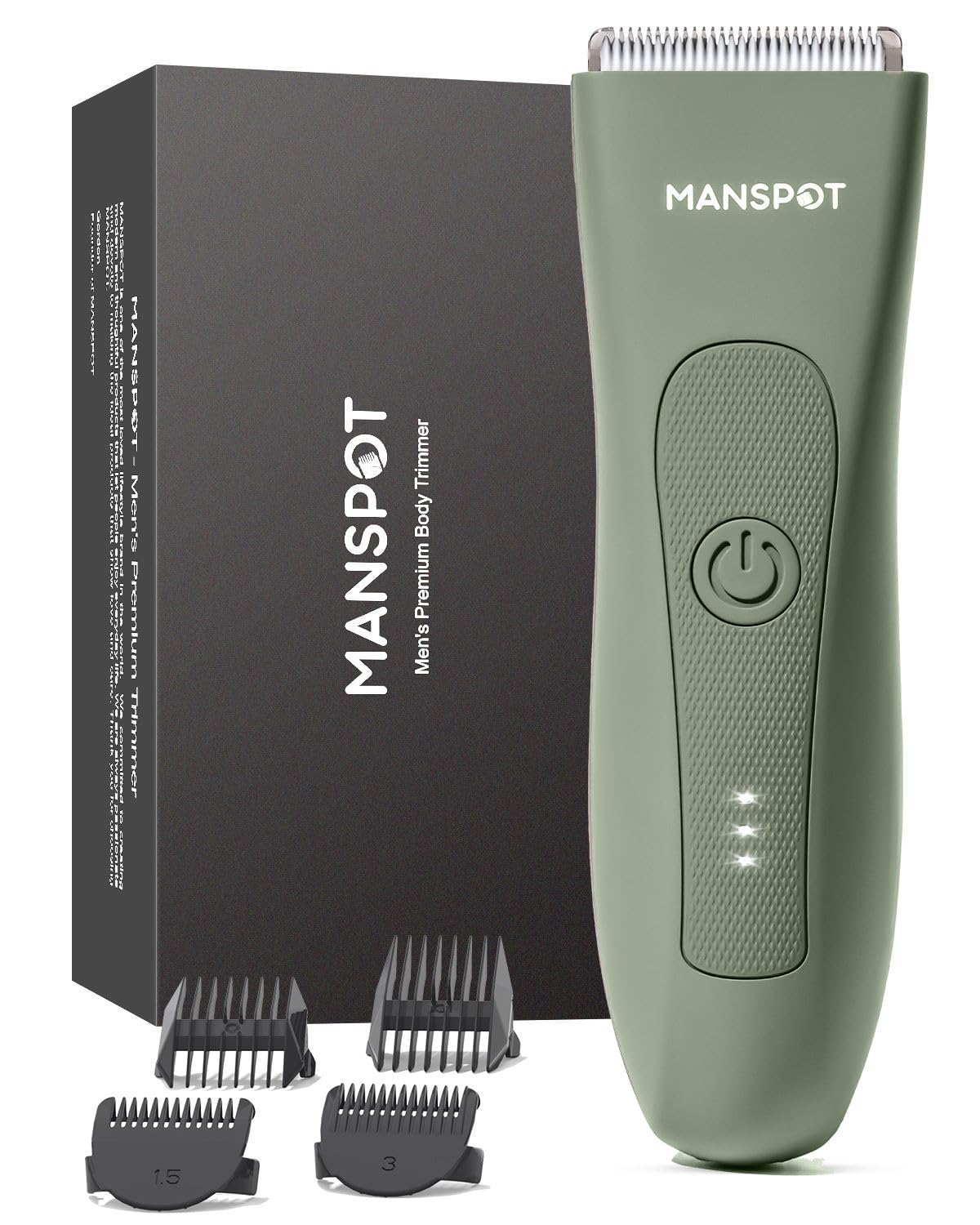
MANSPOT Electric Pubic Hair Trimmer - Waterproof Body and Groin Shaver for Men and Women (Black)
$20.39 $40
25% OFF

Lick-Safe Dog Paw and Nose Balm Stick - All-Natural Moisturizer with Coconut Oil for Dry, Cracked Pads and Snout
$11.69 $15.59
77% OFF
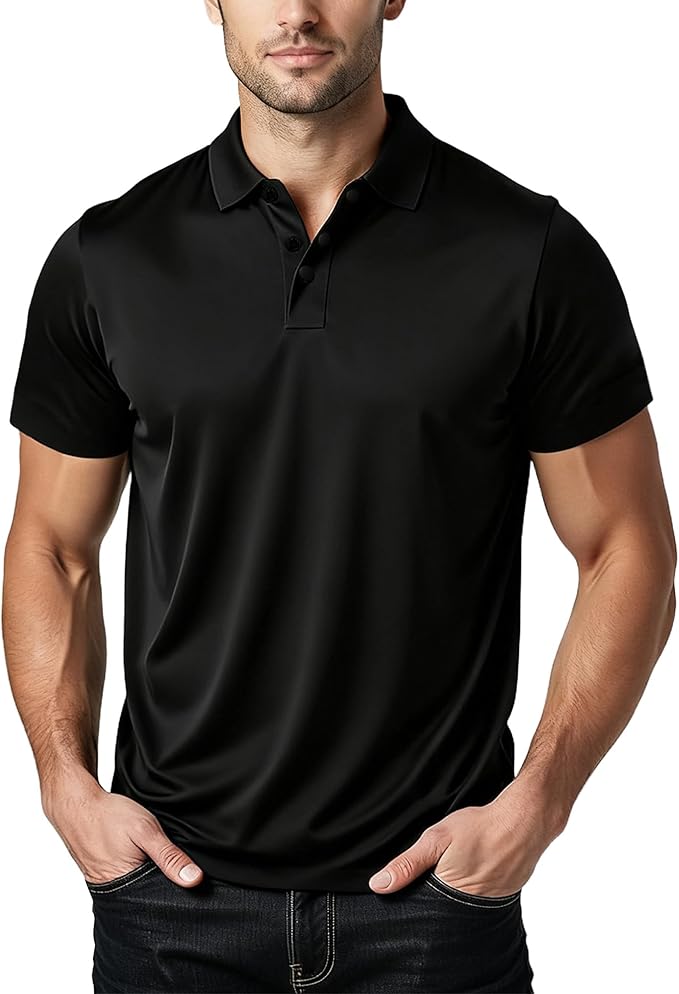
Men's Quick Dry Moisture Wicking Polo Shirt - High Elasticity Slim Fit Athletic Top (Runs Small)
$6.99 $29.99
46% OFF
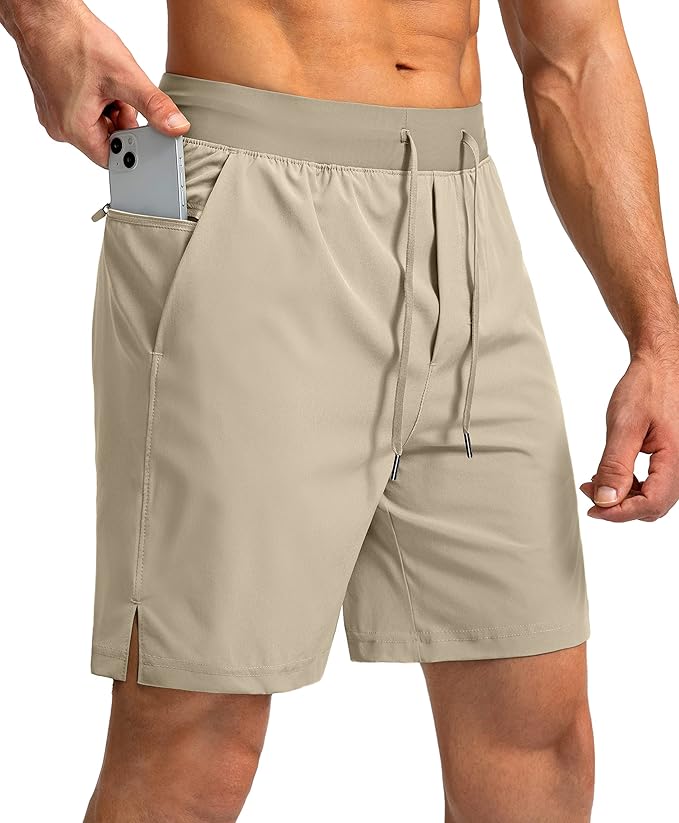
Men's Running Shorts with Zipper Pockets - Lightweight, Quick-Dry, Multi-Sport
$12.95 $23.99
50% OFF

NEWFAST NF-RE523 AC1200 WiFi Extender - 1200Mbps Dual Band Signal Booster & Internet Repeater
$18.5 $36.99
48% OFF
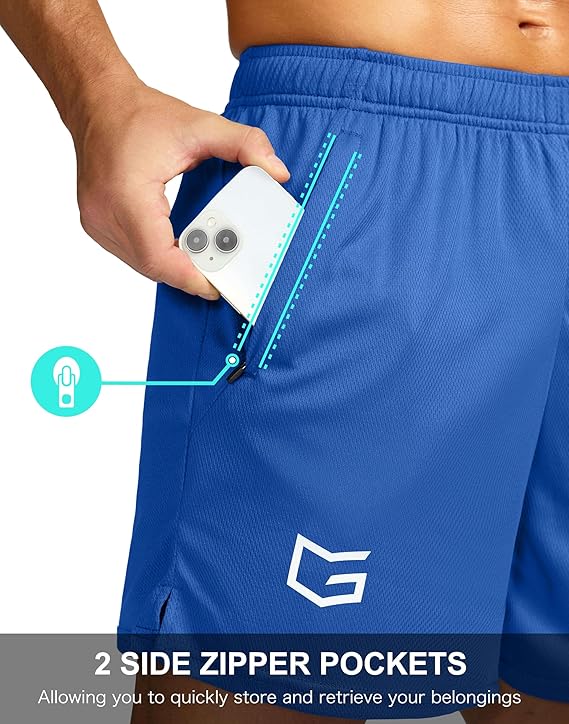
G Gradual Men's 7-inch Workout Running Shorts - Lightweight, Quick-Dry, Comfort
$12.91 $24.99
30% OFF
NOVETE Under Sink Water Filter - 3 Years, 30,000 Gallons, High-Efficiency Filtration
$41.99 $59.99
50% OFF

HDPE All-Weather Adirondack Chair with Built-In Cup Holder - Tool-Free Assembly (Grey)
$69.99 $139.99
60% OFF

HOMETUK Clear Plastic Storage Bins with Dividers - 3-Pack Stackable Acrylic Organizer Containers for Fridge and Pantry
$19.99 $49.99
58% OFF

G Gradual Men's Fishing Shirt - UPF 50+ Lightweight Short Sleeve Button Down with Zipper Pockets
$14.99 $35.99
55% OFF

Everyfun 60" Rectangular Platform Tree Swing - 700lbs Heavy Duty Adjustable Outdoor Swing (Colorful)
$49.99 $110.99
61% OFF

Ekouaer Women's Casual Loose Jumpsuit - One-Piece Printed Sleeveless Wide Leg Romper with Pockets
$14.99 $37.99
36% OFF

Men's Athletic Running Shorts with Zipper Pockets - Lightweight & Quick Dry
$12.74 $19.99
61% OFF

Modern Ceiling Fan with Light and Remote - Reversible Quiet DC Motor
$69.3 $179.99
50% OFF

MOOKA H13 True HEPA Air Purifier for Home Large Room - 1076 sq ft Odor Eliminator
$39.97 $79.95
40% OFF
X-Sense XS01-WX Smart Smoke Alarm - 2.4 GHz Wi-Fi Photoelectric Fire Detector with Mobile App Alerts
$65.99 $109.99
11% OFF

VitaUp Beet Root Gummies with CoQ10 & Grape Seed - Nitric Oxide Circulation Support (60 Count)
$24.91 $27.91

Sealy 2-Pack Tritech 16" Twin Inflatable Air Mattress with Built-in AC Pump
$0 $113.99
20% OFF

INTEX Prism Frame 20ft x 52in Above Ground Pool Set - Round Steel Frame Swimming Pool
$695.99 $869.99

Gardner Pet 43" Heavy Duty Dog Crate with Wheels - Indestructible Folding Metal Cage (Black)
$0 $149.99




-

Diary of a CEO’s Steven Bartlett and John Lennox discuss AI, faith and the search for meaning
-

Belfast churches 'heartbroken' over unrest
-

Is there a two-tier Britain?
-

Churches must disciple well and listen well in response to rise of Christian nationalism
-

Biblical models and the creation of King Arthur
-

Welsh reverend speaks of culture of fear over LGBT issues
Most Popular
News

Gloucester churches come together to bless River Avon amid pollution concerns
It is part of a broader campaign against river pollution as concerns remain about the amount of untreated sewage in the Avon.

Life beyond burnout: how Christians can grow in the desert seasons
Christian Today speaks to author and Anglican priest Tish Harrison Warren about growth in desert seasons and why the Church shouldn’t treat all spiritual weariness as a problem to fix.

Iranian-born bishop stands in solidarity with Britain's Jews
2025 had the second highest number of antisemitic incidents on record.

Bishops protest Israeli arrest of another Palestinian Christian
An Evangelical Lutheran has been accused of "promoting terrorist activities".
MANSPOT Electric Pubic Hair Trimmer - Waterproof Body and Groin Shaver for Men and Women (Black)
$20.39
Lick-Safe Dog Paw and Nose Balm Stick - All-Natural Moisturizer with Coconut Oil for Dry, Cracked Pads and Snout
$11.69
Men's Quick Dry Moisture Wicking Polo Shirt - High Elasticity Slim Fit Athletic Top (Runs Small)
$6.99
Men's Running Shorts with Zipper Pockets - Lightweight, Quick-Dry, Multi-Sport
$12.95
NEWFAST NF-RE523 AC1200 WiFi Extender - 1200Mbps Dual Band Signal Booster & Internet Repeater
$18.5
G Gradual Men's 7-inch Workout Running Shorts - Lightweight, Quick-Dry, Comfort
$12.91
NOVETE Under Sink Water Filter - 3 Years, 30,000 Gallons, High-Efficiency Filtration
$41.99
HDPE All-Weather Adirondack Chair with Built-In Cup Holder - Tool-Free Assembly (Grey)
$69.99
HOMETUK Clear Plastic Storage Bins with Dividers - 3-Pack Stackable Acrylic Organizer Containers for Fridge and Pantry
$19.99
G Gradual Men's Fishing Shirt - UPF 50+ Lightweight Short Sleeve Button Down with Zipper Pockets
$14.99
Everyfun 60" Rectangular Platform Tree Swing - 700lbs Heavy Duty Adjustable Outdoor Swing (Colorful)
$49.99
Ekouaer Women's Casual Loose Jumpsuit - One-Piece Printed Sleeveless Wide Leg Romper with Pockets
$14.99
Men's Athletic Running Shorts with Zipper Pockets - Lightweight & Quick Dry
$12.74
Modern Ceiling Fan with Light and Remote - Reversible Quiet DC Motor
$69.3
MOOKA H13 True HEPA Air Purifier for Home Large Room - 1076 sq ft Odor Eliminator
$39.97
X-Sense XS01-WX Smart Smoke Alarm - 2.4 GHz Wi-Fi Photoelectric Fire Detector with Mobile App Alerts
$65.99
VitaUp Beet Root Gummies with CoQ10 & Grape Seed - Nitric Oxide Circulation Support (60 Count)
$24.91
Sealy 2-Pack Tritech 16" Twin Inflatable Air Mattress with Built-in AC Pump
$0
INTEX Prism Frame 20ft x 52in Above Ground Pool Set - Round Steel Frame Swimming Pool
$695.99
Gardner Pet 43" Heavy Duty Dog Crate with Wheels - Indestructible Folding Metal Cage (Black)
$0