There’s an untold story about the elections we have just had across England - and maybe about every election that ever gets held anywhere. It’s a story that matters just as much as the election results.
It’s the number of people who are willing to give up their time and energies to stand for elected office. Plus doing all the canvassing, leaflet-delivering and numerous other behind-the-scenes chores to try and win voters over.
I’m always amazed, and grateful to the men and women willing to stand for election, for all parties, when most of them will fail at the ballot box.
The ones I know are not power-hungry despots or people wanting to amass a fortune - in the UK, local councillors aren’t paid a salary, and only receive an allowance - and they don’t see the role as a way simply to raise their public profile.
The vast majority stand for election because they think they can make their local area a better place, using their insights and skills. Voters can decide if they, or the party they represent, have the right ideas - and they can vote them out, if they fall short of the mark. That’s democracy in action.
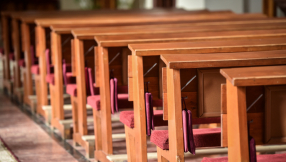
In church, we pray for our leaders in both central and local government. We pray that they will act justly, with integrity and for the common good. And that means remembering those at the margins of our society who can often be overlooked.
Many Christians choose to serve others by standing for election, or working in local government, and I applaud them.
Local elections can sometimes be viewed as unimportant, about potholes rather than proper politics. But the local really matters. What happens on our doorsteps impacts us more than events across the world.
Churches are rooted in local communities, seeking to improve, to bless the areas where we’re based. The Church of England divides up the country into 13,000 parishes so every home is ‘covered’ by a local church. The CofE’s strapline is ‘A Christian presence in every community.’
So Christians are called to be committed, to be concerned, to be involved in and pray for the thriving of our local areas. That’s why many churches run services ranging from debt counselling to toddler-and-carer groups, drop-ins for older people, bereavement groups and numerous other social activities - in addition to our core roles of outreach and of providing regular Christian services, including baptisms, weddings and funerals.
People may be cynical about politicians, and skeptical about the motives of women and men standing for elected office. But generally, I want to thank God for them, and pray they’ll do their best to make the world - or at least each of our small corners of it - a better place. I wish them well in the challenges they will face.Rev Peter Crumpler is a Church of England minister in St Albans, north of London, UK, and a former communications director with the CofE.