
Unsolicited internet commercial mails containing sexual material should carry labels now. According to a Federal Trade Commission rule went into effect this week, the subject of non-requested sexual commercial e-mails must contain the words “sexually explicit.”
With this rule, computer users can set their filtering system up to recognise these words and avoid any sexually-oriented material that they do not want to look at.
The new rule of FTC also prohibits graphic images shown in the opening body of the message. The recipients either scroll down in the e-mail or click on a provided link to see the sexual material included in the e-mail.
Violators of this rule can face possible imprisonment and criminal fines up to $250,000 for individuals and $500,000 for an organisation.
Even though some industry advocates are critical of the rule and it is expected difficult for FTC to track down violators, many Christians welcomed this rule.
-

Christian leaders issue ‘sober and urgent call’ for Western Church to prepare for disruption
-

New pilgrimage route follows in the footsteps of the Manx Bible translators
-

Christian social worker returns to Court of Appeal in dispute over withdrawn job offer
-

Plans afoot for new pro-life group at the UN
News
-

Edinburgh University ends divinity programmes as theology faces a changing future
-

Why the Archbishop of Canterbury’s award controversy matters
-

Third of young people now turning to AI for friendship, research finds
-

Catholicism in France has 'collapsed'
-

Songs of Praise celebrates 65 years with special anniversary episode - and finds a new generation online
-

Australia's anti-therapy laws harm the most vulnerable - Britain should not copy them
Most Popular
News
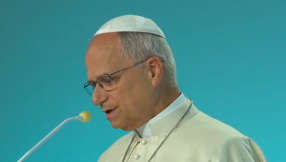
Pope urges Church to find its voice in secular France
France was previously known as the "first daughter" of the Catholic Church.
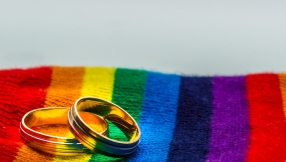
Church in Wales pauses plans to allow gay marriage
The Church in Wales has pulled back from plans to allow homosexual weddings to take place in churches.
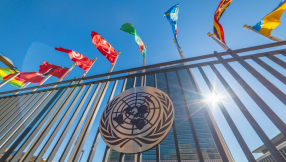
Plans afoot for new pro-life group at the UN
Organisers specifically said they wanted to counter organised LGBT influence at the UN level.
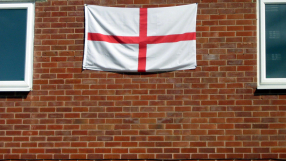
Southwark bishops denounce 'Christian nationalism'
There is considerable disagreement about what "Christian nationalism" actually is.








